
Defining the Urban Challenge: What Constitutes Jaywalking?
The term “jaywalker” describes a pedestrian who crosses a street carelessly or in an illegal manner, often disregarding traffic signals, designated crosswalks, or other regulations. Historically, the concept of jaywalking emerged in the early 20th century, largely popularized by the nascent automobile industry to shift blame for road accidents from drivers to pedestrians. Before this period, roads were shared spaces, and pedestrians had a greater right of way. As vehicle traffic increased, cities introduced rules to segregate pedestrian and vehicular movement, giving rise to the notion of “jaywalking” as a dangerous and irresponsible act.

Today, jaywalking remains a complex urban issue with significant implications for public safety, traffic flow, and urban planning. While often perceived as a minor infraction, it contributes to a considerable number of pedestrian accidents and fatalities annually. Understanding the phenomenon of jaywalking goes beyond simply identifying an illegal act; it delves into the intricate dynamics of human behavior, infrastructure design, and the ever-evolving challenges of managing multimodal transportation within dense urban environments. As cities grow smarter and increasingly leverage technology to optimize their operations, addressing pedestrian safety, including the risks associated with jaywalking, becomes a critical frontier for innovation.
Technological Interventions for Enhanced Pedestrian Safety
The rise of advanced technology offers a robust toolkit for mitigating the risks associated with pedestrian behavior, including jaywalking. Modern urban planning increasingly integrates digital solutions to create safer, more efficient pedestrian environments.
Smart Traffic Management Systems
One of the primary areas of technological intervention lies in smart traffic management. These systems utilize a network of sensors, cameras, and artificial intelligence (AI) algorithms to dynamically monitor traffic and pedestrian movements.
- Intelligent Signal Timing: AI-powered traffic lights can adapt their timing based on real-time pedestrian and vehicle volumes, ensuring sufficient crossing time and minimizing wait times at intersections. Cameras equipped with computer vision can detect the presence of pedestrians waiting to cross, triggering signals only when needed, or extending green lights for slower pedestrians.
- Pedestrian Detection and Warning Systems: Infrared and LiDAR sensors, often integrated with traffic lights or street infrastructure, can accurately detect pedestrians, including those outside marked crosswalks. This data can be used to warn drivers of potential hazards through in-vehicle alerts or dynamic signage, and even to activate flashing lights embedded in the roadway at unsignalized crossings.
- Predictive Analytics for Hotspots: By analyzing historical data on pedestrian incidents, traffic patterns, and jaywalking locations, AI can identify “hotspots” where jaywalking is more prevalent or dangerous. This allows urban planners to deploy targeted interventions, such as enhanced lighting, improved signage, or additional enforcement, informed by data.
Advanced Driver-Assistance Systems (ADAS)
Beyond infrastructure, in-vehicle technologies play a crucial role in preventing accidents involving pedestrians. Modern vehicles are increasingly equipped with ADAS features designed to assist drivers in avoiding collisions.
- Pedestrian Detection and Automatic Emergency Braking (AEB): Many new cars feature front-facing cameras and radar sensors that can detect pedestrians, even in low-light conditions. If a pedestrian is detected in the vehicle’s path and the driver fails to react, the AEB system can automatically apply the brakes to prevent or mitigate a collision.
- Blind Spot Monitoring and Cross-Traffic Alert: These systems help drivers detect pedestrians approaching from blind spots or when backing out of parking spaces, reducing the risk of accidents in complex urban scenarios.
- V2X Communication (Vehicle-to-Everything): While still evolving, V2X technology holds immense promise. It allows vehicles to communicate with other vehicles (V2V), infrastructure (V2I), and even pedestrians via their mobile devices (V2P). Imagine a pedestrian’s smartphone alerting them to an approaching vehicle around a blind corner, or a car receiving a warning that a pedestrian with a connected device is about to step into the road.
Connected Infrastructure and Smart Crosswalks
The physical environment itself is becoming smarter. Connected infrastructure integrates various urban assets into a cohesive digital network.
- Smart Crosswalks: These deploy embedded LED lights that illuminate when pedestrians are crossing, making them highly visible, especially at night. Some even include pressure sensors that detect when a pedestrian steps onto the crosswalk, automatically triggering warnings for approaching vehicles.
- Digital Signage and Public Information Displays: Strategically placed digital signs can provide real-time safety messages, warn pedestrians of approaching vehicles at complex intersections, or guide them to safer crossing points.
- IoT-Enabled Street Furniture: Benches, bus stops, and lamp posts equipped with IoT sensors can collect data on pedestrian density and movement, contributing to a holistic understanding of urban flow and potential jaywalking risks.
Leveraging Data and AI for Predictive Urban Planning
The sheer volume of data generated by urban sensors, cameras, and connected devices forms the bedrock for intelligent urban planning aimed at enhancing pedestrian safety. This data, when analyzed with artificial intelligence and machine learning algorithms, transforms reactive incident response into proactive risk mitigation.
Behavioral Analytics and Pattern Recognition
AI algorithms can process vast datasets from diverse sources, including traffic camera footage, mobile application usage (anonymized location data), and sensor readings, to identify recurring patterns in pedestrian behavior. This goes beyond simply logging accidents; it seeks to understand why jaywalking occurs at certain locations or times.
- Hotspot Identification: Machine learning models can pinpoint specific intersections or street segments where jaywalking is statistically more frequent or hazardous. This might be due to long signal wait times, inconveniently located crosswalks, or complex multi-lane crossings.
- Predictive Risk Assessment: By correlating behavioral patterns with environmental factors (e.g., time of day, weather conditions, proximity to public transport hubs or entertainment venues), AI can predict periods of heightened jaywalking risk. This enables dynamic adjustments to traffic management strategies, such as increased enforcement presence or temporary signal modifications during peak risk hours.
- Evaluating Intervention Effectiveness: Data analytics provides a quantifiable way to assess the impact of new infrastructure or technological deployments. By comparing pre- and post-intervention data on jaywalking incidents and pedestrian flow, city planners can objectively determine whether a smart crosswalk, new signage, or a modified signal timing program has genuinely improved safety.
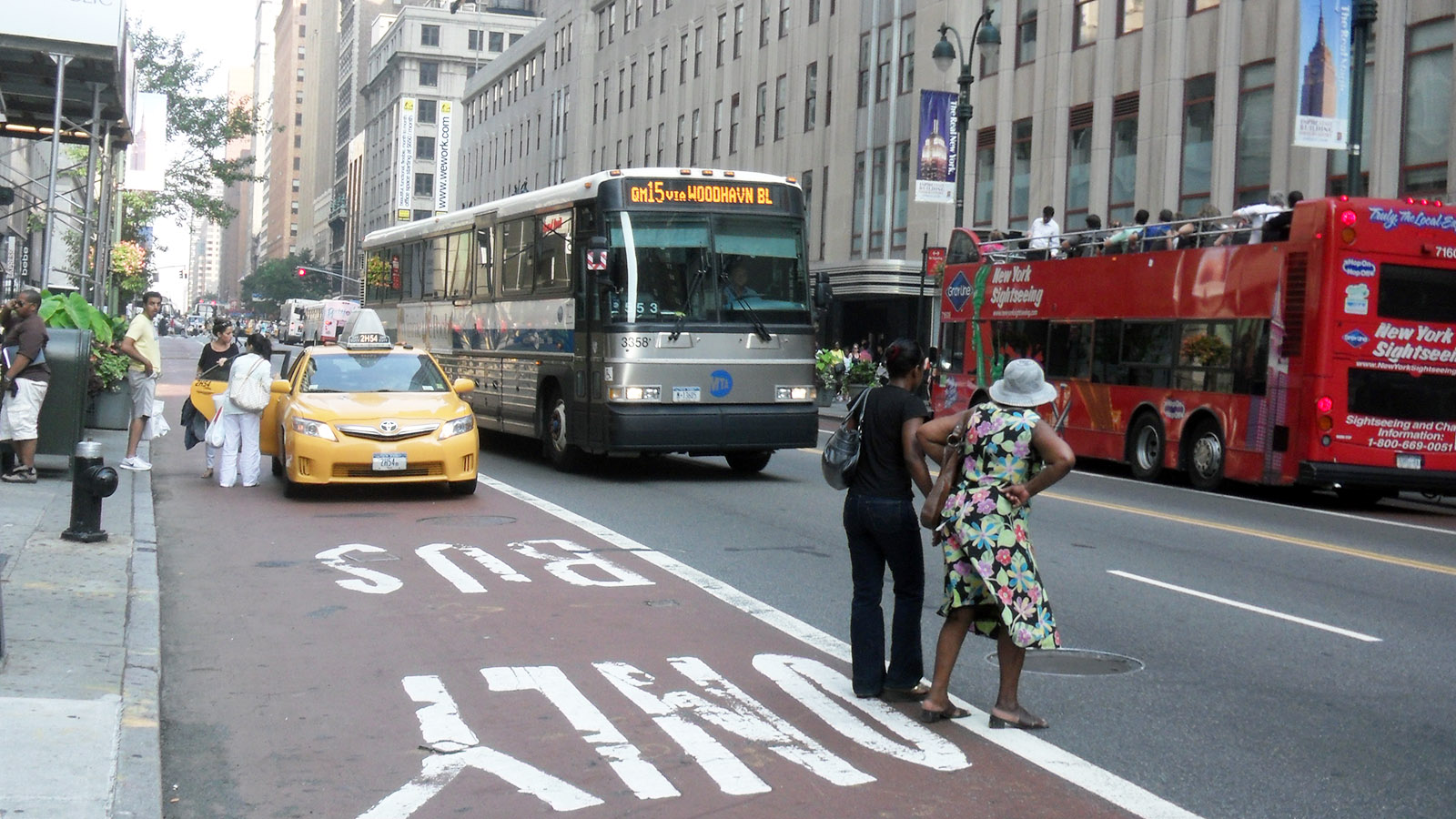
Digital Twins for Urban Simulation
Advanced cities are developing “digital twins”—virtual replicas of their physical infrastructure. These highly detailed, data-rich models can simulate various urban scenarios with remarkable accuracy.
- Scenario Testing: Before implementing costly physical changes, urban planners can use a digital twin to simulate the impact of new crosswalk designs, changes in traffic flow, or the deployment of new smart infrastructure on pedestrian behavior and safety. This allows for iterative design and optimization in a risk-free virtual environment.
- Optimizing Resource Allocation: By simulating pedestrian behavior under different conditions, cities can optimize the placement of safety cameras, pedestrian-activated signals, or even the deployment of mobile safety patrols to areas where they will have the greatest impact.
The Future of Urban Mobility: Smart Cities and Autonomous Systems
The trajectory of urban development points towards increasingly integrated and intelligent ecosystems where technology plays a pervasive role in shaping how people move and interact with their environment.
Autonomous Vehicles (AVs) and Pedestrian Safety
The widespread adoption of autonomous vehicles has the potential to fundamentally alter the dynamics of pedestrian safety.
- Reduced Human Error: A significant percentage of current road accidents are attributed to human error. AVs, programmed to follow traffic laws meticulously and equipped with advanced sensor arrays, could dramatically reduce collisions caused by distracted driving, speeding, or impaired judgment.
- Enhanced Situational Awareness: Lidar, radar, ultrasonic sensors, and cameras provide AVs with a 360-degree, all-weather view of their surroundings, often surpassing human perception. They can detect pedestrians, cyclists, and other obstacles even in challenging conditions.
- Predictable Behavior: AVs are designed to operate predictably and consistently, which could lead to a more ordered and safer environment for pedestrians, reducing the need for evasive maneuvers or sudden reactions often seen in human-driven traffic.
- Challenges and New Dynamics: However, AVs also introduce new complexities. Pedestrians, including jaywalkers, currently rely on eye contact and subtle cues from human drivers. AVs, lacking these human elements, might require new forms of communication (e.g., external displays indicating intent) to ensure safe interactions. The transition period, with mixed human-driven and autonomous traffic, will also present unique safety challenges.
Holistic Smart City Approaches
The concept of a “smart city” envisions a highly interconnected urban environment where various systems—transportation, energy, public safety, waste management—communicate and collaborate.
- Integrated Urban Planning Platforms: These platforms consolidate data from all urban systems, providing a comprehensive real-time view of city operations. This allows planners to address issues like jaywalking not in isolation, but as part of a larger urban ecosystem. For instance, understanding pedestrian flow might inform public transport scheduling, urban park design, and retail placement.
- Personalized Pedestrian Experiences: Future smart cities might offer applications that guide pedestrians along safer routes, provide real-time alerts about upcoming traffic, or even use augmented reality to highlight safe crossing points. Wearable tech could provide haptic feedback or audio warnings to pedestrians approaching dangerous situations.
- Dynamic Infrastructure Adaptation: Imagine roads that can dynamically change lane configurations, crosswalk markings, or even speed limits based on real-time pedestrian density and traffic flow, optimizing both safety and efficiency moment-to-moment.
Navigating Ethical Dimensions and Implementation Hurdles
While the technological solutions for enhancing pedestrian safety are promising, their implementation is not without significant ethical considerations and practical challenges. Addressing these aspects is crucial for successful and equitable smart city development.
Privacy Concerns and Surveillance
Many of the proposed technologies, particularly those involving cameras, sensors, and data analytics, rely on extensive data collection that can track individual movements.
- Balancing Safety and Privacy: The deployment of pervasive surveillance systems, even if anonymized, raises legitimate concerns about individual privacy and the potential for misuse of data. Striking a balance between enhancing public safety and protecting civil liberties is paramount. Robust data governance frameworks, clear privacy policies, and transparent communication with citizens are essential.
- Data Security: Large-scale collection of urban data also presents significant cybersecurity risks. Protecting sensitive information from breaches and unauthorized access is critical to maintaining public trust.
Equity of Access and Digital Divide
Not all citizens have equal access to or familiarity with advanced technology.
- Inclusive Design: Smart city solutions must be designed to be accessible to everyone, including the elderly, individuals with disabilities, and those who may not own smartphones or have consistent internet access. Reliance on mobile apps for safety alerts, for instance, could inadvertently exclude vulnerable populations.
- Infrastructure Investment Disparities: The deployment of advanced smart infrastructure can be costly, potentially leading to disparities in safety improvements between affluent and underserved neighborhoods. Ensuring equitable distribution of technological benefits is a critical ethical imperative.

Behavioral Change and Public Acceptance
Technology can provide tools, but ultimately, changing entrenched human behavior like jaywalking requires more than just infrastructure.
- Educating the Public: Effective implementation of smart city solutions for pedestrian safety must be accompanied by comprehensive public education campaigns that explain the benefits of these technologies and encourage safer behaviors.
- Trust in Automation: For technologies like autonomous vehicles, building public trust is a slow process that requires consistent demonstration of safety and reliability, coupled with clear communication about their capabilities and limitations.
The evolution of urban spaces will continue to be a fascinating interplay between human behavior and technological innovation. By carefully considering the ethical implications and practical challenges, cities can harness technology to create environments where pedestrians, including those who might otherwise be “jaywalkers,” can move safely and efficiently.
aViewFromTheCave is a participant in the Amazon Services LLC Associates Program, an affiliate advertising program designed to provide a means for sites to earn advertising fees by advertising and linking to Amazon.com. Amazon, the Amazon logo, AmazonSupply, and the AmazonSupply logo are trademarks of Amazon.com, Inc. or its affiliates. As an Amazon Associate we earn affiliate commissions from qualifying purchases.