
The humble penny, often dismissed as loose change, holds a hidden potential for significant monetary value, far exceeding its one-cent denomination. For discerning collectors and astute investors, certain years and specific characteristics transform these copper (or zinc) discs into coveted assets. Understanding which pennies are worth money requires delving into the nuanced world of numismatics, where rarity, condition, and historical context converge to determine true market value.
Beyond Face Value: Understanding Numismatic Worth
The value of a penny transcends its purchasing power when it enters the realm of numismatics – the study and collection of currency. Not every old penny is valuable; in fact, the vast majority are worth precisely one cent. However, a select few possess unique attributes that elevate them to collector’s items, sometimes fetching thousands or even millions of dollars. The distinction lies in understanding the core factors that drive this augmented value.
Key Factors Determining a Penny’s Value
Several critical elements dictate whether a penny holds value beyond its face:
- Rarity: This is arguably the most significant factor. A coin is rare if only a limited number were originally minted, or if a significant portion of its original mintage has been lost or destroyed over time. Low mintage figures from specific mints (Philadelphia, Denver, San Francisco) are often key indicators.
- Condition (Grade): The state of preservation is paramount. Coins are graded on a scale from Poor (P) to Perfect Mint State (MS-70). A coin in higher grades, exhibiting minimal wear, strong strike details, and original luster, will command a significantly higher price than an identical coin in poor condition. Professional grading services (PCGS, NGC) provide standardized evaluations.
- Mint Mark: Pennies struck at different U.S. Mint facilities carry specific mint marks (e.g., ‘S’ for San Francisco, ‘D’ for Denver, ‘P’ or no mark for Philadelphia). Certain mint marks in specific years can dramatically affect rarity and value.
- Errors and Varieties: These are manufacturing anomalies that occurred during the minting process. They can range from doubled dies (where the design is impressed twice, slightly misaligned), off-center strikes, missing mint marks, or planchet errors (errors in the blank coin material). These unique imperfections often create highly sought-after rarities.
- Historical Significance/Demand: Coins tied to pivotal historical moments or popular series can also see increased demand, even if not exceedingly rare. Collector trends and market sentiment play a role, although less so than objective rarity and condition.
The Allure of Rarity and Condition
The synergy between rarity and condition creates the most valuable pennies. A rare penny in pristine, uncirculated condition is the holy grail for collectors. For instance, a coin with a low mintage figure that has somehow survived decades without significant wear or damage becomes an exceptional find. Conversely, a common coin, even in perfect condition, will likely never achieve substantial value. It’s the scarcity of supply combined with high demand from a dedicated collecting community that drives prices skyward.
Iconic Pennies That Command High Prices
While countless pennies exist, a handful stand out as legendary finds, representing peak examples of numismatic value. Recognizing these specific years and varieties is crucial for anyone hoping to uncover a hidden treasure.
The 1909-S VDB Lincoln Cent
This coin is arguably one of the most famous and sought-after pennies. The “VDB” refers to Victor David Brenner, the designer of the Lincoln Cent, whose initials were prominently placed on the reverse of the coin in its inaugural year, 1909. Public outcry led to their swift removal, making the initial S-mint coins with the VDB initials extremely rare. Only 484,000 were minted. A 1909-S VDB in good condition can fetch hundreds, while uncirculated examples can easily command tens of thousands of dollars, sometimes exceeding $100,000.
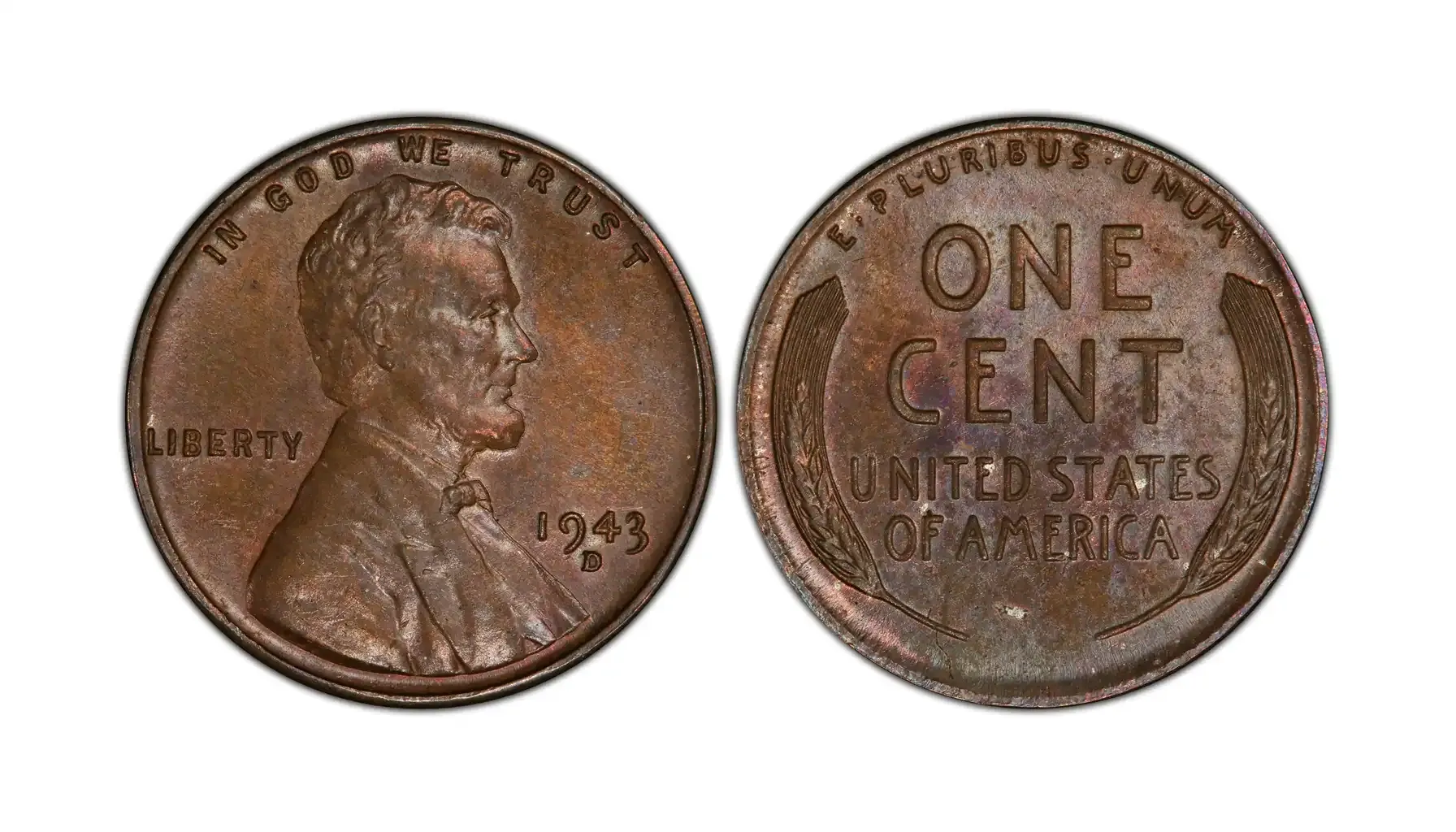
The 1943 Copper Penny
During World War II, copper was a critical war material. To conserve it, the U.S. Mint switched to zinc-coated steel for pennies in 1943. However, a small number of copper planchets from 1942 are believed to have remained in the minting presses, resulting in a tiny, accidental mintage of 1943 pennies struck on copper. These “copper cents” are among the most famous and valuable error coins, with only around 40 known examples. They are exceptionally rare, with specimens selling for hundreds of thousands, and in one case, over $1.7 million.
The 1944 Steel Penny
The reverse error of the 1943 copper penny, the 1944 steel penny, is also highly valuable. In 1944, the Mint returned to using copper, but a small number of 1943 steel planchets were accidentally fed into the presses. These 1944 steel cents are also scarce, though not as rare as their 1943 copper counterparts. Depending on condition, they can still be worth thousands or tens of thousands of dollars.
The 1955 Doubled Die Obverse Penny
This is another classic error coin, easily identifiable with the naked eye. The doubling on the obverse (front) of the coin, particularly visible on the date and “LIBERTY,” is pronounced and unmistakable. This error occurred when the die, used to strike the coins, was imperfectly manufactured with a doubled image. While around 20,000 to 24,000 are believed to have been released, many were immediately spotted and pulled from circulation. High-grade examples of the 1955 doubled die penny can be worth several thousands of dollars.
Other Notable Lincoln Cents
Beyond these titans, other pennies hold significant value:
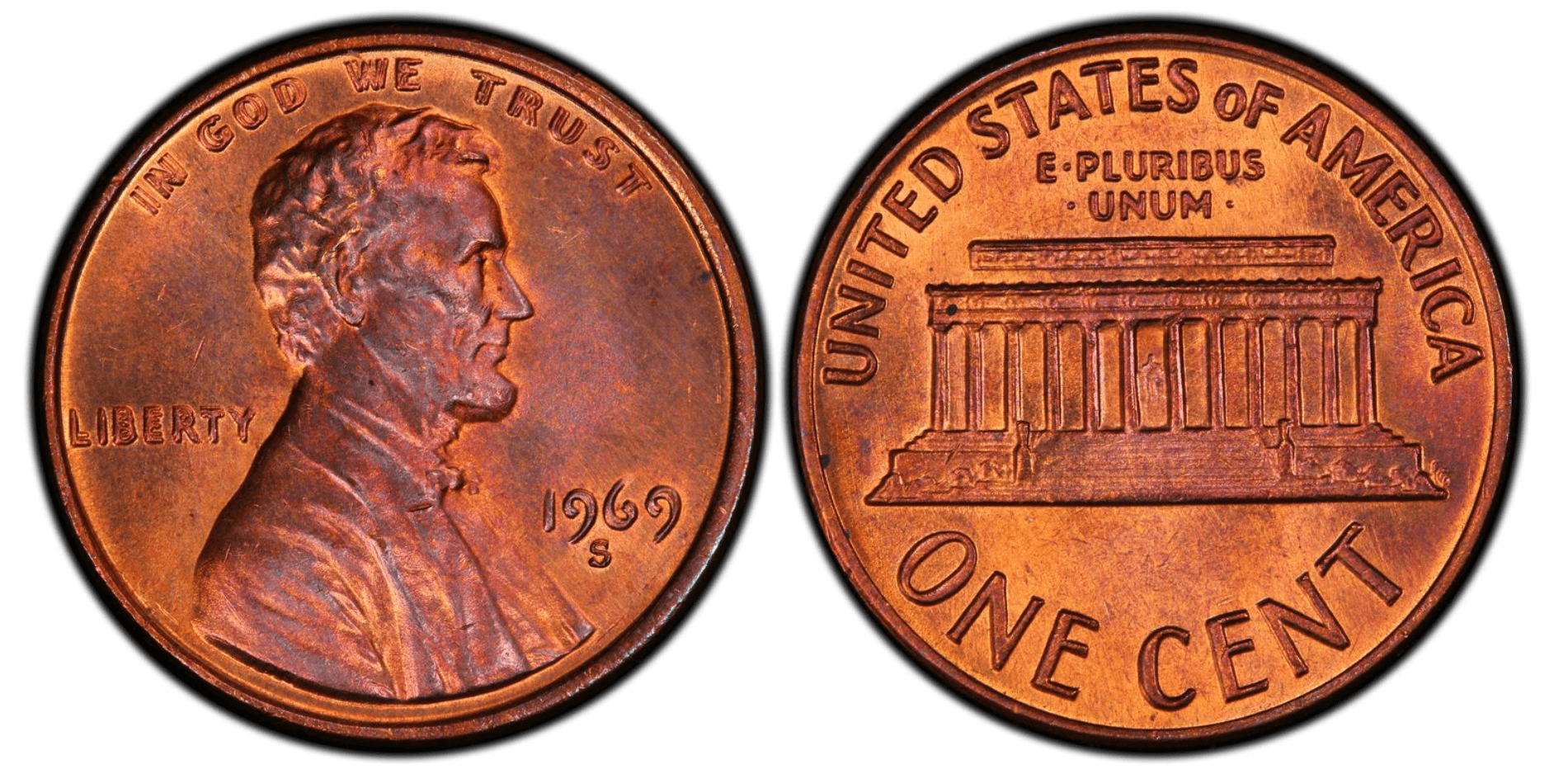
- 1969-S Doubled Die Obverse: Even rarer and more valuable than the 1955 doubled die, with fewer than 100 known examples. These can command six-figure sums.
- 1970-S Small Date: A subtle but important variety, distinguished by the smaller ’70’ in the date compared to the more common large date variety. High-grade examples are highly prized.
- 1972 Doubled Die Obverse: Another prominent doubled die error, showing clear doubling on the date and lettering.
- 1983 Copper Penny: Similar to the 1943 copper error, a very small number of 1983 pennies were struck on copper planchets, while the majority were zinc. These are extremely rare and valuable.
Practical Steps for Identifying Valuable Pennies
Identifying a valuable penny requires a methodical approach, keen observation, and a basic understanding of numismatic principles. It’s not about luck alone, but about informed searching.
Inspecting for Mint Marks
The first step in evaluating a penny is to locate its mint mark. On Lincoln Cents, the mint mark is found just below the date, on the obverse.
- ‘S’ for San Francisco
- ‘D’ for Denver
- No mint mark (or ‘P’ since 2017) for Philadelphia.
Specific combinations of year and mint mark are crucial. For example, a 1909-S is far more valuable than a 1909 from Philadelphia.
Understanding Die Varieties and Errors
This is where the real detective work begins. Many valuable pennies are distinguished by subtle (or not so subtle) errors or varieties.
- Doubled Dies: Look for distinct doubling of the letters or numbers, not just a blurred or smudged appearance. A magnifying glass (loupe) is essential.
- Repunched Mint Marks (RPMs): Instances where the mint mark was stamped more than once, with a slight shift in position.
- Overdates: Rarer cases where one date is struck over another (e.g., a 1942/1 variety on other coin denominations, though less common on pennies).
- Planchet Errors: Coins struck on the wrong metal (like the 1943 copper and 1944 steel pennies) or on a blank meant for a different denomination.
Comparing a suspicious coin to known error examples using online resources or numismatic guides is critical.
Grading Your Penny
Accurately assessing a penny’s condition is vital. While professional grading is best for high-value coins, you can learn basic principles:
- Uncirculated (MS-60 to MS-70): No signs of wear, full original luster.
- About Uncirculated (AU-50 to AU-58): Traces of wear on highest points, but retains most luster.
- Extremely Fine (EF-40 to EF-49): Light wear on high points, all major details visible.
- Very Fine (VF-20 to VF-39): Moderate wear, some details flattened.
- Fine (F-12): Considerable wear, but design elements are clear.
- Very Good (VG-8): Heavily worn, but outlines of features are visible.
- Good (G-4): Very worn, main features are barely visible.
Even slight differences in grade can mean hundreds or thousands of dollars in value for rare coins.
Essential Tools for Collectors
To effectively search for and identify valuable pennies, a few basic tools are indispensable:
- Jeweler’s Loupe (10x magnification): Crucial for inspecting fine details, mint marks, and potential errors.
- Coin Holder/Flips: Mylar or archival-safe plastic holders to protect coins once identified. Never use PVC flips, as they can damage coins over time.
- Coin Scales: For distinguishing between copper and zinc pennies, especially for 1982 coins, as both metals were used in that year.
- Reference Books/Online Databases: The “Red Book” (A Guide Book of United States Coins) is the standard reference. Online databases (PCGS, NGC, CoinFacts) offer high-resolution images and detailed information on varieties and market values.
The Financial Landscape of Coin Collecting
For some, penny collecting is a hobby; for others, it’s a strategic investment. Understanding the financial implications is key, whether you’re a casual treasure hunter or a serious numismatist.
Is Penny Collecting a Viable Investment?
Investing in rare pennies can be lucrative, but it’s not without risks. Like any alternative asset, the value of rare coins can fluctuate based on market demand, economic conditions, and new discoveries. However, ultra-rare coins with proven historical significance and verifiable authenticity tend to hold their value well and often appreciate over time, outpacing inflation. They offer diversification outside traditional stock markets and real estate.
Mitigating Risks and Maximizing Returns
To treat penny collecting as an investment, consider these strategies:
- Focus on Condition and Rarity: Prioritize high-grade, genuinely rare coins rather than speculative “modern errors.”
- Authentication and Grading: Always purchase coins graded and encapsulated by reputable third-party services (PCGS, NGC) to ensure authenticity and accurate condition assessment.
- Market Research: Understand historical price trends and current market liquidity for specific coins.
- Buy the Book Before the Coin: Educate yourself thoroughly before making significant purchases.
- Long-Term Horizon: Numismatic investments typically perform best over extended periods.
Leveraging Expert Appraisals and Market Resources
For coins suspected of high value, a professional appraisal is indispensable. Reputable coin dealers and auction houses can provide accurate valuations and offer avenues for sale. Online auction sites and dedicated numismatic forums also provide market insights, but caution is advised when buying or selling independently without expert verification. Always cross-reference prices and seek multiple opinions for high-value items.
The journey to discover a penny worth money is one of education, meticulous observation, and a touch of serendipity. While millions of pennies circulate daily, a select few are true financial gems, waiting to be identified by those who understand their hidden value.
aViewFromTheCave is a participant in the Amazon Services LLC Associates Program, an affiliate advertising program designed to provide a means for sites to earn advertising fees by advertising and linking to Amazon.com. Amazon, the Amazon logo, AmazonSupply, and the AmazonSupply logo are trademarks of Amazon.com, Inc. or its affiliates. As an Amazon Associate we earn affiliate commissions from qualifying purchases.