
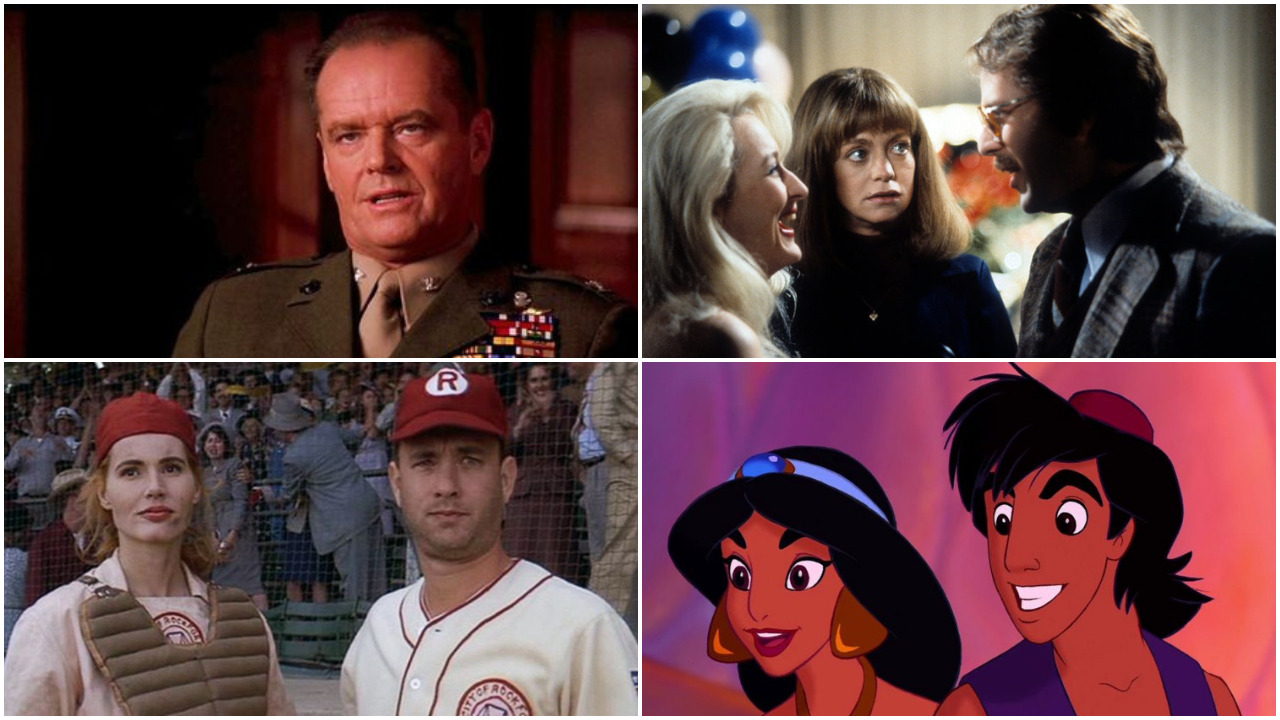
In the dynamic and fiercely competitive world of entertainment finance, the title of “number one movie” signifies far more than mere critical acclaim or audience popularity; it represents a monumental financial achievement, a validation of immense investment, and a powerful engine for studio profitability. For the year 1992, this coveted position, based on worldwide box office gross, was seized by Disney’s animated masterpiece, Aladdin. Grossing over $504 million globally (equivalent to over $1 billion in 2023 dollars when adjusted for inflation), Aladdin not only captivated audiences but also cemented its place as a financial juggernaut, illustrating key economic principles of the entertainment industry during a pivotal era for animation.

The Financial Powerhouse of 1992: Disney’s Aladdin
Aladdin‘s reign as the top-grossing film of 1992 was a testament to meticulous financial planning, significant upfront investment, and expert market positioning. Its success provided invaluable insights into the economic drivers behind animated features and their enduring financial potential.
Production Investment and Early Returns
Creating an animated feature of Aladdin‘s caliber in the early 1990s demanded a substantial financial commitment. While specific budgets for animated films are often closely guarded, industry estimates for Aladdin‘s production hovered around $28 million. This figure, considerable for its time, encompassed the salaries of hundreds of animators, voice actors (including the high-profile Robin Williams, whose unique deal for a relatively modest upfront fee and percentage of backend merchandising was a point of financial contention and innovation), storyboard artists, technical directors, and the intricate processes of ink-and-paint, digital animation, and post-production. The investment also covered the creation of a captivating score by Alan Menken and lyrics by Howard Ashman and Tim Rice, integral components of the film’s commercial appeal. Such an outlay represented a significant financial risk, as success was never guaranteed, making the subsequent returns even more remarkable. The studio’s decision to heavily invest in its animation division, despite previous financial fluctuations, proved to be a strategic masterstroke, revitalizing Disney’s core asset.
Global Box Office Triumph
Aladdin‘s box office performance was nothing short of spectacular. Its worldwide gross of over $504 million was a staggering sum for 1992, far surpassing other major releases of the year and demonstrating the immense global appeal of high-quality animated content. Domestically, the film earned approximately $217 million, positioning it as one of the highest-grossing films in North America that year, despite being released late in November. However, its international performance truly propelled it to the number one spot globally, showcasing Disney’s unparalleled ability to leverage its brand and distribution networks across diverse markets. This impressive financial turnout underscored the robust demand for family-friendly entertainment and the universality of its themes, translating directly into ticket sales across continents and currencies.
The Economic Ripple Effect of a Blockbuster
The financial impact of a “number one” movie like Aladdin extends far beyond its initial theatrical run, generating a complex web of ancillary revenues and bolstering the financial health of its parent company for years, if not decades.
Studio Profitability and Shareholder Value
For The Walt Disney Company, Aladdin‘s success was a colossal boost to its balance sheet and significantly contributed to its overall profitability during the nascent stages of the “Disney Renaissance.” The high profit margins associated with animated features, especially those with such widespread appeal, allowed Disney to reinvest in future projects, expand its operational capabilities, and return substantial value to its shareholders. A blockbuster like Aladdin acts as a “tentpole” release, providing stable financial footing that supports other ventures, from less risky television productions to experimental film projects. The financial performance of Aladdin validated Disney’s strategy of committing vast resources to animated features, sending a clear signal to investors about the economic viability and growth potential of the company’s creative divisions. This success played a crucial role in bolstering investor confidence and driving Disney’s stock performance throughout the decade.

Ancillary Revenues and Long-Term Assets
While theatrical receipts were substantial, the true long-term financial power of Aladdin lay in its vast array of ancillary revenue streams. Merchandising, a cornerstone of Disney’s business model, saw an explosion of sales for toys, apparel, video games, and other licensed products, generating hundreds of millions in royalties and licensing fees. The film’s soundtrack, featuring hit songs like “A Whole New World,” became a multi-platinum success, adding another significant revenue stream. Home video releases (initially VHS, later DVD and Blu-ray) contributed immensely to the film’s enduring profitability, with millions of units sold globally over the years. Furthermore, Aladdin‘s characters and themes were seamlessly integrated into Disney’s theme parks, generating new revenue through attractions, parades, and character meet-and-greets. The property also spawned successful Broadway musicals and television series, each a distinct profit center. These diversified revenue channels transformed Aladdin from a temporary box office hit into a perpetual financial asset, continuously generating income and reinforcing Disney’s brand equity.
Navigating Hollywood’s Financial Landscape in the Early 90s
The early 1990s represented a period of significant evolution in Hollywood’s financial strategies, particularly concerning marketing spend and the business models underlying animated productions. Aladdin‘s success perfectly illustrated the effectiveness of certain approaches.
Marketing Investment and Distribution Strategies
To achieve its number one status, Aladdin was backed by an extensive and costly marketing campaign. Studios in the early 90s typically spent tens of millions on advertising and promotion for major releases. For Aladdin, this involved massive television advertising buys, print ads, promotional tie-ins with fast-food chains and toy companies, and strategic public relations efforts. These marketing budgets, often matching or even exceeding production costs, were crucial for generating widespread awareness and driving initial box office momentum. Distribution strategies also played a critical financial role. Disney’s robust international distribution network ensured that Aladdin reached cinemas worldwide efficiently, maximizing its global earning potential. The staggered release dates in different territories were a deliberate financial decision, allowing for tailored marketing and capitalizing on local holidays and school breaks, thereby optimizing revenue extraction from each market.
The Evolving Business Model of Animation
Aladdin‘s financial success was pivotal in cementing a new business model for animated features. Following the relative commercial struggles of animation in the 1970s and early 80s, films like The Little Mermaid (1989) and Beauty and the Beast (1991) had begun to rebuild confidence. Aladdin provided undeniable proof that animated films, when executed with high production values and compelling storytelling, could not only compete with live-action blockbusters but often surpass them in terms of profitability due to their strong appeal to repeat viewings and merchandising potential. This financial validation spurred further massive investments in Disney’s animation studio, leading to a string of highly successful films throughout the decade and fundamentally reshaping the industry’s perception of animated content as a core revenue generator rather than a niche product. The cost-benefit analysis decisively shifted in favor of ambitious animation projects.
Legacy and Future Financial Implications
The financial legacy of Aladdin extends well beyond its 1992 box office numbers, influencing Disney’s long-term investment strategies and shaping the broader entertainment economy.
Impact on Franchise Development and Investment
Aladdin‘s substantial financial returns demonstrated the enduring value of investing in strong intellectual property (IP). Its success paved the way for subsequent direct-to-video sequels (The Return of Jafar, Aladdin and the King of Thieves), animated television series, and most recently, a live-action remake (2019) that itself grossed over $1 billion worldwide. This strategy of leveraging successful IP across various media forms and platforms is a direct result of the lessons learned from the original film’s financial triumph. It underscored the financial wisdom of creating comprehensive entertainment franchises that can generate continuous revenue streams over decades, mitigating risk through diversified offerings derived from a proven commercial entity. This long-term financial planning is now a standard practice for major studios.
Lessons in Entertainment Economics
Aladdin‘s journey to becoming the number one movie of 1992 offers enduring lessons in entertainment economics. It highlighted the financial power of investing in exceptional creative talent, the critical importance of a global distribution network, and the immense profitability derived from fully exploiting ancillary revenue opportunities. For any entity operating within the entertainment sector, Aladdin‘s success serves as a compelling case study on how to maximize financial returns on a creative product by carefully balancing production investment with strategic marketing, diverse revenue generation, and long-term IP management. It reinforced the understanding that in Hollywood, true financial success is not merely about making a good movie, but about building a multifaceted economic engine around it.
aViewFromTheCave is a participant in the Amazon Services LLC Associates Program, an affiliate advertising program designed to provide a means for sites to earn advertising fees by advertising and linking to Amazon.com. Amazon, the Amazon logo, AmazonSupply, and the AmazonSupply logo are trademarks of Amazon.com, Inc. or its affiliates. As an Amazon Associate we earn affiliate commissions from qualifying purchases.