
The Legacy of a Literary Brand: H.P. Lovecraft’s Enduring Influence
H.P. Lovecraft, the reclusive visionary from Providence, Rhode Island, forged a unique and indelible mark on the landscape of horror and speculative fiction. His intricate mythos, populated by cosmic entities and existential dread, established him as a master of the genre, influencing countless authors, filmmakers, and artists across generations. This enduring impact undeniably positions Lovecraft not just as an author, but as a powerful personal brand in the literary world. His name evokes a specific aesthetic, a particular philosophical bent, and a distinctive style of narrative horror that is instantly recognizable. Understanding Lovecraft’s brand means delving into the elements that cemented his place in cultural history: his innovative storytelling, the creation of a shared universe (the Cthulhu Mythos), and his profound ability to tap into humanity’s deepest fears of the unknown and insignificant.

Crafting a Persona: Lovecraft’s Unique Brand Identity
Lovecraft’s brand identity was largely built posthumously, cultivated by devoted readers and scholars who recognized the groundbreaking nature of his work. His persona—that of a melancholic, intellectually rigorous, yet socially awkward individual—became part of the allure. The themes he explored, such as cosmicism, nihilism, and the fragility of human sanity in the face of incomprehensible forces, became hallmarks of his distinctive voice. This consistent thematic tapestry, woven across numerous short stories and novellas, solidified a strong, albeit dark, brand promise: an experience of terror that transcends the mundane, challenging readers to confront the vast indifference of the universe. This established a loyal following, turning his writings into a cult phenomenon that eventually permeated mainstream culture. The brand he left behind is one of intellectual horror, a genre-defining force that continues to spawn new interpretations and adaptations, testament to a truly powerful and enduring literary brand.
The Controversial Element: A Name’s Impact on Brand Perception
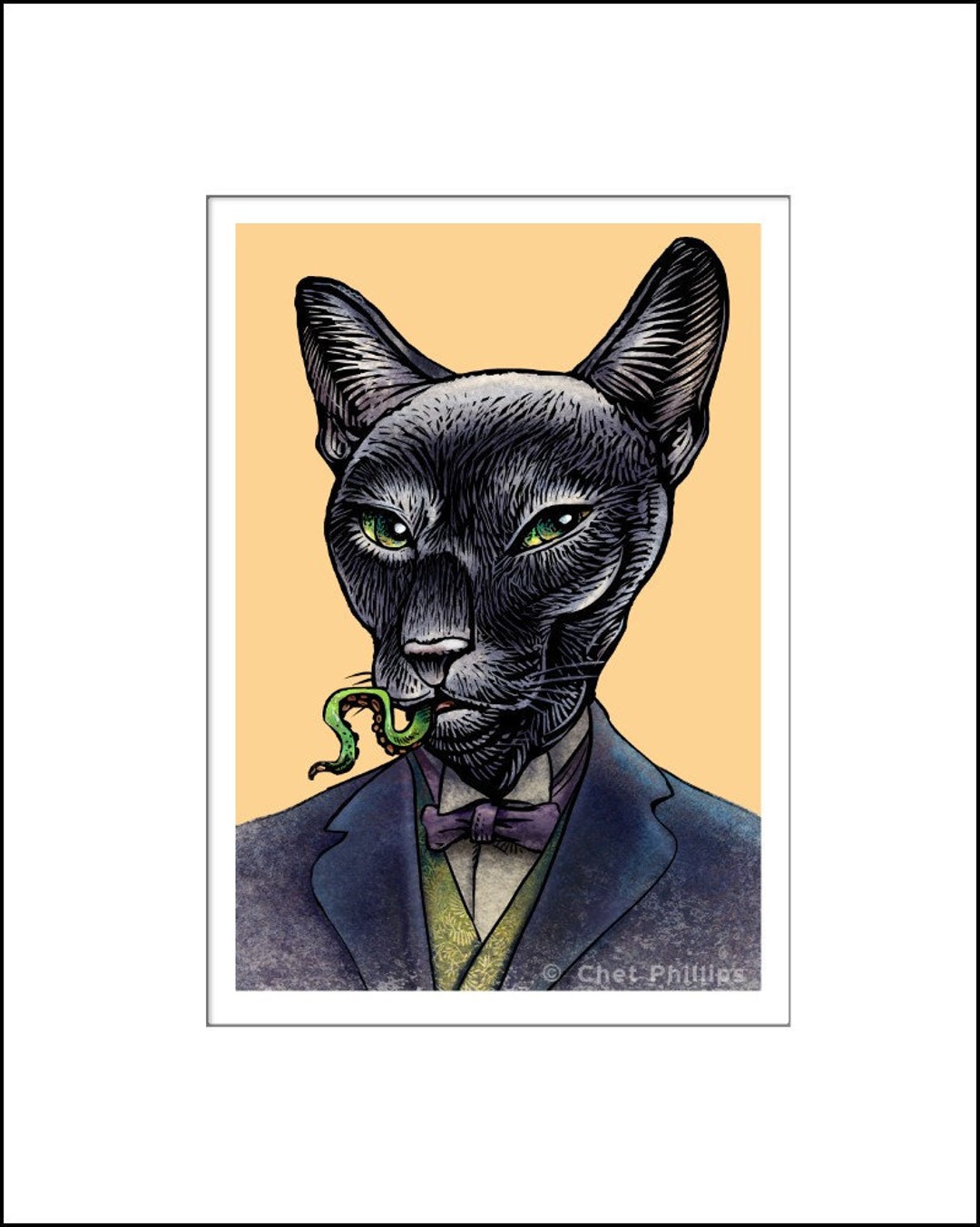
Despite his immense literary influence, the Lovecraft brand is inextricably linked to a profound and deeply problematic aspect of his personal life: his pervasive racism and xenophobia. This unfortunate truth often casts a long, dark shadow over his artistic achievements. One of the most stark and widely cited examples of this bigotry is the name he chose for his cat: an egregious and historically offensive racial slur. This detail, though seemingly minor in the grand scheme of his literary output, serves as a stark reminder of his prejudices and has become a significant touchstone in discussions about his legacy. The decision to name a pet using such a derogatory term reveals a disturbing facet of Lovecraft’s worldview, making it impossible to separate the artist from his deeply flawed character.
Navigating Historical Brands in Modern Sensibilities

The presence of such a controversial detail presents a significant challenge for the Lovecraft brand in contemporary society. In an era increasingly focused on diversity, inclusion, and social justice, historical figures whose personal brands are tarnished by bigotry face intense scrutiny. For Lovecraft, the cat’s name is not merely an anecdote; it’s a potent symbol that encapsulates the racist undercurrents present in some of his writings and correspondence. This particular element forces a re-evaluation of his entire body of work and the context in which it is consumed. Modern audiences, curators, and publishers grapple with how to honor his literary contributions while acknowledging and condemning his abhorrent views. The question then becomes: how does a brand, built on artistic merit, reconcile with deeply offensive personal actions that contradict modern ethical standards? This ongoing debate highlights the complexities of brand management for historical figures, where posthumous perception is continually shaped by evolving societal values. The revelation or wider dissemination of such controversial details can severely impact a brand’s reputation, even centuries later, by forcing a conversation about moral accountability that transcends the original context.
Reputation Management Across Time: Protecting a Brand’s Legacy
Managing the brand of a historical figure like Lovecraft is a delicate balancing act, requiring a nuanced approach to reputation management. Unlike corporate brands that can issue press releases, conduct PR campaigns, or pivot their strategy, a historical brand’s “narrative” is largely shaped by scholarly interpretation, critical discourse, and public memory. The challenge for Lovecraft’s legacy is how to acknowledge the genius of his fiction while confronting the undeniable stain of his prejudices. This isn’t about erasing history but about providing context and engaging in honest critical appraisal. Institutions, literary awards, and fan communities often find themselves at the forefront of this brand management, debating whether to celebrate, condemn, or simply contextualize his contributions. The decision by the World Fantasy Convention, for example, to change the design of its award—which was previously a bust of Lovecraft—is a direct example of an organization actively managing the brand’s association in response to public outcry and a desire to align with more inclusive values.
The Double-Edged Sword of Transparency and Historical Review
Transparency, while generally lauded in modern branding, becomes a double-edged sword when applied to historical figures. While it’s crucial to acknowledge Lovecraft’s full biography, including his racism, this transparency inevitably complicates his brand identity. For some, the offensive cat name and other instances of bigotry are unforgivable, making it impossible to engage with his work without discomfort. For others, the artistic merit outweighs the personal flaws, or they believe in separating the art from the artist. The ongoing historical review of Lovecraft’s life and work illustrates how a brand’s legacy is not static but a dynamic entity, constantly reinterpreted through new lenses. This continuous re-evaluation impacts how his work is published, taught, and discussed, influencing its perceived value and reach. The goal of effective reputation management, in this context, is not necessarily to “cleanse” the brand, but to ensure that discussions are informed, comprehensive, and reflect a critical understanding of both the strengths and weaknesses of the personal brand in question.
Lessons for Modern Branding: Authenticity and Accountability
The complex case of H.P. Lovecraft offers profound lessons for modern branding, particularly regarding authenticity and accountability. In today’s interconnected world, where information spreads rapidly and past actions can be easily unearthed, brands—both personal and corporate—are under immense pressure to embody genuine values and demonstrate accountability. Lovecraft’s situation underscores that a brand’s reputation is built not only on its output (his stories) but also on the character and actions of the individual or entity behind it. The disconnect between Lovecraft’s imaginative genius and his reprehensible prejudices creates a significant brand dissonance that continues to challenge his legacy.
Modern brands must understand that authenticity is not merely a marketing buzzword; it’s a foundational principle. Consumers and stakeholders increasingly demand that brands reflect ethical practices and inclusive values. Any hidden prejudice or lack of accountability can emerge, causing significant damage to brand equity and trust. The incident of Lovecraft’s cat’s name serves as a historical case study, illustrating that a brand’s perceived integrity is paramount. While Lovecraft himself could not manage his posthumous brand, his story highlights the enduring impact of personal values on a brand’s long-term viability and acceptance. For contemporary brands, this translates into a clear imperative: cultivate a brand identity rooted in genuine respect, social responsibility, and transparent accountability, understanding that the choices made today will echo far into the future, shaping perception and legacy for generations to come.
aViewFromTheCave is a participant in the Amazon Services LLC Associates Program, an affiliate advertising program designed to provide a means for sites to earn advertising fees by advertising and linking to Amazon.com. Amazon, the Amazon logo, AmazonSupply, and the AmazonSupply logo are trademarks of Amazon.com, Inc. or its affiliates. As an Amazon Associate we earn affiliate commissions from qualifying purchases.