
The mysterious “Sweating Sickness” (Sudor Anglicus) that plagued England repeatedly during the Tudor period (1485-1551) was far more than just a medical curiosity; it represented a significant and unpredictable financial disruptor. Unlike the bubonic plague, which had a clearer seasonal pattern and known vectors, the Sweating Sickness struck with alarming speed and apparent randomness, leaving behind a trail of rapid fatalities that severely impacted the nascent Tudor economy, labor markets, and the financial stability of individuals and the Crown. Understanding its economic ramifications offers a unique perspective on the financial vulnerabilities and resilience of early modern society.

The Sudden Economic Shockwave: Labor and Trade Disruption
The most immediate and profound financial impact of the Sweating Sickness stemmed from its incredibly rapid onset and high mortality rate. Victims often succumbed within hours, or at most a few days, of showing symptoms. This swiftness had dire economic consequences, primarily through sudden, massive labor shortages and widespread trade disruption.
Immediate Labor Market Collapse
When an outbreak struck a town or city, the workforce could be decimated in a matter of days. Unlike illnesses that might incapacitate workers over a longer period, allowing for some contingency planning, the Sweating Sickness created an instant vacuum. Skilled artisans, merchants, agricultural laborers, and even members of the gentry perished almost simultaneously.
- Skilled Labor Loss: Tudor society relied heavily on skilled craftspeople organised into guilds. The sudden death of master craftsmen or their apprentices meant a halt in production for specific goods, from textiles to metallurgy. This not only stopped current income streams but also broke the chain of knowledge transfer, creating long-term skill deficits in affected areas.
- Agricultural Paralysis: In rural areas, the disease coincided with crucial agricultural periods, such as harvest time. If farmers and their families fell ill and died rapidly, crops could be left unharvested, leading to significant financial losses for landowners and a potential food shortage for the wider population. The disruption of the agricultural cycle had cascading effects on food prices and the economic viability of entire regions.
- Wage Volatility: In areas experiencing severe outbreaks, the scarcity of labor could, theoretically, drive up wages for surviving workers. However, the prevailing fear and the general economic stagnation often negated this. Instead, businesses might cease operations entirely, leading to unemployment even for the healthy, or wages might become irrelevant as trade routes closed and demand plummeted. The instability was a significant financial risk for both employers and employees.
Halting the Wheels of Commerce
Fear of contagion was a powerful economic deterrent. When the Sweating Sickness appeared in a locality, trade routes often ground to a halt. Merchants were hesitant to travel into or out of infected areas, and ports could become isolated.
- Domestic Trade Restrictions: Local markets, vital for the exchange of goods and agricultural produce, often shut down. This cut off income for farmers bringing goods to market and for urban traders reliant on daily transactions. The lack of access to raw materials also crippled manufacturing.
- International Trade Impact: While England’s international trade networks were less sophisticated than later centuries, they were crucial for the kingdom’s wealth. Outbreaks in key port cities like London, Bristol, or Southampton could disrupt imports and exports, impacting customs revenues for the Crown and financial prospects for international merchants. The fear of carrying the disease abroad also led to foreign powers imposing quarantines on English ships, further damaging trade relations and financial flows.
- Liquidity Crisis: With trade disrupted and economic activity curtailed, the circulation of money slowed considerably. Businesses faced a liquidity crisis, unable to sell goods or collect debts, which could quickly lead to insolvency. Individuals, especially those relying on daily wages, found their income streams abruptly cut off, often without any safety net.
Royal Finances and Public Health Expenditure
The Sweating Sickness presented a unique challenge to the Tudor monarchy, not just in terms of public health but directly impacting royal finances and the economic stability of the realm. The Crown had a vested interest in maintaining a functional economy to ensure tax collection and maintain its power.
Taxation and Revenue Collection
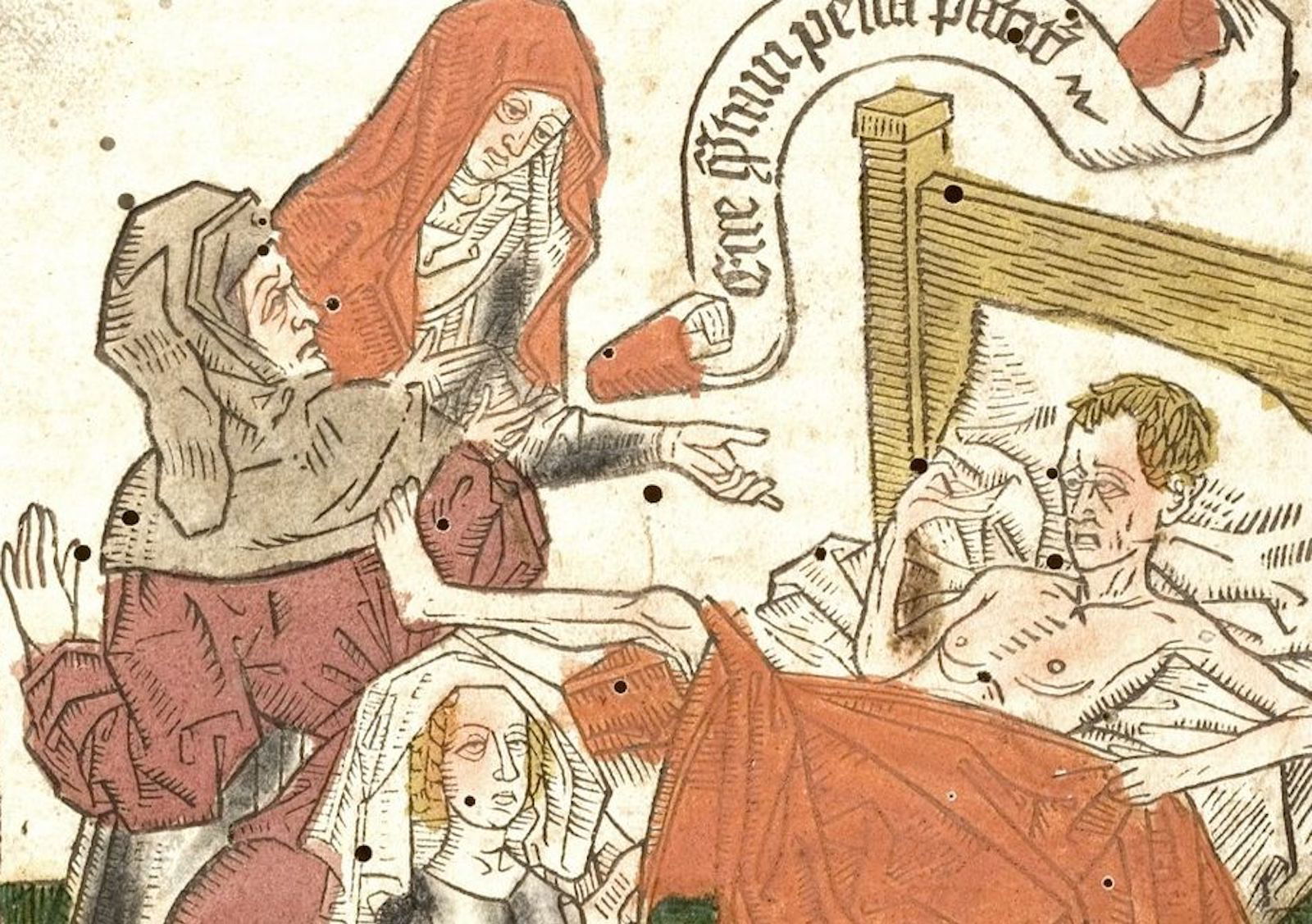
A healthy and productive populace was essential for the Crown’s revenue. Taxes, customs duties, and various feudal dues formed the backbone of royal income. When an epidemic struck, these revenue streams were directly threatened.
- Decreased Tax Base: The direct loss of life meant a reduction in the number of taxable individuals. Furthermore, widespread economic disruption and reduced agricultural output or trade volumes directly translated into lower tax yields from merchants, landowners, and urban centers.
- Administrative Costs: While nascent, the Crown did undertake some measures to contain outbreaks, particularly when they threatened the royal court or major cities. This included relocating the court, enforcing quarantines, and potentially funding limited relief efforts, all of which incurred unbudgeted expenses. Henry VII, for instance, famously relocated his court multiple times during outbreaks.
- Impact on Crown Loans: The Tudor monarchs frequently relied on loans from wealthy merchants and noblemen to finance wars or royal projects. An unstable economic environment, marked by sudden death and business failure, made these financiers more cautious, potentially increasing borrowing costs or limiting access to credit for the Crown.
Property and Inheritance: Financial Uncertainty
The rapid and indiscriminate nature of the Sweating Sickness created a peculiar kind of financial uncertainty surrounding property and inheritance. Unlike chronic illnesses where wills could be prepared or estates managed, the suddenness of death often left complex financial situations.
- Contested Estates: When multiple family members succumbed quickly, especially without clear wills, the rightful inheritance of land, money, and movable goods could become contentious. This often led to prolonged legal battles, consuming financial resources and tying up assets for years.
- Rapid Wealth Transfer: Conversely, the swift demise of entire family lines could lead to rapid transfers of wealth and property to distant relatives or the Crown (in cases of escheat, where no legal heir could be found). This could create sudden windfalls for some, while others faced unexpected losses if their customary inheritance was diverted.
- Impact on Land Ownership: The death of landowners, particularly those with complex feudal obligations or outstanding debts, could disrupt agricultural production and rent collection, further destabilizing local economies. Surviving tenants might find themselves dealing with new, unfamiliar landlords or facing uncertainty regarding their tenure.
Business Resilience and Adaptability in Crisis
Despite the devastating financial shocks, Tudor businesses and individuals demonstrated various forms of resilience and adaptation, highlighting early examples of risk management and business continuity strategies, albeit rudimentary.
Diversification and Geographic Spread
Wealthy merchants and landowners often held diverse portfolios, spreading their investments across different industries or geographic locations. This meant that if one area was hit by the sickness, not all their assets would be immediately at risk. For example, a merchant with interests in both domestic wool trade and international wine imports, and perhaps some landholdings, was less vulnerable than one solely focused on a local market.
Early Public Health Measures as Economic Stabilizers
While crude, some early public health measures had indirect economic benefits. The strict quarantines imposed on infected households, the efforts to clean streets (though often ineffective against the disease), and the flight of the court from London all aimed to contain the spread. From a financial perspective, containment, however imperfect, limited the geographic scope and duration of economic disruption, allowing some areas to remain productive. The wealthy, including the royal court, relocating to the countryside was a financial act of self-preservation, ensuring their own continued economic and political functioning.

The Role of Guilds and Community Support
Guilds, while primarily regulating trades, also offered some level of mutual support for their members. In times of crisis, they might have provided limited financial assistance to widows or orphans of deceased members, or helped to reorganise businesses whose masters had died. This rudimentary form of social security, however limited, helped prevent complete financial destitution for some, maintaining a minimal level of economic stability within their specific trades.
In conclusion, the Sweating Sickness was a recurring financial nightmare for Tudor England. Its rapid lethality created immediate and severe shocks to labor markets, trade, and royal revenues, challenging the economic stability of the era. While early modern society lacked the sophisticated financial tools and safety nets of today, the repeated outbreaks forced individuals, businesses, and the Crown to confront unprecedented economic risks, highlighting the critical interplay between public health and financial well-being in a developing nation.
aViewFromTheCave is a participant in the Amazon Services LLC Associates Program, an affiliate advertising program designed to provide a means for sites to earn advertising fees by advertising and linking to Amazon.com. Amazon, the Amazon logo, AmazonSupply, and the AmazonSupply logo are trademarks of Amazon.com, Inc. or its affiliates. As an Amazon Associate we earn affiliate commissions from qualifying purchases.