
Planning a trip to Hawaii involves more than just dreaming of pristine beaches; it requires careful financial strategizing, especially when it comes to your packing list. Every item you choose to bring, or not to bring, has a direct impact on your travel budget, from initial purchase costs to potential baggage fees and unforeseen expenses. Approaching your packing with a savvy financial mindset can significantly enhance your trip’s affordability and overall enjoyment, ensuring your focus remains on the aloha spirit rather than financial anxieties.
Strategic Spending on Travel Essentials
The cornerstone of financially smart packing begins long before your suitcase is even open. It involves a deliberate evaluation of what truly constitutes an “essential” for your Hawaiian adventure and how to acquire these items without breaking the bank.

The Cost-Benefit of Bringing vs. Buying
A common dilemma for travelers is deciding whether to pack an item or purchase it upon arrival. While the convenience of buying certain things at your destination might seem appealing, the financial implications often favor bringing them from home. For instance, sunscreen, basic toiletries, and certain over-the-counter medications are frequently sold at a premium in tourist-heavy locations like Hawaii. A bottle of reef-safe sunscreen that costs $10 at your local pharmacy might retail for $20 or more at a resort gift shop. Multiply this across several items, and the savings from packing these essentials can quickly add up.
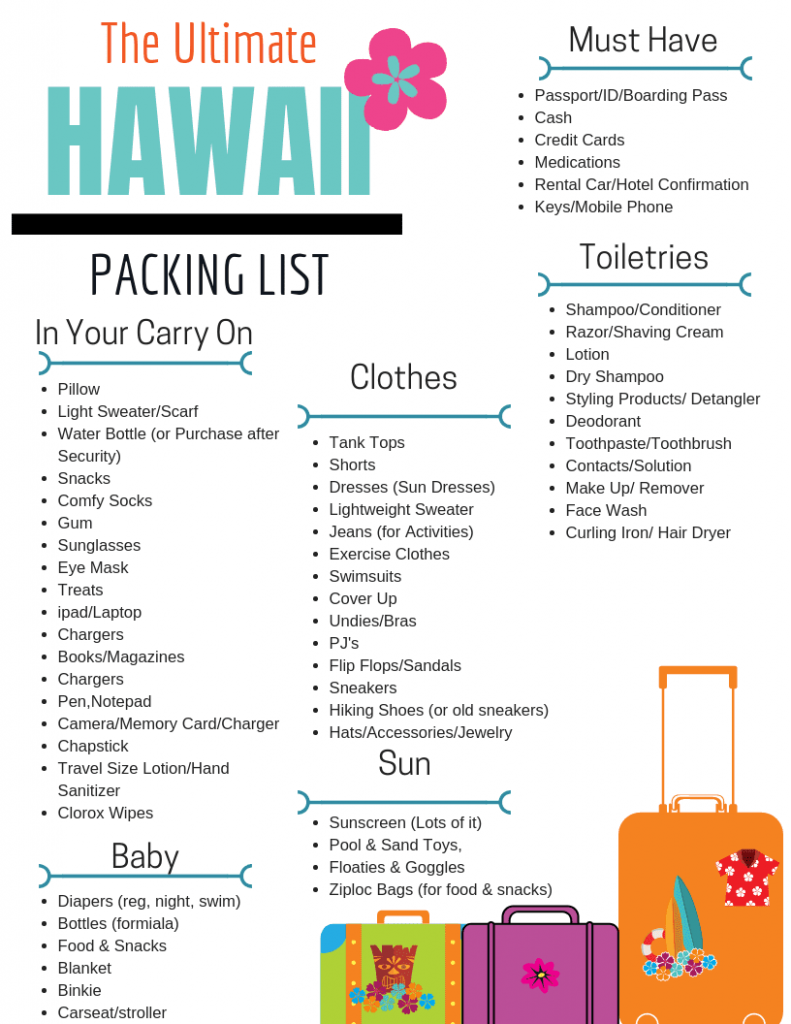
To make an informed decision, create a list of items you anticipate needing. For each item, research its average cost at home versus its likely price in Hawaii. Consider bulky or heavy items carefully; if an item’s cost-per-ounce is low and it significantly contributes to overweight baggage fees, buying it locally might be more cost-effective. However, for most personal care products, small electronics, and basic apparel, purchasing in advance and packing them usually represents a significant financial advantage. This strategy minimizes impulse buys driven by immediate need and helps you adhere to your pre-trip budget.
Multi-functional Items: Your Budget’s Best Friend
Optimizing your packing list by including multi-functional items is a powerful financial tactic. Each item that serves multiple purposes reduces the need to purchase additional specialized gear, saving both money and luggage space.
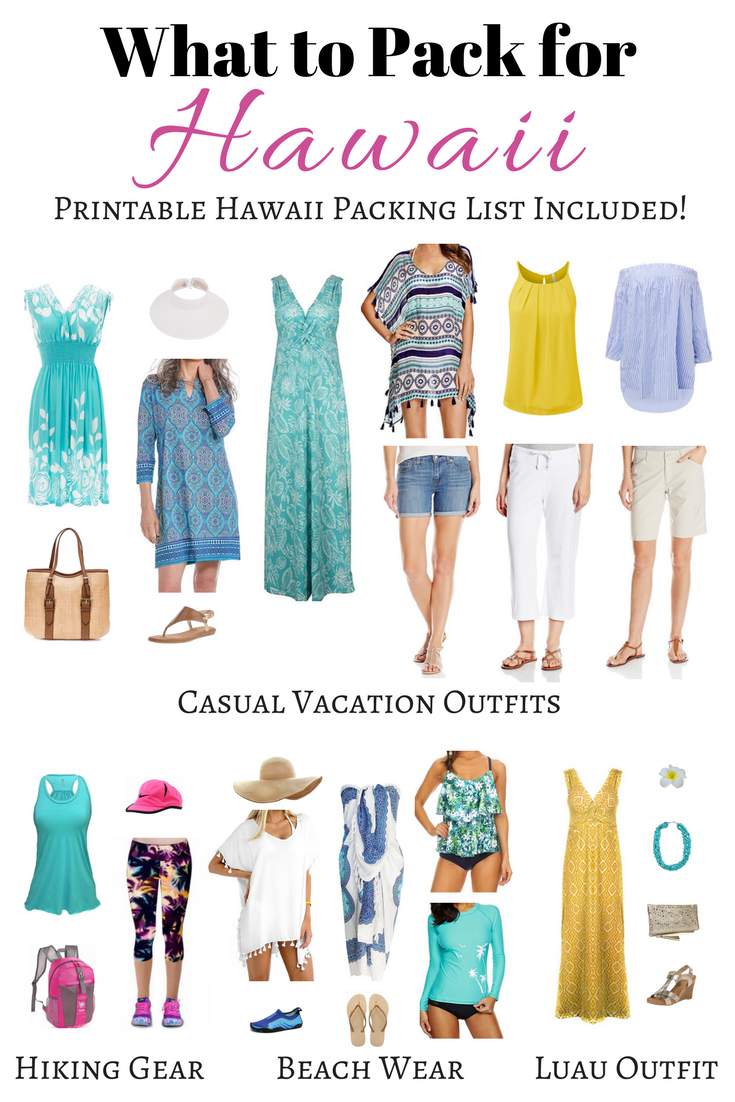
Consider apparel: a quick-drying sarong can double as a beach towel, a stylish cover-up, a picnic blanket, or even an impromptu market bag. A pair of comfortable, water-resistant sandals can transition from beachwear to casual dinner attire. For electronics, a portable power bank that charges multiple devices eliminates the need for separate chargers for your phone, e-reader, and wireless earbuds. Similarly, a universal travel adapter can service all your international electronic needs, rather than buying country-specific adapters at each new stop.
Investing in high-quality, versatile pieces initially might seem like a higher upfront cost, but their durability and adaptability often yield long-term savings by reducing the frequency of replacements and the need for single-use items. This approach not only streamlines your packing process but also embodies a financially prudent and sustainable travel philosophy.
Navigating Luggage Fees and Overpacking Costs
Airline baggage fees can quickly inflate your travel budget if not managed carefully. Understanding airline policies and adopting smart packing strategies are crucial for avoiding these often-steep surcharges.
Weighing Your Options (Literally)
Before you even start packing, familiarize yourself with your chosen airline’s baggage allowance policies for both checked and carry-on luggage. Pay close attention to weight limits, as overweight bag fees can be significantly higher than standard checked bag fees. For example, some airlines charge an extra $100-$200 for bags exceeding the standard 50 lbs (23 kg) limit.
To prevent sticker shock at the airport, invest in a portable luggage scale. These inexpensive gadgets allow you to weigh your bags at home, giving you ample opportunity to redistribute items or remove non-essentials to stay within limits. If you anticipate needing extra luggage, consider pre-paying for checked bags online, as these fees are almost always lower than paying at the airport counter. For those traveling with specific gear, such as surfing equipment or golf clubs, research specialized baggage rates in advance, as these often have different rules and costs. Factoring these potential fees into your overall travel budget upfront prevents unpleasant surprises and keeps your financial planning on track.
Smart Packing to Avoid Surcharges
Beyond simply weighing your bags, strategic packing techniques can help you avoid fees and make the most of your allowance. Employ methods like rolling clothes tightly or using compression packing cubes to maximize space and minimize bulk. While these methods don’t reduce weight, they can allow you to fit more items into a single bag, potentially reducing the need for an additional checked bag.
Consider what you wear on the plane. Wearing your heaviest or bulkiest items, such as hiking boots or a jacket, rather than packing them, effectively reduces the weight and volume in your luggage. For valuable or essential items, like medications, travel documents, and a change of clothes, always pack them in your carry-on bag. This strategy not only safeguards against lost luggage but can also save you money in an emergency by preventing the need for immediate, expensive replacements.
Furthermore, leveraging airline loyalty programs or travel credit cards that offer free checked bags can provide substantial savings. The annual fee for such a card might be offset by the savings on just one round-trip flight for a family, making it a sound financial decision for frequent travelers.
Securing Your Finances While Abroad
While packing physical items is important, protecting your financial assets and preparing for potential monetary emergencies are equally critical components of a financially sound trip to Hawaii.
Protecting Your Digital and Physical Wallet
Traveling exposes you to unique financial risks, from petty theft to credit card fraud. To safeguard your physical wallet, avoid carrying excessive amounts of cash. Rely primarily on a travel-friendly credit card with no foreign transaction fees and a robust fraud protection policy. Inform your bank and credit card companies of your travel dates to prevent your cards from being flagged for suspicious activity and frozen. Carry a secondary payment method, such as a debit card or a different credit card, stored separately from your primary wallet, as an emergency backup.
For digital security, ensure all your devices are password-protected. Utilize secure Wi-Fi networks (avoiding public, unsecured networks for sensitive transactions) or consider a personal mobile hotspot. Be wary of phishing attempts or scams targeting tourists. Financial tools like mobile banking apps can be invaluable for monitoring your accounts in real-time and quickly reporting any unauthorized activity. Consider setting up transaction alerts to receive immediate notifications of purchases, providing an extra layer of security.
The Value of Travel Insurance
Many travelers view travel insurance as an optional luxury, but from a financial perspective, it’s a crucial component of risk management. A medical emergency, trip interruption, or lost luggage can lead to substantial, unforeseen expenses that can dwarf the cost of an insurance policy.
For a trip to Hawaii, medical emergencies are a primary concern. While your domestic health insurance might offer some coverage, it often has limitations or high deductibles for out-of-state or international incidents. Travel insurance can cover emergency medical treatment, emergency evacuation, and even dental emergencies, preventing potentially catastrophic medical bills.
Beyond health, consider coverage for trip cancellation or interruption. Unexpected events—a sudden illness, a family emergency, or severe weather—can force you to cancel or cut short your trip. Travel insurance can reimburse non-refundable expenses like flights, accommodations, and pre-paid tours. It also typically includes coverage for lost, delayed, or damaged luggage, providing financial compensation for items that need to be replaced. Carefully review policy details to understand what is covered, deductibles, and claim procedures. While an upfront cost, the peace of mind and financial protection offered by travel insurance are often invaluable, representing a wise investment against potential financial setbacks.
Leveraging Financial Tools for Seamless Travel
In the digital age, a range of financial tools can help you manage your money effectively while traveling, ensuring you stay within budget and make smart spending decisions in Hawaii.
Budgeting Apps for On-the-Go Expense Tracking
Maintaining a clear picture of your spending is paramount for financially responsible travel. Numerous budgeting apps can be invaluable for this purpose. Apps like Mint, YNAB (You Need A Budget), or specific travel budget apps allow you to categorize expenses, set spending limits for different categories (e.g., dining, activities, souvenirs), and track your remaining budget in real-time.
Before your trip, input your pre-determined budget. As you spend, log each transaction. Many apps can link directly to your bank accounts and credit cards, automating much of this process, though manual entry for cash transactions is often necessary. Regularly reviewing your spending helps identify areas where you might be overspending and allows you to adjust your financial behavior proactively. This discipline ensures you don’t return home to an unexpected credit card bill, keeping your Hawaiian memories untainted by financial regret.
Smart Payment Methods and Currency Exchange
While Hawaii uses the U.S. dollar, understanding optimal payment methods remains financially crucial. Relying on credit cards with no foreign transaction fees is generally recommended for most purchases. These cards save you 2-3% on every transaction compared to cards that charge such fees.
For cash withdrawals, use debit cards from major banks at ATMs within reputable bank branches, as these often offer better exchange rates and lower fees than independent ATMs or currency exchange kiosks. Always decline the ATM’s offer to convert the transaction to your home currency (Dynamic Currency Conversion); instead, opt to be charged in the local currency (USD) to ensure you receive your bank’s often more favorable exchange rate.
Consider pre-loading a travel money card, which can lock in exchange rates and provide an extra layer of security by isolating travel funds from your main bank accounts. For peer-to-peer payments or splitting costs with travel companions, apps like Venmo or PayPal can be useful, though be mindful of any associated fees for transfers or international usage if applicable. By strategically choosing your payment methods, you can minimize fees, secure better exchange rates, and keep more money in your pocket for enjoying the beauty of Hawaii.
aViewFromTheCave is a participant in the Amazon Services LLC Associates Program, an affiliate advertising program designed to provide a means for sites to earn advertising fees by advertising and linking to Amazon.com. Amazon, the Amazon logo, AmazonSupply, and the AmazonSupply logo are trademarks of Amazon.com, Inc. or its affiliates. As an Amazon Associate we earn affiliate commissions from qualifying purchases.