
Switzerland, a nation synonymous with precision, quality, and breathtaking landscapes, often conjures images of pristine watches, decadent chocolates, and formidable mountains. For the financially savvy traveler or investor, however, the question “what to buy in Switzerland” transcends mere consumerism, delving into aspects of value, long-term investment, and astute financial planning. Navigating the Swiss marketplace requires an understanding of its unique economic landscape, where premium pricing often reflects unparalleled craftsmanship and durability. This guide aims to orient your purchasing decisions through a financial lens, ensuring every franc spent contributes to a wise and rewarding acquisition.

Navigating Swiss Purchases: A Financial Perspective
Embarking on a shopping journey in Switzerland necessitates a clear financial strategy. The country’s strong economy and high cost of living translate into prices that can surprise the unprepared. Understanding the nuances of the Swiss Franc and budgeting effectively are paramount to making financially sound decisions.
Understanding the Swiss Franc and Cost of Living
The Swiss Franc (CHF) is renowned as a safe-haven currency, reflecting Switzerland’s economic stability. This strength often means goods and services appear more expensive when converted from other currencies. Switzerland consistently ranks among the most expensive countries globally, a reality that impacts everything from a cup of coffee to a luxury timepiece. For the discerning buyer, this high baseline cost underscores the importance of intentional purchasing. Every acquisition should be weighed against its perceived value, quality, and longevity, rather than an impulsive decision. A seemingly higher price tag for a Swiss-made item often reflects superior materials, meticulous craftsmanship, and ethical production standards, factors that contribute to a product’s enduring financial and functional value.
Budgeting for Your Swiss Shopping Spree
Effective budgeting is the cornerstone of any successful financial plan, and shopping in Switzerland is no exception. Before you even set foot in a boutique or market, delineate a clear budget for different categories of purchases. Distinguish between essential items, desired souvenirs, and potential investments. For instance, if a high-end watch is on your radar, allocate a significant portion of your budget to it, understanding that this is a long-term asset rather than a fleeting acquisition. Conversely, for items like chocolates or local crafts, set a more modest limit to avoid overspending on consumables. Always factor in currency exchange rates and any potential transaction fees from your bank or credit card provider, as these can subtly erode your budget if overlooked. Utilize financial tracking apps or a simple spreadsheet to monitor your spending in real-time, ensuring you remain within your predefined limits.
Payment Methods and Financial Security
While cash (CHF) is widely accepted, credit and debit cards are universally preferred for convenience and security. Most major credit cards (Visa, Mastercard, American Express) are accepted, but it’s crucial to be aware of foreign transaction fees imposed by your card issuer. These fees, typically 1-3% of the transaction value, can add up quickly. Consider using a travel-specific credit card that waives foreign transaction fees or opt for services like Wise (formerly TransferWise) or Revolut, which offer favorable exchange rates and lower fees. When using cards, always choose to pay in Swiss Francs (CHF) if offered the option to pay in your home currency; dynamic currency conversion often provides less favorable exchange rates. Furthermore, exercise vigilance against ATM skimming and keep your financial information secure, especially when shopping online or in busy tourist areas.
Investing in Swiss Quality: Purchases with Lasting Value
Switzerland’s reputation for quality is not merely a marketing slogan; it’s a testament to centuries of dedication to precision, durability, and innovation. Many Swiss products transcend mere purchases, becoming genuine investments that hold or even appreciate in value over time.
The Enduring Allure of Swiss Watches
Swiss watches stand as the quintessential example of a purchase that can double as a valuable investment. Brands like Rolex, Patek Philippe, Audemars Piguet, Omega, and Cartier are not just timepieces; they are wearable assets. Their value is rooted in intricate mechanical movements, heritage, brand prestige, and often limited production runs. When considering a Swiss watch as an investment, focus on classic models from established brands, preferably those with a strong secondary market. Research their historical appreciation rates and understand the factors that drive their value (e.g., rarity, condition, original box and papers). Purchasing certified pre-owned watches from reputable dealers can also be a financially astute move, allowing access to high-value pieces at a potentially lower entry point than new models, with established provenance. A watch bought wisely can serve as both a statement piece and a tangible asset that diversifies a personal investment portfolio.
Precision Instruments and Craftsmanship
Beyond watches, Switzerland excels in producing a range of precision instruments that offer exceptional long-term value. Victorinox Swiss Army knives, for instance, are globally recognized for their quality, utility, and durability. While not a high-value investment in the same vein as a luxury watch, a genuine Victorinox knife is a purchase that offers decades of reliable service, effectively negating the need for frequent replacements of inferior tools. Similarly, high-end Swiss stationery, certain professional tools, or even meticulously crafted kitchenware can represent a financially intelligent purchase. These items, though pricier upfront, boast superior longevity and performance, translating into lower total cost of ownership over their lifespan and a reduced likelihood of needing premature replacement.
Art and Antiques: A Niche Investment

For those with a more specialized financial interest, the Swiss art and antiques market offers opportunities. Switzerland hosts numerous prestigious art fairs and galleries, particularly in cities like Basel and Zurich. Investing in Swiss art, be it paintings, sculptures, or unique decorative pieces, requires considerable research, expert consultation, and a deep understanding of market trends. Like any art investment, provenance, authenticity, and the artist’s reputation are critical determinants of value. Antiques, particularly those with a demonstrable historical connection to Switzerland or rare craftsmanship, can also appreciate. This is a higher-risk, higher-reward area that demands significant financial due diligence and is best approached with guidance from trusted advisors.
Smart Spending Strategies: Maximizing Value for Your Franc
Even when investing in quality, smart spending strategies can significantly enhance the financial wisdom of your purchases in Switzerland. Every franc saved is a franc earned, and several mechanisms exist to optimize your outlay.
The Power of VAT Refunds for Non-Residents
One of the most significant financial advantages for non-resident visitors is the possibility of claiming a Value Added Tax (VAT/Mehrwertsteuer/TVA) refund. Switzerland’s VAT rate is 8.1% (as of 2024), which can be a substantial saving on high-value items. To qualify, you must typically spend a minimum amount (currently CHF 300 per store, though this can vary) and export the goods from Switzerland within 30 days. The process involves requesting a tax-free form at the point of purchase, having it stamped by customs at the airport or border upon departure, and then submitting it for a refund. Many luxury boutiques and department stores offer instant refund services or partnerships with tax refund companies, though these often come with a service fee. Always keep receipts, ensure the forms are correctly filled out, and allocate sufficient time at your departure point for the customs process. This strategy effectively reduces the net cost of your Swiss purchases.
Comparing Prices and Hunting for Deals
While Switzerland isn’t famed for its bargain-basement prices, savvy shoppers can still find better value. For high-end items, compare prices across different authorized retailers. Sometimes, a smaller boutique might offer a slightly better deal or more personalized service that adds value. Duty-free shops at airports, while convenient, are not always the cheapest option; always compare prices with downtown retailers. For everyday items and even some quality souvenirs, consider local markets (e.g., Zurich’s Bürkliplatz market) or co-op/Migros supermarkets rather than tourist traps. Off-season sales, particularly after major holidays or in January/July, can also present opportunities for reduced prices on apparel and other goods. Researching typical prices online before your trip can give you a baseline and prevent overpaying.
The Value of Authenticity and Provenance
In a market saturated with imitations, the authenticity and provenance of Swiss goods are paramount, not just for quality but for financial integrity. A genuine Swiss-made product comes with guarantees of origin, ethical production, and often, extensive warranties that protect your investment. Purchasing from authorized dealers or directly from brand boutiques mitigates the risk of acquiring counterfeit goods, which have no financial value and can lead to disappointment. The higher initial cost for an authentic item is a long-term financial saving, as it avoids the need to replace inferior products and ensures you possess a legitimate piece of Swiss craftsmanship. Always request official documentation, such as warranty cards, certificates of authenticity, and receipts, as these are crucial for resale value and future servicing.
Local Delights & Financial Sense: Food, Souvenirs, and Experiences
Switzerland’s culinary and experiential offerings are as much a part of its charm as its precision goods. Approaching these with a financial mindset ensures enjoyment without unwarranted expenditure.
Savvy Spending on Swiss Chocolates and Cheeses
Swiss chocolate and cheese are essential purchases, but smart choices can prevent overspending. Rather than buying mass-produced chocolates from airport stores, seek out artisanal chocolatiers. These often offer superior quality and unique flavors, providing better value for a connoisseur, even if the per-gram price is higher. Buying smaller, exquisite selections from places like Sprüngli or local patisseries can be more financially prudent and enjoyable than large quantities of lower-quality chocolate. For cheese, explore local markets where you can sample and buy direct from producers. This often yields fresher, higher-quality products at potentially better prices than tourist-focused shops. Focus on regional specialties and consider smaller portions of premium varieties for a rich experience without excessive cost.
Thoughtful Souvenirs: Beyond the Tourist Trap
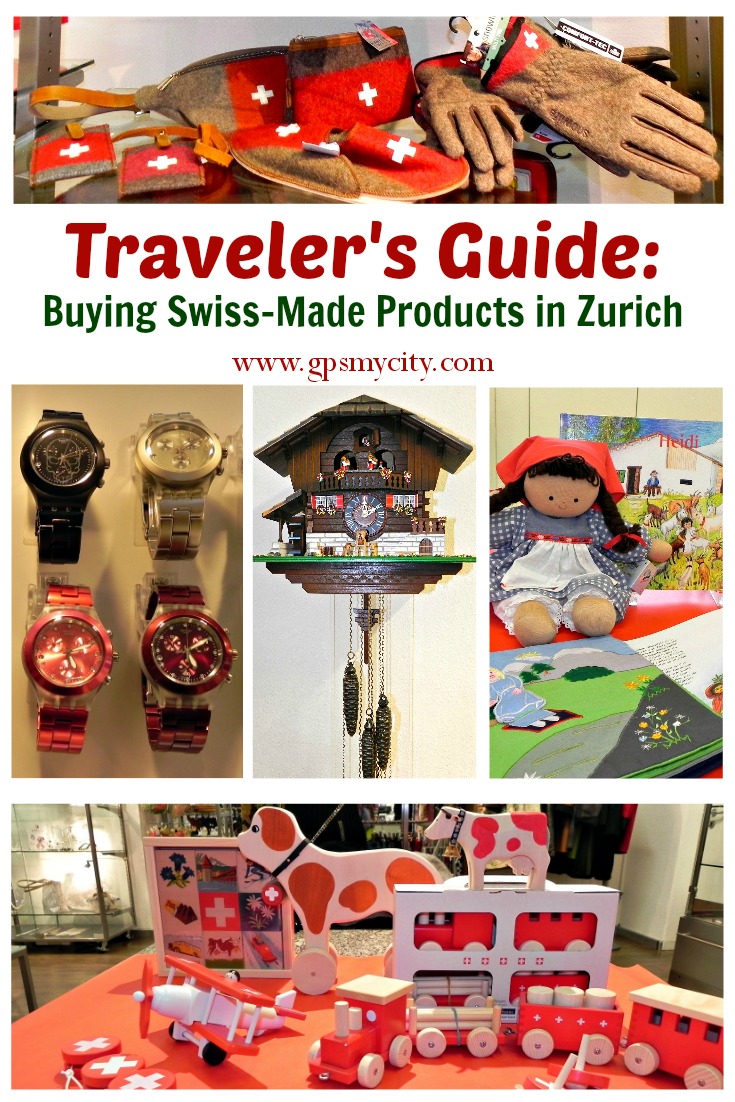
The souvenir market is often a minefield of overpriced, generic items. Instead of generic trinkets, focus on souvenirs that offer lasting sentimental value or genuine utility, reflecting Swiss craftsmanship without being excessively luxurious. High-quality Swiss kitchen towels, beautifully printed postcards, local art prints, or even a small, well-crafted wooden toy can serve as more meaningful and financially sound mementos. Consider items made by local artisans, as these often support the local economy directly and offer unique character. A small, genuine piece of local craft often holds more value and appeal than an expensive, mass-produced item with little connection to Swiss heritage.
Optimizing Your Experience Budget
While not a physical item, experiences like scenic train rides, museum entries, and mountain excursions are significant purchases in Switzerland. Optimize your budget by considering passes like the Swiss Travel Pass. This single ticket provides unlimited travel on trains, buses, and boats, as well as free entry to over 500 museums and discounts on mountain excursions. For a multi-day stay involving extensive travel, such a pass can represent significant financial savings compared to purchasing individual tickets. Plan your itinerary to group attractions geographically, minimizing travel time and maximizing the value of your pass. Investing in well-planned experiences ensures you gain rich memories and cultural insights without feeling financially strained.
aViewFromTheCave is a participant in the Amazon Services LLC Associates Program, an affiliate advertising program designed to provide a means for sites to earn advertising fees by advertising and linking to Amazon.com. Amazon, the Amazon logo, AmazonSupply, and the AmazonSupply logo are trademarks of Amazon.com, Inc. or its affiliates. As an Amazon Associate we earn affiliate commissions from qualifying purchases.