
The quest for materials that can absorb maximum impact is a perpetual challenge at the heart of technological innovation. From protecting delicate electronics to safeguarding human lives, the ability of a material to dissipate kinetic energy without catastrophic failure is a critical design parameter. This isn’t just about hardness; it’s a complex interplay of material science, structural engineering, and the principles of energy transfer. Understanding the vanguard of impact-absorbing materials requires delving into their unique compositions and the advanced technological applications they enable.
The Engineering Marvel of Impact Absorption
Impact absorption is fundamentally about converting destructive kinetic energy into other forms of energy, such as heat or elastic deformation, or by distributing it over a larger area and longer time. The ideal impact-absorbing material possesses a combination of properties: high energy absorption capacity, resilience (ability to return to its original shape), and often, a low density. Engineers evaluate materials based on factors like tensile strength, compressive strength, toughness, and Young’s modulus, but also more specialized metrics like specific energy absorption (SEA) and damping coefficient.
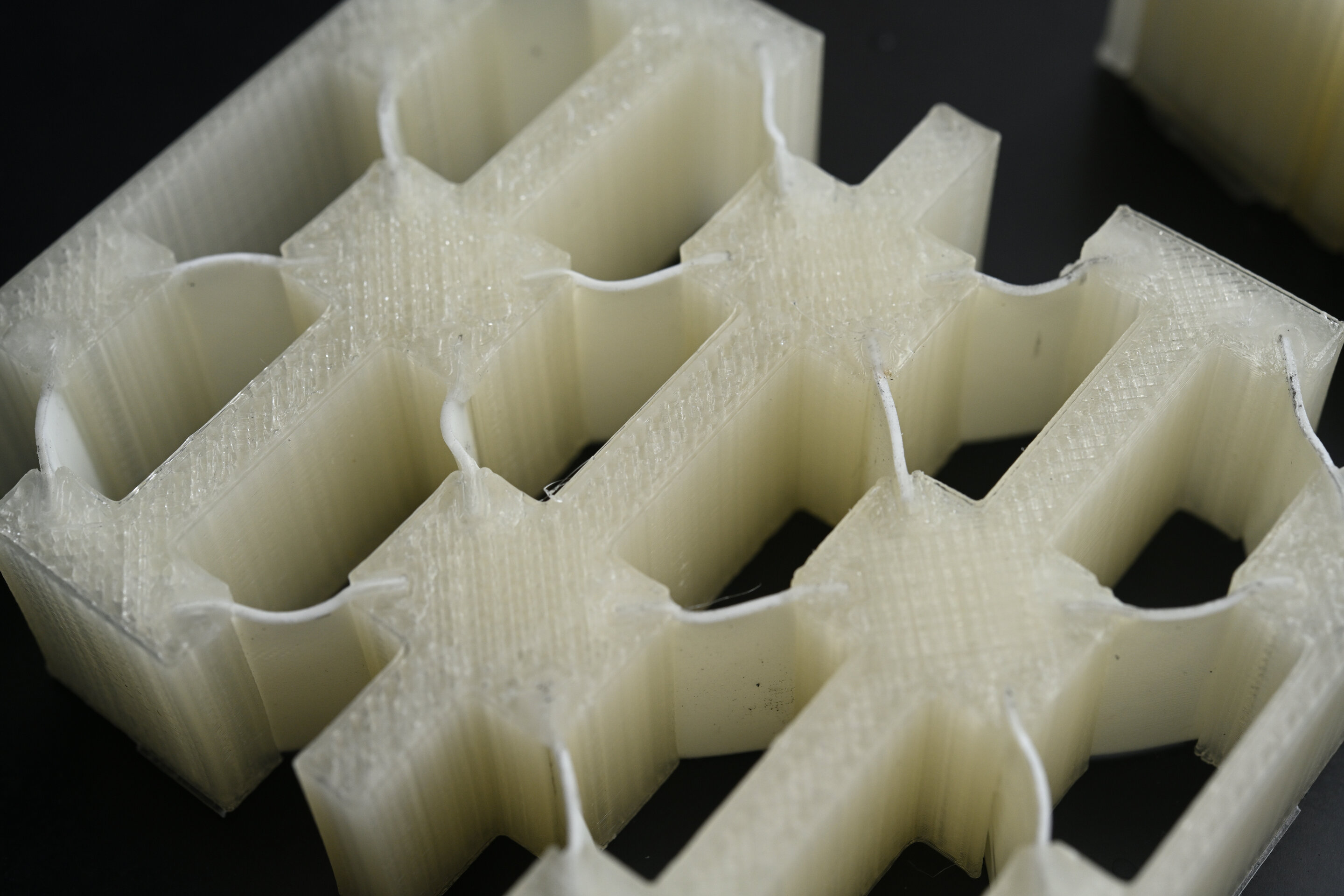
The mechanisms vary widely. Some materials, like certain foams, absorb impact by crushing or deforming plastically, irreversibly changing their structure. Others, like viscoelastic polymers, deform elastically, storing and then slowly releasing the energy as heat. Shear-thickening fluids, on the other hand, react to sudden stress by becoming temporarily rigid, distributing the force. The choice of material depends heavily on the specific application: Is it a one-time impact event (like a car crash) or repetitive minor impacts (like a sports shoe sole)? Does it need to be lightweight? Is transparency required? These questions drive the material selection process in countless tech sectors.
Current Champions in Tech Protection
For decades, various materials have been engineered and refined to excel in impact absorption, finding their way into consumer electronics, protective gear, and automotive safety systems.
Advanced Foams and Cellular Structures
One of the most common and effective approaches involves foams, which absorb energy by crushing or compressing.
- Expanded Polystyrene (EPS) and Polypropylene (EPP): Widely used in helmets, car bumpers, and packaging, these lightweight, cellular plastics deform permanently upon impact, dissipating energy efficiently. Their open or closed-cell structures allow for significant compression before bottoming out.
- Viscoelastic Foams (Memory Foam): These specialized polyurethane foams offer a balance of energy absorption and slow recovery. While not ideal for high-speed, sharp impacts, they excel at distributing pressure and dampening vibrations, making them crucial for ergonomic seating, mattress technology, and some protective padding where comfort and sustained pressure distribution are key.
High-Performance Polymers and Composites
Beyond simple foams, engineered polymers and composite materials offer superior strength-to-weight ratios and tailored impact resistance.
- Polyurethane (PU): Often found in various densities, PU is incredibly versatile. Its elastomeric properties allow it to absorb and dissipate energy through elastic deformation, making it popular in footwear, automotive components, and protective coatings. Some advanced PU formulations exhibit superior shock absorption without excessive bulk.
- D3O: A prime example of a non-Newtonian, shear-thickening material. In its relaxed state, D3O molecules flow freely, making it soft and flexible. Upon impact, the molecules lock together, forming a rigid barrier that instantly disperses the energy before returning to its pliable state. This smart material is revolutionizing protective gear for athletes, motorcyclists, and increasingly, ruggedized electronic cases and personal tech accessories.
- Carbon Fiber Reinforced Polymers (CFRP): While renowned for their stiffness and light weight, carbon fiber composites can be engineered for impact absorption, particularly in applications like aerospace and high-performance sports equipment. The careful layering and resin choice can allow for delamination and fiber breakage, which are controlled energy dissipation mechanisms during extreme impact events, preventing catastrophic failure.
- Kevlar (Aramid Fibers): Best known for ballistic protection, Kevlar’s high tensile strength allows it to catch and spread the energy of a projectile over a wider area. In many applications, it’s woven into layers or combined with other materials to create robust, lightweight impact-resistant structures, from bulletproof vests to aerospace components and speaker cones.
Next-Generation Materials: The Future of Durability
The cutting edge of materials science promises even more revolutionary impact absorption capabilities, driven by advancements in nanotechnology and metamaterials.
Nanomaterials and Ultralight Structures
- Aerogels: Often dubbed “frozen smoke,” aerogels are among the lightest solid materials known. Their incredibly porous structure, with up to 99.8% air by volume, makes them excellent thermal insulators and surprisingly effective impact absorbers, as their intricate network can collapse and deform, dissipating energy across vast internal surface areas. Their application in ultra-lightweight protective components is an active area of research.
- Graphene and Carbon Nanotubes (CNTs): These carbon-based nanomaterials possess extraordinary strength and flexibility. Graphene, a single layer of carbon atoms arranged in a hexagonal lattice, is 200 times stronger than steel by weight. When integrated into composites or structured foams, graphene and CNTs can significantly enhance impact resistance, offering superior strength and energy dissipation at a fraction of the weight of traditional materials. Imagine phone screens that are virtually uncrackable or drone frames that shrug off high-speed collisions.
- Boron Nitride Nanotubes (BNNTs): Similar in structure to CNTs but with boron and nitrogen atoms, BNNTs exhibit superior thermal stability and neutron absorption properties, in addition to excellent mechanical strength. Research suggests BNNTs could lead to advanced lightweight composites with unprecedented impact resistance for aerospace and defense applications.
Smart Materials and Metamaterials
- Shear-Thickening Fluids (STFs): Like D3O, these non-Newtonian fluids can be incorporated into fabrics or layers to create “smart armor” that remains flexible until impact. Research continues into optimizing their properties for broader use in wearables and vehicle protection systems.
- Auxetic Materials: These counter-intuitive materials become thicker perpendicularly when stretched, unlike most materials which become thinner. This property allows them to absorb energy more efficiently and distribute impact forces over a wider area, leading to improved penetration resistance and fracture toughness. Think of next-generation knee pads or helmet liners that actively compress around an impact point.
- Acoustic Metamaterials: These engineered structures can manipulate sound and vibration waves in ways natural materials cannot. By designing specific internal geometries, metamaterials can absorb or reflect specific frequencies, potentially leading to ultra-efficient vibration dampening and impact absorption that is tunable to the type of force applied. This has implications for noise reduction in vehicles, architectural acoustics, and impact protection.
Impact Absorption in Action: From Gadgets to Infrastructure
The application of these materials spans a vast range of technological sectors, each with unique demands for impact resistance.
Consumer Electronics and Wearables
The miniaturization of electronics necessitates robust protection. High-performance polymers, composite cases, and even internal shock-absorbing structures protect smartphones, smartwatches, and laptops from drops. Flexible displays and new encapsulation techniques utilize advanced materials to prevent cracking and internal damage, extending device lifespan and reducing electronic waste. Future developments include self-healing materials for device surfaces and internal components designed to flex rather than break under stress.
Automotive and Aerospace Technology
Vehicle safety relies heavily on impact absorption. Modern car crumple zones are precisely engineered with high-strength steels and aluminum alloys, alongside various foams and composites designed to deform in a controlled manner, absorbing crash energy before it reaches the occupants. In aerospace, lightweight composites are critical for structural integrity and passenger safety during turbulent flight or unexpected impacts, balancing performance with fuel efficiency. Electric vehicles, with their heavy battery packs, present new challenges, driving innovation in battery housing impact protection.
Sports, Recreation, and Defense
Helmets, body armor, and athletic footwear are prime examples of personal protection relying on sophisticated material science. From multi-density foams in cycling helmets to D3O in ski jackets and viscoelastic gels in running shoes, the goal is to cushion falls, mitigate concussions, and enhance performance by reducing fatigue from micro-impacts. In defense, advanced composites and smart materials are constantly being developed for lightweight, flexible body armor that offers superior protection against ballistic threats and blunt force trauma.
Designing for Resilience: The Role of AI and Advanced Manufacturing
The development of impact-absorbing materials is no longer solely a process of trial and error. Artificial intelligence, machine learning, and advanced manufacturing techniques are accelerating innovation.
AI-Driven Material Design
AI algorithms can explore vast chemical and structural design spaces much faster than human researchers. By simulating millions of permutations of molecular structures, composite layups, and cellular geometries, AI can predict material properties and identify optimal compositions for specific impact scenarios. This accelerates the discovery of novel materials with unprecedented impact absorption capabilities, tailored to exact specifications for weight, strength, and energy dissipation.

Additive Manufacturing (3D Printing)
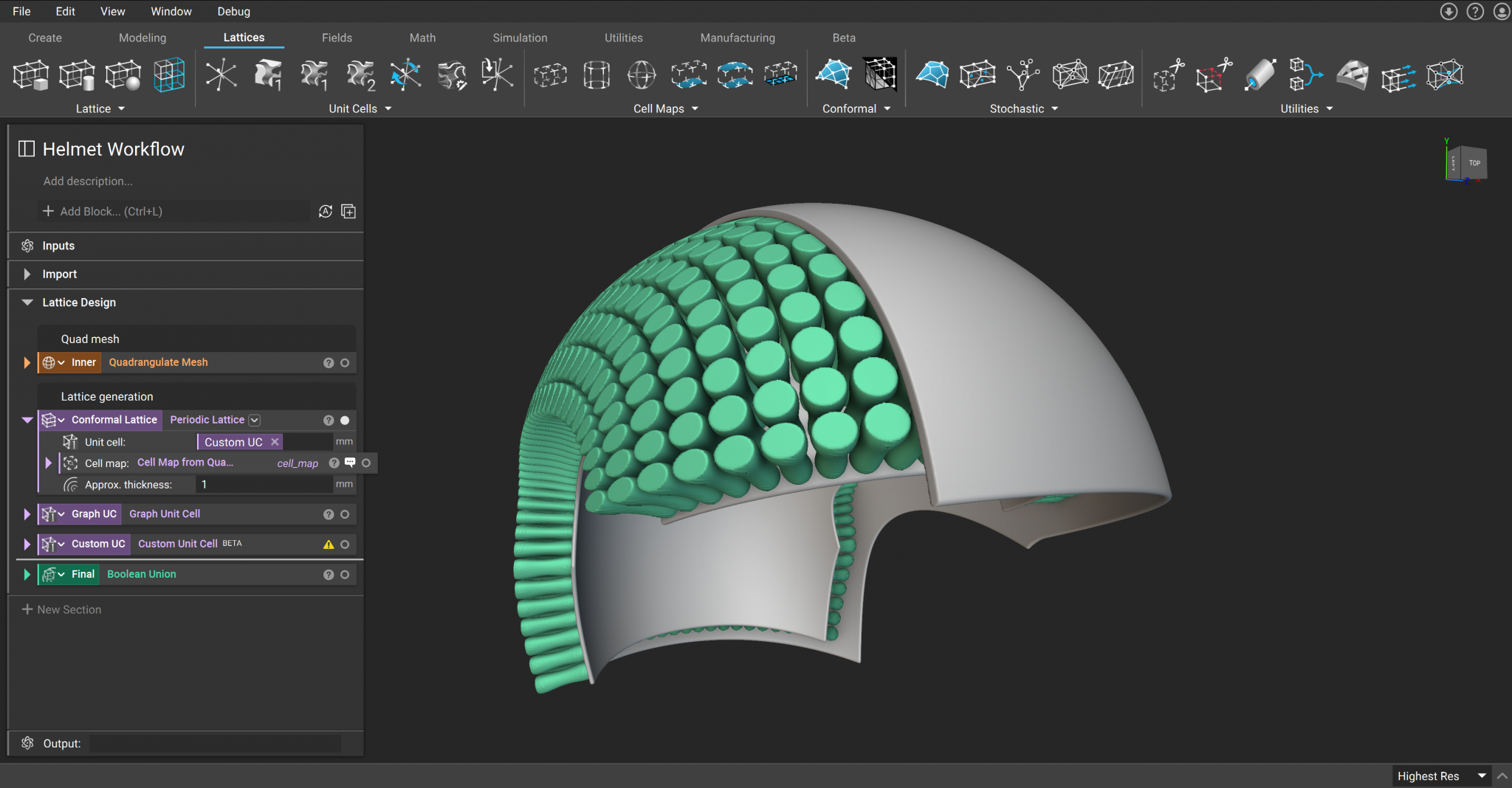
3D printing allows for the creation of complex, customized internal structures that are impossible with traditional manufacturing. This includes lattice structures, auxetic geometries, and multi-material composites, all designed to maximize energy absorption. Imagine helmets custom-printed to the individual’s head shape with an internal structure optimized for their specific sport, or drone frames with impact zones designed at a microscopic level to dissipate forces from specific impact angles. This level of customization and precision is transforming product design from consumer goods to industrial components.
The pursuit of materials that absorb the most impact is a dynamic field, constantly pushing the boundaries of what is possible. As technology advances, we can expect to see lighter, stronger, smarter, and more sustainable solutions emerge, fundamentally changing how we protect ourselves and our valuable innovations from the inevitable forces of collision.
aViewFromTheCave is a participant in the Amazon Services LLC Associates Program, an affiliate advertising program designed to provide a means for sites to earn advertising fees by advertising and linking to Amazon.com. Amazon, the Amazon logo, AmazonSupply, and the AmazonSupply logo are trademarks of Amazon.com, Inc. or its affiliates. As an Amazon Associate we earn affiliate commissions from qualifying purchases.