
Rum, at its core, is a spirit distilled from sugarcane by-products, primarily molasses or sugarcane juice. Yet, this simple definition barely scratches the surface of what makes rum a distinct and compelling brand in the global spirits market. Its identity is a tapestry woven from historical narratives, geographical influences, intricate production methods, and diverse flavor profiles, all contributing to a rich and multifaceted brand presence. Understanding “what makes rum rum” is to understand its unique brand architecture, its positioning, and its enduring appeal to consumers worldwide.
The Legacy and Terroir of Rum’s Identity
The brand identity of rum is inextricably linked to its origins. Born from the sugarcane plantations of the Caribbean and the Americas, rum carries a legacy of colonial history, trade routes, and cultural amalgamation. This heritage isn’t just a historical footnote; it’s a foundational element of its brand narrative, offering depth, authenticity, and a sense of place that contemporary brands often strive to emulate.
Sugarcane: The Foundation of Flavor
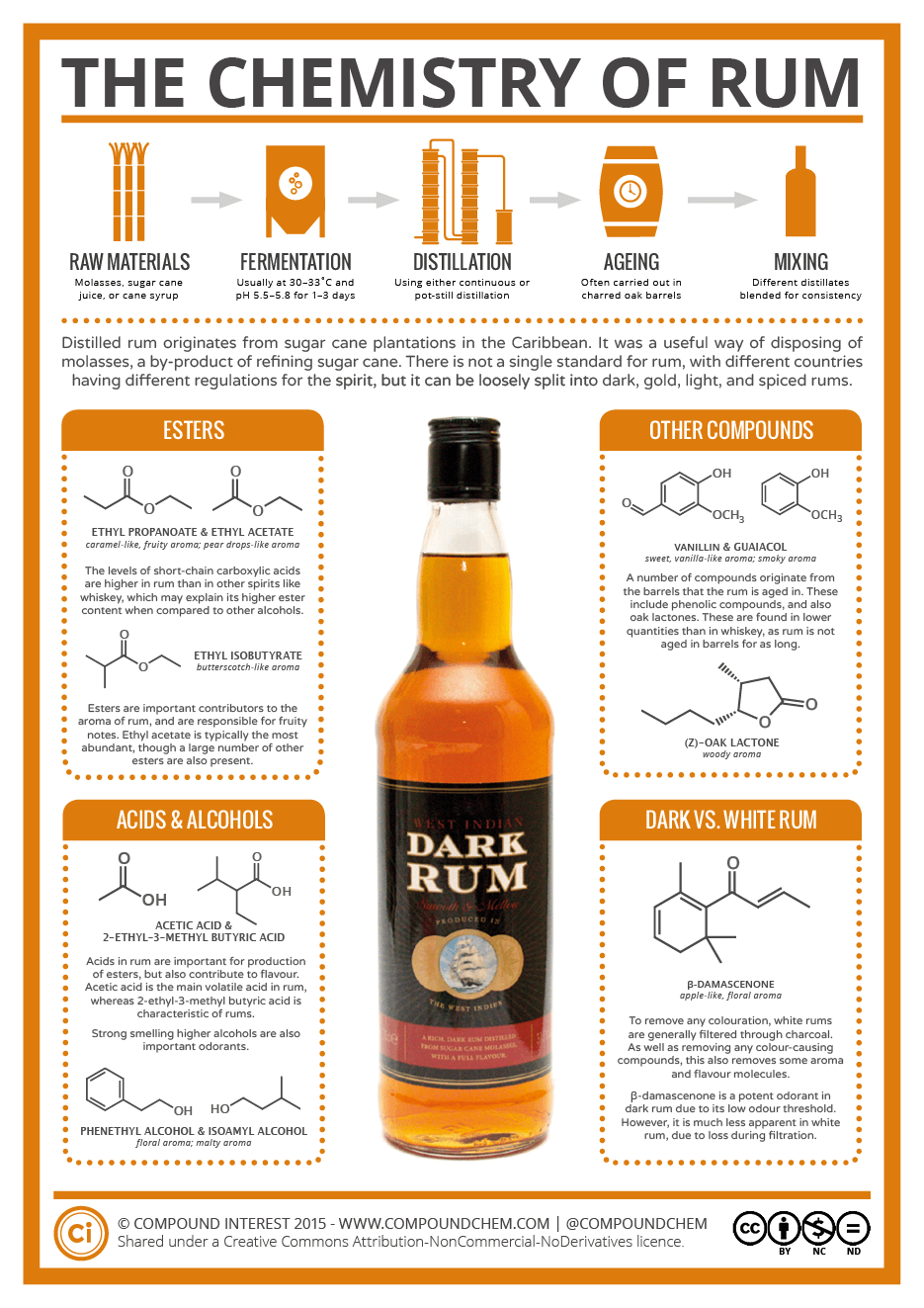
The primary ingredient, sugarcane, dictates the very essence of rum’s brand. Unlike spirits made from grain (like whiskey or vodka) or grapes (like brandy), rum’s base imbues it with a distinctive sweetness and a complex aromatic profile even before distillation. The specific varietal of sugarcane, the soil in which it’s grown (its terroir), and the climate all subtly influence the final spirit. For premium rum brands, highlighting the origin and quality of their sugarcane is a powerful marketing tool, a testament to authenticity and a differentiator in a crowded market. This focus on the raw ingredient speaks to a consumer desire for transparency and connection to the product’s roots.
From Plantation to Pot Still: Crafting Distinction
The journey from sugarcane to spirit is a crucial part of rum’s brand story. The historical context of its production, often on or near the very plantations where the sugarcane was harvested, creates a powerful narrative of provenance. Early production methods, born of necessity and innovation, evolved into the diverse techniques we see today. This evolution, from rudimentary distillation in crude stills to sophisticated modern processes, provides a rich historical backdrop that brands leverage to communicate heritage, craftsmanship, and a commitment to tradition—qualities highly valued in the premium spirits sector.
Defining Characteristics: Beyond the Base Ingredient
While sugarcane provides the foundation, it’s the subsequent stages of production that truly shape rum’s diverse brand expressions. These processes contribute to the sensory characteristics that allow consumers to differentiate between styles and brands, fostering unique market positions.
Fermentation and Distillation: The Art of Nuance
The fermentation process, converting sugars into alcohol, is critical for developing the precursor flavors and aromas. The type of yeast used, the duration of fermentation, and environmental factors all influence the “wash” that enters the still. This initial stage allows for significant brand differentiation. Some rums might favor slow, extended fermentations for richer, more ester-heavy profiles (e.g., Jamaican funk), while others opt for quicker ferments to produce lighter spirits.
Distillation, the separation of alcohol from the fermented wash, further refines the spirit’s character. The choice between pot stills and column stills profoundly impacts a rum’s body and flavor. Pot stills, often associated with traditional, artisanal production, yield heavier, more flavorful rums due to their less efficient separation of congeners (flavor compounds). Column stills, conversely, produce lighter, purer spirits, often favored for their consistency and versatility. A brand’s decision to employ one or both types of stills is a strategic choice, directly influencing its product positioning—whether as a traditional, robust spirit or a clean, adaptable mixer. This technical detail becomes a key brand attribute, appealing to connoisseurs who appreciate the nuances of production.
The Influence of Cask and Climate
Aging is perhaps the most transformative stage for rum’s brand identity. Stored in wooden casks, typically oak (often ex-bourbon barrels), rum undergoes complex chemical reactions with the wood and air. This process imparts color, softens harsh notes, and introduces new flavors like vanilla, caramel, spice, and dried fruit. The type of wood, its previous contents, the size of the barrel, and the duration of aging are all variables that master blenders manipulate to craft distinct brand profiles.
Crucially, the tropical climate in which most rums are aged significantly accelerates this process compared to spirits aged in cooler climes. The higher temperatures and humidity lead to a more pronounced “angel’s share” (evaporation) and a more rapid interaction between spirit and wood. This unique aging environment is a strong point of differentiation for rum brands, offering a compelling narrative about the “tropical aging” effect that contributes to its perceived quality and character. Brands often highlight specific aging statements and cask finishes as a premium signal, informing consumer expectations and justifying price points.
The Spectrum of Rum: A Brand’s Versatility
Rum’s brand strength lies in its incredible versatility. Unlike some spirits with very rigid stylistic definitions, rum encompasses a vast spectrum of flavors and styles, allowing for diverse brand expressions and catering to a wide range of consumer preferences and usage occasions.
White, Gold, Dark: Visual Cues and Flavor Profiles
The most basic categorization of rum often revolves around its color, which serves as an immediate visual cue for consumers, guiding their expectations of flavor and usage.
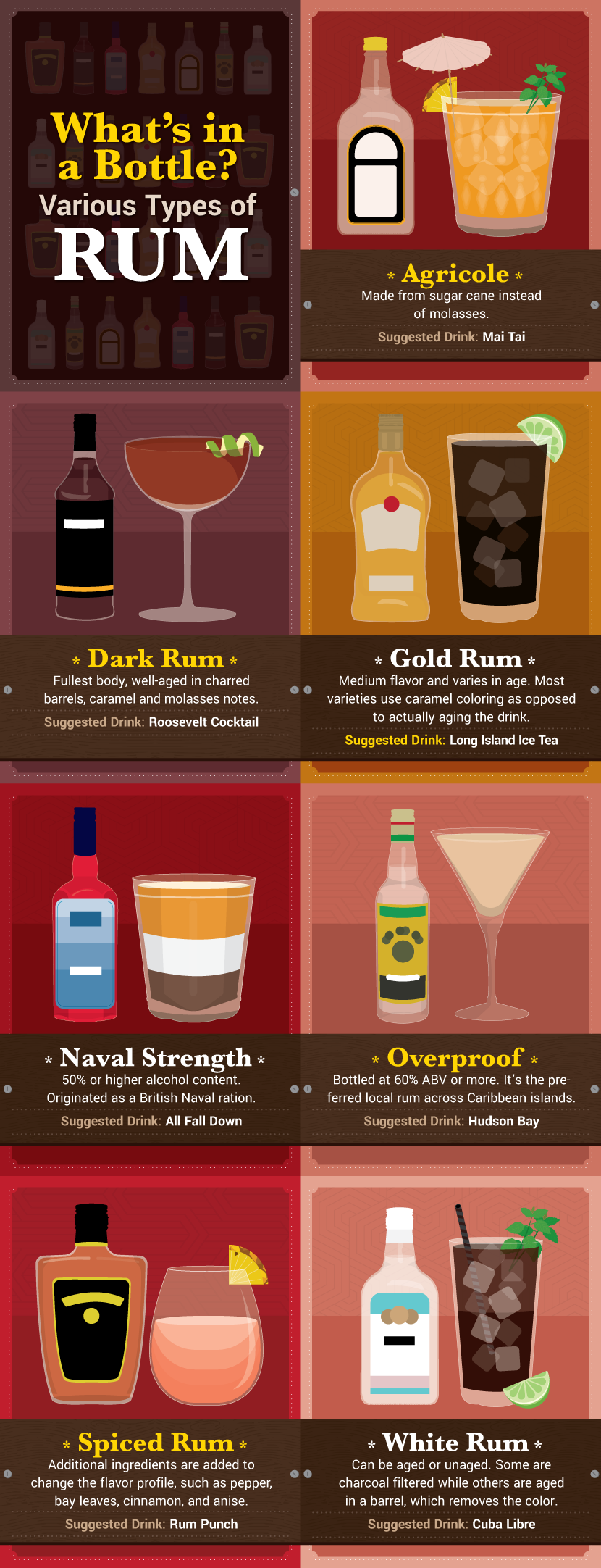
- White (Light) Rums: Typically unaged or charcoal-filtered to remove color, these rums are often lighter in body with subtle sweetness and delicate flavors. Brands positioned in this category often emphasize their mixability, purity, and versatility in cocktails.
- Gold (Amber) Rums: These rums gain their color from brief aging in oak barrels or the addition of caramel coloring. They offer a balance of light body and some oak-derived flavors, often positioned as versatile options for both mixing and casual sipping. Brands here bridge the gap between light and dark expressions.
- Dark Rums: Aged for longer periods in charred oak barrels or blended with darker, richer components, these rums boast deep colors, full bodies, and complex flavor profiles with notes of molasses, toffee, spice, and dried fruits. Dark rum brands often target a more discerning consumer, emphasizing their sipping quality and the depth of their flavor.
These color classifications, while simplified, are vital for consumer navigation and brand positioning, allowing brands to carve out distinct niches within the broader rum market.
A Spirit of Many Expressions: From Sipping to Mixing
Beyond color, rum’s brand portfolio extends to various stylistic categories, each with its own brand appeal:
- Rhum Agricole: Made directly from fresh sugarcane juice rather than molasses, primarily in the French Caribbean (Martinique, Guadeloupe). Its grassy, earthy, and often pungent flavor profile distinguishes it significantly, positioning it as a premium, terroir-driven spirit for discerning palates. Brands in this niche emphasize their agricultural roots and unique production.
- Añejo/XO/Reserva Rums: These are often longer-aged or special blend rums, positioned at the super-premium end of the market. Their brand messaging focuses on craftsmanship, rarity, and a sophisticated sipping experience akin to fine whiskeys or brandies.
- Spiced Rums: Infused with spices and often natural flavorings, these rums cater to a segment looking for accessible, flavorful options, particularly popular in mixed drinks. Brands in this category often emphasize adventurous flavors and a fun, approachable image.
This vast array of styles allows rum to occupy multiple brand territories, from the everyday mixer to the celebratory sipper, demonstrating remarkable elasticity in its brand identity.
Crafting a Rum Brand: Identity in a Bottle
Ultimately, “what makes rum rum” from a branding perspective is the successful articulation and communication of these inherent characteristics and histories. Crafting a successful rum brand involves more than just making a good spirit; it requires building a compelling identity that resonates with target consumers.
Storytelling and Authenticity
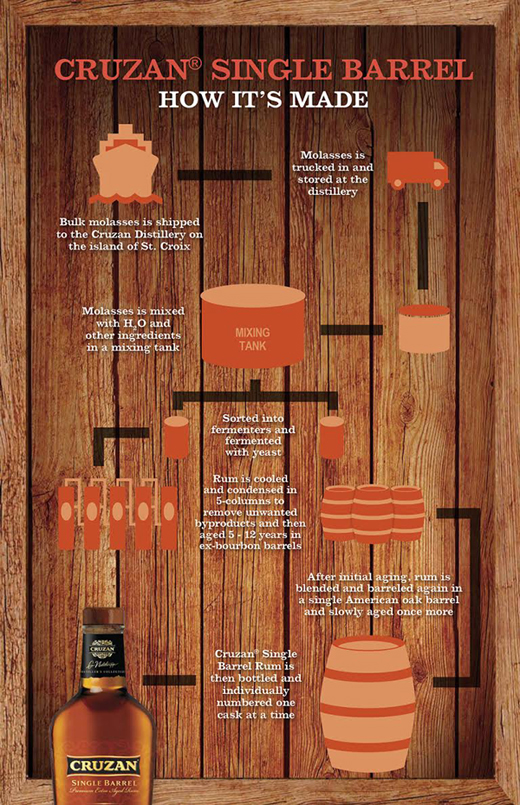
Every successful rum brand leverages storytelling. Whether it’s the tale of a founding family, the unique microclimate of a Caribbean island, the specific sugarcane varietal used, or the generations-old distillation technique, these narratives provide authenticity and emotional connection. Brands invest heavily in conveying their provenance, their commitment to traditional methods, or their innovative approaches to production. This narrative becomes an indelible part of the brand’s identity, distinguishing it in a competitive market.
Consumer Perception and Market Positioning
A rum brand’s success hinges on how it manages consumer perception and strategically positions itself. Is it a high-end sipping rum for connoisseurs, an approachable mixer for social gatherings, or an adventurous spiced rum for experimental palates? Packaging design, marketing campaigns, price point, and distribution channels all work in concert to communicate this positioning. The choice of glass, label design, and even cork vs. screw cap sends signals about quality, tradition, or modernity. Successful rum brands meticulously craft these elements to build a coherent identity that resonates with their intended audience, solidifying their place in the diverse and dynamic world of spirits.
In conclusion, “what makes rum rum” is a complex interplay of its unique raw material, historical context, diverse production methodologies, the transformative power of tropical aging, and its remarkable stylistic versatility. These elements are not just technical details but fundamental building blocks of rum’s brand identity, allowing it to occupy a distinct and cherished position in the global beverage landscape. For brands operating within this category, understanding and strategically leveraging these core attributes is paramount to carving out a memorable and enduring presence.
aViewFromTheCave is a participant in the Amazon Services LLC Associates Program, an affiliate advertising program designed to provide a means for sites to earn advertising fees by advertising and linking to Amazon.com. Amazon, the Amazon logo, AmazonSupply, and the AmazonSupply logo are trademarks of Amazon.com, Inc. or its affiliates. As an Amazon Associate we earn affiliate commissions from qualifying purchases.