
In the intricate world of automotive technology, where precision engineering meets robust functionality, every component plays a crucial role in the symphony of an internal combustion engine. Among these, the valve cover often goes unnoticed, residing discreetly at the top of the engine, yet its function is undeniably vital. Far from being a mere aesthetic cap, the valve cover is a sophisticated piece of engine technology designed to protect critical internal components, contain essential lubricants, and contribute to the overall efficiency and longevity of the vehicle’s powertrain. Understanding this seemingly simple component unlocks a deeper appreciation for the meticulous design and engineering that defines modern automotive systems.

The Fundamental Role of the Valve Cover in Engine Technology
The valve cover, sometimes referred to as a cam cover or rocker cover, is more than just a lid; it’s an engineered shield for the engine’s valvetrain. Its primary responsibilities are multifaceted, directly impacting engine performance, reliability, and cleanliness. Without a properly functioning valve cover, the highly sensitive internal mechanics of an engine would be exposed to a range of detrimental conditions, leading to rapid wear and potential catastrophic failure.
Protecting Vital Components
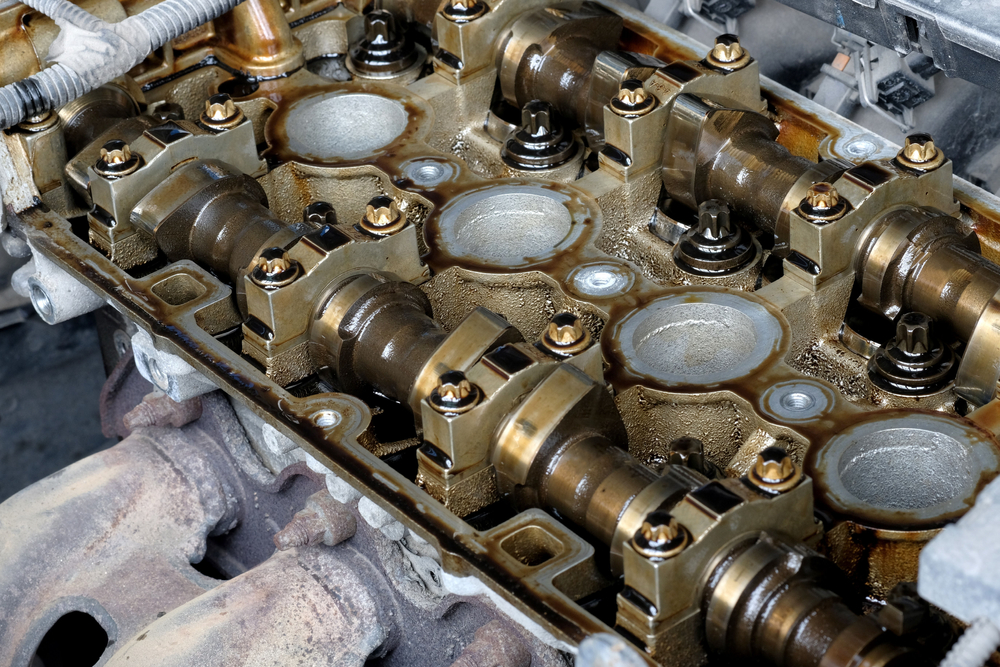
At the heart of an internal combustion engine’s operation are the valvetrain components: the camshafts, rocker arms, valve springs, and the valves themselves. These parts are in constant motion, orchestrating the precise timing of air intake and exhaust gas expulsion. The valve cover acts as a robust physical barrier, shielding these precision-engineered mechanisms from external environmental threats. Dust, dirt, moisture, and road debris are ubiquitous hazards that, if allowed to infiltrate the engine’s upper reaches, would quickly contaminate the delicate moving parts, accelerating wear and compromising their operational integrity. This protective function is foundational to the engine’s long-term reliability and its ability to consistently deliver power.
Containing Lubrication
Within the engine, an intricate system of oil galleries, pumps, and sprayers ensures a continuous flow of engine oil, a sophisticated lubricant essential for reducing friction and dissipating heat. The valvetrain, with its numerous moving parts, relies heavily on this lubrication. The valve cover is designed to seal the top of the cylinder head, creating an enclosed environment that keeps this vital oil circulating where it belongs: within the engine. Without this containment, oil would be expelled from the top of the engine, not only leading to severe oil loss and potential engine damage due to insufficient lubrication but also creating hazardous conditions as oil could spill onto hot engine components or the road. The integrity of this seal, often achieved with a specially designed gasket, is a testament to the precision required in engine assembly.
Preventing Contamination
Beyond protecting from external debris, the valve cover plays a crucial role in maintaining the internal cleanliness of the engine. By creating a sealed compartment, it helps prevent harmful byproducts of combustion – such as carbon deposits and unburnt fuel vapors – from escaping into the atmosphere and, critically, from allowing external contaminants to enter the engine’s lubricating system. This internal cleanliness is paramount for the longevity of engine oil, preventing its premature degradation and ensuring it can perform its lubrication and cooling duties effectively over its service life. This aspect underscores the valve cover’s contribution to both engine health and environmental compliance.
Anatomy and Materials of this Essential Engine Part
The design and material composition of a valve cover are critical engineering considerations that balance cost, weight, durability, and heat management. Modern valve covers are far from simple metal stampings; they often incorporate sophisticated features and are manufactured from advanced materials chosen for their specific properties within the demanding engine environment.
Common Materials and Their Advantages
Historically, valve covers were predominantly made from stamped steel or cast aluminum. Stamped steel is economical and robust, offering good impact resistance. Cast aluminum, while more expensive, provides superior heat dissipation due to its excellent thermal conductivity, which is beneficial for engines running hotter or those with performance considerations. More recently, polymer composites, particularly advanced plastics, have gained significant traction. These materials offer substantial weight savings, contributing to overall vehicle efficiency, and can be molded into complex shapes with integrated features, simplifying manufacturing processes. They also exhibit good noise and vibration damping characteristics, enhancing refinement. Each material choice reflects a deliberate engineering decision based on the specific requirements of the engine and vehicle platform.
Gasket Technology
The seal between the valve cover and the cylinder head is provided by a gasket, a critical piece of sealing technology. Early gaskets were often cork or rubber, which could degrade over time due to heat cycling and exposure to oil. Modern valve cover gaskets are typically made from advanced silicone-based compounds or molded rubber, often incorporating rigid carriers for enhanced stability. These materials offer superior resistance to temperature extremes, chemicals, and degradation, ensuring a long-lasting, leak-free seal. The design of the gasket itself can be complex, often featuring intricate shapes and integrated grommets for mounting bolts, all engineered to maintain precise clamping force and prevent oil seepage under varying engine conditions.
Integrated Components
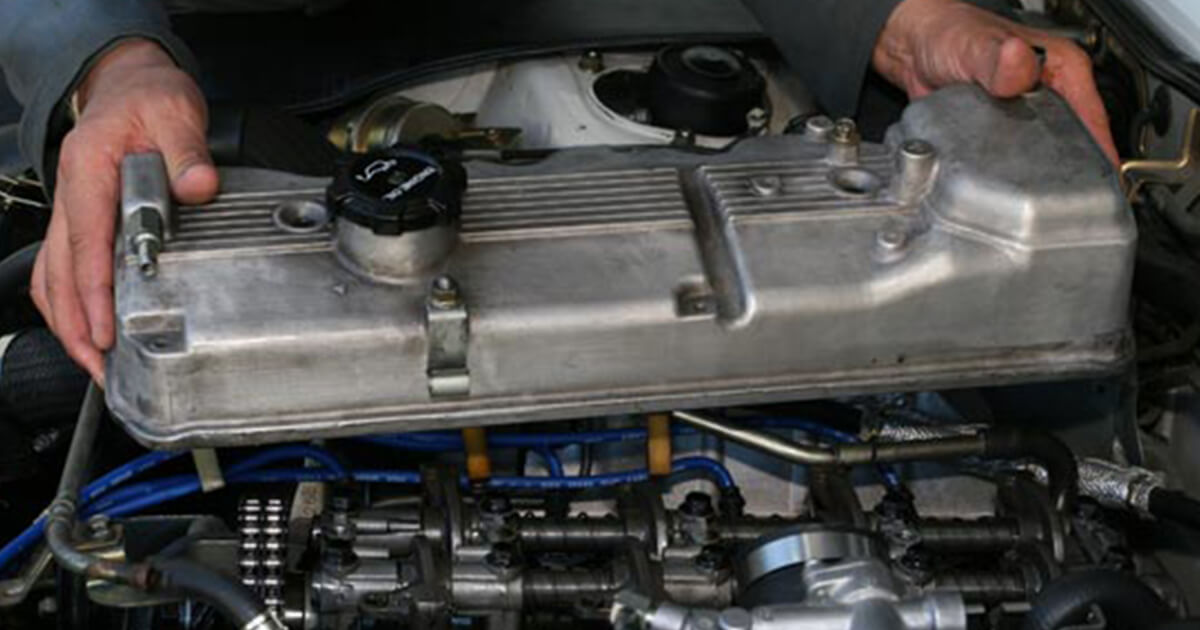
Contemporary valve covers frequently integrate additional functionalities beyond simple containment. It is common to find the oil filler cap directly incorporated into the valve cover, providing a convenient access point for adding engine oil. Furthermore, many valve covers house or provide mounting points for components of the Positive Crankcase Ventilation (PCV) system. The PCV system is a crucial emissions control technology that vents unburnt fuel vapors and blow-by gases from the crankcase back into the intake manifold to be re-combusted. The PCV valve, a one-way valve that regulates this flow, is often an integral part of the valve cover assembly, highlighting its role as a multi-functional component within the engine’s technological ecosystem.
Signs of a Failing Valve Cover: Diagnosis and Implications
Despite their robust design, valve covers and their associated gaskets are subject to the rigors of engine operation and can eventually fail. Recognizing the symptoms of a failing valve cover is critical for timely intervention, preventing more significant engine damage, and maintaining optimal vehicle performance and safety. As with any mechanical technology, early diagnosis often means simpler and less costly repairs.
Oil Leaks: A Primary Indicator
The most common and readily identifiable symptom of a failing valve cover is an oil leak. Over time, the valve cover gasket can harden, crack, or become brittle due to prolonged exposure to extreme temperatures and engine oil. This degradation compromises its sealing ability, allowing engine oil to seep out. Visible signs include fresh oil stains on the garage floor or driveway, a residue of oil accumulating on the sides of the engine block, or a noticeable decrease in engine oil levels between service intervals. Ignoring these leaks can lead to insufficient lubrication, potentially damaging internal engine components, and also poses a fire hazard if oil drips onto hot exhaust manifolds.
Engine Performance Issues
While less direct, a failing valve cover, particularly one with an integrated or compromised PCV system, can lead to noticeable engine performance issues. A malfunctioning PCV valve, which often resides within or is connected to the valve cover, can disrupt the engine’s air-fuel mixture, leading to rough idling, misfires, decreased fuel efficiency, and a noticeable loss of power. Additionally, a significant oil leak can cause oil to foul spark plugs or other ignition components, further exacerbating performance problems. These symptoms underscore the interconnectedness of engine technologies and how a failure in one seemingly minor component can cascade into broader operational inefficiencies.
The Smell of Burning Oil
One of the most immediate and concerning signs of a valve cover leak is the distinct smell of burning oil, particularly after the engine has warmed up. When oil leaks from the valve cover, it often drips onto hot engine components like the exhaust manifold or headers. The high temperatures cause the oil to burn off, emitting a pungent, acrid smell that can often be detected inside the vehicle’s cabin through the ventilation system. This is not only unpleasant but indicates a potential fire risk and warrants immediate attention to prevent more severe consequences.
Maintenance and Replacement Considerations
Maintaining the integrity of the valve cover assembly is an important aspect of routine vehicle care, contributing to the longevity and reliability of the engine. While the valve cover itself rarely fails, its gasket is a wear item that eventually requires replacement. Understanding the options for repair and the factors influencing longevity can save significant time and expense.
The Importance of the Gasket
The gasket is the weakest link in the valve cover assembly from a durability perspective. Made from materials designed to be somewhat flexible and compressible, they are subjected to constant thermal cycling, vibration, and exposure to corrosive engine oil. Over many years and miles, these conditions inevitably lead to material degradation. When replacing a valve cover gasket, it is crucial to use high-quality, OEM-specification parts to ensure a proper and long-lasting seal. The installation process also requires meticulous attention to detail, including proper surface preparation of both the cylinder head and the valve cover, and adhering to specific torque specifications for the mounting bolts to prevent over-tightening or under-tightening, both of which can compromise the seal.
DIY vs. Professional Repair
Replacing a valve cover gasket can range from a relatively straightforward task on some engine designs to a complex and time-consuming operation on others, especially those with numerous hoses, wires, and components mounted directly on or above the valve cover. For mechanically inclined individuals with the right tools and access to repair manuals, a DIY approach can be cost-effective. However, for complex engines, or for individuals lacking confidence or specific tools, professional repair is highly recommended. Automotive technicians possess the specialized knowledge and equipment to ensure the job is done correctly, preventing potential issues that could arise from improper installation, such as further leaks or damage to other engine components. This choice highlights the ongoing debate within the tech community regarding user repairability versus specialized service.
Longevity and Preventative Measures
The lifespan of a valve cover gasket is typically considerable, often lasting 100,000 miles or more, depending on driving conditions, engine type, and maintenance history. Regular oil changes with high-quality engine oil can contribute to gasket longevity by preventing the buildup of sludge and corrosive byproducts that can accelerate material degradation. Avoiding extreme driving conditions that subject the engine to excessive heat can also help. While preventative replacement is not typically part of standard maintenance schedules, being aware of the common symptoms of failure and addressing them promptly will ensure the engine remains a reliable and efficient piece of automotive technology for many years to come.
The Valve Cover’s Contribution to Modern Automotive Technology
Far from being a static, simple component, the valve cover reflects the continuous evolution of automotive technology, adapting to new engine designs, performance demands, and environmental regulations. Its development showcases how even seemingly minor parts contribute significantly to the broader advancements in vehicle engineering.
Evolution of Design
Early valve covers were indeed rudimentary, often simple stamped metal pieces. However, as engine designs became more complex, incorporating overhead camshafts, variable valve timing, and direct injection, the valve cover evolved in tandem. Modern valve covers are often intricate castings or moldings, specifically designed to accommodate engine architecture, integrate wiring harnesses, and optimize sound deadening. The shift towards lighter materials like advanced polymers also reflects a continuous push for weight reduction and fuel efficiency, a key driver in automotive innovation. These design evolutions underscore the valve cover’s integral role in facilitating the performance and packaging requirements of contemporary powertrains.
Impact on Engine Efficiency and Emissions
The valve cover’s role in the PCV system is a direct contribution to both engine efficiency and environmental compliance. By recirculating crankcase gases, the PCV system reduces harmful emissions that would otherwise be released into the atmosphere, aligning with increasingly stringent global environmental regulations. Furthermore, proper sealing ensures that the engine’s internal pressure is regulated correctly, which is vital for efficient combustion and preventing oil loss, both of which contribute to optimal fuel economy. Thus, the humble valve cover, through its protective and integrative functions, plays a subtle yet significant part in the sophisticated interplay of technologies that define modern, cleaner, and more efficient vehicles. Its continued development serves as a testament to the ongoing pursuit of excellence in automotive engineering.
aViewFromTheCave is a participant in the Amazon Services LLC Associates Program, an affiliate advertising program designed to provide a means for sites to earn advertising fees by advertising and linking to Amazon.com. Amazon, the Amazon logo, AmazonSupply, and the AmazonSupply logo are trademarks of Amazon.com, Inc. or its affiliates. As an Amazon Associate we earn affiliate commissions from qualifying purchases.