
The query “what is Thuringer sausage” might initially appear to seek a simple culinary definition. However, to truly understand this iconic German delicacy, one must approach it not merely as a food item but as a powerful regional brand, steeped in history, tradition, and rigorous standards that define its unique identity and market position. From its protected geographical status to its meticulously crafted flavor profile, Thuringer sausage stands as a testament to the enduring power of authentic regional branding.
The Genesis of a Regional Culinary Brand
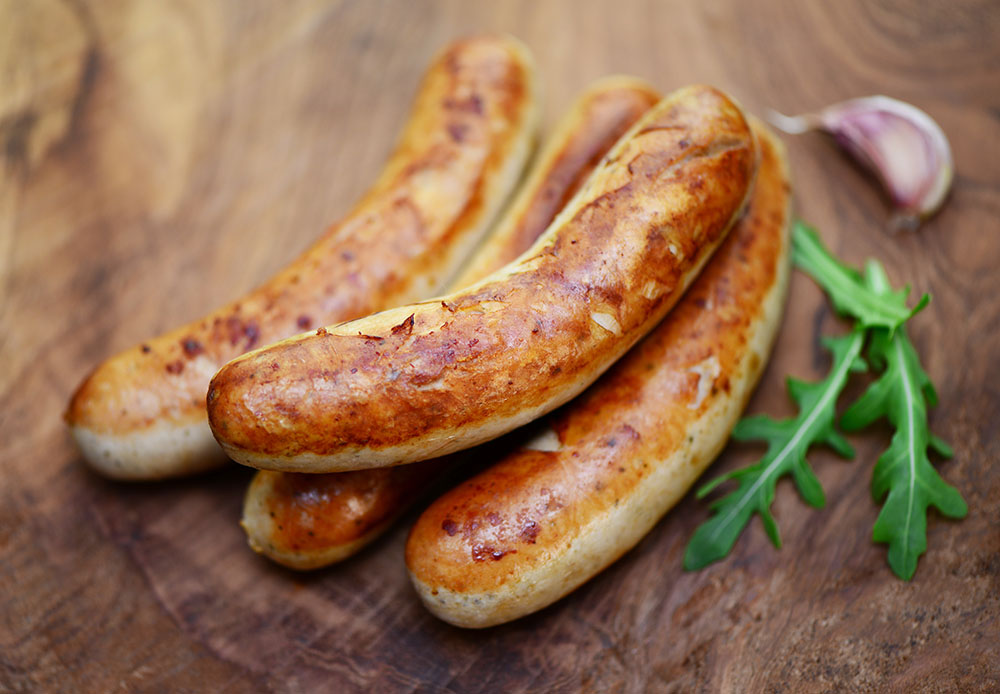
The Thuringer sausage, or “Thüringer Rostbratwurst” as it is known in its native Germany, is far more than just ground meat in a casing; it is a cultural institution and a robust brand originating from the state of Thuringia. Its brand narrative began centuries ago, with the first documented mention dating back to 1404 in the archives of Arnstadt. This historical lineage forms the bedrock of its brand story, emphasizing authenticity and a timeless tradition of culinary excellence.
A Legacy of Craftsmanship
The brand’s strength is inextricably linked to the artisanal craftsmanship passed down through generations. The Thuringer sausage is not a mass-produced commodity but a product born from specific regional techniques and ingredients. Traditional recipes typically dictate the use of finely ground pork, sometimes combined with a smaller portion of beef or veal, seasoned with a distinct blend of spices including caraway, marjoram, garlic, and often a hint of lemon. The preparation methods – from the grinding of the meat to the precise blending of spices and the filling of natural casings – are integral to the brand’s perceived quality and unique character. This commitment to traditional processes reinforces the brand’s image as authentic and superior.
Geographical Indication and Brand Protection
Crucial to the Thuringer sausage brand’s identity and market success is its status as a Protected Geographical Indication (PGI) under European Union law. Awarded in 2003, this designation is a cornerstone of its brand strategy. It dictates that for a sausage to be officially labeled “Thüringer Rostbratwurst,” it must meet specific criteria:
- It must be produced within the federal state of Thuringia.
- It must be made from specific ingredients and seasoning (pork, marjoram, caraway, garlic, salt, pepper).
- It must be sold raw or scalded and have a fine-to-medium coarse texture.
- It must be at least 15-20 cm long in a narrow natural casing.
This PGI status acts as a powerful brand protector, preventing imitations and ensuring that consumers worldwide can trust the authenticity and quality promised by the “Thuringer sausage” name. It transforms the geographical origin into a powerful brand attribute, linking the product directly to its place of heritage and the standards upheld there. This legal protection is a strategic asset, differentiating it from generic bratwursts and establishing a premium market position.
Crafting the Brand Identity: Beyond the Recipe
The brand identity of Thuringer sausage extends beyond its historical roots and protected status, encompassing sensory attributes and presentation that collectively communicate its unique value proposition.
Flavor Profile as a Brand Hallmark
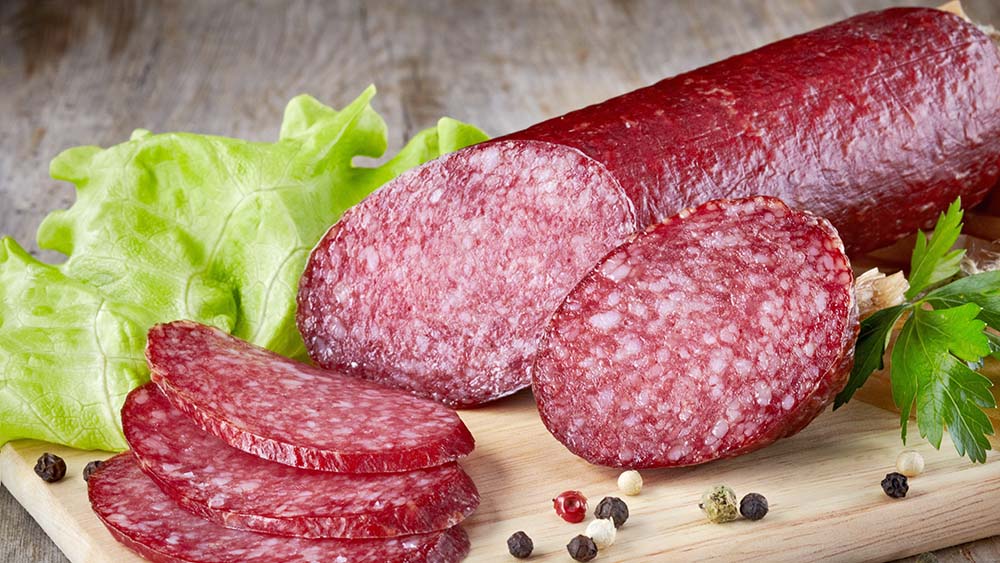
The distinctive flavor profile of Thuringer sausage is arguably its most potent brand differentiator. The careful balance of savory pork with the aromatic contributions of marjoram and caraway creates a taste experience that is immediately recognizable and deeply satisfying to connoisseurs. This specific taste becomes a brand hallmark, a consistent and reliable characteristic that consumers associate exclusively with the Thuringer name. Brand managers understand that consistency in flavor is paramount; any deviation could dilute the brand’s equity and erode consumer trust. Therefore, strict adherence to traditional spice ratios and meat quality is not just about culinary integrity, but about maintaining brand fidelity.
Packaging and Presentation: Communicating Authenticity
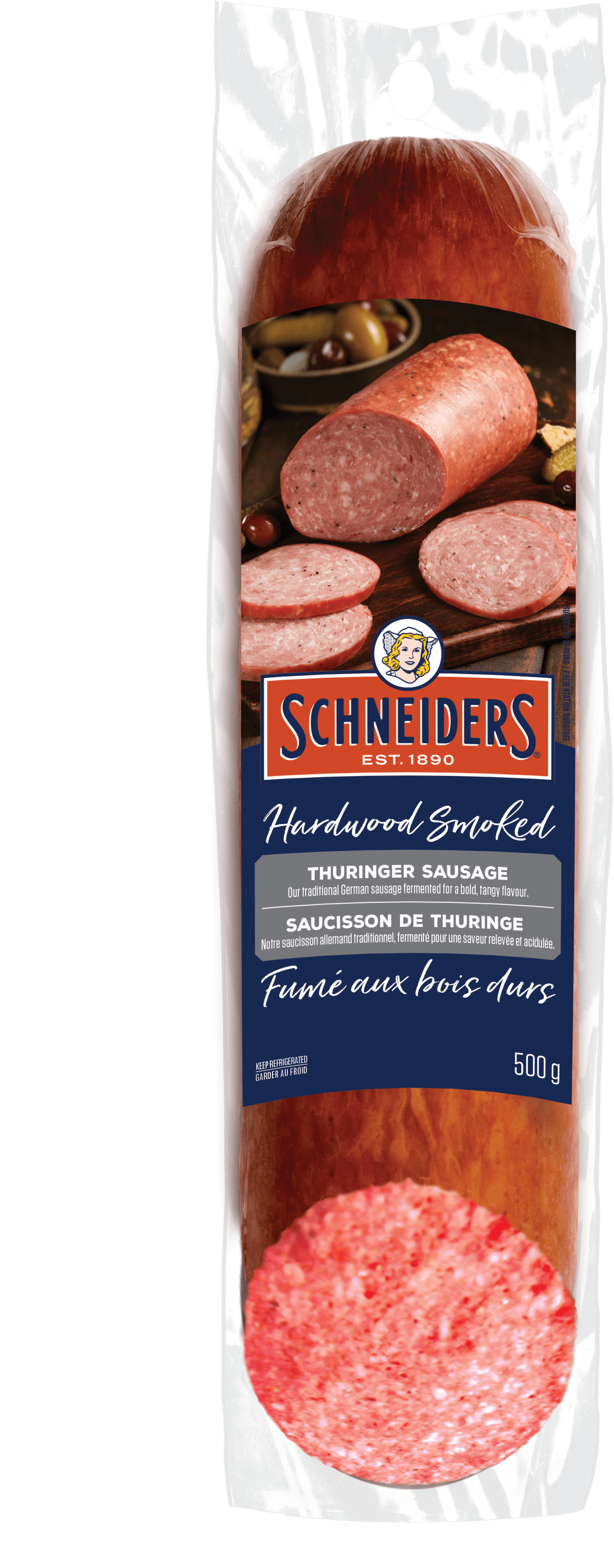
While often sold fresh by local butchers, for broader distribution, the packaging and presentation of Thuringer sausage play a vital role in conveying its brand message. Packaging often features imagery evocative of Thuringia’s pastoral landscapes, traditional German script, or seals indicating its PGI status. Even the traditional method of grilling over charcoal, often depicted in marketing materials, reinforces an image of rustic authenticity and quality. These visual cues, though seemingly simple, are carefully chosen elements of a sophisticated brand communication strategy, designed to trigger consumer associations with heritage, quality, and the unique Thuringian experience. They are critical in a competitive market where product differentiation is key.
Marketing a Niche Delicacy in a Global Market
Marketing a traditional, regionally protected product like Thuringer sausage presents unique challenges and opportunities in an increasingly globalized and competitive food landscape. The strategy must balance preserving tradition with reaching new audiences.
Digital Storytelling and Consumer Engagement
In the modern era, the Thuringer sausage brand leverages digital platforms to tell its compelling story. Websites, social media campaigns, and food blogs feature engaging content about its history, the dedication of its producers, and traditional preparation methods. Videos showcasing the artisanal process or virtual tours of Thuringian markets and festivals help consumers feel a connection to the product’s origins. Recipe ideas and pairing suggestions broaden its appeal, transforming the sausage from a mere food item into an experience. This digital storytelling humanizes the brand, building a community of enthusiasts and fostering deeper consumer loyalty, especially among those seeking authentic, high-quality food experiences.
Navigating Imitation and Maintaining Brand Integrity
The success and recognition of the Thuringer sausage brand inevitably attract imitations. A crucial aspect of its marketing and brand management strategy involves vigilant enforcement of its PGI status and continuous communication about what makes an authentic Thuringer sausage. Educational campaigns inform consumers about the PGI label, guiding them to identify genuine products. Collaborative efforts among Thuringian producers and industry associations are vital to protect the collective brand, combating counterfeit products and maintaining the integrity of the “Thüringer Rostbratwurst” name. This proactive approach safeguards the brand’s reputation and ensures that the significant investment in its heritage and quality standards is not undermined.
The Economic and Cultural Impact of a Protected Brand
The Thuringer sausage brand has far-reaching implications beyond mere culinary enjoyment, playing a significant role in the regional economy and cultural identity of Thuringia.
Sustaining Local Economies
The demand for authentic Thuringer sausage directly supports local economies within Thuringia. From the pig farmers who supply the meat to the butchers who craft the sausages and the small businesses that distribute them, a robust supply chain thrives around this iconic product. The PGI status ensures that the economic benefits remain within the region, fostering job creation and sustaining traditional agricultural and artisanal practices. This creates a virtuous cycle where the brand’s success fuels local prosperity, which in turn reinforces the quality and authenticity of the product, strengthening the brand further.
Preserving Cultural Heritage through Branding
Beyond economics, the Thuringer sausage brand is a powerful vehicle for preserving and promoting Thuringian cultural heritage. It is intertwined with local festivals, culinary traditions, and regional identity. The act of grilling a Thuringer sausage is more than just cooking; it’s a social ritual deeply embedded in the region’s cultural fabric. The brand embodies a sense of place and belonging, connecting generations through shared culinary experiences. By safeguarding the brand, the region effectively preserves a vital piece of its cultural legacy, ensuring that future generations can continue to enjoy and identify with this cherished emblem of Thuringia.
Future Directions for the Thuringer Sausage Brand
The Thuringer sausage brand, while firmly rooted in tradition, is not static. Its future success will depend on its ability to adapt to evolving consumer preferences while steadfastly maintaining its core brand values of authenticity and quality. This includes exploring sustainable sourcing, catering to dietary trends with traditional methods, and expanding its global reach through strategic partnerships and digital innovation, all while reinforcing the powerful narrative of its Thuringian heritage. The brand’s journey from a local delicacy to a globally recognized, protected culinary icon offers invaluable lessons in strategic branding, emphasizing how history, quality, and legal protection can coalesce to create an enduring and beloved identity.
aViewFromTheCave is a participant in the Amazon Services LLC Associates Program, an affiliate advertising program designed to provide a means for sites to earn advertising fees by advertising and linking to Amazon.com. Amazon, the Amazon logo, AmazonSupply, and the AmazonSupply logo are trademarks of Amazon.com, Inc. or its affiliates. As an Amazon Associate we earn affiliate commissions from qualifying purchases.