
Navigating the landscape of early childhood education can be a complex endeavor for parents, not least due to the significant financial implications involved. While the terms “preschool” and “Pre-K” are often used interchangeably, understanding their nuanced distinctions, particularly from a financial perspective, is crucial for informed decision-making regarding a family’s budget and long-term financial planning. This article delves into the monetary aspects differentiating these early learning programs, exploring their cost structures, funding mechanisms, and the long-term financial return on investment.
The Financial Landscape of Early Childhood Education
Investing in early childhood education represents one of the most significant financial commitments for many families after housing and transportation. The decision between preschool and Pre-K is not merely pedagogical; it’s a strategic financial choice that impacts household budgets, potential tax benefits, and even future earning capabilities.

Understanding the Core Cost Drivers
The costs associated with both preschool and Pre-K are primarily driven by several factors:
- Staffing Ratios and Qualifications: Lower child-to-teacher ratios and highly qualified educators typically translate to higher tuition fees.
- Programmatic Offerings: Specialized curricula, enrichment activities, and extended hours contribute to increased operational costs.
- Facility Overhead: Rent, utilities, maintenance, and compliance with licensing standards are all passed on to consumers.
- Location: Urban centers and areas with high costs of living generally feature more expensive programs.
- Funding Model: Private, for-profit institutions rely solely on tuition, whereas public or subsidized programs often receive government funding, influencing their affordability.
The Investment in Early Development
From a financial lens, early childhood education is often viewed as an investment in human capital. Research consistently demonstrates that high-quality early learning programs can lead to significant long-term economic benefits, including higher educational attainment, increased earning potential, and reduced reliance on social services later in life. Therefore, distinguishing between preschool and Pre-K financially involves evaluating not just immediate outlays but also the projected returns on this foundational investment.
Dissecting the Costs: Preschool vs. Pre-K
The primary financial distinction between preschool and Pre-K often lies in their funding models and, consequently, their accessibility and direct costs to parents.
Private Preschool: A Significant Household Budget Item
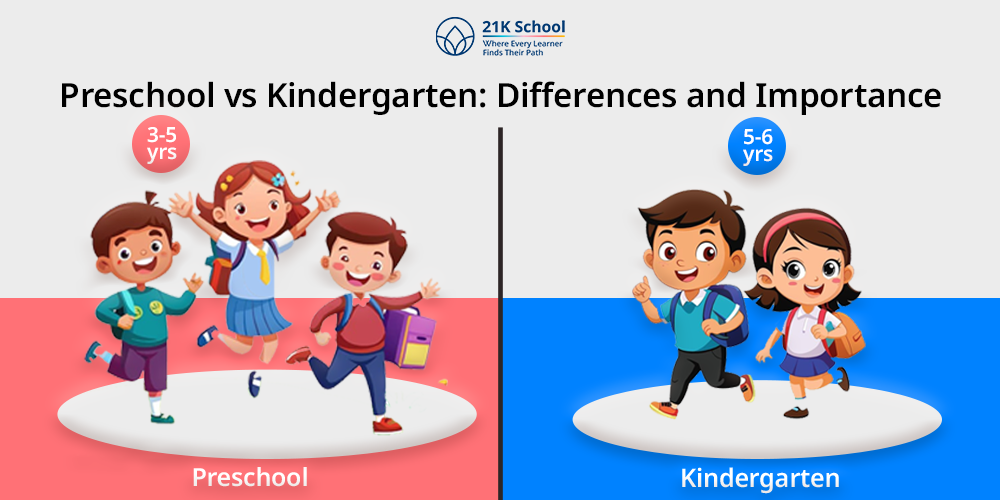
Preschool programs are typically privately run, either as independent institutions or as part of larger childcare centers. They cater to children generally between the ages of two and four.
- Tuition-Based Model: The vast majority of private preschools operate on a tuition-based model, meaning parents bear the full cost of attendance.
- High Variability in Cost: Tuition fees for private preschools can vary dramatically, ranging from a few hundred dollars to well over $2,000 per month, depending on location, program quality, and hours of operation (full-day vs. half-day).
- Limited Subsidies: While some private preschools might offer limited scholarships or participate in broader childcare subsidy programs, they generally do not receive direct government funding for tuition, making them a substantial line item in a family’s budget.
- Enrollment Flexibility: Private preschools often offer more flexible enrollment options, including various part-time schedules, which can sometimes align with a parent’s work schedule but also require careful financial planning to cover gaps in care.
Pre-Kindergarten: Varied Funding Models and Affordability
Pre-Kindergarten (Pre-K) programs, designed primarily for four-year-olds (and sometimes younger five-year-olds) to prepare them for kindergarten, often have a more diverse funding landscape, which directly impacts their affordability.
- Publicly Funded Initiatives: Many Pre-K programs are state-funded or federally funded (e.g., Head Start). These programs are often free or offered at significantly reduced rates for eligible families, particularly those meeting specific income criteria. This makes Pre-K a considerably more accessible and financially advantageous option for many.
- Targeted Demographics: Public Pre-K programs often prioritize children from low-income households, those with developmental delays, or children in foster care, aiming to provide equitable access to early education and bridge achievement gaps.
- School District Integration: Pre-K programs are frequently housed within public elementary schools, aligning their operational structure and funding with the broader public education system. This can result in standardized offerings and reduced administrative overhead that keeps costs down.
- Hybrid Models: Some Pre-K programs exist as partnerships between public school districts and private providers, offering subsidized spots in community-based centers. While these might still involve some parental co-pay, the cost is typically much lower than purely private preschool.
Hidden Costs and Opportunity Costs
Beyond direct tuition, families must also consider:
- Registration Fees and Supply Costs: Both program types may require upfront registration fees, security deposits, and specific supply lists.
- Transportation: While some public Pre-K programs might offer transportation, it’s rare for private preschools, adding potential fuel or public transit costs for parents.
- Before and After-Care: For working parents, the hours of operation for both preschool and Pre-K may not align perfectly with work schedules, necessitating additional before- and after-care services, which come with their own costs.
- Opportunity Costs: For parents, particularly mothers, the decision to pay for early childhood education or to provide care at home involves an opportunity cost. This could be lost wages from reducing work hours, or the foregone income of one parent leaving the workforce entirely. The availability of affordable Pre-K can significantly influence a parent’s ability to remain employed, thereby boosting household income.
Funding Mechanisms and Financial Assistance
Understanding the various avenues for financial assistance is critical for optimizing the investment in early childhood education.
Government Programs and Subsidies
- Head Start and Early Head Start: Federally funded programs offering comprehensive early learning services to low-income children and families. These are often free for eligible families.
- State-Funded Pre-K: Many states operate their own Pre-K initiatives, which vary in scope, eligibility, and funding levels. Some states offer universal Pre-K, while others target specific populations. These programs significantly reduce the financial burden on families.
- Child Care Development Block Grant (CCDBG): Federal funding channeled through states to help low-income families afford quality child care, which can include both preschool and Pre-K programs. Eligibility and subsidy amounts depend on state-specific criteria.
Employer Benefits and Tax Credits
- Dependent Care Flexible Spending Accounts (FSAs): Employees can contribute pre-tax dollars to an FSA to pay for eligible dependent care expenses, including preschool and Pre-K tuition, potentially saving hundreds or thousands in taxes annually.
- Child and Dependent Care Tax Credit (CDCTC): A federal tax credit available to eligible families for a portion of their child care expenses. The amount of the credit depends on income and the number of qualifying children.
- Employer-Sponsored Child Care: A growing number of employers offer on-site child care, subsidized child care, or partnerships with child care providers, which can significantly reduce costs for employees.
Scholarships and Financial Aid
Many private preschools and some Pre-K programs offer their own need-based financial aid or scholarships. Families are encouraged to inquire directly with institutions about available assistance and the application process. Local community organizations and foundations may also offer grants or scholarships for early childhood education.
Long-Term Financial Return on Early Education Investment
While the immediate costs of preschool or Pre-K are substantial, a robust body of economic research highlights the significant long-term financial returns associated with high-quality early childhood education, both for individuals and society.
Impact on Future Earning Potential
Children who attend high-quality early learning programs are more likely to perform better in school, achieve higher levels of education, and secure higher-paying jobs as adults. Studies have shown a correlation between early childhood education and increased lifetime earnings. This translates into a direct financial benefit for the individual and, by extension, their family’s economic stability.
Societal Economic Benefits
From a broader economic perspective, investment in early childhood education yields substantial returns for society. These benefits include:
- Increased Tax Revenue: Higher earning individuals contribute more to the tax base.
- Reduced Welfare Dependence: Better educational outcomes correlate with lower rates of poverty and reliance on public assistance.
- Decreased Crime Rates: Early interventions have been linked to reductions in criminal activity, leading to savings in the justice system.
- Workforce Participation: Affordable and accessible Pre-K allows parents, particularly mothers, to enter or remain in the workforce, boosting economic productivity and household income.
Mitigating Future Remedial Costs
Investing in quality early education can reduce the need for costly special education services, grade retention, and other remedial interventions later in a child’s academic career. By addressing developmental needs early, programs like Pre-K can prevent more expensive problems down the line, representing a significant saving for public education systems.
Making the Financially Prudent Choice for Your Family
The decision between preschool and Pre-K, viewed through a financial lens, requires careful consideration of immediate costs, available subsidies, and long-term economic benefits.
Budgeting and Financial Planning
- Assess Your Budget: Understand what your family can realistically afford without compromising other essential expenses.
- Research All Options: Investigate both private preschools and public/subsidized Pre-K programs in your area, comparing their direct costs and eligibility requirements.
- Factor in Hidden Costs: Account for registration fees, supplies, transportation, and potential before/after-care expenses.
- Explore Financial Aid: Actively seek out government programs, tax credits, employer benefits, and institutional scholarships.
Evaluating Value Beyond the Price Tag
While cost is a primary concern, the cheapest option isn’t always the most financially prudent in the long run. High-quality programs, regardless of whether they are labeled “preschool” or “Pre-K,” offer a greater return on investment through superior educational outcomes and developmental support. Consider:
- Curriculum Quality: Does the program foster cognitive, social, and emotional development?
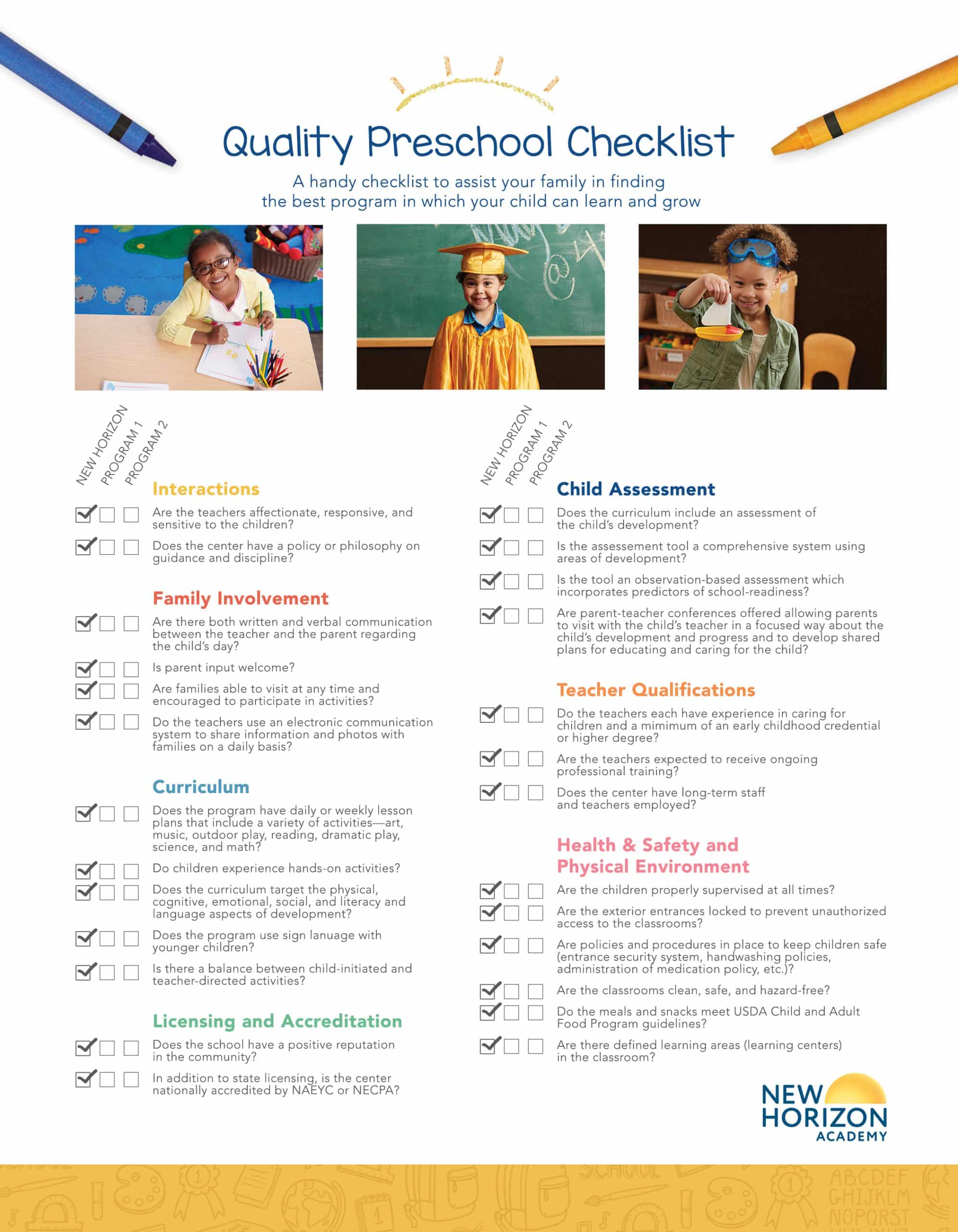
- Teacher Qualifications: Are the educators well-trained and experienced?
- Accreditation and Licensing: Does the program meet or exceed state standards?
Ultimately, the choice between preschool and Pre-K involves aligning your family’s financial capacity with educational goals. By meticulously analyzing the costs, exploring funding opportunities, and recognizing the profound long-term financial returns of early education, families can make an informed decision that supports both their immediate financial health and their child’s future prosperity.
aViewFromTheCave is a participant in the Amazon Services LLC Associates Program, an affiliate advertising program designed to provide a means for sites to earn advertising fees by advertising and linking to Amazon.com. Amazon, the Amazon logo, AmazonSupply, and the AmazonSupply logo are trademarks of Amazon.com, Inc. or its affiliates. As an Amazon Associate we earn affiliate commissions from qualifying purchases.