
The seemingly simple distinction between joggers and sweatpants is, in fact, a masterclass in brand strategy, design evolution, and sophisticated market positioning within the apparel industry. While both garments offer comfort and are often crafted from similar materials, their divergence is a deliberate act by brands to cater to distinct consumer needs, aesthetic preferences, and lifestyle narratives. Understanding this difference requires a look beyond superficial features and into the strategic decisions that shape their respective identities in the marketplace.
The Intentional Design Evolution: From Utility to Lifestyle Staple
The core difference between joggers and sweatpants lies in their foundational design philosophy, meticulously crafted by brands to serve specific purposes and project particular identities. Sweatpants, historically, emerged as a functional garment for athletes during warm-ups and cool-downs. Their design prioritized unrestricted movement, warmth, and ultimate comfort, characterized by a loose, relaxed fit, often with an elastic or drawstring waist, and an open or mildly cinched ankle. Brands like Champion and Russell Athletic built their early reputations on this utility, emphasizing durability and a straightforward, no-frills approach. The design was about performance and practicality, defining a brand identity rooted in authentic athletic utility.
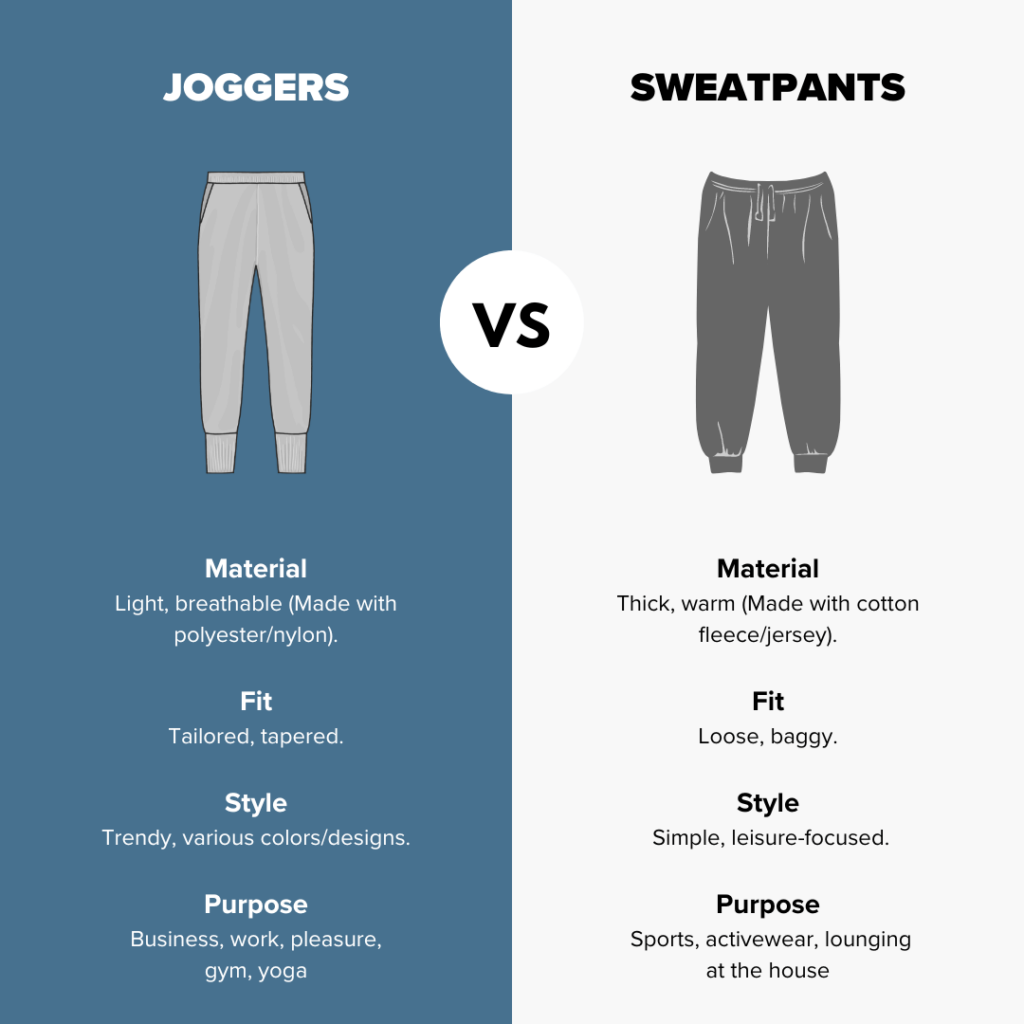
Joggers, on the other hand, represent a significant design evolution, reflecting a shift in consumer lifestyle and brand aspirations. Emerging more prominently in the athleisure movement, joggers are a refined iteration of the athletic pant, designed with a tapered fit that slims down towards the ankle, culminating in a distinctive ribbed or elasticated cuff. This design choice is not arbitrary; it’s a strategic move by brands to introduce a garment that blends the comfort of traditional sweatpants with a more polished, contemporary aesthetic. Brands such as Lululemon, Nike, and Adidas have heavily invested in the jogger silhouette, positioning it as versatile wear suitable for light activity, casual outings, and even semi-dressy occasions when paired appropriately. The tapered leg and cuff are key design elements that communicate a sense of modernity and intentional styling, moving beyond mere comfort into the realm of fashion-forward utility.
This design divergence highlights how brands use silhouette, cut, and finish to differentiate products and articulate their brand vision. Sweatpants, with their generous cut, embody a brand promise of ultimate relaxation and unpretentious comfort. Joggers, with their tailored taper, convey a brand image of active living, casual sophistication, and versatile style. These design choices are not accidental; they are the result of meticulous product development aimed at carving out distinct niches within the casual wear market.
Fabric and Fit: Pillars of Brand Differentiation
Beyond the basic silhouette, the choice of fabric and the precision of fit are critical elements through which brands further differentiate joggers and sweatpants, directly influencing their market positioning and perceived value.
Fabrication Strategy:
Traditionally, sweatpants are synonymous with heavier, often brushed-back fleece or loopback terry fabrics. These materials are chosen for their insulating properties, softness against the skin, and robustness, aligning with the brand’s message of warmth and enduring comfort. The thick, plush hand of a classic sweatpant fabric reinforces its image as ideal loungewear or cold-weather training gear. Brands invest in specific fabric blends to enhance these characteristics, sometimes incorporating polyester for added durability or cotton for breathability. The textural quality of these fabrics contributes significantly to the overall brand experience of comfort and coziness.
Joggers, while also leveraging comfortable fabrics, often employ a broader range of materials or lighter-weight variations. Performance-oriented joggers might use moisture-wicking synthetics, stretch blends, or lighter cotton-poly mixes that offer greater flexibility and breathability, aligning with their more active-lifestyle branding. Even when using fleece, brands developing joggers tend to opt for a lighter-weight, smoother finish, or incorporate technical features like four-way stretch. This material strategy allows joggers to be positioned as suitable for a wider range of temperatures and activities, from a gym workout to an afternoon coffee run, reflecting a brand’s commitment to versatility and performance aesthetics. The perceived “hand” or feel of the fabric is carefully selected to support the intended brand narrative – be it the rugged comfort of a classic sweatpant or the sleek, adaptive feel of a modern jogger.
The Precision of Fit:
The fit is perhaps the most pronounced differentiator from a design perspective. Sweatpants are generally designed with a generous, relaxed fit through the hip and leg, allowing for maximum freedom of movement and a casual, unconstrained feel. This looser cut reinforces the brand’s emphasis on ultimate comfort and non-restrictive wear. The waist is typically elasticated, often with an internal or external drawstring, providing an adjustable, forgiving fit that accommodates a range of body types, reinforcing the brand message of universal comfort.
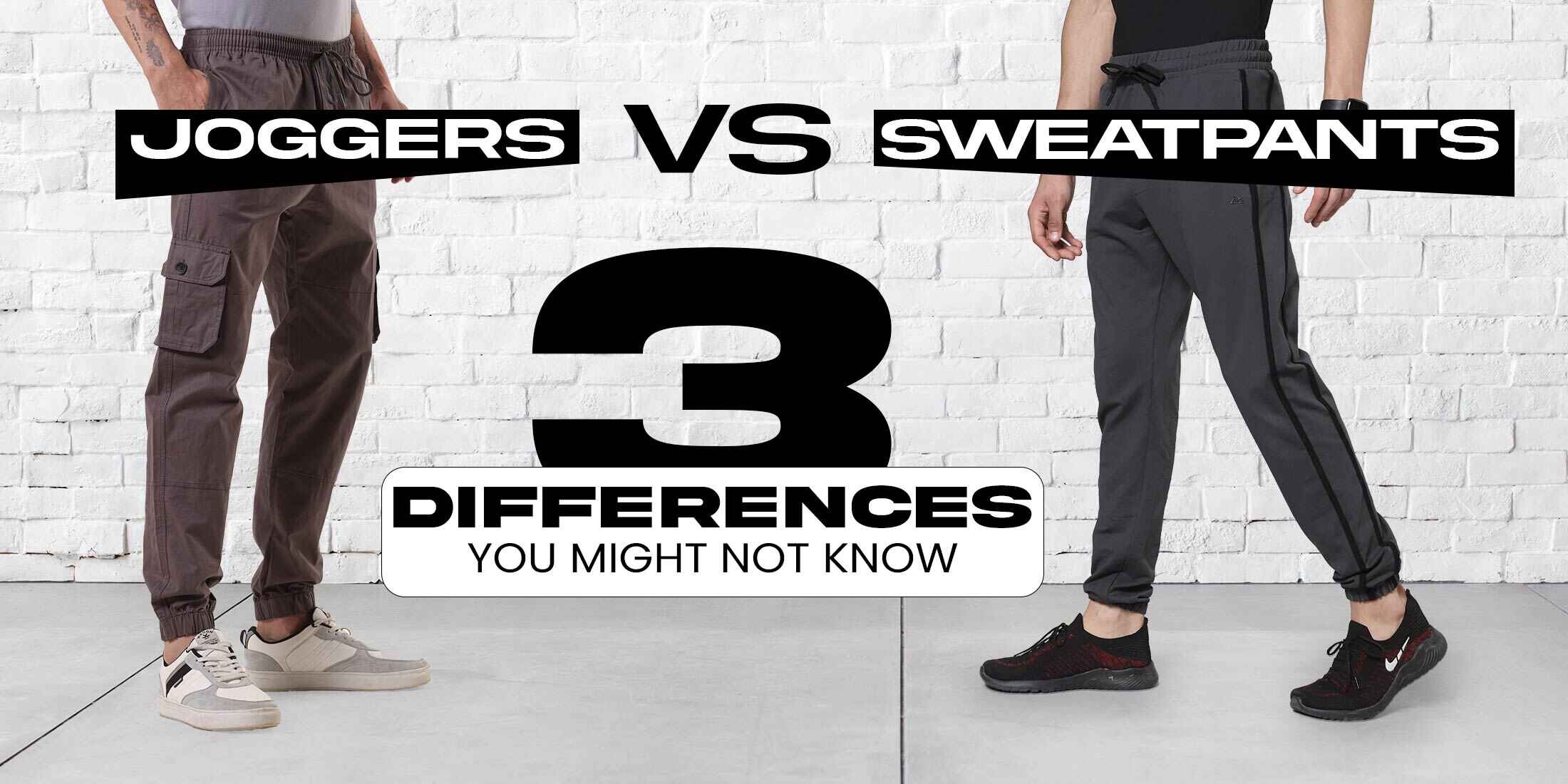
Joggers, conversely, are engineered for a more tailored and form-flattering fit. They typically feature a slightly slimmer cut through the hip and thigh, tapering significantly from the knee down to the cuffed ankle. This deliberate tapering creates a cleaner line and a more structured appearance, elevating the garment beyond simple loungewear. Brands strategically design this fit to offer a balance between comfort and style, allowing the jogger to be dressed up or down. The ankle cuff is a critical design element, ensuring the pant sits neatly above or at the ankle, providing a polished finish that differentiates it from the often-bunched or flapping hem of traditional sweatpants. The precision in jogger sizing and fit across different brand lines often reflects a greater emphasis on style and aesthetic appeal, contrasting with the more forgiving, universal fit approach of many sweatpant brands.
Strategic Market Positioning: Defining the Brand Narrative
The distinction between joggers and sweatpants is not merely about physical attributes; it’s deeply rooted in the strategic market positioning and brand narratives cultivated by apparel companies. Each garment occupies a different psychological space in the consumer’s mind, a perception meticulously crafted through marketing, advertising, and retail presentation.
Sweatpants: The Epitome of Unadulterated Comfort and Authenticity:
Brands position sweatpants as the quintessential garment for relaxation, home comfort, and casual utility. The narrative often revolves around authenticity, nostalgia, and a return to basics. Marketing campaigns for sweatpants frequently depict scenarios of lounging, low-key weekend activities, or casual athletic warm-ups. The target audience is often those prioritizing pure comfort, functionality, and a relaxed lifestyle without overt fashion pretensions. Brands reinforce this by emphasizing durability, classic styling, and a timeless appeal. The corporate identity linked to sweatpants is often one of reliability, tradition, and a focus on essential comfort. For brands, selling sweatpants is about offering an experience of effortless ease and dependable warmth, a brand promise that resonates deeply with consumers seeking reprieve from more structured attire.
Joggers: The Versatile Icon of Modern Athleisure:
Joggers are positioned as a versatile, fashionable, and functional staple for the active, style-conscious individual. The brand narrative for joggers often intertwines themes of performance, contemporary style, and effortless transition from gym to street. Marketing showcases joggers in dynamic settings: from a yoga class to a coffee shop, from a casual office environment to international travel. The target demographic is typically younger, more fashion-forward, and values clothing that supports an active yet stylish lifestyle. Brands like Nike and Adidas have masterfully created distinct “jogger” lines that signify a blend of technical innovation with urban style, while luxury brands infuse premium materials and minimalist design to elevate the jogger into high fashion. This positioning allows brands to command higher price points and establish a reputation for trendsetting and sophisticated sportswear. The brand identity associated with joggers is one of innovation, adaptability, and a curated, active lifestyle.

Brand Identity and Consumer Perception: Shaping Expectations
The efforts brands put into designing and marketing joggers and sweatpants significantly shape consumer perception and, consequently, purchasing decisions. Consumers don’t just buy a garment; they buy into a brand’s promise and identity.
Brand Loyalty and Consumer Segmentation:
Brands leverage the distinct identities of joggers and sweatpants to foster different types of brand loyalty and appeal to segmented markets. Consumers loyal to a brand’s traditional sweatpants might prioritize comfort and value, associating the brand with reliability and unpretentious quality. These individuals may be less swayed by fleeting fashion trends and more by enduring comfort and practical utility. Their brand loyalty is built on consistent quality and a familiar, reassuring product experience.
Conversely, consumers drawn to a brand’s jogger lines often align with a more trend-conscious segment, seeking items that blend functionality with current fashion sensibilities. Their loyalty might be driven by a brand’s ability to innovate, adapt to new styles, and project an image of contemporary relevance. Brands successfully cultivating this segment emphasize not just the product, but the lifestyle it represents – a modern, active, and effortlessly chic existence.
Retail and Visual Merchandising:
The distinction is further solidified in retail environments and e-commerce platforms. Brands often display sweatpants in sections dedicated to loungewear, sleepwear, or basic athletic wear, emphasizing their comfort and utility. Visual merchandising might feature relaxed, inviting settings. Joggers, however, are typically presented in activewear sections, athleisure displays, or even integrated into casual fashion collections, often styled with sneakers, contemporary tops, and accessories to highlight their versatility and style credentials. Online, product descriptions for sweatpants emphasize warmth, softness, and relaxation, while jogger descriptions highlight fit, performance features, and adaptability for various social contexts. These deliberate choices in presentation and communication are critical brand tools used to guide consumer perception and reinforce the distinct market positions of each garment.
In essence, the “difference” between joggers and sweatpants is a complex interplay of design choices, material science, marketing narratives, and brand strategy. It’s a testament to how apparel brands meticulously craft product identities to resonate with diverse consumer desires, ultimately transforming two comfortable garments into distinct pillars of modern casual wear.
aViewFromTheCave is a participant in the Amazon Services LLC Associates Program, an affiliate advertising program designed to provide a means for sites to earn advertising fees by advertising and linking to Amazon.com. Amazon, the Amazon logo, AmazonSupply, and the AmazonSupply logo are trademarks of Amazon.com, Inc. or its affiliates. As an Amazon Associate we earn affiliate commissions from qualifying purchases.