
The subtle distinctions between common household pests like gnats and fruit flies often elude the casual observer, leading to misidentification and, consequently, ineffective management strategies. In an era where technology permeates every aspect of our lives, from smart homes to advanced agricultural systems, understanding these minute biological differences through a technological lens is crucial for deploying precision pest control. This exploration delves into how modern tech tools, AI, and data analytics differentiate these tiny intruders and enable targeted, efficient responses, moving beyond generic sprays to sophisticated, tailored solutions.
The Core Challenge: Misidentification and Its Tech Solutions
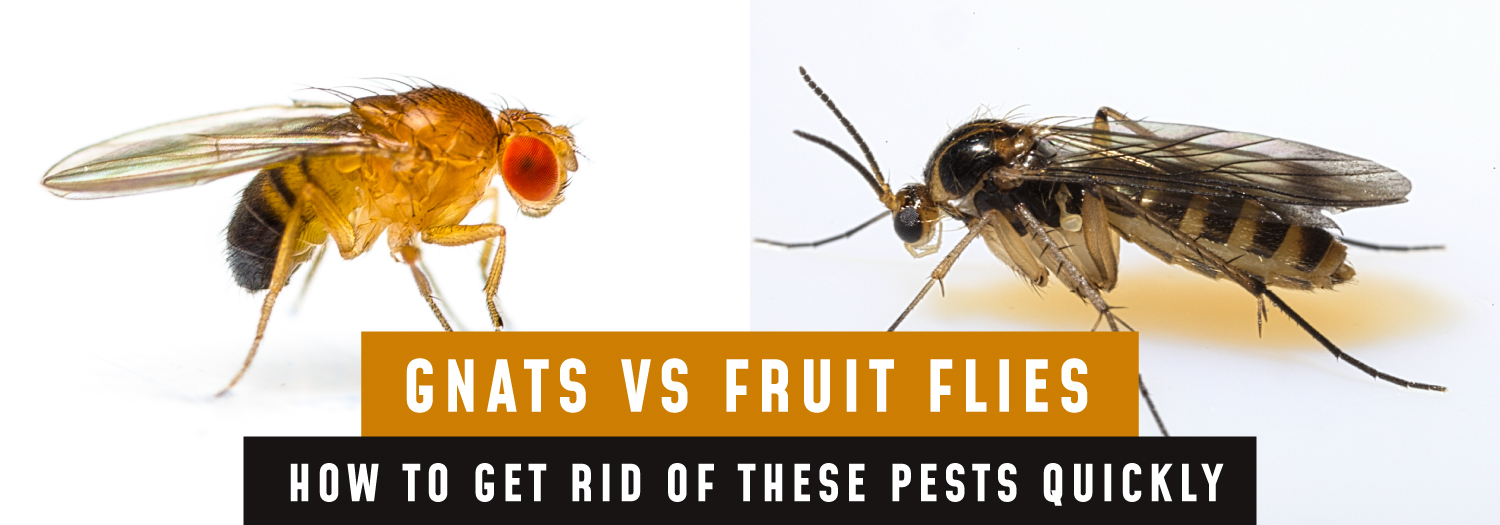
Distinguishing between a gnat and a fruit fly is not merely an academic exercise; it’s a practical necessity for effective pest management. While both are small, winged insects commonly found indoors, their life cycles, attractants, and behaviors differ significantly. Traditional identification relies on visual inspection, which can be prone to error. Here, technology steps in to offer enhanced accuracy and efficiency.
Visual AI and Machine Learning for Accurate Identification
The advent of visual artificial intelligence (AI) and machine learning (ML) has revolutionized pest identification. Smartphone applications, equipped with image recognition algorithms, can now analyze uploaded photographs or live camera feeds of insects. These algorithms are trained on vast datasets of insect images, including various species of gnats (such as fungus gnats, drain flies, and shore flies) and common fruit fly species (like Drosophila melanogaster).
The AI system looks for specific morphological characteristics:
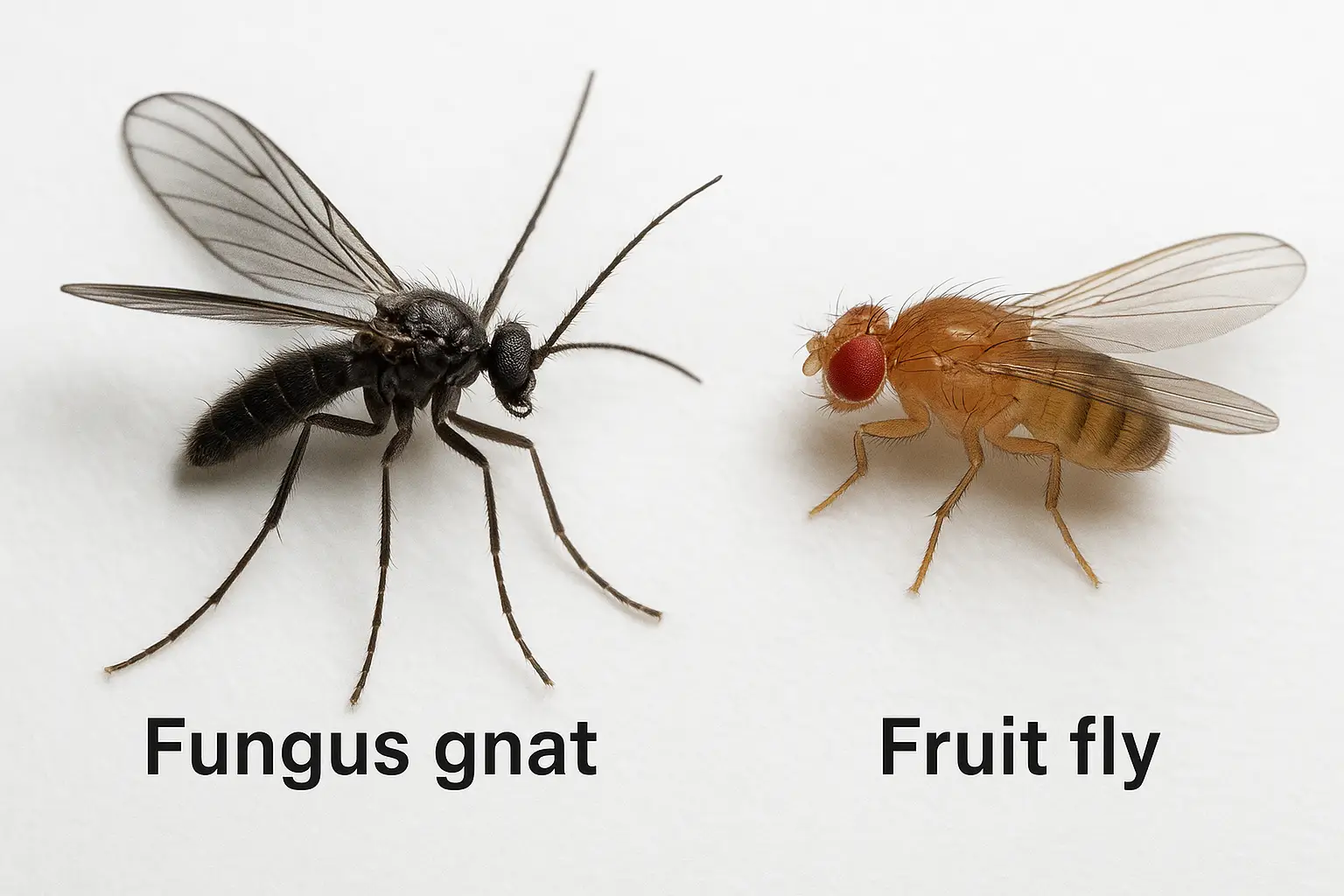
- Size and Shape: While both are small, fruit flies tend to be slightly larger and have a rounder, more robust body compared to the more slender and delicate appearance of many gnats. AI can quantify these subtle differences in body proportions.
- Eye Color: Fruit flies are famously known for their distinctive red eyes, a trait less common or absent in most gnat species. AI vision systems are highly adept at identifying this specific color signature.
- Wing Venation: The pattern of veins on an insect’s wings is a key taxonomic feature. Advanced microscopy integrated with image processing software can analyze these intricate patterns, providing a definitive identification that is nearly impossible for the human eye to discern consistently.
- Antennae Structure: Fruit flies typically have short, stubby antennae with a feather-like bristle (arista), whereas gnats often have longer, more segmented antennae. AI models are trained to differentiate these structures accurately.
By processing these visual cues with unparalleled speed and precision, AI-powered tools can quickly classify the pest, guiding users or professional pest control technicians towards the correct course of action, eliminating the guesswork associated with manual observation.
Sensor Networks for Behavioral Pattern Recognition
Beyond visual identification, the behavioral patterns of gnats and fruit flies provide critical clues, which can be monitored and analyzed using sensor networks. Different species are attracted to distinct environmental conditions and food sources, and their flight patterns can vary.
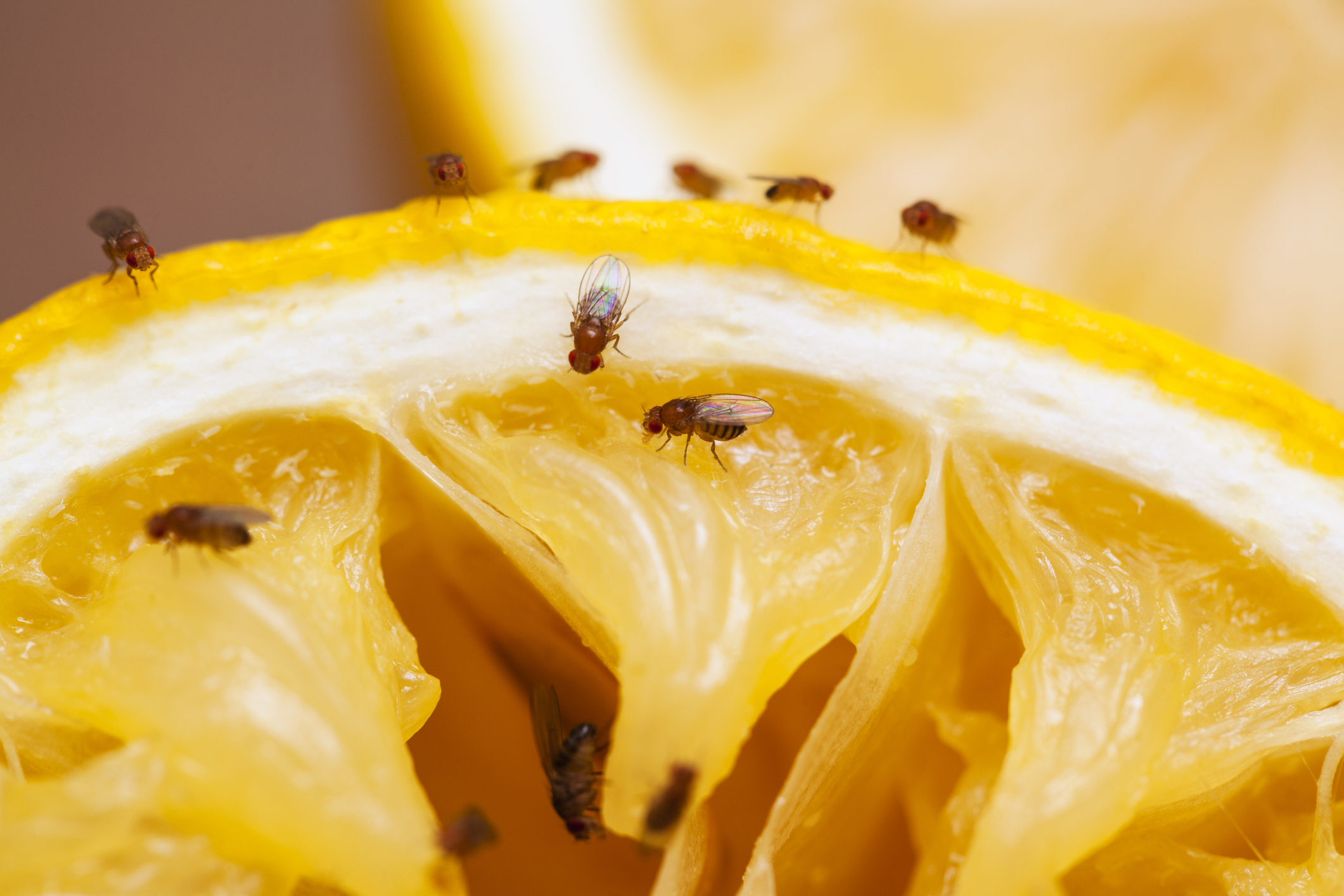
- Attractant Monitoring: Fruit flies are primarily drawn to fermenting fruits, vegetables, and sugary liquids. Smart traps equipped with volatile organic compound (VOC) sensors can detect the specific chemical signatures of fermentation (e.g., acetic acid, ethanol) that fruit flies seek out. Conversely, many gnat species, particularly fungus gnats, are attracted to moist soil and decaying organic matter rich in fungi, which emit different chemical profiles detectable by other specialized sensors.
- Movement and Flight Patterns: Infrared motion sensors and miniature radar systems can track the flight paths and densities of insect populations. Fruit flies often exhibit more erratic, “darting” flight patterns around their food source, while fungus gnats may fly in a more meandering fashion, closer to potted plants or damp areas. Data collected from these sensors, when processed by analytical software, can identify these species-specific movement signatures.
- Environmental Data Integration: Integrated IoT sensor networks monitor environmental parameters such as humidity, temperature, and light levels. Fungus gnats thrive in high humidity and moist conditions, typically found around overwatered plants. Fruit flies, while also preferring moderate humidity, are more focused on the presence of decaying food. By correlating insect presence with specific environmental data, these systems can infer the likely species and identify potential breeding grounds. For example, a spike in insect activity near a high-humidity zone with a potted plant would strongly suggest fungus gnats, especially if fermentation markers are absent.
This holistic approach, combining visual AI with behavioral and environmental sensing, creates a robust framework for distinguishing between these pests, forming the bedrock for intelligent pest management.
Precision Pest Management: Tailored Tech Responses
Once accurately identified, the next step involves deploying targeted pest control. Generic solutions are often wasteful and ineffective, and sometimes even harmful. Precision pest management, driven by technological insights, allows for bespoke strategies that address the specific biology and habits of gnats versus fruit flies.
Smart Traps and Lure Technologies
The “smart” evolution of traditional insect traps lies in their ability to use species-specific attractants, integrate monitoring capabilities, and communicate data.
- Fruit Fly Specific Traps: These smart devices typically incorporate lures based on apple cider vinegar, ethanol, or other fermentation byproducts. Some advanced traps use LED light arrays tuned to specific wavelengths that fruit flies find irresistible. Built-in cameras or optical sensors count trapped insects, providing real-time population data to a central hub or mobile application. This allows users to monitor the efficacy of the trap and understand population trends without manual inspection.
- Gnat Specific Traps: For fungus gnats, the lure strategy shifts. These traps might employ specific fungal metabolites or yellow sticky traps whose color is particularly attractive to them. Smart versions of these traps can alert users when they need emptying or when the gnat population crosses a predefined threshold, indicating a significant infestation around a specific plant or moist area. Drain fly traps often use gel formulations that coat pipe interiors, disrupting their breeding, and smart dispensers can regulate application based on sensor data.
- Automated Release Systems: Some advanced systems can even incorporate automated, targeted release of biological control agents (e.g., predatory mites or nematodes for fungus gnats) or micro-doses of non-toxic deterrents, triggered by the precise identification and population count provided by the smart trap network.
Integrated Pest Management (IPM) Software and Data Analytics
Beyond individual devices, the true power of technology in precision pest management lies in its ability to integrate data from various sources into a comprehensive IPM software platform. This software acts as a central nervous system, analyzing data and orchestrating responses.
- Data Aggregation and Analysis: IPM software collects data from smart traps, environmental sensors, manual inspections, and even external weather forecasts. It can then apply advanced analytics to identify patterns, predict future outbreaks, and pinpoint the exact source of an infestation. For example, if fruit fly counts are consistently high near a kitchen compost bin, the software might recommend immediate action for that specific area, rather than a whole-house treatment.
- Customized Action Plans: Based on the analyzed data and species identification, the software generates customized action plans. If it’s fruit flies, the recommendations will focus on sanitation, sealing food, and deploying fruit-fly specific traps. If it’s fungus gnats, the advice will center on reducing soil moisture, using gnat-specific biological controls, and removing breeding sites.
- Efficiency and Resource Optimization: By precisely targeting the pest and its source, IPM software minimizes the use of insecticides, reduces labor costs for pest control professionals, and optimizes resource allocation. This leads to more sustainable and cost-effective pest management.
- Predictive Modeling: Leveraging historical data and real-time environmental inputs, AI-driven IPM systems can develop predictive models. These models can forecast the likelihood of a gnat or fruit fly infestation based on seasonal changes, indoor conditions, and potential entry points, allowing for proactive prevention rather than reactive treatment.
Digital Security and Hygiene: Protecting Your Digital and Physical Spaces
The parallels between digital security and physical hygiene in pest control might seem disparate, but in a tech-driven world, they converge. Just as robust digital security protects systems from malware, smart hygiene systems protect physical spaces from biological intruders.
IoT-Enabled Environmental Monitoring
Internet of Things (IoT) devices are foundational to maintaining a proactive hygienic environment against pests.
- Automated Climate Control: Smart thermostats and humidity sensors, linked to HVAC systems, can automatically adjust indoor climates to be less hospitable for pests. Fungus gnats, for instance, thrive in high humidity. An IoT system can detect elevated moisture levels around plants and trigger dehumidifiers or adjust ventilation to dry out the environment, making it unfavorable for gnat breeding.
- Leak Detection and Water Management: Smart leak detectors can identify plumbing issues that create the damp conditions favored by drain flies and fungus gnats. These devices can alert homeowners or facility managers instantly, allowing for prompt repairs that eliminate breeding sites before an infestation takes hold.
- Smart Waste Management: For fruit flies, smart compost bins or waste disposal units can monitor fill levels and trigger automated compacting or sealing mechanisms, minimizing exposure of fermenting organic matter to the air and preventing attraction. Some smart bins can even initiate UV-C sterilization cycles to kill larvae and eggs.
Software Solutions for Supply Chain Vigilance
For businesses, particularly in food service, retail, or agriculture, the introduction of pests like fruit flies can have significant financial and reputational impacts. Software solutions play a critical role in supply chain vigilance.
- Inventory Management Systems: Advanced inventory management software can track the shelf life of produce with greater precision, alerting staff to items nearing spoilage. This reduces the availability of fermenting fruits and vegetables that attract fruit flies.
- Supplier Compliance Platforms: Businesses use software to manage supplier compliance, ensuring that incoming goods are inspected and free from pests. This can involve digital checklists, photo submission requirements, and analytics to identify high-risk suppliers or products.
- Automated Receiving and Storage Protocols: In warehouses, automated systems can ensure that new shipments are moved quickly into appropriate storage conditions (e.g., refrigerated areas) that are less conducive to pest proliferation. Sensors within storage units continuously monitor temperature and humidity, alerting management to deviations that could foster pest activity.
By integrating these technological safeguards, both residential and commercial spaces can achieve a higher level of hygiene and security against nuisance pests, transforming reactive extermination into proactive, data-driven prevention.
Emerging Tech in Pest Control: Beyond Traditional Methods
The horizon of pest control is continually expanding with innovations that promise even greater precision, efficiency, and environmental friendliness. These emerging technologies offer a glimpse into the future of how we will manage the differences between pests like gnats and fruit flies.
Drone-Based Surveillance and Treatment
For larger-scale applications, such as agricultural fields, commercial greenhouses, or expansive urban areas, drones are becoming invaluable.
- Automated Pest Scouting: Drones equipped with high-resolution cameras and multispectral sensors can autonomously survey large areas, identifying pest hotspots. AI algorithms can analyze the imagery to detect early signs of plant stress indicative of pest presence and even distinguish specific insect species or types of damage. This allows for early detection of fruit fly outbreaks in orchards or gnat issues in nurseries.
- Targeted Biological and Chemical Application: Once a hotspot is identified, drones can be programmed to deliver highly targeted treatments. This could involve releasing beneficial insects (biological control) or applying minute quantities of eco-friendly pesticides precisely where needed, reducing overall chemical use and minimizing environmental impact. For example, a drone could pinpoint and treat a specific section of a vineyard affected by fruit flies without widespread spraying.
AI-Driven Predictive Analytics
The culmination of data collection and analysis is predictive analytics. This takes pest management from responsive to genuinely proactive.
- Environmental Trend Analysis: AI systems continuously analyze vast amounts of data—including local weather patterns, climate change models, historical pest outbreaks, and environmental sensor readings—to predict future infestations. For instance, a series of warm, wet weeks might trigger a prediction for increased fungus gnat activity, prompting pre-emptive moisture control measures.
- Genetic and Behavioral Modeling: Advanced AI can model the reproductive cycles and behavioral responses of pests like gnats and fruit flies to various stimuli. This allows for the development of highly effective, future-proof control strategies, such as designing new lures based on predicted evolutionary changes in pest attraction.
- Resource Allocation Optimization: Predictive analytics enables smarter allocation of pest control resources. Cities or large agricultural operations can use these models to deploy traps, monitoring stations, or treatment teams to areas most likely to experience an outbreak before it occurs, optimizing budgets and preventing widespread issues.
The technological distinctions between gnats and fruit flies are no longer just about their biology but how technology itself interacts with and responds to those biological differences. As AI, IoT, and advanced analytics continue to evolve, our ability to identify, understand, and precisely manage these tiny intruders will only grow more sophisticated, ensuring healthier, cleaner environments for all.
aViewFromTheCave is a participant in the Amazon Services LLC Associates Program, an affiliate advertising program designed to provide a means for sites to earn advertising fees by advertising and linking to Amazon.com. Amazon, the Amazon logo, AmazonSupply, and the AmazonSupply logo are trademarks of Amazon.com, Inc. or its affiliates. As an Amazon Associate we earn affiliate commissions from qualifying purchases.