
The audio landscape is constantly evolving, with manufacturers pushing boundaries in sound quality, connectivity, and user experience. Beats, a brand synonymous with powerful bass and stylish design, has consistently refreshed its product line to keep pace. Two prominent models in its on-ear headphone series are the Solo 3 and the Solo 4. While both share the iconic Solo lineage, a closer inspection reveals significant advancements and refinements that differentiate the newer iteration from its predecessor. Understanding these distinctions is crucial for consumers looking to invest in a pair of premium on-ear headphones, as they impact everything from audio fidelity to daily convenience and overall value.

Design and Build Evolution: Refinement Over Revolution
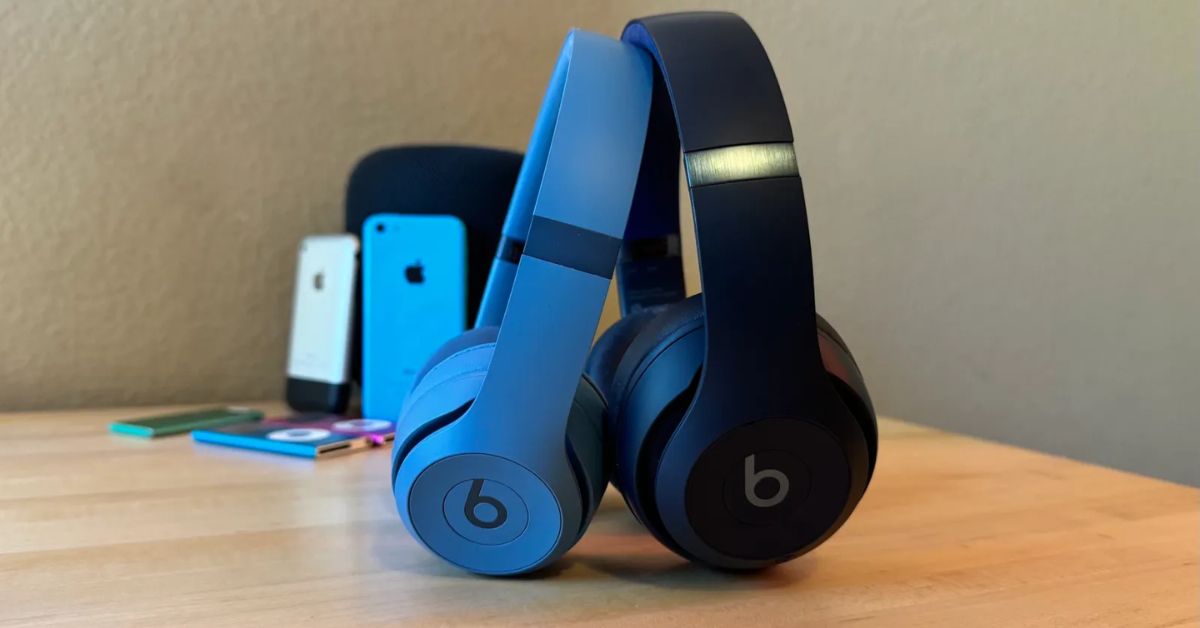
At first glance, the Beats Solo 3 and Solo 4 might appear remarkably similar, maintaining the brand’s signature aesthetic and compact on-ear form factor. However, the Solo 4 introduces subtle yet impactful design and material upgrades that contribute to an enhanced user experience, focusing on comfort, durability, and a more streamlined profile.
Aesthetics and Ergonomics
The Solo 3, released in 2016, featured a robust plastic construction with a glossy or matte finish, characterized by its fairly pronounced hinge mechanism. Its earcups were adequately padded, designed for extended listening sessions. The Solo 4, while retaining the familiar silhouette, refines these elements. The earcups, for instance, are noticeably softer and engineered with improved ergonomics, aiming to reduce pressure points during prolonged wear. This seemingly minor adjustment significantly enhances comfort, a critical factor for on-ear headphones that can sometimes cause fatigue. The overall finish often feels more premium on the Solo 4, with subtle material changes that lend it a more integrated and less “assembled” look, aligning with modern industrial design trends.
Materials and Durability
Durability is a key consideration for portable headphones, and the Solo 4 makes strides in this area. While the Solo 3 was reasonably durable for its time, the Solo 4 incorporates more robust materials in its construction, particularly in stress points like the headband and hinge mechanisms. The joints feel tighter and more resilient, suggesting a longer lifespan under typical usage conditions. The improved earcup material, beyond its comfort benefits, also demonstrates better resistance to wear and tear over time, addressing a common concern with older models where earpads could degrade. These material choices contribute to a more premium tactile feel as well, elevating the perceived quality of the Solo 4.
Portability and Folding Mechanism
Both Solo models emphasize portability, featuring a foldable design that allows them to collapse into a compact form factor, making them ideal companions for travel or daily commutes. The Solo 3’s folding mechanism was functional and reliable. The Solo 4 maintains this core functionality but with a slightly more refined and smoother hinge action. The improved durability of the materials used in the hinges also means less concern about long-term wear and tear from frequent folding and unfolding. While the overall footprint remains similar, the subtle enhancements in construction contribute to a more reassuring and robust portable experience with the Solo 4.
Core Audio Performance and Technology: A Leap Forward
The most significant distinctions between the Solo 3 and Solo 4 lie beneath the surface, in their respective audio technologies and internal chipsets. These differences translate directly into a superior listening experience, advanced connectivity, and integration with modern audio features.
Sound Profile and Drivers
The Beats Solo 3 delivers a sound profile characteristic of the brand’s earlier offerings: punchy bass, energetic mids, and reasonably clear highs. It caters to listeners who appreciate a prominent low-end response, making genres like hip-hop, electronic, and pop particularly engaging. The Solo 4, however, represents a maturation of Beats’ audio philosophy. It features custom-built transducers that aim for a more balanced and refined sound signature. While retaining the brand’s signature bass, it’s presented with greater clarity and control, preventing it from overpowering the mids and highs. This results in a more detailed soundstage, improved instrument separation, and a richer overall audio experience that appeals to a broader range of music genres and discerning listeners. The Solo 4 offers a noticeable upgrade in audio fidelity, moving beyond just bass emphasis to a more holistic and nuanced sound.
Noise Cancellation and Transparency
Crucially, neither the Beats Solo 3 nor the Solo 4 features active noise cancellation (ANC) or transparency modes. Both rely solely on passive noise isolation provided by their on-ear design and earcup seal. This is an important distinction, as many competitors in this price bracket now offer ANC. While the Solo 4’s improved earcup design might offer marginally better passive isolation due to a more effective seal, neither model is designed to actively block out environmental noise. This makes them less ideal for extremely noisy environments like airplanes or bustling city streets, where ANC headphones would excel. Buyers prioritizing active noise cancellation should look at other models in the Beats lineup, such as the Studio Pro, or competing brands.
Chipset and Connectivity (W1 vs. H1)
The internal chipset is arguably the most impactful differentiator between the two models, profoundly affecting connectivity, efficiency, and feature set.
- Beats Solo 3 (Apple W1 Chip): The Solo 3 was among the first Beats headphones to feature Apple’s W1 chip. This chip revolutionized Bluetooth pairing and device switching within the Apple ecosystem. It enabled instant pairing with an iPhone simply by opening the headphones near the device, and seamless switching between other iCloud-connected Apple devices (iPhone, iPad, Mac, Apple Watch). The W1 also contributed to excellent wireless range and battery efficiency for its time.
- Beats Solo 4 (Apple H1 Chip): The Solo 4 steps up to the more advanced Apple H1 chip (or a variant thereof, as it’s often referred to as a “custom Beats chip” that performs similarly). The H1 chip offers several key advantages over the W1:
- Faster and More Stable Connectivity: Improved Bluetooth 5.3 technology provides a more robust and energy-efficient connection, reducing dropouts and latency.
- “Hey Siri” Support: With the H1 chip, users can activate Siri hands-free by simply saying “Hey Siri,” a convenience not available on the Solo 3.
- Audio Sharing: The H1 chip enables Audio Sharing, allowing two sets of compatible Beats or AirPods headphones to listen to the same audio stream from a single Apple device.
- Spatial Audio with Dynamic Head Tracking: This is a groundbreaking feature introduced with the H1 chip in the Solo 4. It provides an immersive, theater-like experience by placing sounds virtually all around the listener. With dynamic head tracking, the sound field remains fixed to the device, making it feel like the audio is coming from a stage in front of you, even as you move your head. This adds a new dimension to music, movies, and TV shows. The Solo 3 lacks this advanced spatial audio capability.
The H1 chip in the Solo 4 provides a significantly more modern and integrated Apple ecosystem experience, transforming how users interact with their audio and devices.
Battery Life and Charging: Modern Conveniences
Battery performance is a critical factor for any wireless audio device, and while both Solo models boast impressive endurance, the Solo 4 incorporates modern charging standards and maintains a competitive edge.
Endurance Ratings
The Beats Solo 3 set a high bar for battery life with its W1 chip, offering an outstanding 40 hours of continuous playback on a single charge. This was a class-leading figure at its release and remains highly competitive even today. The Beats Solo 4 maintains this impressive standard, also providing up to 50 hours of listening time. This slight increase in endurance, despite potentially more demanding features like Spatial Audio, is a testament to the H1 chip’s efficiency and improved battery management, ensuring users can go for days or even weeks without needing to recharge, depending on usage.
Fast Charging Capabilities
Both models incorporate fast-charging features, designed to provide significant listening time from a brief charge. The Solo 3 featured “Fast Fuel,” which delivered 3 hours of playback from a 5-minute charge. The Solo 4 continues this tradition with an equally impressive “Fast Fuel” equivalent, offering up to 5 hours of playback from a 10-minute charge. While the numbers differ slightly, the core convenience of quickly topping up the battery for a commute or short session remains a strong selling point for both.
Charging Port Standard (Micro-USB vs. USB-C)
One of the most welcome modernizations in the Solo 4 is the transition from Micro-USB to USB-C for charging. The Solo 3, being an older model, relies on the now-outdated Micro-USB standard. This often means carrying a separate cable for the headphones if other devices (like modern smartphones, laptops, or tablets) use USB-C. The Solo 4’s adoption of USB-C brings it in line with contemporary tech standards, allowing users to consolidate their charging cables. This is a significant quality-of-life improvement, reducing cable clutter and making charging more convenient, especially for users with a predominantly USB-C device ecosystem.
User Experience and Features: Seamless Integration
Beyond core audio, the overall user experience is heavily influenced by controls, smart features, and how well the headphones integrate with a user’s digital life. The Solo 4 offers subtle enhancements that streamline interaction and leverage Apple’s ecosystem more effectively.
Controls and Customization
Both Solo 3 and Solo 4 feature physical on-ear controls for playback, volume, and call management. These tactile buttons are often preferred by users over touch-sensitive controls, offering reliable feedback and ease of use, even with gloves. The Solo 4 maintains this familiar and functional control scheme. Customization options, primarily managed through iOS settings for Apple users, are also similar, allowing for minor adjustments and firmware updates. However, the Solo 4’s integration with “Hey Siri” via the H1 chip adds a new layer of hands-free control, making it easier to manage calls, music, and access information without touching the phone or headphones.
Spatial Audio Integration
As highlighted earlier, Spatial Audio with dynamic head tracking is a marquee feature exclusive to the Solo 4. This technology creates an immersive, multi-dimensional audio experience, particularly compelling for Dolby Atmos-mastered music, movies, and TV shows. It simulates a soundstage that remains fixed relative to the screen of your paired Apple device, enhancing the sense of presence and realism. For content creators and consumers who appreciate cutting-edge audio experiences, this feature alone can be a significant draw for the Solo 4, offering a level of immersion simply not possible with the Solo 3’s stereo output.
Ecosystem Integration (Apple Devices)
The Solo 3, with its W1 chip, offered excellent integration within the Apple ecosystem, including seamless pairing and device switching. The Solo 4 builds upon this foundation with the H1 chip, further enhancing the experience. Features like “Hey Siri” and Audio Sharing become available, deepening the symbiotic relationship with Apple devices. This makes the Solo 4 an even more natural extension for iPhone, iPad, and Mac users, providing a consistently smooth and integrated experience that goes beyond simple Bluetooth connectivity. While both work as standard Bluetooth headphones with Android and other devices, their full potential is unlocked when paired with Apple products.
Value Proposition and Target Audience: Making the Right Choice
When considering an upgrade or a new purchase, the decision often boils down to balancing features against cost and individual needs. The Solo 3 and Solo 4, despite their differences, cater to slightly distinct segments of the market.
Pricing and Market Positioning
The Beats Solo 3, as an older model, is often available at significantly discounted prices, especially through third-party retailers or during sales events. Its original retail price was higher, but its current market value reflects its age. The Solo 4, being the latest iteration, commands a premium price point, positioning it as a current-generation mid-to-high-tier on-ear headphone. Its pricing reflects the advanced H1 chip, improved audio, and modern conveniences like USB-C and Spatial Audio. For budget-conscious buyers, the Solo 3 might represent an excellent value proposition, especially if core functionality and long battery life are the primary concerns.
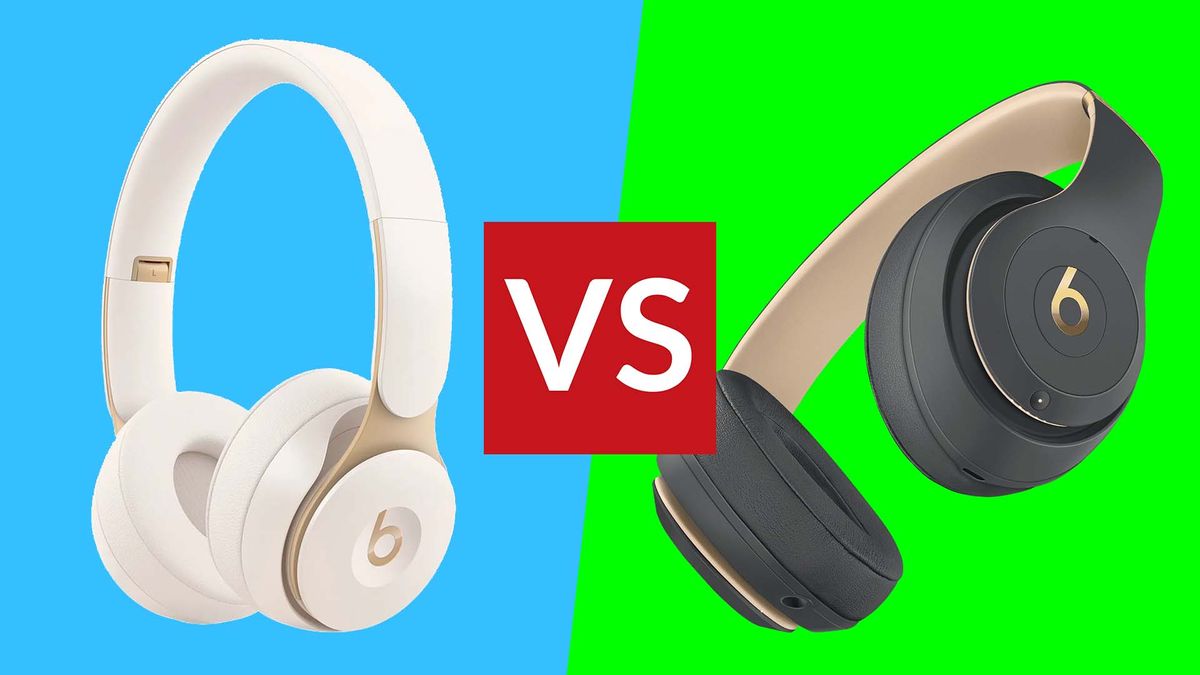
Who Should Buy the Solo 3?
The Beats Solo 3 remains a viable option for users who:
- Are on a tighter budget and can find it at a significantly reduced price.
- Primarily listen to bass-heavy music and appreciate its energetic sound signature.
- Value exceptional battery life (40 hours) and robust on-ear controls.
- Are content with Micro-USB charging and don’t require Spatial Audio or “Hey Siri.”
- Are deeply integrated into the Apple ecosystem but don’t need the latest chip’s advanced features.
Who Should Upgrade to the Solo 4?
The Beats Solo 4 is clearly positioned for users who:
- Desire superior audio fidelity with a more balanced and refined sound profile.
- Want the latest Apple H1 chip features, including “Hey Siri,” Audio Sharing, and particularly Spatial Audio with dynamic head tracking.
- Prioritize modern conveniences like USB-C charging for cross-device compatibility.
- Appreciate enhanced comfort and durability from subtle design and material upgrades.
- Are willing to pay a premium for a more future-proof and feature-rich on-ear headphone experience that leverages the full potential of the Apple ecosystem.
In essence, the Beats Solo 4 is not merely an incremental update; it’s a significant evolution that brings the Solo line into the modern era of wireless audio, aligning it more closely with Apple’s contemporary technological ecosystem and audio capabilities. While the Solo 3 still holds its own as a budget-friendly option, the Solo 4 offers a compelling upgrade for those seeking enhanced sound, smarter features, and a more streamlined user experience.
aViewFromTheCave is a participant in the Amazon Services LLC Associates Program, an affiliate advertising program designed to provide a means for sites to earn advertising fees by advertising and linking to Amazon.com. Amazon, the Amazon logo, AmazonSupply, and the AmazonSupply logo are trademarks of Amazon.com, Inc. or its affiliates. As an Amazon Associate we earn affiliate commissions from qualifying purchases.