
The color of kerosene, seemingly a straightforward physical property, holds significant financial implications within the global energy markets. While often described as clear or slightly yellowish, this visual characteristic serves as a crucial indicator of purity, grade, and adherence to regulatory standards, directly impacting its market value, trade specifications, and the financial health of businesses across the supply chain. For investors, businesses in distribution, and even policymakers, understanding the nuances behind kerosene’s hue is not just scientific curiosity but a key element of commodity finance and risk management.
The Visual Indicator of a Global Commodity’s Value
Kerosene is a vital petroleum distillate, a refined product derived from crude oil, playing a critical role in various sectors worldwide—from aviation fuel (jet-A and jet-A1) to heating oil, lighting, and industrial solvents. As a globally traded commodity, its intrinsic value is determined not only by supply and demand dynamics but also by its quality and specifications. The seemingly simple attribute of color becomes a primary visual marker in assessing these critical financial factors.
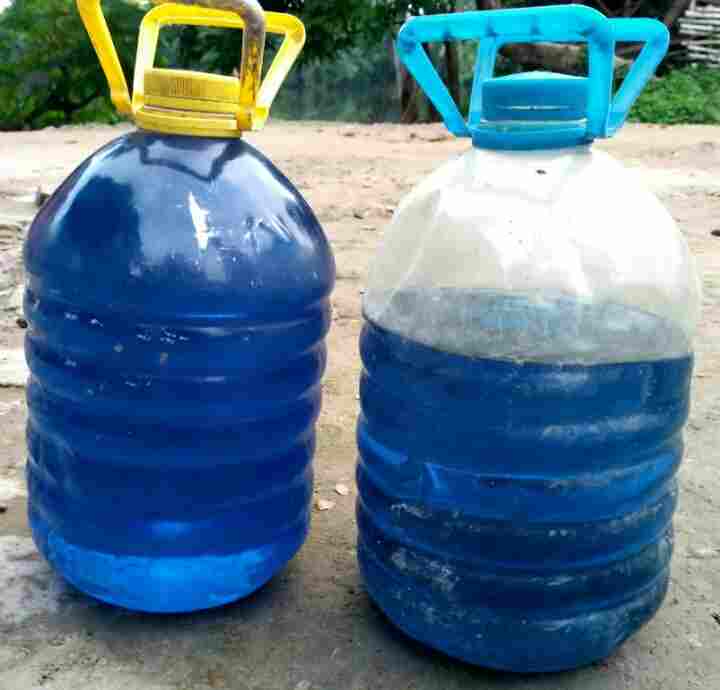
Kerosene in the Energy Market Landscape
Positioned between gasoline and diesel fuel in the crude oil refining process, kerosene’s broad application underscores its importance in the global energy matrix. Its financial significance is immense, with billions of dollars exchanged daily in its production, trade, and consumption. For energy companies, airlines, agricultural businesses, and countless industrial operations, the consistent quality of kerosene directly translates into operational efficiency, cost management, and ultimately, profitability. Deviations in quality, even visually subtle ones, can lead to substantial financial losses through reduced performance, equipment damage, or outright rejection of shipments.
From Crude to Clear: The Refining Process and Economic Impact
The journey from opaque crude oil to refined kerosene is a complex, capital-intensive process involving distillation, purification, and often, hydrotreating. The efficiency and quality of this refining process are paramount to producing a marketable product. Kerosene that emerges from the refinery clear and bright, or within its designated color parameters, signals a high degree of purification, indicating successful removal of impurities like sulfur, nitrogen compounds, and other contaminants. This visual clarity is a testament to the significant investment in refining technology and expertise. Conversely, an off-color product might suggest an inefficient or compromised refining process, leading to a less valuable product that may struggle to meet market specifications, thereby eroding potential profit margins and justifying further, costly reprocessing. The ability to consistently produce high-quality, visually compliant kerosene directly impacts a refinery’s competitiveness and financial returns in a tight global market.
Perceptions of Purity and Price
In any commodity market, trust and perceived quality are powerful drivers of price. For bulk buyers, distributors, and even end-users, the color of kerosene serves as an immediate, albeit preliminary, indicator of its purity and grade. A clear, bright appearance is often associated with a high-quality, unadulterated product, instilling confidence in its performance and safety characteristics. This positive perception can command a premium price and facilitate smoother transactions. Conversely, visibly darker or discolored kerosene can raise red flags, leading to skepticism about its purity, potential contamination, or degradation. This can result in price discounts, demands for further laboratory testing (incurring additional costs), or even outright rejection of the consignment, leading to significant financial losses for the seller and logistical challenges for both parties. In a fiercely competitive market, maintaining visual quality is therefore not just a technicality but a critical component of brand reputation and financial viability.
Color as a Financial Barometer for Quality and Grade
Beyond mere perception, the color of kerosene is often a quantifiable parameter within industry standards, directly linking its visual attributes to its commercial specifications and financial value. These standards dictate acceptable ranges, ensuring consistency and facilitating global trade, while also serving as a defense against adulteration and fraudulent practices.
ASTM Standards and Commercial Specifications
International organizations like ASTM (formerly American Society for Testing and Materials) establish rigorous standards for petroleum products, including specific tests for color. For kerosene, particularly for aviation turbine fuels (jet fuel), color is a critical specification. Tests like the Saybolt Color or ASTM Color are employed to quantify the visual appearance. Jet fuels, for instance, typically require a Saybolt Color of +15 or higher, indicating a very pale yellow to colorless appearance. Adherence to these precise color standards is not optional; it is a mandatory requirement for international trade, contractual agreements, and regulatory compliance. Failure to meet these specifications can result in substantial financial penalties, rejection of cargoes, and breach of contracts, leading to significant financial exposure for traders and suppliers. Financial institutions involved in commodity financing often review these specifications as part of their due diligence before approving loans or trade credit.
Detecting Contamination and Fraudulent Practices
One of the most critical financial roles of kerosene’s color is its utility in detecting contamination or adulteration. Kerosene is designed for specific applications, and its contamination with other fuels—such as gasoline or diesel—or foreign substances can severely compromise its performance and safety. For instance, jet fuel contaminated with diesel could cause engine damage in aircraft, leading to catastrophic financial and human costs. Visibly darker or cloudier kerosene, or kerosene exhibiting an unusual tint, can be the first warning sign of such contamination. This early visual detection allows for immediate action, potentially averting costly equipment damage, product recalls, environmental liabilities, and reputational harm, all of which have severe financial repercussions. The financial losses incurred from dealing with off-spec or adulterated fuel can range from lost sales and reprocessing costs to extensive legal battles and insurance claims. Implementing robust quality control measures, including visual color checks, is a crucial component of financial risk mitigation in the energy sector.
Additives and Economic Differentiation

In certain markets, kerosene is intentionally dyed to differentiate it for specific economic and regulatory purposes, highlighting another financial dimension of its color. For example, in some countries, “red kerosene” or “red diesel” refers to fuels that are tax-exempt or subject to reduced excise duties because they are designated for specific uses, such as agricultural machinery, heating oil, or off-road vehicles. This purposeful coloration provides a clear visual distinction, making it easier for tax authorities to enforce regulations and prevent the illegal use of lower-taxed fuel in applications requiring full taxation (e.g., road vehicles). The financial implications are immense: businesses that correctly utilize these dyed fuels benefit from significant cost savings, directly impacting their operational expenditures and profitability. Conversely, the financial penalties for misusing dyed fuel can be severe, involving hefty fines, seizure of assets, and legal prosecution, representing a substantial financial risk for individuals and businesses attempting to circumvent tax laws.
Regulatory Compliance and Fiscal Implications
The regulatory framework governing kerosene, often encompassing color specifications, has profound fiscal implications for producers, distributors, and consumers. These regulations shape market dynamics, influence pricing, and dictate financial risk.
Navigating International Trade Regulations
The global nature of the kerosene market means that energy companies must navigate a complex web of international trade regulations. Different countries and regional blocs (like the EU) have their own standards for fuel quality, including specific color parameters, which must be met for legal import and sale. For instance, while clear kerosene is common, variations in sulfur content or other additives might subtly affect its hue, leading to non-compliance in certain jurisdictions. Financial risks associated with non-compliance include significant import duties, demurrage charges for delayed shipments, fines, and even outright rejection of cargo at ports, leading to massive logistical and financial losses. Strategic financial planning for international trade must account for these varied regulatory landscapes, often requiring investment in sophisticated testing equipment and expertise to ensure compliance and mitigate financial exposure.
Taxation, Subsidies, and Market Pricing
As previously mentioned, color-coding fuels for tax purposes is a powerful fiscal tool. Governments utilize this system to implement progressive taxation, incentivize specific industries, or provide subsidies. The distinct color (e.g., red) signals that a particular batch of kerosene has been afforded a preferential tax treatment, making it significantly cheaper at the point of sale. This directly impacts market pricing structures; there exists a clear price differential between “full-tax” and “reduced-tax” kerosene. Businesses operating on thin margins, such as agricultural enterprises or heating oil distributors, rely heavily on access to these lower-cost, dyed fuels to maintain profitability. Any disruption in their supply or a regulatory crackdown on misuse can severely impact their business finance. For government treasuries, the effective enforcement of color-based tax differentiation is crucial for revenue collection and preventing widespread tax evasion, which could lead to substantial fiscal deficits.
Operational Costs and Risk Management
Maintaining the specified color of kerosene, along with other quality parameters, adds to the operational costs across the supply chain. Refineries invest heavily in quality control laboratories and personnel to conduct routine Saybolt or ASTM color tests. Distributors must implement rigorous receiving and dispensing protocols to prevent cross-contamination that could alter the color and compromise the fuel’s grade. These investments in quality assurance are not merely overheads; they are essential components of financial risk management. By ensuring that kerosene meets color specifications, companies protect themselves from potential financial liabilities arising from product rejections, customer complaints, litigation, and reputational damage. The cost of preventing a problem by investing in quality control is almost always less than the financial fallout of dealing with a non-compliant product in the market.
Strategic Financial Insights for Energy Sector Stakeholders
For those involved in the financial aspects of the energy sector, understanding the seemingly minor detail of kerosene’s color provides valuable strategic insights that extend beyond basic price analysis. It informs investment decisions, shapes business finance practices, and influences broader economic stability.
Investing in Energy Futures and Spot Markets
Commodity traders and investors in kerosene futures and spot markets often rely on detailed specifications that define the product they are buying or selling. While laboratory reports provide definitive data, visual cues, including color, form part of a holistic understanding of the underlying physical asset. An investor knowledgeable about the significance of color can better assess the quality and tradability of a specific kerosene grade, anticipate potential issues, and make more informed investment decisions. This understanding is critical for managing price volatility, assessing counterparty risk, and optimizing portfolio performance within the dynamic energy derivatives markets. Financial analysts tracking the energy sector must look beyond generic price charts to understand the quality characteristics that underpin commodity values.
Business Finance in Fuel Distribution and Logistics
For businesses specializing in the storage, transport, and distribution of kerosene, effective management of product quality, including its visual characteristics, is paramount to financial success. Inventory valuation, a key aspect of business finance, relies on knowing the exact grade and tradability of stored fuel. An off-color batch could render inventory less valuable, leading to write-downs and impacting a company’s balance sheet. Moreover, financial liabilities associated with product recalls, insurance premiums, and maintaining customer trust are directly tied to the consistent delivery of high-quality, compliant fuel. Companies that excel in maintaining quality control, partly indicated by color, build stronger reputations, secure more favorable contracts, and achieve greater long-term profitability by minimizing financial losses from quality-related issues.

Impact on Related Industries and Consumer Finance
The availability and reliable quality of kerosene, partially indicated by its color, cascade into the financial health of numerous related industries and ultimately affect consumer finance. Airlines depend on high-quality jet fuel for safe and efficient operations; any quality compromise could lead to significant operational costs, flight delays, and potential safety incidents with immense financial repercussions. Agricultural sectors rely on kerosene for heating and machinery; consistent quality ensures productivity and cost-efficiency. Even households using kerosene for heating or lighting are financially impacted by its quality, which dictates efficiency and appliance longevity. Thus, the seemingly minor characteristic of kerosene’s color is woven into a larger fabric of economic efficiency, industrial reliability, and the financial well-being of a diverse range of stakeholders.
aViewFromTheCave is a participant in the Amazon Services LLC Associates Program, an affiliate advertising program designed to provide a means for sites to earn advertising fees by advertising and linking to Amazon.com. Amazon, the Amazon logo, AmazonSupply, and the AmazonSupply logo are trademarks of Amazon.com, Inc. or its affiliates. As an Amazon Associate we earn affiliate commissions from qualifying purchases.