
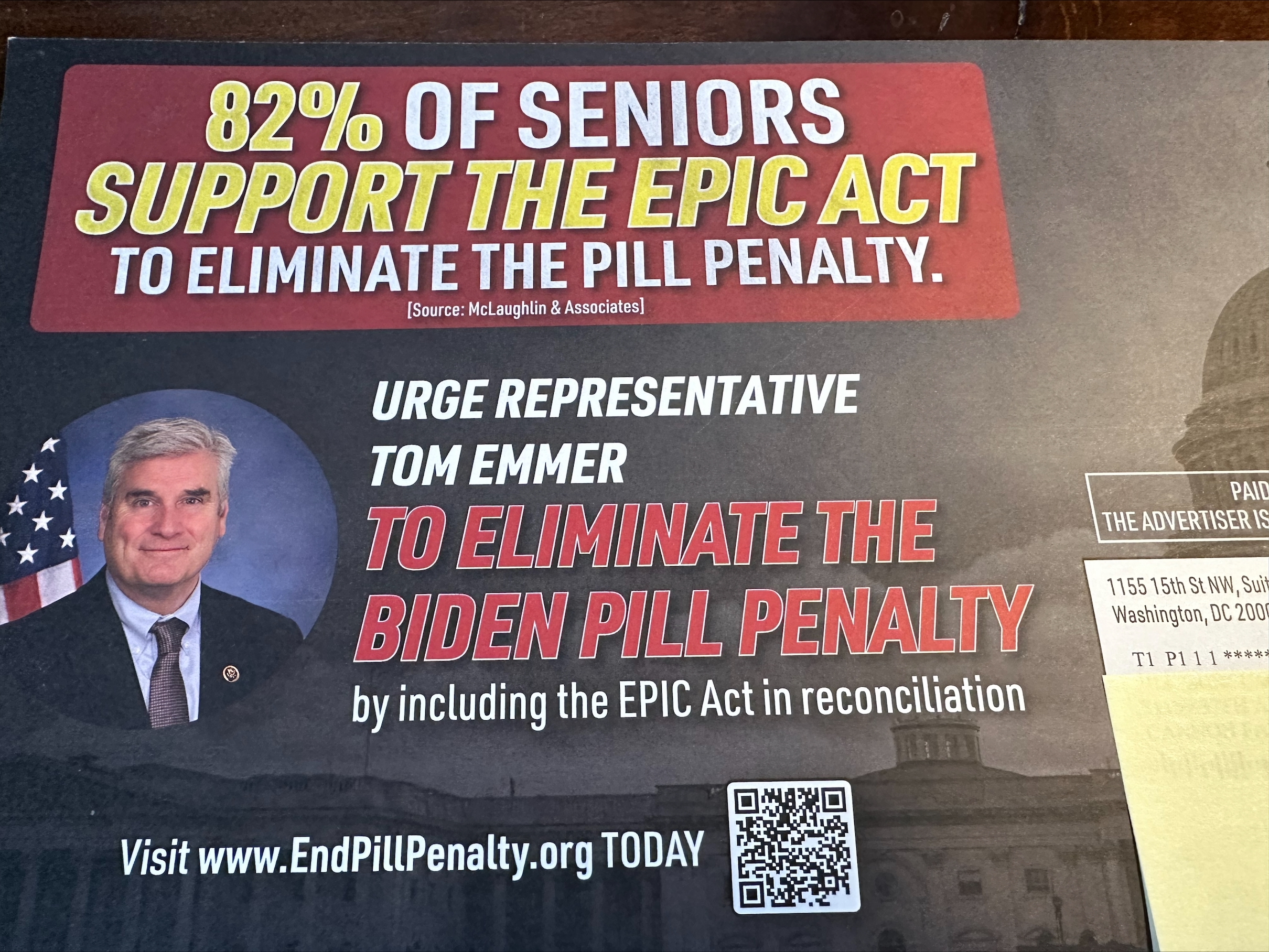
The “Biden Pill Penalty Policy” is a common reference to specific provisions within the Inflation Reduction Act (IRA) of 2022, primarily aimed at lowering prescription drug costs for Medicare beneficiaries. While not termed a “penalty policy” by the administration, the legislation introduces mechanisms that impose financial consequences, specifically an excise tax, on pharmaceutical manufacturers who do not comply with new drug price negotiation requirements. This landmark policy shifts the financial landscape for drugmakers, insurers, and ultimately, consumers, marking a significant intervention in the historically unregulated U.S. pharmaceutical market. Understanding its intricacies requires a deep dive into its financial underpinnings and projected economic impacts.

Unpacking the Inflation Reduction Act’s Drug Pricing Provisions
At its core, the Biden administration’s approach to drug pricing, codified in the IRA, seeks to empower Medicare to negotiate prices for certain high-cost prescription drugs. This represents a seismic shift from previous decades where drug manufacturers largely set their own prices, and Medicare was legally prohibited from negotiating.
Historical Context of Pharmaceutical Costs in the U.S.
For years, the U.S. has faced the challenge of having some of the highest prescription drug prices globally. This has contributed significantly to the financial burden on patients, particularly those with chronic conditions, and to the overall national healthcare expenditure. Previous attempts at cost control often involved rebate programs or manufacturer discounts, but direct price negotiation by a major payer like Medicare was off-limits, leading to a system where pharmaceutical companies had substantial leverage in pricing. This context is crucial for understanding the financial impetus behind the IRA’s provisions. High out-of-pocket costs for medications often force individuals to make difficult financial choices, impacting personal savings, retirement plans, and even basic necessities.
The Core Mechanism: Medicare Drug Price Negotiation
The IRA empowers Medicare to negotiate prices for a limited number of high-cost, single-source drugs that have been on the market for a certain period without generic or biosimilar competition. Negotiation began with ten Part D drugs in 2023, with negotiated prices taking effect in 2026. This number expands to 15 Part D drugs in 2027, 15 Part B and Part D drugs in 2028, and 20 Part B and Part D drugs annually thereafter.
The negotiation process is designed to reduce the price of selected drugs to a “maximum fair price” (MFP). This MFP is intended to reflect a balance between innovation and affordability. The financial impact for Medicare is projected to be substantial, saving billions over the next decade. For beneficiaries, this translates directly into lower out-of-pocket costs for these specific medications, enhancing financial predictability and reducing the risk of medical debt stemming from essential prescriptions. This is particularly relevant for seniors and individuals with disabilities who often manage multiple chronic conditions requiring expensive medications.
Financial Implications for Pharmaceutical Companies
The drug price negotiation policy introduces a new layer of financial uncertainty and strategic recalculation for the pharmaceutical industry. Companies accustomed to setting their own prices now face mandatory negotiations for some of their most lucrative products.
Revenue and Profitability Adjustments
The most immediate financial impact for pharmaceutical companies subject to negotiation will be on their revenue streams and, consequently, their profitability. Lower negotiated prices for high-volume, high-cost drugs mean a direct reduction in sales revenue from Medicare. This could necessitate adjustments to financial forecasts, investor expectations, and dividend policies. Companies might also reconsider their investment in certain drug classes or therapeutic areas if the expected return on investment is diminished by potential future price negotiations. Stock performance for affected companies could experience volatility as the market digests the implications of reduced pricing power.
Innovation and Investment Incentives
A major point of contention and financial debate revolves around the policy’s potential impact on pharmaceutical innovation. Industry critics argue that reduced revenue from negotiated prices will decrease the funds available for research and development (R&D), thus stifling the development of new, life-saving drugs. They contend that the financial incentives for taking on the enormous risks and costs associated with drug discovery will be weakened.
Conversely, proponents of the policy argue that the pharmaceutical industry remains highly profitable, and that historical R&D spending has often been a smaller proportion of revenue than marketing and administrative costs. They suggest that companies may be incentivized to focus R&D efforts on novel drugs that will have a longer period of market exclusivity before becoming eligible for negotiation, or on innovative treatments that can command higher prices due to their unique benefits. Companies might also strategically shift investment towards drugs with shorter development cycles or those targeting diseases with smaller patient populations, which might fall outside the initial scope of the negotiation policy. The long-term financial health of the sector hinges on how companies adapt their R&D portfolios and investment strategies in response to these new market dynamics.
Impact on Consumers and Healthcare Spending
The primary beneficiaries of the IRA’s drug pricing provisions are expected to be consumers, particularly Medicare enrollees, and the broader healthcare system through reduced expenditures.
Direct Savings for Medicare Beneficiaries
Beyond lower negotiated drug prices, the IRA introduces several other direct financial benefits for Medicare beneficiaries:
- Out-of-pocket Cap: A significant provision is the cap on annual out-of-pocket drug costs for Medicare Part D enrollees, set at $2,000 starting in 2025. This provides immense financial relief for individuals with chronic conditions requiring expensive medications, preventing catastrophic drug costs from depleting their savings or forcing them to forgo necessary treatments.
- Insulin Price Cap: As of 2023, insulin costs for Medicare beneficiaries are capped at $35 per month per covered insulin product, regardless of their plan’s deductible. This provides immediate and substantial financial relief for millions of Americans with diabetes.
- Free Vaccines: Adult vaccines recommended by the Advisory Committee on Immunization Practices (ACIP), such as shingles and RSV vaccines, are now free for Medicare Part D beneficiaries, removing a financial barrier to preventative care.
These measures translate into tangible financial savings, improving medication adherence and overall health outcomes, while reducing the financial stress associated with managing chronic diseases.
Broader Market Effects and Spillover
A key question for the broader financial landscape is whether lower Medicare prices will “spill over” and influence commercial insurance prices. While the negotiation applies directly to Medicare, commercial insurers and self-funded employer plans often benchmark their prices against government programs. If the negotiated prices for Medicare become widely accepted benchmarks, it could exert downward pressure on prices across the entire pharmaceutical market, leading to savings for individuals with private insurance and employers sponsoring health plans. However, this spillover effect is not guaranteed and will depend on various market forces and future policy developments. The ultimate goal is to reduce the total financial burden of prescription drugs across the entire U.S. economy.
Financial Relief for Chronic Conditions
Individuals managing conditions like diabetes, cancer, autoimmune diseases, and heart disease often face astronomical annual drug costs. The IRA’s provisions, particularly the out-of-pocket cap and insulin price cap, offer a lifeline to these populations. The financial predictability provided by these caps allows individuals to budget for their healthcare expenses more effectively, reducing the likelihood of medical bankruptcy or delayed care due to cost concerns. This financial relief can improve quality of life and economic stability for millions.
The “Penalty” Mechanism: Excise Tax on Non-Compliance
The term “penalty policy” refers specifically to the financial disincentive embedded in the IRA for pharmaceutical manufacturers who do not comply with the negotiation program.
Understanding the Non-Compliance Tax
If a drug manufacturer refuses to negotiate or fails to agree to the “maximum fair price” for a selected drug, the IRA imposes a steep excise tax. This tax is not a small fine; it is designed to be punitive enough to ensure participation. The excise tax starts at 185% of the drug’s sales in the U.S. for the period of non-compliance and escalates progressively. If non-compliance continues, the tax rate can quickly increase to 1,900% of the daily sales revenue for the drug, making it financially unfeasible for companies to refuse negotiation.
This mechanism is crucial for the policy’s effectiveness. Without such a severe financial consequence, pharmaceutical companies might choose to opt out, undermining Medicare’s ability to lower drug costs. The government’s intent is clear: participate in negotiations or face economically devastating penalties.
Strategic Considerations for Drugmakers
Pharmaceutical companies are now forced to weigh the financial cost of accepting a lower, negotiated price against the potentially ruinous cost of non-compliance. This involves complex financial modeling, risk assessment, and legal analysis. Companies may explore legal challenges to the policy, arguing constitutional infringements or other technicalities. However, the financial implications of such challenges are also significant, including legal fees and potential ongoing excise taxes during the litigation period. The presence of this “penalty” fundamentally alters the power dynamic in drug pricing, compelling drugmakers to engage in negotiations that were previously voluntary and often one-sided. Their financial strategies must now account for this new regulatory risk.
Economic Outlook and Future Considerations
The Biden administration’s drug pricing policy is expected to have far-reaching economic consequences, impacting federal budgets, the pharmaceutical sector, and the broader U.S. economy.
Macroeconomic Effects
From a macroeconomic perspective, the IRA is projected to save the federal government hundreds of billions of dollars over the next decade through reduced Medicare spending on prescription drugs. These savings can contribute to reducing the national deficit or be reallocated to other critical programs. The pharmaceutical industry, a significant contributor to U.S. GDP and employment, will undergo structural changes. While some job losses or shifts in R&D focus are possible, the overall impact on the industry’s economic footprint is still being evaluated. The policy also aims to reduce inflation by lowering a key household expense.
Policy Evolution and Long-Term Financial Planning
The initial phase of the drug price negotiation policy is just the beginning. There is potential for the program to expand, covering more drugs, or potentially influencing pricing in other government programs or even commercial markets through future legislation. Consumers, healthcare providers, and businesses should financially plan for an evolving drug pricing landscape. This includes staying informed about which drugs are subject to negotiation, understanding the nuances of Medicare’s out-of-pocket caps, and recognizing how these changes could impact healthcare budgets and personal financial planning over the long term. The “Biden Pill Penalty Policy,” through its various financial mechanisms, is setting a new precedent for how prescription drugs are priced and paid for in the United States, with profound implications for all stakeholders.
aViewFromTheCave is a participant in the Amazon Services LLC Associates Program, an affiliate advertising program designed to provide a means for sites to earn advertising fees by advertising and linking to Amazon.com. Amazon, the Amazon logo, AmazonSupply, and the AmazonSupply logo are trademarks of Amazon.com, Inc. or its affiliates. As an Amazon Associate we earn affiliate commissions from qualifying purchases.