
Selecting the optimal diet for a Chihuahua extends far beyond simple caloric intake; it represents a significant financial investment with long-term implications for both your pet’s health and your personal finances. While the immediate cost of pet food can vary dramatically, understanding the true economic impact of dietary choices requires a holistic view that considers potential veterinary expenses, quality of life, and the overall financial commitment over a Chihuahua’s lifespan. This article delves into how shrewd financial planning and informed choices regarding your Chihuahua’s nutrition can lead to substantial savings and a healthier companion.
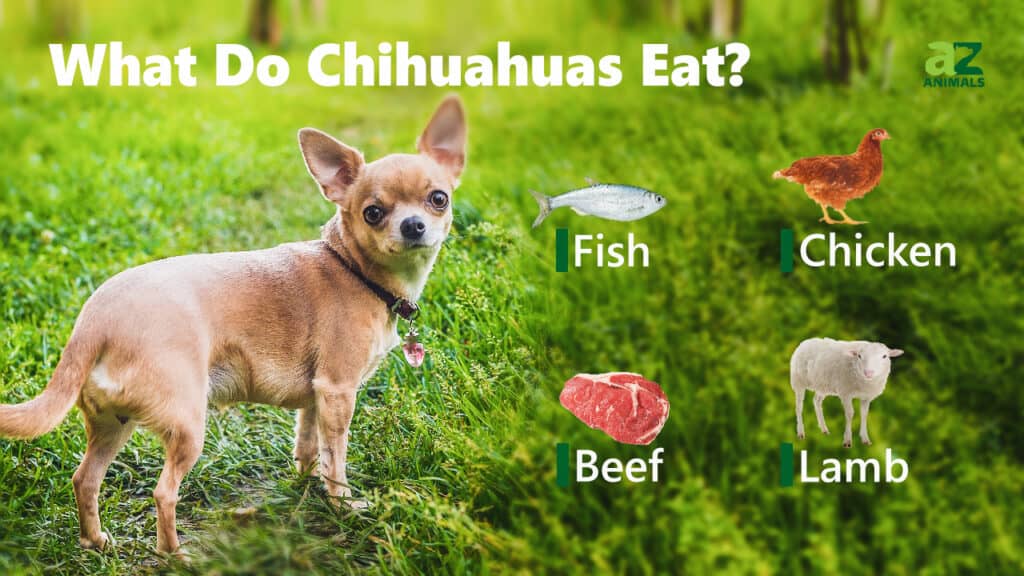
The Long-Term Investment in Quality Nutrition
The adage “you get what you pay for” often holds true in the realm of pet nutrition, particularly for breeds with specific needs like Chihuahuas. Investing in high-quality food, while potentially bearing a higher upfront cost, can be a strategic financial decision that pays dividends in reduced healthcare expenditures down the line.
Preventing Costly Health Issues
Chihuahuas are prone to certain health conditions such as dental disease, patellar luxation, hypoglycemia, and heart problems. Many of these issues can be exacerbated, or even directly influenced, by poor nutrition. A diet lacking essential nutrients, or one containing excessive fillers and artificial ingredients, can lead to chronic inflammation, weakened immune systems, and obesity – all precursors to expensive medical interventions. For instance, addressing severe dental disease through professional cleaning, extractions, and antibiotics can cost hundreds to thousands of dollars. Similarly, managing chronic conditions like diabetes or heart disease, often linked to poor diet and obesity, can entail lifelong medication, specialized veterinary care, and frequent check-ups, draining financial resources rapidly.
Conversely, a balanced diet rich in appropriate proteins, healthy fats, vitamins, and minerals can bolster a Chihuahua’s immune system, support joint health, maintain ideal weight, and promote excellent dental hygiene. The incremental cost of premium food is often dwarfed by the potential savings from avoiding or mitigating these common and costly health problems. Viewing diet as preventative medicine transforms it from a recurring expense into a crucial financial hedge against unforeseen veterinary bills.
Understanding Lifetime Healthcare Savings
Consider the average lifespan of a Chihuahua, which can range from 12 to 20 years. Over this extended period, the cumulative effect of a nutritionally sound diet can result in substantial lifetime healthcare savings. A Chihuahua maintained on an optimal diet is more likely to experience fewer illnesses, require fewer emergency vet visits, and potentially delay the onset of age-related diseases.
For example, if a premium kibble costs an additional $20 per month compared to a budget brand, this amounts to $240 per year. Over 15 years, the total additional investment is $3,600. However, a single emergency surgery for a bowel obstruction (often caused by poor-quality kibble or inappropriate treats) can easily exceed $3,000 to $5,000. Treatments for chronic conditions can quickly surpass this figure annually. By investing in better food, pet owners effectively shift their spending from reactive, expensive medical treatments to proactive, preventative care, leading to a net financial benefit over the pet’s lifetime.
Navigating the Market: Cost-Benefit Analysis of Food Types
The pet food market offers a dizzying array of options, each with its own price point and perceived benefits. Making an economically sound decision requires understanding the financial trade-offs inherent in each type of diet.
Dry Kibble: Affordability vs. Value
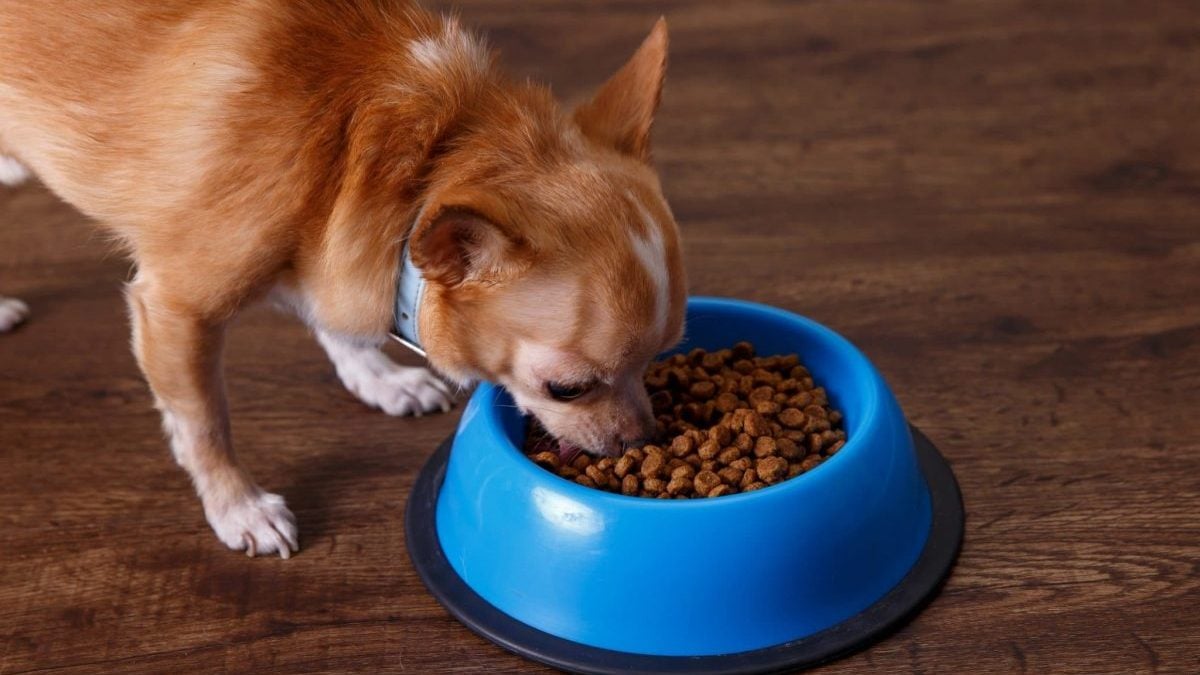
Dry kibble is generally the most economical option. Its cost-effectiveness stems from bulk production, long shelf life, and ease of storage. However, the quality and nutritional value of kibble can vary wildly. Budget kibble often contains a high proportion of fillers (corn, wheat, soy), artificial preservatives, and low-quality protein sources, which can contribute to digestive issues, allergies, and nutrient deficiencies – leading to increased vet visits.
Premium dry kibble, while more expensive per bag, typically uses higher-quality protein sources, fewer fillers, and incorporates beneficial supplements like omega fatty acids and probiotics. These formulations, though pricier upfront, can improve digestibility and nutrient absorption, meaning your Chihuahua might need to eat less volume to meet their nutritional requirements, slightly offsetting the higher cost. When evaluating kibble, calculate the “cost per feeding” rather than just the bag price, and factor in the potential for reduced vet bills from a truly balanced formula.
Wet Food: Premium Cost, Specific Benefits
Wet food, often sold in cans or pouches, is generally more expensive per serving than dry kibble. Its higher moisture content can be beneficial for Chihuahuas, as many small breeds are prone to urinary tract issues. The palatability of wet food can also be a significant advantage for picky eaters or Chihuahuas with dental problems who struggle with hard kibble.
From a financial standpoint, the increased cost of wet food must be weighed against these specific benefits. For Chihuahuas prone to dehydration or those requiring a softer diet, the investment in wet food might be justified to prevent expensive urinary tract infections or dental procedures. For a healthy Chihuahua without these specific needs, incorporating wet food might be a periodic treat rather than a daily staple to manage costs effectively.
Raw and Fresh Diets: Significant Investment, Potential Returns
Raw or fresh, human-grade food diets (e.g., BARF, commercially prepared fresh meals) represent the highest tier of financial commitment. These diets typically involve premium ingredients, often human-grade meats, organs, and vegetables, and may require significant preparation time if homemade. The cost per day can be substantially higher than even premium kibble.

However, advocates of raw and fresh diets argue that the investment yields significant health returns, potentially leading to the fewest vet visits and the longest, healthiest lifespan. Benefits cited include improved digestion, shinier coats, better dental health (from chewing raw bones, if part of the diet), and increased energy. While the initial financial outlay is considerable, those who choose this path often view it as a direct investment in extending their Chihuahua’s healthy years, potentially reducing age-related medical expenses later in life. A thorough cost-benefit analysis must include the potential for reduced allergy treatments, digestive disorder management, and improved vitality.
Homemade Diets: Time Investment and Ingredient Costs
Preparing a homemade diet for your Chihuahua can seem like a cost-saving measure, but it often involves a significant investment of time and can be surprisingly expensive if done correctly. To be nutritionally complete and balanced, a homemade diet requires careful calculation of macro and micronutrients, often with the guidance of a veterinary nutritionist. Sourcing human-grade ingredients, supplements, and spending time on meal preparation adds to the true cost.
Financially, the hidden costs here are the value of your time and the potential for nutritional deficiencies if the diet is not meticulously balanced. An imbalanced homemade diet can lead to health problems that require costly veterinary intervention, negating any perceived ingredient savings. Therefore, while appealing, homemade diets should only be pursued with expert guidance and a full understanding of the time and financial commitment required for proper formulation.
Budgeting for Your Chihuahua’s Dietary Needs
Effective financial management for your Chihuahua’s food involves more than just picking the cheapest option; it requires strategic planning and smart consumer behavior.
Smart Shopping Strategies
To optimize your pet food budget, consider strategies such as buying in bulk (if the food has a long shelf life and you have adequate storage), signing up for subscription services that offer discounts, and taking advantage of loyalty programs or online coupons. Comparing prices across different retailers, both brick-and-mortar and online, can also yield savings. Always factor in shipping costs if ordering online. Some pet stores offer price matching, which can be leveraged for better deals.
Accounting for Breed-Specific Requirements
Chihuahuas are a small breed with a high metabolism but also a tendency to gain weight if overfed. Their small mouths and delicate digestive systems necessitate specific kibble sizes and digestible ingredients. Neglecting these breed-specific needs in favor of a cheaper, generic food can lead to health complications requiring more expensive interventions. For instance, tiny kibble is essential for dental health and preventing choking, while highly digestible formulas minimize digestive upset. Budgeting for these specific requirements is not an indulgence but a prudent financial decision.
The True Cost of ‘Cheap’ Food
The allure of significantly cheaper pet food brands can be strong, especially when managing multiple household expenses. However, the true cost of ‘cheap’ food often manifests in ways not immediately apparent on the grocery bill. Lower-quality ingredients can lead to:
- Increased stool volume: Less digestible food means more waste, requiring more frequent clean-ups and potentially more litter/waste bags.
- Poor nutrient absorption: Your Chihuahua might need to eat more to feel satiated, burning through cheap food faster.
- Frequent vet visits: Allergies, digestive upset, skin issues, and nutritional deficiencies are common with low-quality diets, leading to recurring consultation and medication costs.
- Shorter lifespan or reduced quality of life: Chronic issues resulting from poor nutrition can reduce a Chihuahua’s vitality and potentially shorten their healthy years, requiring more palliative care later on.
A slight increase in your monthly food budget for a higher-quality product can ultimately save hundreds, if not thousands, of dollars in vet bills over your Chihuahua’s lifetime, alongside providing a happier, healthier pet.
Financial Tools and Resources for Pet Owners
Beyond direct food purchases, several financial tools and resources can help manage the overall cost of your Chihuahua’s nutrition and health.
Pet Insurance and Nutrition
While pet insurance doesn’t directly cover the cost of food, many policies offer wellness plans that include preventative care, which can indirectly relate to nutrition. More importantly, comprehensive pet insurance can act as a crucial financial safety net should your Chihuahua develop a serious illness or injury, regardless of whether it’s diet-related. If a sub-optimal diet does lead to a costly health issue, having insurance can prevent a significant financial strain. When evaluating policies, consider how they cover diagnostics, treatments, and medications for diet-related conditions.
Subscription Services and Bulk Buying
Many online retailers and specialized pet food companies offer subscription services that deliver food directly to your door at a discounted rate. These services can streamline budgeting, ensure consistent access to preferred brands, and often come with incentives like free shipping or periodic discounts. For those with adequate storage space, buying larger bags or cases of food can also reduce the per-unit cost. Ensure that the chosen quantity can be consumed before its expiration date to avoid waste, which is also a financial loss.
Consulting a Veterinary Nutritionist: An Upfront Cost, Long-Term Savings
For Chihuahuas with complex health issues, allergies, or specific dietary needs, an initial consultation with a board-certified veterinary nutritionist can be a wise financial investment. While there’s an upfront fee for their expertise, a customized dietary plan can prevent costly trial-and-error feeding, avoid foods that exacerbate existing conditions, and ensure optimal health. This specialized guidance can lead to a more efficient and effective nutritional strategy, potentially reducing future medication costs and improving overall quality of life, offering a strong return on the initial investment. They can help navigate the complexities of specific ingredient costs versus nutritional benefits, ensuring every dollar spent on food is optimized for your Chihuahua’s health.
aViewFromTheCave is a participant in the Amazon Services LLC Associates Program, an affiliate advertising program designed to provide a means for sites to earn advertising fees by advertising and linking to Amazon.com. Amazon, the Amazon logo, AmazonSupply, and the AmazonSupply logo are trademarks of Amazon.com, Inc. or its affiliates. As an Amazon Associate we earn affiliate commissions from qualifying purchases.