
Solid surface countertops represent a significant segment within the interior design and construction industry, prized for their versatile aesthetics and practical performance. For brands operating in this space, understanding the intricate composition of these materials is not merely a technical detail; it is the fundamental bedrock upon which brand identity, product design, and marketing strategies are built. The specific blend of ingredients dictates everything from a product line’s tactile feel and visual appeal to its durability, repairability, and hygienic properties – all critical elements for effective branding and market positioning.
The Core Composition: Foundation for Brand Identity
At its heart, a solid surface countertop is a meticulously engineered composite material, designed to emulate the look and feel of natural stone or other premium finishes while offering superior performance characteristics. The precise formulation, often a closely guarded trade secret, is a strategic choice that defines a brand’s offerings and target market.
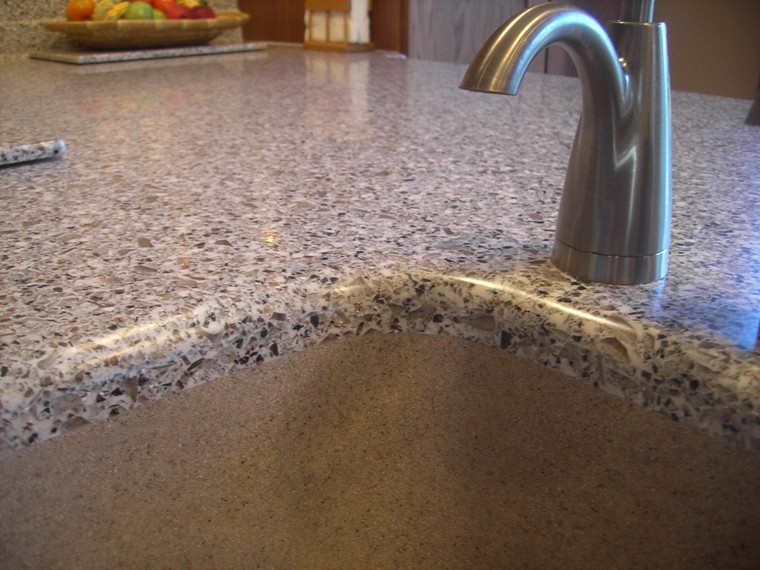
Acrylic and Polyester Resins: The Polymer Backbone
The primary component of solid surface is a high-performance polymer resin, typically either acrylic (polymethyl methacrylate or PMMA) or polyester, or a blend of the two. This resin matrix provides the material with its structural integrity and many of its signature attributes.
For brands, the choice of resin is paramount. Acrylic resins, for instance, are renowned for their superior thermoformability, allowing for seamless curves and complex shapes – a distinct design advantage that high-end brands prominently feature in their marketing. Products made with 100% acrylic often boast better UV resistance, making them ideal for applications where color stability in sunlight is critical, thus enhancing a brand’s promise of lasting beauty. The inherent quality of acrylic also contributes to a premium feel, which brands leverage to position their products in the luxury segment.
Polyester resins, while sometimes more brittle, offer excellent chemical resistance and can be more cost-effective. Brands might incorporate polyester into blends to achieve specific price points or performance characteristics, targeting a broader market without entirely sacrificing quality. The balance struck between acrylic and polyester directly impacts manufacturing costs, thermoforming capabilities, and overall material feel, directly influencing a brand’s competitive strategy and product line segmentation.
Mineral Fillers: Shaping Aesthetics and Performance
Integrated within the polymer matrix are significant quantities of mineral fillers, predominantly aluminum trihydrate (ATH). ATH is derived from bauxite and is a finely ground white powder that serves multiple crucial functions.
From a brand perspective, ATH is instrumental in achieving the desirable stone-like appearance and substantial feel of solid surface. It provides opacity, depth, and a cool, solid touch that consumers associate with quality. Its presence contributes to the material’s flame retardancy, a safety feature that can be a key marketing point, particularly for commercial applications. Furthermore, ATH enhances the material’s hardness and impact resistance, bolstering a brand’s claims of durability. The particle size, distribution, and percentage of ATH within the resin system are meticulously controlled by manufacturers to achieve specific mechanical properties, density, and aesthetic effects, allowing brands to fine-tune their product characteristics to meet diverse design briefs and performance expectations.
Pigments and Additives: Crafting Brand-Specific Visuals
The vast and diverse aesthetic range of solid surface countertops is thanks to an array of pigments and various performance-enhancing additives. Pigments are carefully selected and blended to create the extensive palette of colors, patterns, and visual textures that differentiate one brand’s offerings from another.
A brand’s signature collection often hinges on proprietary pigment blends that yield unique hues, intricate particulate patterns, or veining designs mimicking natural stone. This visual identity is a cornerstone of brand recognition and market appeal. Additives, on the other hand, might include UV stabilizers to prevent color fading, mold inhibitors for enhanced hygiene, or flow modifiers to improve manufacturing processes. While less visible, these additives contribute to the long-term performance and maintenance profile of the product, reinforcing a brand’s commitment to quality and longevity. The ability to precisely control color and pattern through pigments allows brands unparalleled creative freedom, enabling them to introduce trend-setting designs or classic staples that solidify their market position and appeal to specific aesthetic preferences.
Material Properties as Brand Pillars: Design and Differentiation
The inherent properties derived from the solid surface composition are not just technical specifications; they are powerful brand differentiators and cornerstones for compelling design narratives.
Seamless Design and Formability: A Signature Aesthetic Advantage
The thermoformability of solid surface, particularly acrylic-based formulations, allows the material to be heated and molded into virtually any shape. This unique property enables seamless installations, integrated sinks, coved backsplashes, and complex sculptural forms without visible joints. For brands, this translates into a significant design advantage. They can market their products as offering unparalleled design flexibility, allowing architects and designers to create flowing, monolithic surfaces that are impossible with natural stone or engineered quartz. The absence of seams eliminates grime traps and simplifies cleaning, becoming a key hygienic selling point, particularly relevant for healthcare or food service brands emphasizing sanitary environments. This seamless aesthetic elevates brand perception, associating it with innovation, cleanliness, and bespoke luxury.
Durability, Repairability, and Hygiene: Building Trust and Reputation
Solid surface materials are renowned for their durability and low maintenance. Unlike porous natural stones, solid surfaces are non-porous, making them highly resistant to stains and preventing the growth of bacteria, mold, and mildew. This non-porous nature is a robust marketing attribute, positioning brands as providers of hygienic and easy-to-care-for solutions, a strong appeal for residential kitchens and commercial settings alike.
Furthermore, the material’s homogeneous composition means that scratches and minor damage can often be sanded out, effectively restoring the surface to its original condition. This reparability is a powerful brand promise, conveying long-term value and sustainability. Brands leverage these properties to build a reputation for reliability and longevity, reassuring consumers about their investment and distinguishing themselves from competitors whose products might require more specialized care or replacement after damage.

Customization and Color Versatility: Empowering Brand Expression
The ability to incorporate a vast array of pigments and create custom colors or patterns is a crucial asset for solid surface brands. This versatility allows manufacturers to respond quickly to design trends, offer proprietary color palettes, and even create bespoke solutions for large-scale projects. This capability allows brands to position themselves as leaders in design innovation and customization, catering to specific market niches or collaborating directly with designers and architects to bring unique visions to life. It empowers interior designers to express a client’s specific aesthetic without compromise, ultimately strengthening the solid surface brand’s reputation as a flexible and responsive partner in design.
Marketing the Material: Translating Composition into Value
Effective marketing of solid surface countertops requires translating the technical nuances of their composition into tangible benefits and compelling narratives that resonate with target audiences.
Storytelling the Science: Educating Consumers on Quality
Brands often engage in educational marketing, demystifying the composition of solid surface to highlight its superior attributes. Instead of merely listing ingredients, they tell the story behind the material choice: how a unique blend of acrylic resins ensures unmatched durability and formability, or how the precise percentage of ATH contributes to a luxurious feel and fire resistance. This approach builds consumer trust by providing transparency and substantiating claims of quality with scientific backing. It differentiates brands by allowing them to explain why their specific formulation offers a better experience or longer lifespan, moving beyond surface-level aesthetics to deeper value propositions.
Visual Marketing: Highlighting Design Potential
Given the aesthetic flexibility of solid surface, visual marketing is paramount. Brands invest heavily in high-quality photography, virtual reality tools, and design mock-ups that showcase the material’s seamless integration, vibrant color range, and creative applications. They highlight integrated sinks, curved reception desks, and custom retail fixtures to inspire designers and homeowners. This visual storytelling reinforces the brand’s image as a provider of cutting-edge design solutions, demonstrating how their product’s composition enables such innovative aesthetics, ultimately driving demand through aspirational imagery.
Sustainability Messaging: The Lifecycle Brand Narrative
For brands focused on environmental consciousness, the composition of solid surface can be a key part of their sustainability narrative. Emphasizing the material’s long lifespan, reparability (reducing landfill waste), and the possibility of incorporating recycled content (where applicable) can appeal to eco-minded consumers. Brands can articulate how the durability and non-porosity of their products contribute to a healthier home environment by resisting mold and mildew, thus aligning with a broader wellness message. This proactive approach to sustainability messaging strengthens corporate identity and resonates with a growing segment of the market that prioritizes environmentally responsible choices.
Competitive Landscape: Leveraging Composition for Market Position
In a competitive market, a brand’s success hinges on strategic differentiation, often rooted in the composition of its solid surface offerings.
Premium vs. Value Offerings: Strategic Material Blends
Brands strategically use variations in material composition to create distinct product tiers. A brand might offer a premium line made exclusively with 100% acrylic for maximum thermoformability, UV resistance, and a luxurious feel, targeting high-end residential and commercial projects. Simultaneously, they might develop a value-oriented line incorporating acrylic/polyester blends, providing a more accessible price point while still delivering core solid surface benefits. This tiered approach, directly controlled by compositional choices, allows brands to capture broader market segments and optimize their market share, positioning different lines with tailored benefits and price points.

Innovation in Composition: Staying Ahead of the Curve
Ongoing research and development into new material compositions and additive technologies are vital for brands aiming to maintain market leadership. Brands that invest in enhancing their formulations can introduce products with improved scratch resistance, enhanced stain performance, unique visual effects (e.g., translucent options, embedded particles), or even superior resistance to harsh chemicals. These innovations allow brands to launch novel products, secure patents, and create “first-to-market” advantages, strengthening their reputation as industry pioneers. This continuous evolution of material science directly fuels a brand’s ability to stay relevant, competitive, and perceived as an innovator in the ever-evolving world of interior materials.
aViewFromTheCave is a participant in the Amazon Services LLC Associates Program, an affiliate advertising program designed to provide a means for sites to earn advertising fees by advertising and linking to Amazon.com. Amazon, the Amazon logo, AmazonSupply, and the AmazonSupply logo are trademarks of Amazon.com, Inc. or its affiliates. As an Amazon Associate we earn affiliate commissions from qualifying purchases.