
In the rapidly evolving landscape of digital interactions, where trust and verification are paramount, “self-attestation” has emerged as a foundational concept. Far from a simple declaration, it represents a sophisticated mechanism allowing an entity—be it an individual, a device, or a software component—to assert a claim about itself, its attributes, or its state, often backed by cryptographic proof, without necessarily requiring an immediate, live third-party verification for every assertion. This concept is central to enhancing digital security, streamlining compliance, and empowering users in an increasingly interconnected world.
The Core Concept of Self-Attestation in Digital Systems
At its heart, self-attestation is about an entity vouching for itself. Unlike third-party attestation, where an independent authority verifies and vouches for a claim (e.g., a bank verifying your address), self-attestation places the initial burden of proof and the direct declaration squarely on the entity making the claim. In the digital realm, this isn’t merely a verbal statement; it’s often a cryptographically signed assertion, a digital declaration that carries a specific weight and can be verified by relying parties.
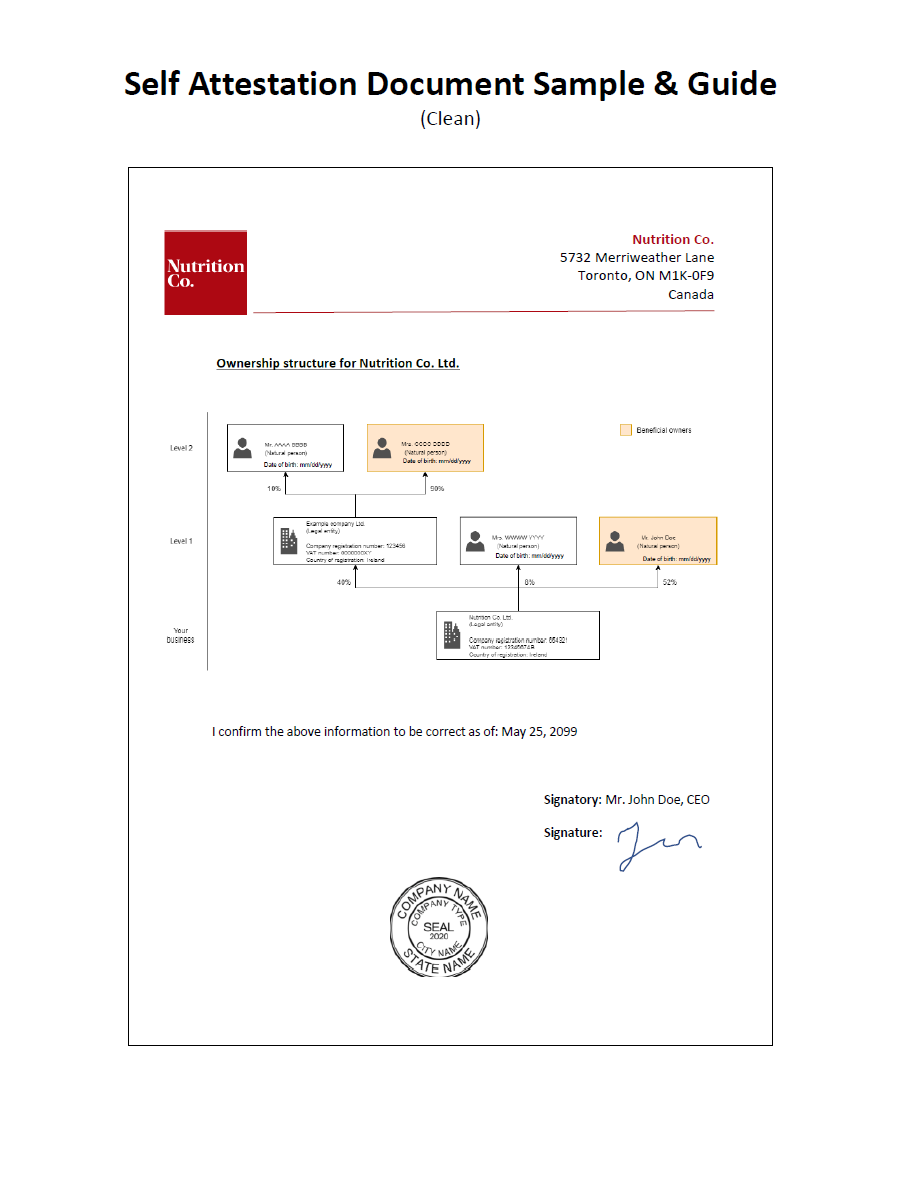
Defining Self-Attestation
Self-attestation refers to the process where an entity presents data or a statement about itself, asserting its truthfulness. This assertion is typically accompanied by evidence that allows a relying party to independently verify the integrity and origin of the claim, even if not its ultimate truthfulness from an external source. For example, a user might self-attest to being over 18 years old, and this attestation might be signed by their digital wallet, providing cryptographic proof that they made that specific claim. The relying party can then decide if that self-attested claim is sufficient for their purposes, or if further verification is needed. It fundamentally shifts the model from relying solely on central authorities to a more distributed trust model, leveraging cryptographic techniques to ensure the integrity of the self-declaration.
Why Self-Attestation Matters: Trust and Efficiency
The significance of self-attestation in technology stems from its ability to enhance both trust and efficiency. In an era where data breaches are common and user privacy is a growing concern, minimizing the sharing of sensitive information is crucial. Self-attestation allows for privacy-preserving interactions by enabling users to prove a specific attribute (e.g., “I am over 21”) without revealing the underlying sensitive data (e.g., their exact birthdate).
From an efficiency standpoint, it reduces the need for constant, laborious third-party checks, speeding up processes like onboarding, access control, and compliance reporting. For example, a device can self-attest to its secure boot state upon startup, rather than requiring an external server to constantly monitor its integrity. This lean verification model, coupled with cryptographic assurances, forms the backbone of many modern security protocols, offering a scalable and robust way to establish trust in digital environments.
Key Applications Across the Tech Landscape
The utility of self-attestation spans various technological domains, fundamentally reshaping how we manage identity, secure software, and ensure data privacy. Its flexible nature allows it to be integrated into diverse systems, providing robust yet user-centric solutions.
Digital Identity and Verifiable Credentials
One of the most prominent applications of self-attestation is within the realm of digital identity, particularly with the advent of Verifiable Credentials (VCs) and Decentralized Identifiers (DIDs). In this model, an individual can receive a credential (e.g., a university degree, a driver’s license) issued and cryptographically signed by an “issuer” (the university, the government). When the individual needs to prove an attribute from this credential to a “verifier” (e.g., an employer, a rental agency), they can create a “presentation” of the credential—a self-attested claim that they possess the credential and that certain attributes within it are true. This presentation is cryptographically signed by the individual, proving their control over the credential and the veracity of their claim as presented by them. This empowers users with greater control over their personal data, allowing them to selectively disclose only necessary information.
Data Privacy and User Consent Management
Self-attestation plays a vital role in modern data privacy frameworks like GDPR and CCPA, especially concerning user consent. Users can self-attest to their consent preferences for data usage, processing, or sharing. These self-attested preferences can be stored in a privacy dashboard or a user’s personal data vault, forming a cryptographically verifiable record of their choices. When a service provider wants to access or process user data, they can check these self-attested permissions. This system not only streamlines compliance for businesses but also gives individuals unprecedented granular control over their digital footprint, reinforcing the principle of informed consent.
Software Integrity and Secure Boot
In the domain of cybersecurity, self-attestation is critical for ensuring the integrity of software and hardware. Technologies like Trusted Platform Modules (TPMs) leverage self-attestation to establish a “chain of trust” from the moment a device boots up. Each component in the boot process (firmware, bootloader, operating system kernel) can cryptographically attest to its own integrity before handing control to the next. If any component has been tampered with, its attestation will fail, preventing the system from booting or triggering security alerts. This “secure boot” process ensures that only trusted, untampered software runs on a device, protecting against rootkits and other low-level malware. Similarly, applications can self-attest to their code integrity, preventing unauthorized modifications during runtime.
Cloud Security and Compliance
Cloud environments, with their dynamic and distributed nature, also benefit significantly from self-attestation. Virtual machines (VMs), containers, and serverless functions can self-attest to their configuration, patch levels, and compliance with security policies. For instance, a VM could periodically attest that all its security updates are current and that it adheres to specific network configurations. This enables continuous compliance monitoring and automated remediation in large-scale cloud deployments. Cloud customers can also self-attest to their adherence to specific regulatory requirements, using platforms that allow them to provide auditable proof of their security posture to auditors, streamlining the compliance burden.
The Technology Underpinnings: How It Works
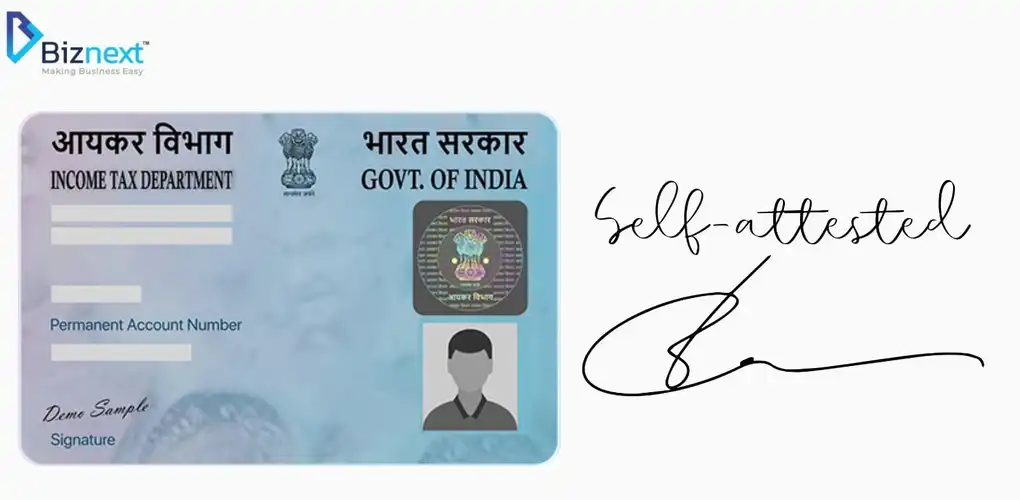
The magic of self-attestation isn’t just in the concept but in the sophisticated technological mechanisms that enable its reliability and security. Cryptography forms the backbone, ensuring that self-attested claims are verifiable and tamper-proof.
Cryptographic Signatures and Proofs
At the core of digital self-attestation are cryptographic signatures. When an entity self-attests to a piece of information, it digitally signs that information using its private key. The resulting signature, combined with the original data and the entity’s public key, allows any relying party to verify:
- Integrity: That the information has not been altered since it was signed.
- Authenticity: That the information indeed originated from the claimed entity (or at least from the holder of the private key).
Beyond simple signatures, advanced cryptographic proofs like Zero-Knowledge Proofs (ZKPs) are increasingly being used. ZKPs allow an entity to prove it possesses certain information or meets a specific condition (e.g., “I am over 18”) without revealing any additional details about that information (e.g., their birthdate). This significantly enhances privacy while maintaining verifiability.
Decentralized Identity Frameworks
Decentralized Identity (DID) frameworks, such as those promoted by the W3C (World Wide Web Consortium), provide the architectural foundation for robust self-attestation. DIDs are persistent, globally unique identifiers that do not require a centralized registry. They are managed by the entity they identify, often secured on a blockchain or distributed ledger. These frameworks enable individuals and organizations to control their own identity data and issue or receive Verifiable Credentials. Self-attestation in DIDs often involves an entity using its DID to sign a presentation of one or more VCs, confirming their possession and willingness to share specific attributes from those credentials.
Attestation Services and Trust Roots
While self-attestation emphasizes direct declarations, it often operates within a broader ecosystem of trust. “Attestation services” can act as intermediaries or verifiers, ensuring that the self-attested claims align with established policies or external data. For instance, a cloud provider might offer an attestation service that validates the integrity of customer workloads based on cryptographic measurements. Trust roots, such as Certificate Authorities (CAs) in public key infrastructure (PKI) or hardware manufacturers’ embedded keys (e.g., in TPMs), provide the initial point of trust against which subsequent self-attestations can be validated. They certify the public keys or identities of entities, enabling relying parties to trust the signatures on self-attested claims.
Benefits and Challenges of Self-Attestation
Self-attestation presents a paradigm shift in how digital trust is established, offering numerous advantages but also introducing unique challenges that require careful consideration.
Advantages: Speed, Privacy, User Control
The primary benefits of robust self-attestation systems are efficiency, enhanced privacy, and greater user control. By enabling entities to make and cryptographically sign their own claims, transactions and interactions can be significantly accelerated, reducing bottlenecks associated with third-party verification. Privacy is improved because users can selectively disclose only the necessary information, often without revealing the underlying sensitive data (e.g., using ZKPs). This shift empowers individuals and organizations with more autonomy over their digital presence and data, aligning with modern data protection principles.
Challenges: Trust, Verifiability, Evolving Standards
Despite its advantages, self-attestation isn’t a panacea. The core challenge lies in the level of trust a relying party places in a self-attested claim. While cryptography proves who made the claim and that it hasn’t been tampered with, it doesn’t inherently prove the truthfulness of the underlying statement, especially if it’s not backed by an external issuer. A user can self-attest to being an astronaut, but without an external credential from a space agency, the claim holds little weight for a serious application. This necessitates a layered approach where self-attestation is often complemented by issuer-signed credentials or, in some cases, real-time third-party verification for high-stakes scenarios. Furthermore, the landscape of digital identity and attestation standards is still evolving, posing challenges for interoperability and widespread adoption across different platforms and jurisdictions.
The Future of Self-Attestation in an Interconnected World
As our digital lives become more integrated and complex, the role of self-attestation is set to expand, moving towards a more user-centric and efficient ecosystem.
Towards a More User-Centric Digital Experience
The future of self-attestation is intrinsically linked to empowering users. Decentralized identity solutions, fueled by self-attestation and verifiable credentials, promise a world where individuals manage their own digital personas and data, rather than relying on large tech platforms. This will lead to more seamless, privacy-preserving interactions across various services—from logging into websites to applying for loans or proving eligibility for services, all without oversharing personal data. It fosters an internet where trust is established directly and efficiently, putting the user in control of their attributes.

Interoperability and Standardisation
For self-attestation to reach its full potential, global interoperability and robust standardization are crucial. Efforts by organizations like the W3C (for DIDs and VCs) and various industry consortia are paving the way for common protocols and formats. These standards will ensure that self-attested claims and verifiable credentials issued by one entity can be understood and verified by any other entity, regardless of the underlying technology stack. As these standards mature and gain wider adoption, self-attestation will become an invisible yet fundamental layer of trust and efficiency across all digital interactions, underpinning the security and privacy of our increasingly interconnected world.
aViewFromTheCave is a participant in the Amazon Services LLC Associates Program, an affiliate advertising program designed to provide a means for sites to earn advertising fees by advertising and linking to Amazon.com. Amazon, the Amazon logo, AmazonSupply, and the AmazonSupply logo are trademarks of Amazon.com, Inc. or its affiliates. As an Amazon Associate we earn affiliate commissions from qualifying purchases.