
In the rapidly evolving landscape of fitness technology, understanding nuanced training metrics is crucial for optimizing performance and preventing plateaus. One such critical concept, Reps In Reserve (RIR), has gained significant traction, offering a scalable and autoregulated approach to strength training. While fundamentally a physiological principle, its true potential in modern fitness regimens is unlocked through the sophisticated integration of technology. This article delves into RIR, specifically exploring how technological advancements empower athletes and casual lifters alike to apply, track, and interpret this metric for superior workout outcomes, all within the digital realm.
The Core Concept of RIR: A Digital Perspective
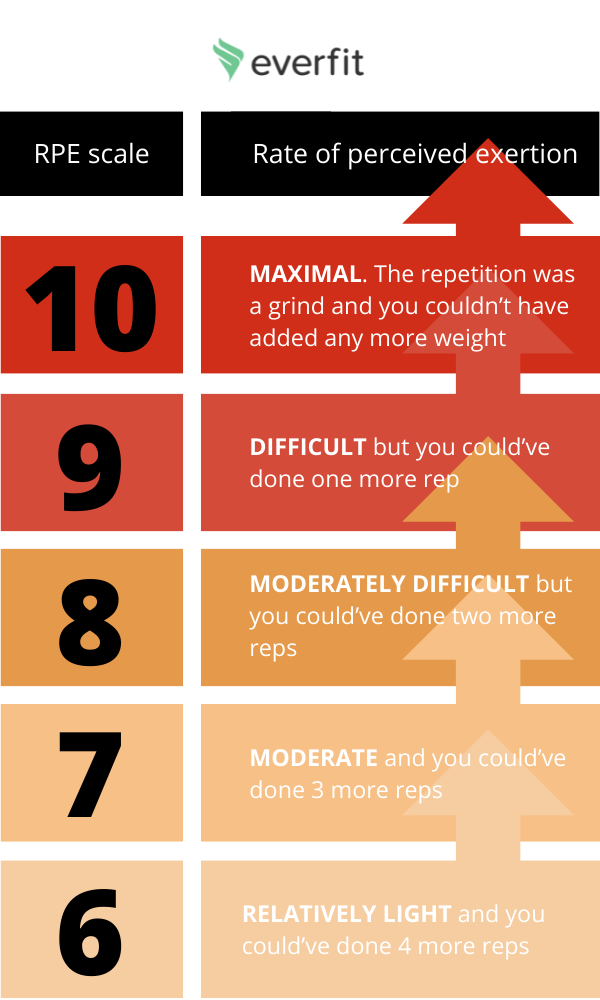
Reps In Reserve (RIR) refers to the number of additional repetitions one could have performed in a set before reaching momentary muscular failure. A set performed with 2 RIR means you stopped two reps short of failure, while 0 RIR indicates you pushed to the absolute limit. This methodology allows for a dynamic adjustment of training intensity based on daily readiness, fatigue levels, and individual recovery, moving beyond rigid percentage-based programming. From a technological standpoint, RIR transforms from an abstract feeling into a trackable and actionable data point within fitness ecosystems.
Defining Reps In Reserve for Digital Application
At its heart, RIR provides a subjective gauge of effort. However, for technology to effectively integrate RIR, this subjectivity must be mitigated or at least guided. Digital platforms, from advanced fitness applications to smart gym equipment interfaces, often prompt users to input their perceived RIR after a set. These inputs then become data points, allowing algorithms to track progress, suggest load adjustments, or even identify patterns in fatigue. For instance, an app might ask, “How many reps did you have left?” after you log a set. This simple digital query begins the process of data collection around individual effort levels.
Subjectivity vs. Objectivity in RIR Assessment
The primary challenge for technology in leveraging RIR has always been its subjective nature. What feels like 2 RIR to one individual on a given day might be 0 RIR to another, or even the same individual on a different day. Modern tech solutions are addressing this by:
- Guided Input Systems: Apps employ clear definitions, examples, and even short video tutorials to help users calibrate their RIR perception.
- Contextual Prompts: AI-driven platforms can learn a user’s typical RIR for certain exercises at specific loads, offering prompts that guide more accurate self-assessment. For example, if historical data suggests a user usually hits 2 RIR with 100kg for 8 reps, and they report 5 RIR, the system might flag it for review or suggest a load increase.
- Cross-Referencing with Objective Data: This is where wearables and specialized sensors play a crucial role, providing objective metrics that can validate or challenge subjective RIR inputs.
Technology’s Role in RIR Tracking and Application
The true power of RIR for optimizing workouts is unleashed when integrated with current technological advancements. Fitness technology doesn’t just record RIR; it helps to refine its estimation, automates programming adjustments, and provides actionable insights.
Wearable Devices and Biometric Feedback
Wearables, such as smartwatches and heart rate monitors, offer a layer of objective data that can inform RIR assessments. While they cannot directly measure RIR, they can track physiological markers that correlate with effort and fatigue:
- Heart Rate Variability (HRV): A lower HRV often indicates increased physiological stress or fatigue, suggesting that an athlete might inherently have fewer “reps in reserve” even if they feel subjectively strong. AI algorithms can use HRV data to recommend adjusting planned RIR targets for the day.
- Resting Heart Rate: Elevated resting heart rate can similarly signal accumulated fatigue, prompting a tech platform to suggest a more conservative RIR target (e.g., 3 RIR instead of 1 RIR).
- Sleep Tracking: Poor sleep directly impacts recovery and performance. Integrating sleep data from wearables allows intelligent training programs to adjust intensity or volume, which inherently affects the actual RIR achievable on a given day. If an app knows you had a terrible night’s sleep, it might subtly increase your target RIR for the day’s lifts, preventing overtraining.
Fitness Apps and AI-Driven Program Design
Dedicated fitness applications are at the forefront of RIR integration, moving beyond simple logbooks to become sophisticated training partners.
- Intelligent Logging: Users input sets, reps, and RIR for each exercise. The app then stores this data, building a comprehensive performance profile over time.
- Adaptive Programming: AI algorithms within these apps analyze RIR data to dynamically adjust future workouts. If a user consistently hits 0 RIR with a specific weight, the app might recommend increasing the load or reps for the next session. Conversely, if RIR is consistently high, it might suggest increasing intensity. This creates a true autoregulated program where the workout adapts to the individual’s performance and recovery, rather than a static plan.
- Performance Analytics: Apps provide visual dashboards and trend analyses, showing how RIR correlates with load, volume, and perceived effort over weeks or months. This helps users identify patterns, understand their strengths and weaknesses, and make informed decisions about their training progression. For example, seeing a consistent drop in RIR for a particular exercise might highlight a need for deloading or focusing on recovery.

Sensor-Based Velocity Tracking
Perhaps the most exciting technological advancement in RIR assessment comes from velocity-based training (VBT) devices. These sensors, often attached to barbells or dumbbells, measure the speed at which a lift is performed.
- Direct RIR Estimation: Research has established strong correlations between loss of bar velocity during a set and RIR. As fatigue accumulates, bar speed slows down. VBT devices can track this deceleration and, based on pre-established algorithms, provide a highly objective estimate of RIR in real-time. For example, an app might display a “real-time RIR: 2” based on the velocity of your last rep.
- Objective Effort Gauging: This removes much of the subjectivity from RIR. Instead of guessing, athletes receive immediate, data-driven feedback on how many reps they truly have left, allowing for incredibly precise training adjustments.
- Load Prescription: VBT systems can also help prescribe optimal loads by identifying the weight at which a user can maintain a specific velocity profile for a desired RIR. This allows for training in specific intensity zones (e.g., strength, power, hypertrophy) with greater accuracy than percentage-based methods.
Enhancing Training Precision with Tech-Augmented RIR
The combination of subjective RIR input with objective biometric and velocity data creates an incredibly powerful framework for training precision. This leads to more effective workouts, reduced risk of injury, and faster progress.
Real-time Adjustments and Adaptive Programming
Modern fitness technology empowers real-time decision-making. During a set, a VBT device might flash “Stop at 1 RIR” if the bar velocity indicates you’re reaching that threshold. Post-set, an app might immediately suggest a weight adjustment for the next set based on your reported RIR and historical performance. This dynamic adaptability is a stark contrast to traditional static programming, where adjustments might only happen weekly or monthly, potentially leading to missed opportunities or overtraining.
Data-Driven Performance Optimization
By accumulating vast amounts of RIR data, alongside other training variables, AI and machine learning algorithms can identify subtle patterns that human coaches might miss. These insights can lead to hyper-personalized training recommendations:
- Optimal Training Zones: Identifying the specific RIR ranges that yield the best results for muscle growth or strength gains for an individual.
- Fatigue Monitoring: Detecting trends in RIR decline across workouts, signaling the need for deload weeks or increased recovery protocols before burnout occurs.
- Exercise Selection Insights: Understanding which exercises consistently yield better RIR adherence or performance for a user, informing future programming choices.
Overcoming the Limitations of Manual RIR Estimation
Before technology, RIR was purely a skill of self-assessment, requiring significant training experience and self-awareness. While human judgment remains important, technology significantly lowers the barrier to entry and improves the accuracy of RIR application. Beginners, who typically struggle with accurately estimating RIR, can rely on VBT data or AI-guided prompts to learn this skill faster. Even advanced athletes benefit from objective validation, preventing instances of “ego lifting” or underperforming due to inaccurate self-perception.
The Future of RIR and Exercise Technology
The convergence of RIR principles with advanced technology is still in its nascent stages, with exciting developments on the horizon.
Predictive Analytics and Hyper-Personalization
Future iterations of fitness technology will likely move beyond reactive adjustments to proactive, predictive models. Imagine an AI analyzing your historical RIR data, sleep patterns, daily activity levels, and even emotional state (via sentiment analysis from journal entries or voice analysis) to predict your optimal RIR target for a specific exercise before you even step into the gym. This hyper-personalization will create truly bespoke training experiences, minimizing guesswork and maximizing efficiency.

Integrated Ecosystems for Holistic Training
The ultimate vision involves fully integrated fitness ecosystems where data from wearables, smart gym equipment, nutrition trackers, and mental wellness apps all feed into a central AI engine. This engine would then provide holistic recommendations, adjusting RIR targets not just based on your last workout, but on your overall physiological and psychological state. RIR would become one crucial data point among many, contributing to a comprehensive digital twin of your fitness journey, constantly optimized for peak performance and long-term health. The concept of RIR, therefore, is not merely a training metric; it is a fundamental pillar of digitally-enhanced, autoregulated training, poised to redefine how we approach physical performance.
aViewFromTheCave is a participant in the Amazon Services LLC Associates Program, an affiliate advertising program designed to provide a means for sites to earn advertising fees by advertising and linking to Amazon.com. Amazon, the Amazon logo, AmazonSupply, and the AmazonSupply logo are trademarks of Amazon.com, Inc. or its affiliates. As an Amazon Associate we earn affiliate commissions from qualifying purchases.