
Understanding the concept of “proposed manpower” is critical for any organization seeking sustainable growth, operational efficiency, and financial health. Far from being a mere HR function, proposed manpower represents a strategic financial blueprint for a company’s human capital requirements, directly impacting budgets, profitability, and long-term investment decisions. It defines the projected number of employees, their roles, skill sets, and the associated financial commitments required to achieve specific organizational objectives within a defined period.
Manpower as a Strategic Asset
In today’s knowledge-driven economy, human capital is often the most valuable, yet also the most expensive, asset for many businesses. Viewing manpower solely as an operational cost is a narrow perspective. Instead, it should be recognized as an investment that, when strategically planned and managed, yields significant returns through innovation, productivity, customer satisfaction, and competitive advantage. Proposed manpower planning, therefore, is not just about filling vacancies; it’s about forecasting the optimal allocation of human resources to meet strategic goals, ensuring the right talent is in the right place at the right time, and at the right cost.
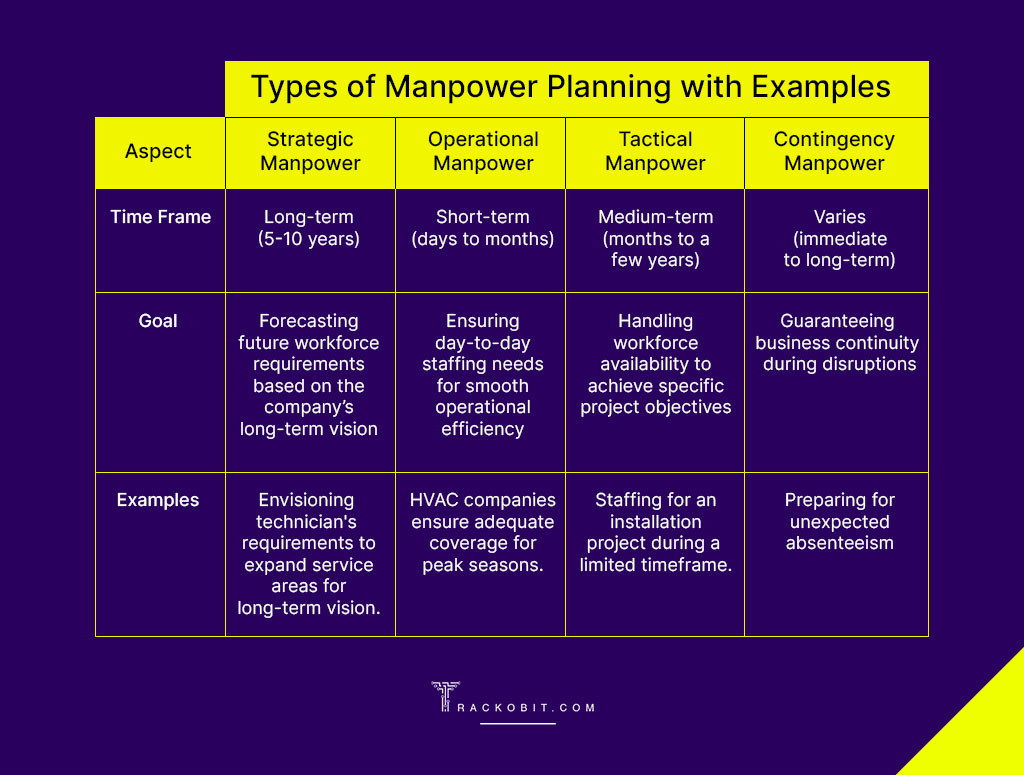
The Financial Lens of Workforce Planning
From a financial standpoint, proposed manpower necessitates a rigorous analysis of various cost components and potential returns. It’s about quantifying the financial implications of every hire, every departmental expansion, and every skills gap. This involves projecting salaries, benefits, recruitment costs, training investments, and productivity gains. Without a clear financial understanding of proposed manpower, businesses risk overspending, understaffing critical functions, or failing to capitalize on growth opportunities due to human resource constraints. It’s an exercise in balancing the need for talent with the imperative for financial prudence and solvency.
Key Financial Drivers in Proposed Manpower Planning
The financial implications of proposed manpower extend beyond simple salary figures. A comprehensive plan considers a multitude of drivers that collectively determine the overall cost and potential return on investment (ROI) of a company’s human capital.
Wage and Salary Projections
The most obvious component is the direct compensation for employees. This involves forecasting base salaries, hourly wages, overtime pay, commissions, and bonuses for all proposed roles. Financial planners must consider market rates, industry benchmarks, geographical variations, and internal equity to ensure competitive compensation structures that attract and retain talent without overextending the budget. These projections form the foundation of payroll expenses, a major line item in any operating budget.
Benefits and Overhead Costs
Beyond direct pay, a significant portion of manpower costs comes from employee benefits. This includes health insurance, retirement plans (e.g., 401k matching), life insurance, paid time off, and other perks. These are often mandatory or highly expected and can add 20-40% or more to an employee’s base salary cost. Furthermore, overhead costs associated with each employee, such as office space, equipment, software licenses, utilities, and administrative support, must also be factored in. While some overheads are fixed, others scale with the number of employees.
Productivity and Return on Investment (ROI)
A crucial, yet often challenging, aspect of proposed manpower planning is assessing the potential productivity and ROI of each role. Financial managers need to consider how each new hire or team expansion will contribute to revenue generation, cost savings, or strategic objectives. For sales roles, this might involve projected sales quotas. For production roles, it could be units produced or efficiency gains. For support functions, it might be measured by impact on customer satisfaction or internal process improvements. Quantifying these benefits, even qualitatively, helps justify the financial outlay and ensures that manpower investments align with business value.
Recruitment and Training Expenses
Bringing new talent on board involves substantial upfront costs. Recruitment expenses include job board postings, recruiter fees, background checks, and relocation packages. Once hired, new employees require training, which incurs costs related to trainers, materials, lost productivity during training periods, and onboarding programs. These initial investments are vital for integrating new talent effectively and ensuring they can contribute quickly, but they must be carefully budgeted for, especially during periods of significant growth or turnover.
Integrating Proposed Manpower into Business Finance
Effective financial management demands that proposed manpower plans are seamlessly integrated into broader business finance strategies, affecting budgeting, cash flow, and capital allocation.
Budgeting and Forecasting

Proposed manpower figures are fundamental to creating accurate operational budgets and financial forecasts. Salary and benefits projections directly feed into personnel budgets, while recruitment and training costs are allocated within departmental or project budgets. Long-term manpower plans inform multi-year financial forecasts, helping the organization predict future cash outflows and revenue potential. This integration allows for proactive financial management, identifying potential shortfalls or surpluses well in advance. Scenario planning, which models different manpower levels (e.g., conservative, moderate, aggressive hiring), becomes crucial for preparing for various economic conditions.
Cash Flow Management
The timing of manpower-related expenses significantly impacts a company’s cash flow. Recruitment costs often precede an employee’s first day, and salaries and benefits are recurring outflows. During periods of rapid expansion, the cumulative effect of these expenses can strain liquidity if not properly managed. Financial planning around proposed manpower ensures that sufficient cash reserves are available to cover these commitments, preventing short-term liquidity crises and maintaining operational stability. It also informs decisions on when to initiate hiring processes based on projected revenue inflows.
Capital Allocation for Human Resources
For strategic roles, specialized teams, or significant departmental expansions, proposed manpower can be viewed as a capital investment. Just as a company allocates capital to acquire machinery or technology, it must allocate capital to invest in its human resources. This includes funding for leadership development programs, advanced technical training, or building out entirely new teams that are critical for future growth initiatives. Treating these investments with the same rigor as other capital expenditures, complete with ROI analysis and risk assessment, ensures resources are allocated optimally across the organization.
Mitigating Financial Risks and Optimizing Workforce Investment
Strategic financial planning around proposed manpower isn’t just about projecting costs; it’s about minimizing risks and maximizing the return on human capital investment.
Scenario Planning and Contingency Funds
The business environment is dynamic, and assumptions about growth, market conditions, and talent availability can change rapidly. Robust proposed manpower planning incorporates scenario analysis, modeling different outcomes (e.g., faster-than-expected growth requiring more hires, an economic downturn necessitating hiring freezes). This allows financial teams to build contingency funds or identify alternative staffing strategies (like contract labor or temporary staff) to adjust quickly without derailing financial stability.
Leveraging Financial Metrics for Performance
To ensure manpower investments are yielding the desired results, financial metrics must be regularly tracked and analyzed. Key performance indicators (KPIs) such as revenue per employee, profit per employee, employee cost as a percentage of revenue, and human capital ROI provide insights into the efficiency and effectiveness of the workforce. By linking these financial metrics to proposed manpower plans, businesses can identify areas for improvement, optimize staffing levels, and make data-driven decisions about future investments in human resources.
Strategic Outsourcing and Contract Labor
Not all proposed manpower needs must be met through full-time, in-house hires. Strategic outsourcing and the use of contract labor, freelancers, or temporary staff can offer significant financial advantages. These options provide flexibility, reduce fixed overheads (like benefits), and allow companies to scale operations up or down more easily in response to market demands. Financial analysis of proposed manpower should include a build-vs.-buy decision for various roles, weighing the long-term costs and benefits of internal hires against external solutions. This can optimize cost structures while ensuring access to specialized skills as needed.
The Future of Workforce Finance
As businesses evolve, so too must the financial strategies underpinning proposed manpower. The intersection of technology, changing work models, and an increasingly competitive talent landscape is reshaping how organizations plan for and invest in their human capital.
Automation and Upskilling Investments
The rise of automation and artificial intelligence significantly impacts proposed manpower. While some roles may be reduced or eliminated, new ones requiring advanced technical and analytical skills emerge. Financial planning for proposed manpower must account for investments in automation technologies themselves, as well as the costs associated with upskilling and reskilling the existing workforce to adapt to these new tools and responsibilities. This involves budgeting for training programs, specialized certifications, and potentially, severance packages for roles that become redundant. The goal is to reallocate human talent to higher-value, more strategic tasks.

Data-Driven Manpower Analytics
The future of proposed manpower planning is increasingly data-driven. Advanced analytics tools can process vast amounts of HR and financial data to predict future talent needs, identify potential skill gaps, forecast turnover rates, and optimize compensation structures. By leveraging these insights, financial managers can make more precise and proactive decisions about staffing, budgeting, and investment in human capital. This shift towards predictive analytics enables organizations to move beyond reactive hiring to strategic workforce planning that is intrinsically linked to financial performance and long-term organizational success.
aViewFromTheCave is a participant in the Amazon Services LLC Associates Program, an affiliate advertising program designed to provide a means for sites to earn advertising fees by advertising and linking to Amazon.com. Amazon, the Amazon logo, AmazonSupply, and the AmazonSupply logo are trademarks of Amazon.com, Inc. or its affiliates. As an Amazon Associate we earn affiliate commissions from qualifying purchases.