
The Engineering Principles of Orthodontic Elastomers
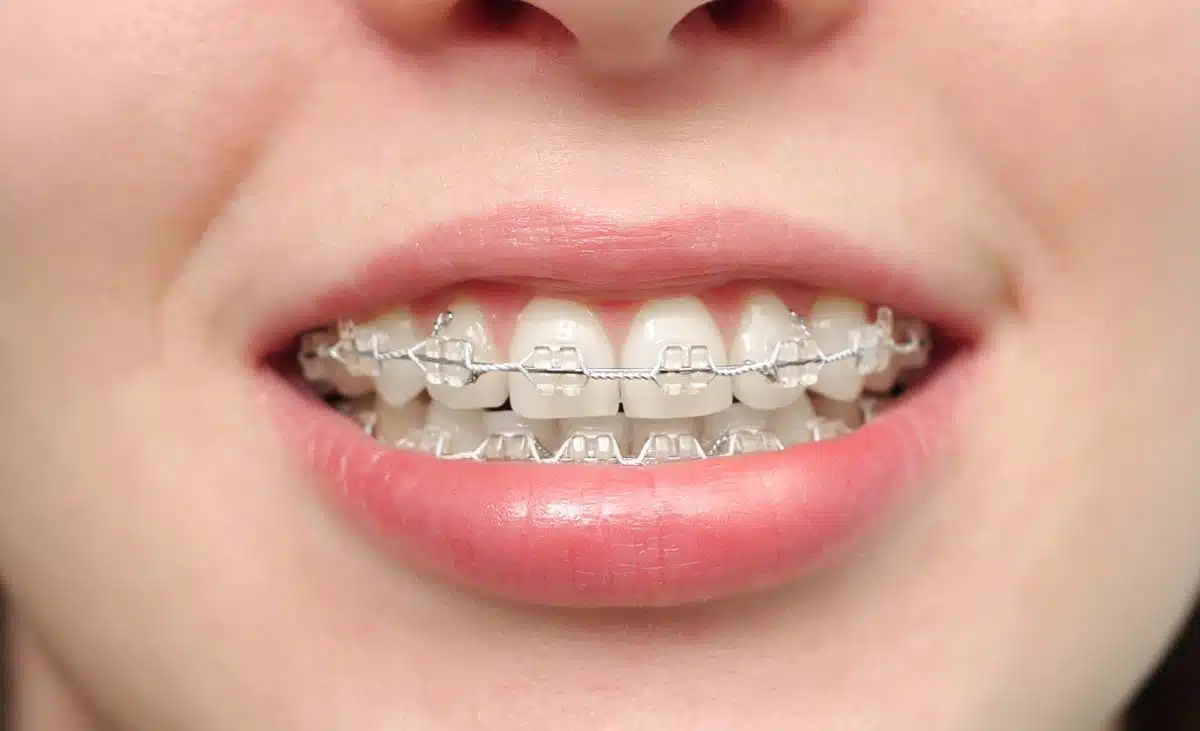
The term “power chain braces” refers not to a distinct type of orthodontic appliance system, but rather to a critical, highly engineered component utilized within traditional fixed braces: the power chain. At its core, a power chain is a continuous strand of interconnected elastomeric modules, designed to apply consistent and precise force to teeth, facilitating their movement into desired positions. Understanding this component necessitates a dive into its fundamental engineering principles, particularly concerning material science and force dynamics.
Material Science: Composition and Biocompatibility
Power chains are primarily fabricated from medical-grade elastomers, typically polyurethane or similar synthetic polymers. The choice of material is not arbitrary; it is the result of extensive research and development aimed at meeting stringent biomechanical and biocompatibility requirements. Polyurethane offers a unique combination of flexibility, strength, and resilience, making it ideal for continuous force application within the oral environment. These materials must withstand constant exposure to saliva, enzymes, and temperature fluctuations without significant degradation or loss of elasticity over a specified period. Furthermore, biocompatibility is paramount. The materials must be non-toxic, non-allergenic, and inert, ensuring they do not elicit adverse reactions within the patient’s mouth. Advanced manufacturing processes allow for precise control over the polymer chain structure, influencing the material’s elastic memory and resistance to permanent deformation. This meticulous material engineering ensures that the power chain can exert the intended corrective forces without compromising patient safety or comfort.

Force Dynamics: Calibrated Stress for Movement
The primary technological function of a power chain is to generate and transmit calibrated biomechanical forces. When stretched and applied to multiple brackets, the power chain contracts, creating a continuous pulling force that closes spaces between teeth, corrects rotations, or helps consolidate arches. The effectiveness of a power chain lies in its ability to deliver a relatively light, yet consistent, force over an extended period. Orthodontic research has established that continuous, light forces are more biologically favorable for tooth movement, promoting controlled bone remodeling without causing undue stress or damage to the root structures or periodontal ligament. The design of the individual links within the chain, their size, and the spacing between them are all critical engineering parameters that influence the stiffness and force delivery characteristics of the entire chain. Orthodontists select specific power chain configurations (e.g., short, medium, or long links) and activation levels based on the precise force requirements for each patient’s unique tooth movement goals, embodying a tailored approach to biomechanical intervention.
Precision Mechanics: Implementing Controlled Orthodontic Correction
The application of power chains represents a sophisticated exercise in precision mechanics. It involves not just the material itself, but how it integrates into the broader orthodontic system to achieve highly specific tooth movements. This integration demands meticulous planning and execution, often leveraging digital technologies for optimal outcomes.
Bridging Brackets: The Systemic Application of Force
Power chains act as an integral bridge within the fixed orthodontic system, connecting multiple brackets and thereby creating a contiguous unit of force application. Each bracket, bonded to an individual tooth, serves as an anchor point and a handle for manipulation. When a power chain is stretched and ligated from one bracket to another, or across several, it effectively links these teeth into a force-delivery network. The tension generated within the elastomer translates directly into a pulling force on the connected teeth. This systemic application of force allows for complex movements such as retracting anterior teeth to close extraction spaces, derotating molars, or consolidating spaces following canine retraction. The direction and magnitude of the force are dictated by the placement of the chain, the number of brackets involved, and the degree of initial stretch. Orthodontists employ various patterns of power chain placement—linear, figure-eight, or a combination—each designed to achieve a specific biomechanical objective, underscoring the adaptability and precision inherent in this technology.
Digital Design and Customization in Power Chain Integration
While power chains themselves are physical components, their effective integration into modern orthodontic treatment plans is increasingly supported by digital technologies. Advanced diagnostic tools, such as intraoral scanners and 3D imaging (CBCT), create highly accurate digital models of a patient’s dentition and underlying bone structure. These digital models allow orthodontists to precisely measure spaces, analyze tooth angulations, and simulate potential tooth movements with unprecedented accuracy. Specialized orthodontic software can then assist in predicting the force requirements and optimal placement of power chains. Although the power chain itself isn’t “digital,” the planning of its application has become highly digitized, enabling a more predictable and customized approach. This digital workflow minimizes trial-and-error, enhances the efficiency of treatment, and allows for the precise calculation of the stretch required to generate the desired force, further elevating the precision mechanics involved in power chain application.
Power Chains in the Evolving Orthodontic Technology Landscape
Power chains, while seemingly simple components, are integral to the broader technological ecosystem of modern orthodontics. They interact with and complement other advanced appliances and diagnostic tools, showcasing their versatility and continued relevance in a rapidly innovating field.

Integration with Diagnostic Technologies
The diagnostic phase is the cornerstone of any effective orthodontic treatment plan, and power chains are applied based on data gathered from sophisticated technologies. Digital radiography (panoramic and cephalometric X-rays) provides detailed skeletal and dental insights with reduced radiation exposure. 3D imaging (Cone Beam Computed Tomography or CBCT) offers volumetric data, allowing orthodontists to visualize tooth roots, bone density, and impacted teeth in three dimensions. Intraoral scanners eliminate the need for traditional plaster impressions, generating highly accurate digital models of the teeth and gums. These technologies provide the precise spatial information needed to determine the magnitude and direction of tooth movement required, directly informing the strategic application of power chains to achieve predictable outcomes. The synergy between these advanced diagnostic tools and the physical application of power chains highlights how fundamental components are integrated into a high-tech treatment paradigm.
Complementary Appliances and Their Technological Synergy
Power chains rarely operate in isolation. They are often used in conjunction with a range of other orthodontic appliances and technologies, creating a synergistic effect that optimizes treatment outcomes. For instance, they might be applied after initial archwire leveling and alignment to close residual spaces. They can work alongside elastics (rubber bands) to correct bite discrepancies or with temporary anchorage devices (TADs), which are small, bio-compatible implants providing additional, stable points of anchorage for more complex tooth movements. The combination of these technologies allows orthodontists to exert forces in multiple planes and directions, addressing complex malocclusions that would be challenging with single appliances. Each component, from the bracket to the archwire to the power chain, is a piece of an engineered system, with specific material properties and design principles contributing to the overall therapeutic effect. This technological synergy underscores the sophisticated nature of contemporary orthodontic mechanics.
Optimizing Performance: Durability, Maintenance, and Patient Interface
The effectiveness of power chain technology is not solely dependent on its initial application but also on its sustained performance throughout the treatment cycle. This involves understanding material degradation, implementing precise replacement protocols, and ensuring patient compliance with hygiene recommendations, all critical aspects from a technology maintenance perspective.
Material Degradation and Replacement Protocols
Despite the advanced material science behind elastomeric power chains, they are subject to degradation over time. The oral environment, with its fluctuating pH levels, enzymatic activity, and mechanical stresses from chewing, gradually compromises the integrity and elastic properties of the polymer. This degradation leads to a reduction in the force exerted by the chain, diminishing its therapeutic effect. Research indicates that the force output of power chains can decrease significantly within a few weeks of placement. Therefore, a key aspect of their technological application involves scheduled replacement. Orthodontists typically replace power chains at regular intervals, often at each adjustment appointment (every 3-6 weeks), to ensure that consistent and effective forces are continuously applied. This proactive replacement protocol is a critical engineering decision, ensuring the treatment progresses predictably and efficiently, counteracting the inherent limitations of the material’s longevity in a dynamic biological system.
User-Centric Design and Hygiene Protocols
While power chains are sophisticated medical devices, their performance is also influenced by patient interaction. The design of power chains considers ease of application for the orthodontist and minimal interference for the patient. However, due to their intricate structure, they can become retention sites for food particles and plaque. Therefore, maintaining meticulous oral hygiene is crucial for preventing localized inflammation, decalcification around brackets, and potential damage to the enamel. Orthodontic technology often includes tools and recommendations to assist patients, such as specialized toothbrushes (interdental brushes), floss threaders, and antiseptic mouthwashes. The interface between the technology (power chain, brackets) and the user (patient) necessitates careful management and education. Failure to adhere to hygiene protocols can compromise the integrity of the appliance and the health of the surrounding tissues, ultimately impacting treatment efficacy. This highlights the importance of user experience and maintenance protocols in the overall success of the orthodontic “system.”
The Future Trajectory: Innovation in Orthodontic Force Systems
The field of orthodontics is continuously evolving, driven by innovations in materials science, digital technologies, and biomechanical understanding. Power chain technology, while established, is also subject to future advancements that could fundamentally alter how forces are applied and managed.
Smart Materials and Adaptive Force Delivery
The next generation of orthodontic force systems, including advanced power chains, is likely to incorporate “smart” materials. These materials could possess properties that allow them to respond dynamically to changes in the oral environment or even to the progress of tooth movement. Imagine power chains that can adjust their force output based on detected tissue resistance or changes in temperature, providing truly adaptive force delivery. Shape memory polymers and elastomers with embedded micro-sensors could monitor biomechanical responses in real-time, communicating data wirelessly to an orthodontist. Such innovations would move beyond static force application to a more responsive, personalized, and efficient treatment experience, minimizing chair time and optimizing biological responses. These advancements leverage cutting-edge nanotechnology and material science to create appliances that are not just passive force generators but active participants in the orthodontic process.
AI and Predictive Modeling in Treatment
Artificial intelligence (AI) and machine learning are poised to revolutionize orthodontic treatment planning and execution, including the application of components like power chains. AI algorithms, trained on vast datasets of patient cases, clinical outcomes, and biomechanical data, could predict with high accuracy the optimal power chain configurations, force magnitudes, and replacement schedules for individual patients. Predictive modeling could simulate tooth movement pathways in unprecedented detail, accounting for variations in bone density, root morphology, and periodontal health. This would allow orthodontists to preemptively identify potential challenges and fine-tune power chain applications for maximum efficiency and reduced risk of complications. Furthermore, AI could monitor treatment progress through digital scans and provide real-time feedback, suggesting adjustments to power chain application as needed. The integration of AI would transform the selection and management of power chains from an art guided by experience into a data-driven science, pushing the boundaries of precision and personalization in orthodontic care.
aViewFromTheCave is a participant in the Amazon Services LLC Associates Program, an affiliate advertising program designed to provide a means for sites to earn advertising fees by advertising and linking to Amazon.com. Amazon, the Amazon logo, AmazonSupply, and the AmazonSupply logo are trademarks of Amazon.com, Inc. or its affiliates. As an Amazon Associate we earn affiliate commissions from qualifying purchases.