
The seemingly innocuous formation of tiny, matted balls of fiber on the surface of textiles, known as pilling, represents far more than just a minor aesthetic flaw. For any brand operating in the apparel, home goods, or upholstered furniture sectors, understanding and mitigating pilling is fundamental to upholding brand reputation, ensuring customer satisfaction, and protecting long-term brand equity. Pilling can swiftly erode the perception of quality, diminish the value proposition, and ultimately undermine consumer trust, making it a critical consideration in brand strategy, material sourcing, and product design.
The Phenomenon of Pilling: A Core Quality Indicator for Brands
Pilling is a complex textile phenomenon that brands must grasp at a foundational level. It’s not merely an inconvenience but a tangible indicator of material and manufacturing quality, directly influencing how consumers perceive a brand’s commitment to excellence.
Defining Pilling and Its Formation
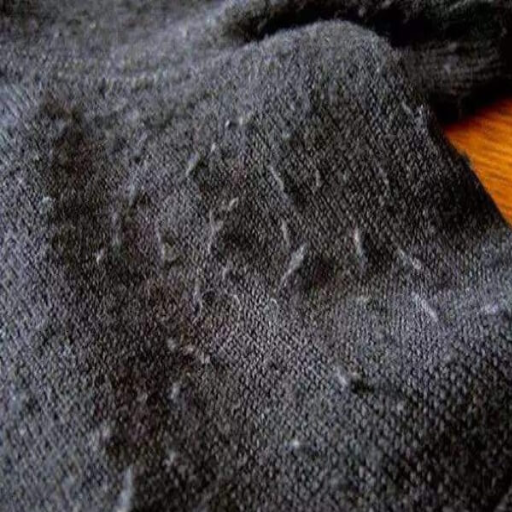
Pilling occurs when loose fibers on the surface of a fabric become entangled and abraded, forming small, spherical bundles. These “pills” remain attached to the fabric surface by stronger, anchored fibers, creating an undesirable, worn, and fuzzy appearance. While common, the severity and speed of pilling can vary dramatically, providing an immediate visual cue about a product’s inherent quality and durability. For brands, this visual cue translates directly into customer perception of value and longevity.
Primary Causes: Abrasion, Fiber Type, and Fabric Structure
Understanding the root causes of pilling is essential for brands to make informed decisions in their supply chain and design processes.
- Abrasion: This is the primary catalyst. Friction from wear, washing, or even rubbing against other surfaces causes individual fibers to loosen from the yarn structure and migrate to the fabric surface. Areas of high friction, like underarms, cuffs, and seats, are particularly prone to pilling.
- Fiber Type: The type of fiber significantly influences pilling susceptibility.
- Stronger, synthetic fibers like polyester, nylon, and acrylic tend to pill more because their strength prevents shed fibers from breaking off easily. Instead, they remain attached and knot into pills.
- Weaker, natural fibers like cotton and wool can pill, but the pills often break off more readily due to the shorter, weaker fibers, sometimes making the problem less persistent. However, certain wools (especially softer, finer ones like merino) can be quite prone if not treated or blended correctly.
- Fiber blends often exacerbate pilling, especially when a strong synthetic fiber is blended with a weaker natural one. The stronger fiber holds onto the weaker, abraded fibers, forming pills that are difficult to remove.
- Fabric Structure and Yarn Twist: Loosely woven or knitted fabrics, particularly those made with low-twist or spun yarns, offer more opportunities for fibers to migrate to the surface and pill. Tightly woven or highly twisted fabrics generally exhibit better pill resistance because their fibers are more securely integrated into the yarn and fabric structure. Surface finishes can also play a role, with some finishes reducing friction and thus pilling.
Pilling’s Impact on Brand Perception and Consumer Trust
For brands, pilling is a tangible threat to their meticulously crafted image and the perceived value of their offerings. It’s a direct, visual manifestation of product quality that consumers immediately recognize.
Erosion of Perceived Quality and Value
A product that pills prematurely signals to the consumer that it is of lower quality, even if other aspects of its construction are superior. This perception can lead to disappointment, regret, and a feeling that the product was not worth its price. For a brand, this directly undermines the value proposition, suggesting a disconnect between marketing promises and actual product performance. In a competitive market, a brand cannot afford to be associated with products that quickly look worn out.
The Link to Customer Satisfaction and Loyalty
Pilling directly impacts customer satisfaction. A customer who invests in a garment or home textile expects it to maintain its appearance and functionality over a reasonable period. When pilling occurs early in the product’s lifespan, it leads to dissatisfaction, negative reviews, and reduced likelihood of repeat purchases. Loyal customers are built on consistent positive experiences, and fabric quality, including pill resistance, is a non-negotiable component of that experience. Brands striving for long-term relationships with their customers must view pill resistance as a critical loyalty driver.
Implications for Luxury and Premium Brands
The stakes are even higher for luxury and premium brands. These brands trade on an image of unparalleled quality, exquisite craftsmanship, and enduring value. Pilling on a high-end item is not just a flaw; it’s an affront to the brand’s core promise. It can rapidly devalue a product that carries a significant price tag, leading to severe reputational damage. A luxury brand’s entire corporate identity is built on delivering an elevated experience, and a visible quality defect like pilling can shatter that illusion, making consumers question the authenticity and integrity of the brand.
Strategic Material Selection and Design: Protecting Brand Integrity
Proactive measures in material selection and product design are paramount for brands aiming to deliver superior quality and protect their integrity against the challenge of pilling. These decisions are not merely technical; they are strategic choices that define a brand’s commitment to its customers.
Choosing Fibers and Blends Wisely
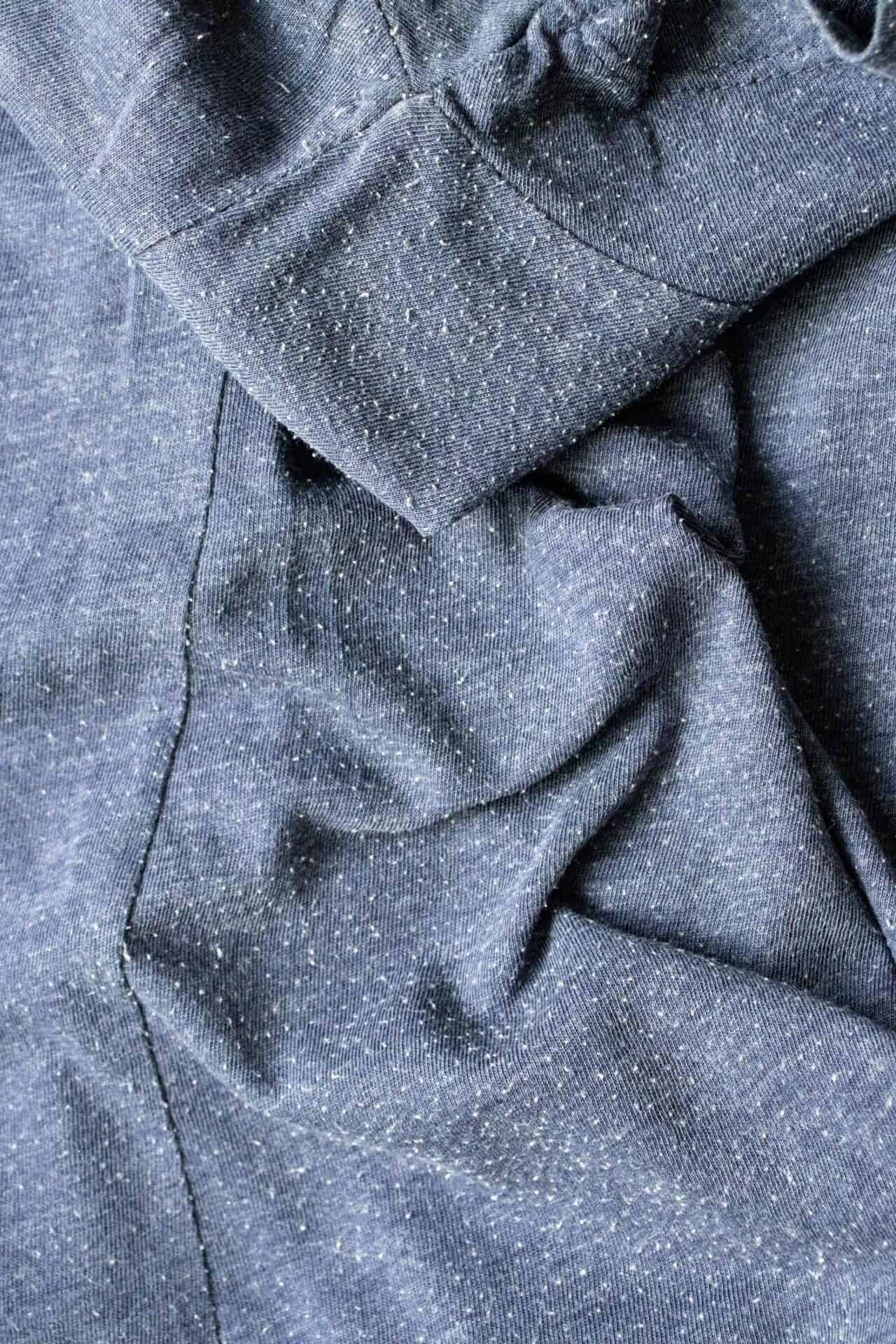
Brands must make deliberate choices about the fibers and blends they use, weighing cost, aesthetic appeal, functionality, and crucial performance characteristics like pill resistance.
- High-Quality Natural Fibers: Investing in longer-staple natural fibers (e.g., long-staple cotton, specific grades of merino wool) can improve pill resistance, as longer fibers are less prone to migrating and forming pills.
- Engineered Synthetics: For synthetic fabrics, brands can opt for specialized anti-pilling treatments or choose synthetic fibers engineered with lower tenacity or specific cross-sections that are less prone to entanglement.
- Strategic Blending: If blending is necessary for performance or aesthetic, brands should carefully research and test blends to ensure that the combination of fibers doesn’t inadvertently increase pilling. Sometimes, a small percentage of a stronger fiber can help anchor weaker ones, but often, blends can exacerbate the issue.
The Role of Fabric Construction and Finishing
Beyond fiber choice, how a fabric is constructed and finished plays a crucial role in its pill resistance, directly reflecting a brand’s manufacturing standards.
- Tight Weaves and Knits: Brands should prioritize tighter weaves and knits for fabrics intended for high-wear items. These constructions secure fibers more effectively, reducing their tendency to surface and pill.
- Yarn Twist and Spin: Using higher-twist yarns means individual fibers are more tightly bound, leaving fewer loose ends to form pills. Compact spinning techniques also lead to smoother, more pill-resistant yarns.
- Anti-Pilling Finishes: Chemical or mechanical anti-pilling finishes can be applied to fabrics. These treatments either bind surface fibers, singe them off, or lubricate them to reduce friction. Brands that invest in these advanced finishes demonstrate a commitment to product longevity and superior quality.
Design for Durability: Beyond Aesthetics
Product design should consider more than just visual appeal. Brands committed to durability integrate pill resistance into the design process itself. This includes:
- Strategic Fabric Placement: Using more pill-resistant fabrics in high-friction areas of a garment or furniture piece.
- Seam and Construction Reinforcement: Designing seams and structural elements to minimize fabric movement and abrasion.
- Considering End-Use: Understanding how a product will be used and washed influences material selection and construction, ensuring the product can withstand its intended environment without premature pilling.
Communicating Quality: Marketing and Brand Storytelling in the Face of Pilling
While mitigating pilling through design and material science is crucial, brands must also master the art of communicating their commitment to quality and managing consumer expectations. This forms a vital part of their marketing and brand storytelling strategy.
Transparency and Consumer Education
Rather than ignoring the issue, brands can build trust through transparency. Educating consumers about what pilling is, why it occurs, and how to care for fabrics to minimize it can empower customers and reinforce the brand’s authority. This might involve:
- Care Labels: Clear, comprehensive care instructions that help consumers maintain product quality.
- Website Content: Blog posts or FAQs explaining fabric science and care.
- Material Guides: Providing information on the properties of different fibers used in their products.
By providing such information, brands position themselves as knowledgeable and customer-centric, fostering a deeper connection with their audience.
Highlighting Durability and Material Innovation
Brands that invest in pill-resistant fabrics and innovative manufacturing processes should proudly highlight these efforts in their marketing. This strengthens their brand narrative around quality, durability, and thoughtful design. Marketing messages can focus on:
- “Engineered for Longevity”: Emphasizing the research and development behind their fabric choices.
- “Premium Fibers for Enduring Style”: Tying material quality directly to aesthetic longevity and value.
- “Sustainable Durability”: Connecting the long lifespan of their products (due to pill resistance) with environmental responsibility, appealing to eco-conscious consumers.
Such messaging transforms a technical feature into a compelling brand benefit.
Managing Expectations and Post-Purchase Support
Even with the best efforts, some fabrics may exhibit minimal pilling. Brands can manage expectations by:
- Providing Tools/Advice: Offering guidance on how to de-pill fabric (e.g., suggesting fabric shavers) or even offering these tools as part of a premium customer service package.
- Responsive Customer Service: Addressing customer concerns about pilling promptly and effectively, demonstrating a commitment to after-sales support and overall customer satisfaction.
This level of engagement turns a potential negative into an opportunity to reinforce brand loyalty and showcase exceptional customer care.
Elevating Brand Equity Through Pilling Mitigation and Quality Assurance
Ultimately, a brand’s approach to pilling is a reflection of its broader commitment to quality assurance and its long-term vision for brand equity. It is an investment in reputation, trust, and sustainable growth.
Investment in R&D and Testing
Leading brands understand that preventing pilling requires continuous investment in research and development. This includes:
- Fabric Testing: Rigorous testing of all fabrics for pill resistance using industry-standard methods (e.g., Martindale abrasion test, ICI pilling box).
- Supplier Partnerships: Collaborating with textile manufacturers and suppliers who share the brand’s commitment to quality and innovation in pill-resistant fabrics.
- New Material Exploration: Actively seeking out and evaluating new fiber technologies and fabric treatments that offer enhanced pill resistance.
These investments ensure that a brand stays ahead in delivering products that meet and exceed consumer expectations for durability and appearance.
Sustainable Practices and Long-Term Brand Value
Addressing pilling aligns directly with sustainable business practices and enhances long-term brand value. Products that resist pilling and maintain their appearance for longer reduce the need for premature replacement, thereby minimizing waste. Brands that prioritize durability through effective pilling mitigation are not only delivering better value to their customers but also contributing to a more sustainable consumption cycle. This resonates strongly with modern consumers who value both quality and environmental responsibility. By consistently delivering durable, high-quality products, brands build an enduring legacy of trust and reliability, solidifying their position in the market and ensuring sustained brand equity for years to come.
aViewFromTheCave is a participant in the Amazon Services LLC Associates Program, an affiliate advertising program designed to provide a means for sites to earn advertising fees by advertising and linking to Amazon.com. Amazon, the Amazon logo, AmazonSupply, and the AmazonSupply logo are trademarks of Amazon.com, Inc. or its affiliates. As an Amazon Associate we earn affiliate commissions from qualifying purchases.