
Understanding the true financial performance of a rental property hinges on grasping the concept of net rental income. While many prospective and current landlords focus primarily on the rent collected, this gross figure provides only a partial, and often misleading, picture of profitability. Net rental income is the cornerstone of effective financial management for real estate investors, revealing the actual profit generated after all allowable expenses are accounted for. It is the metric that dictates a property’s true financial viability, influencing investment decisions, tax obligations, and long-term wealth accumulation.
Deconstructing Gross vs. Net Rental Income
The journey to understanding net rental income begins with a clear distinction between gross and net figures. These two terms represent fundamentally different stages in a property’s financial lifecycle and carry varying implications for an investor.
Understanding Gross Rental Income
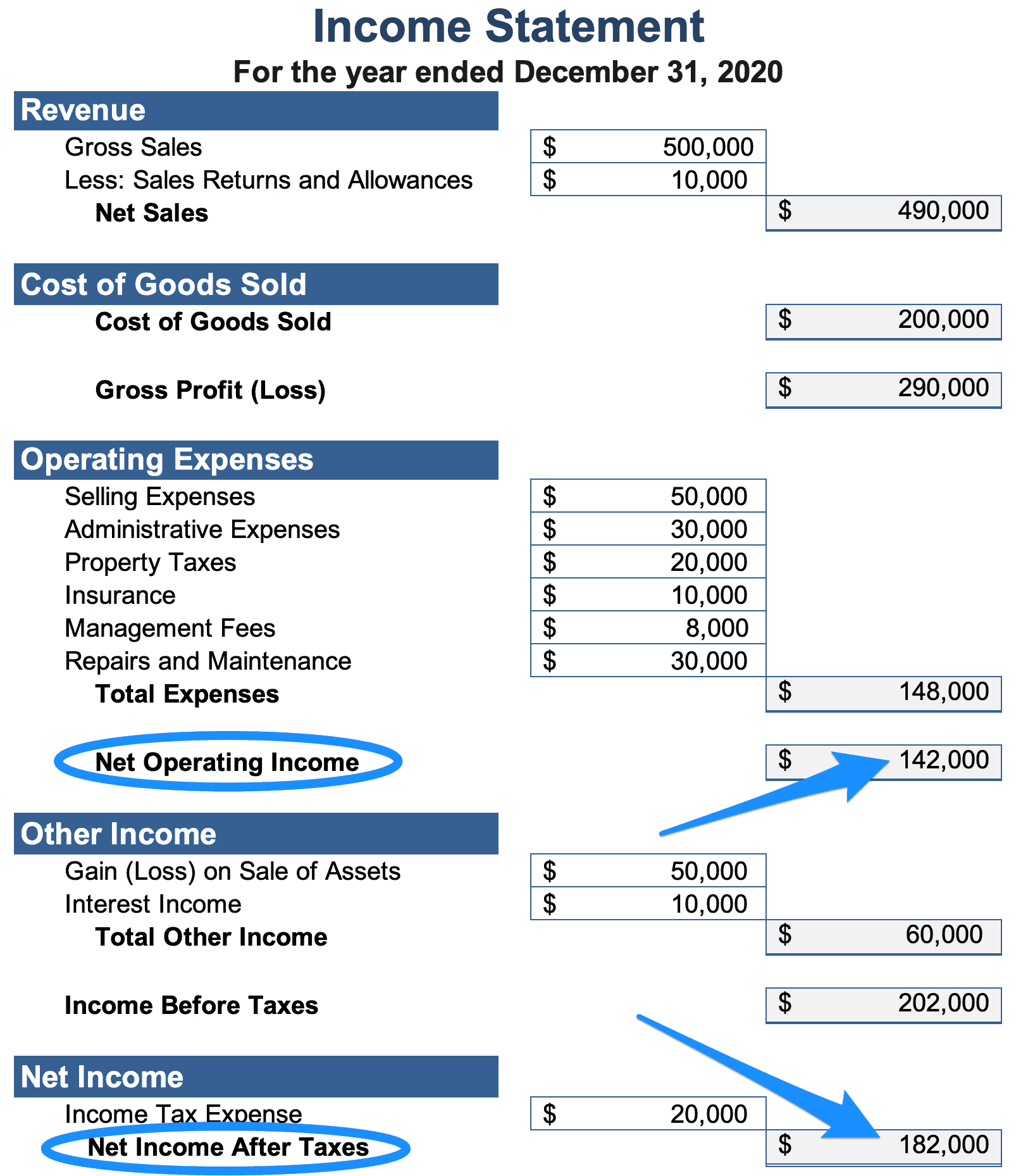
Gross rental income, at its simplest, is the total amount of money collected from a rental property before any expenses are deducted. This includes not only the basic monthly rent stipulated in the lease agreement but can also encompass other payments made by tenants that are considered income. Examples might include pet fees, parking fees, application fees, or late payment charges, depending on how they are structured and taxed in your jurisdiction.
While it’s the most visible and easily calculable figure, gross rental income serves primarily as a starting point. It represents the top-line revenue, much like a business’s total sales. However, just as a business’s sales revenue doesn’t equal profit, a property’s gross rental income does not reflect the actual financial gain for the owner. Its importance lies in setting the baseline, against which all subsequent expenses will be measured.
The Critical Distinction: Why Net Matters More
The stark reality for property investors is that a significant portion of gross rental income is inevitably consumed by the ongoing costs of owning and operating a rental property. These expenses range from predictable fixed costs to variable maintenance and unexpected repairs. Relying solely on gross rental income to assess a property’s performance can lead to a dangerously overoptimistic view of its profitability, potentially resulting in poor investment decisions or unforeseen financial strain.
Net rental income, conversely, provides a far more accurate and realistic assessment. It is the amount remaining after all eligible expenses are subtracted from the gross income. This net figure represents the actual profit that flows to the investor, before considering personal income taxes on that profit. For strategic planning, property valuation, and tax purposes, net rental income is the metric that truly matters. It shifts the focus from mere revenue collection to actual wealth generation, highlighting the efficiency with which a property operates and its ultimate contribution to an investor’s financial portfolio.
Key Expenses That Impact Net Rental Income
The calculation of net rental income relies heavily on a thorough and accurate accounting of all expenses incurred in the operation of a rental property. These expenses can be broadly categorized, but all share the common characteristic of reducing the gross income to arrive at the net profit.
Property Operating Costs
These are the recurring and necessary expenses to keep a property functional and tenant-occupied.
- Property Management Fees: If an investor opts for professional management, these fees are typically a percentage of the gross monthly rent (e.g., 8-12%) or a flat fee. While an expense, a good property manager can often mitigate other costs by reducing vacancies and efficiently handling maintenance.
- Maintenance and Repairs: This category includes everything from routine upkeep (e.g., landscaping, common area cleaning) to specific repairs (e.g., leaky faucet, broken appliance). It’s crucial to distinguish these from “capital improvements” (e.g., a new roof, major renovation), which add significant value or extend the life of the property and are depreciated over time rather than expensed in a single year.
- Utilities: If the landlord covers utilities like water, sewer, trash, gas, or electricity for common areas or specific units (often in multi-family dwellings), these become a significant operating cost.
- Insurance: Landlord insurance is essential, covering liability, property damage, and loss of rental income due to covered perils. The cost varies based on location, property type, and coverage limits.
- Property Taxes: A major fixed cost, property taxes are levied by local authorities and can fluctuate based on assessments and local tax rates.
- Homeowners Association (HOA) Fees: For properties within an HOA, these mandatory fees cover the maintenance of common areas, amenities, and sometimes shared utilities or exterior repairs.
Financing Costs
For properties purchased with a mortgage, financing costs represent a substantial deduction.
- Mortgage Interest: This is often the largest single deductible expense for financed rental properties. It’s critical to note that only the interest portion of mortgage payments is deductible; the principal repayment contributes to equity and is not an expense.
- Loan Origination Fees and Points: Fees paid to secure a mortgage can often be amortized and deducted over the life of the loan.
Administrative and Legal Expenses
Managing a rental property involves various administrative and sometimes legal overheads.
- Advertising and Marketing: Costs associated with finding new tenants, such as listing fees on rental platforms, signs, or professional photography.
- Legal Fees: Expenses related to drafting leases, handling evictions, or resolving tenant disputes.
- Accounting and Bookkeeping Fees: Costs for professional assistance in managing financial records and preparing tax returns.
- Travel Expenses: If an investor needs to travel to inspect or manage the property, certain related travel costs may be deductible.
- Office Supplies: Minor expenses related to the administrative tasks of property management.
Depreciation
Depreciation is a unique and powerful non-cash expense that significantly impacts net rental income, particularly for tax purposes.
- Understanding Depreciation: The IRS allows property owners to deduct a portion of the cost of their rental property (excluding land, which does not depreciate) each year over a specified period (typically 27.5 years for residential properties). This deduction accounts for the wear and tear or obsolescence of the building and its structural components.
- Impact on Net Income: While no cash physically leaves the investor’s pocket for depreciation, it reduces the property’s taxable income, effectively lowering the tax liability on the net rental income. This can significantly improve the after-tax return on investment, making it a critical consideration for long-term investors.
Calculating Net Rental Income: A Step-by-Step Approach
The calculation of net rental income, while involving numerous variables, follows a straightforward formula. Precision in tracking all relevant figures is paramount.
The Basic Formula
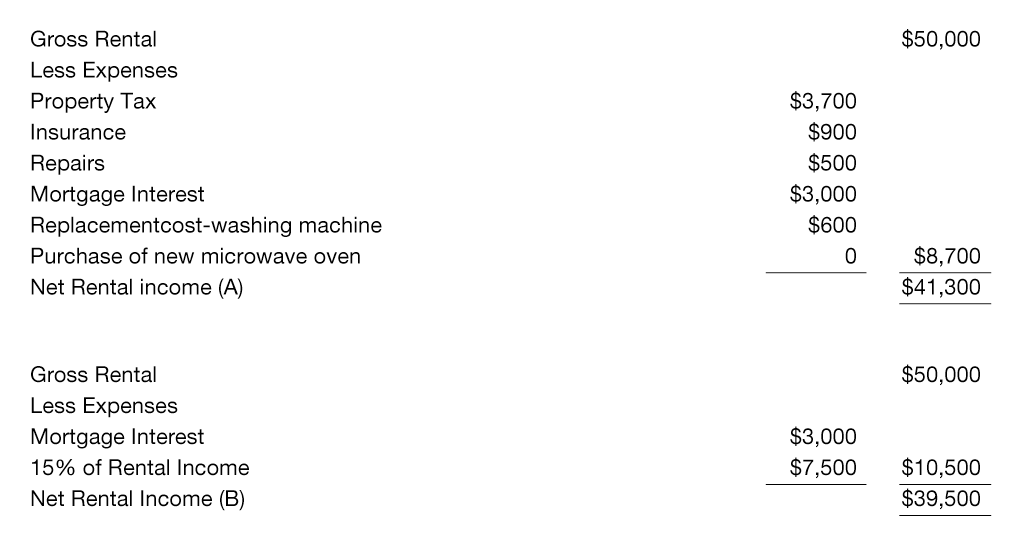
The fundamental equation for determining net rental income is:
Gross Rental Income – Total Allowable Expenses = Net Rental Income
This simple formula belies the importance of diligent record-keeping for both income and expenses.
Practical Example
Let’s illustrate with a hypothetical single-family rental property over a year:
Gross Rental Income:
- Monthly Rent: $2,000
- Annual Rent: $2,000 * 12 = $24,000
- Pet Fees (annual): $300
- Late Fees (annual): $100
- Total Gross Rental Income: $24,000 + $300 + $100 = $24,400
Allowable Expenses:
- Property Management Fees (10% of gross rent): $2,400
- Property Taxes: $3,000
- Landlord Insurance: $1,200
- Mortgage Interest: $8,000
- Maintenance & Repairs: $1,500
- Utilities (landlord-paid common area): $600
- Advertising for new tenant: $200
- Legal Fees (lease renewal assistance): $150
- Depreciation: $4,500
- Total Allowable Expenses: $2,400 + $3,000 + $1,200 + $8,000 + $1,500 + $600 + $200 + $150 + $4,500 = $21,550
Calculating Net Rental Income:
- Net Rental Income = Total Gross Rental Income – Total Allowable Expenses
- Net Rental Income = $24,400 – $21,550 = $2,850
In this example, despite collecting $24,400 in gross income, the actual net profit for the year, before personal income taxes, is only $2,850. This demonstrates the critical importance of understanding and meticulously tracking all expenses. Accurate record-keeping, whether through spreadsheets, accounting software, or professional bookkeepers, is not just good practice but a necessity for precise calculation and robust financial management.
Why Understanding Net Rental Income is Crucial for Investors
Beyond simply knowing the number, a deep understanding of net rental income is fundamental to successful real estate investing. It underpins virtually every strategic decision an investor makes.
Evaluating Profitability and Cash Flow
Net rental income serves as the primary gauge of a property’s profitability. It provides the most accurate picture of how much actual wealth a property is generating for its owner. While some investors might confuse it with positive cash flow (which often refers to the cash remaining after all debt service, including principal, is paid), net rental income specifically highlights the profit from operations and asset depreciation before considering the principal portion of mortgage payments. A consistently positive and growing net rental income indicates a healthy and viable investment, signaling its ability to cover operational costs and contribute to an investor’s financial goals. Conversely, a consistently low or negative net rental income calls for a re-evaluation of the property’s management or market position.
Tax Planning and Liabilities
For tax purposes, net rental income is the figure reported to the tax authorities. Every eligible expense reduces this taxable income, directly lowering an investor’s tax liability. An astute understanding of what can and cannot be deducted is vital. Depreciation, in particular, often transforms what appears to be a modest cash profit into a much lower taxable income, sometimes even creating a paper loss that can offset other income sources (subject to passive activity loss rules). Consulting with tax professionals is invaluable to ensure all legitimate deductions are claimed, optimizing the tax efficiency of the investment and avoiding costly errors.
Property Valuation and Future Planning
Net rental income, especially when refined into Net Operating Income (NOI – which excludes mortgage interest and depreciation, focusing purely on operational profitability), is a critical component in valuing income-producing properties. Potential buyers and lenders often use NOI to apply capitalization rates (cap rates) to estimate a property’s value. A higher net rental income (and thus NOI) generally translates to a higher property valuation.
Furthermore, a clear understanding of net rental income enables accurate financial forecasting. Investors can project future income and expenses, assess the impact of rent increases or cost-saving measures, and make informed decisions about whether to hold, sell, or refinance a property. It’s the bedrock for long-term investment strategy and portfolio growth.
Strategies to Maximize Net Rental Income
Optimizing net rental income involves a dual approach: enhancing revenue streams and diligently managing expenses. Strategic efforts in both areas can significantly boost a property’s financial performance.
Smart Expense Management
Controlling costs is often more within an investor’s direct control than drastically increasing market rents.
- Proactive Maintenance: Implementing a schedule of preventative maintenance can avert larger, more expensive repairs down the line. Regular inspections help catch minor issues before they escalate.
- Negotiate and Compare: Don’t automatically accept the first quote for repairs or services. Solicit multiple bids from contractors, negotiate terms, and look for cost-effective solutions without compromising quality.
- Energy Efficiency: Upgrading to energy-efficient appliances, insulation, or smart thermostats can reduce landlord-paid utility costs and attract environmentally conscious tenants willing to pay a premium.
- Self-Management vs. Professional Management: While property management fees are a significant expense, self-managing demands considerable time and expertise. Carefully weigh the cost savings against the time commitment and potential for errors or vacancies. For some, the efficiency and expertise of a good property manager can actually lead to higher net income by reducing vacancies and handling issues more effectively.
Optimizing Rental Revenue
While market forces largely dictate rent levels, there are strategies to ensure you’re maximizing your top-line income.
- Market-Rate Analysis: Regularly research comparable rental properties in your area to ensure your rent is competitive but also optimized for maximum return. Don’t be afraid to adjust rents periodically, especially during tenant turnovers.
- Minimize Vacancies: Every day a property sits vacant is a day of lost income. Streamline the tenant screening and move-in process to reduce turnaround time. Good tenant retention strategies (e.g., responsive service, fair rent increases) are also key.
- Value-Add Improvements: Strategic renovations or upgrades (e.g., updated kitchen/bath, new flooring, in-unit laundry) can justify higher rents and attract higher-quality tenants, provided the cost of improvement delivers a strong return on investment.
- Ancillary Income: Where appropriate and permissible, consider charging for additional services or amenities like storage units, laundry facilities, or premium parking spaces.

Leveraging Tax Advantages
Effective tax planning is crucial for maximizing net rental income on an after-tax basis.
- Professional Tax Advice: Engage with a qualified tax advisor specializing in real estate. They can ensure you claim all eligible deductions, understand complex rules (like passive activity losses or depreciation recapture), and structure your investments for optimal tax efficiency.
- Accurate Depreciation: Work with your tax professional to calculate depreciation accurately, including potential cost segregation studies for larger properties, which can accelerate depreciation deductions on certain components.
- Meticulous Record-Keeping: Maintain detailed and organized records of all income and expenses. This is indispensable for accurate tax filing and provides crucial evidence in the event of an audit.
By applying these strategies, real estate investors can move beyond merely collecting rent to actively managing their properties as profitable businesses, ultimately maximizing their net rental income and achieving their financial objectives.
aViewFromTheCave is a participant in the Amazon Services LLC Associates Program, an affiliate advertising program designed to provide a means for sites to earn advertising fees by advertising and linking to Amazon.com. Amazon, the Amazon logo, AmazonSupply, and the AmazonSupply logo are trademarks of Amazon.com, Inc. or its affiliates. As an Amazon Associate we earn affiliate commissions from qualifying purchases.