
Luxury interior design transcends mere aesthetics; it is a meticulously crafted brand strategy, an embodiment of aspirational identity, and a powerful marketing tool for individuals and corporations alike. Far from being solely about extravagant expenditure, it is the deliberate application of design principles to cultivate an exclusive, elevated, and deeply personalized experience that communicates a distinct value proposition. In the realm of branding, luxury interior design operates as a tangible manifestation of a desired image, building perception, fostering loyalty, and defining an entity’s position within its competitive landscape. It transforms spaces into profound brand statements, where every material, texture, and object contributes to a cohesive narrative of prestige, sophistication, and individuality.
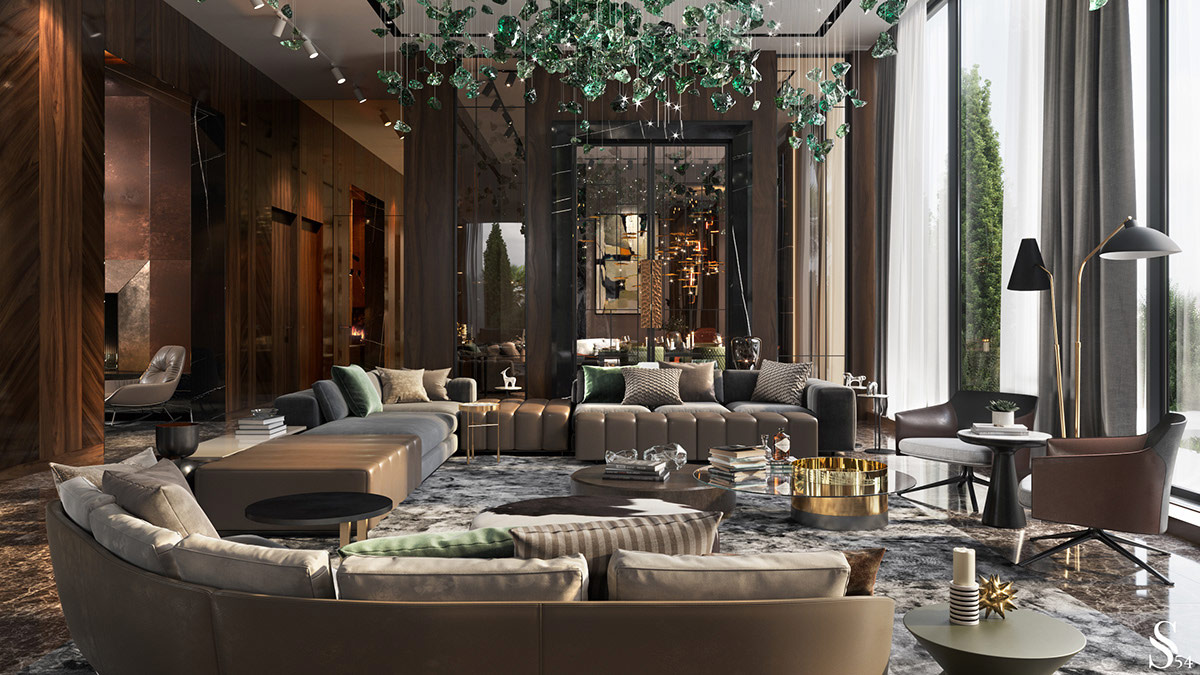
Beyond Aesthetics: Crafting a Desired Brand Identity
At its core, luxury interior design is about creating an environment that resonates with and reinforces a specific brand identity. Whether for a high-net-worth individual’s residence, a flagship retail store, a boutique hotel, or a corporate executive suite, the design becomes a silent yet eloquent spokesperson for the brand it represents. It moves beyond functional requirements, aiming to evoke emotional responses, signal status, and establish a memorable, distinctive presence.
The Psychology of Luxury Branding in Spaces
Luxury interior design masterfully leverages psychological principles to shape perception. It understands that human beings respond profoundly to their environment, and a well-designed luxury space can influence mood, behavior, and perceived value. The careful selection of bespoke furniture, unique art pieces, and rare finishes isn’t just about beauty; it’s about crafting an atmosphere that suggests exclusivity, quality, and a world where every detail is considered. This deliberate curation creates a sense of belonging for the target audience – those who appreciate and can afford such an environment – while simultaneously distinguishing the brand from the common or mass-market. It taps into desires for comfort, security, personal expression, and ultimately, an elevated lifestyle. The psychological impact extends to a feeling of being valued and catered to, fostering a deeper connection between the individual and the space, or by extension, the brand behind the space.
Storytelling Through Design Elements
Every luxury interior tells a story, and this narrative is a critical component of its branding power. Designers act as master storytellers, translating a client’s aspirations, heritage, or a brand’s ethos into a three-dimensional experience. The narrative can be historical, reflecting a specific era or cultural influence; it can be aspirational, painting a picture of a future lifestyle; or it can be a direct reflection of personal values and passions. For a corporate brand, the interior might tell a story of innovation, tradition, or global reach. This storytelling is achieved through thematic consistency, the integration of bespoke elements, and the layering of textures, colors, and lighting to create an emotional journey. For example, a luxury hotel might use local artisanal crafts and indigenous materials to tell a story of regional authenticity and unique travel experiences, thereby strengthening its distinct brand identity against global competitors. The coherence and depth of this narrative imbue the space with meaning, making it more than just a place, but a destination that reinforces the brand’s unique proposition.
Differentiating Through Exclusivity and Rarity
A cornerstone of luxury branding is differentiation, and interior design offers an unparalleled platform for achieving this through exclusivity and rarity. Luxury spaces are defined by elements that are not mass-produced or easily replicated. This includes custom-made furniture by celebrated artisans, one-of-a-kind art installations, rare natural materials like exotic woods or highly veined marble, and limited-edition decorative items. The inherent scarcity of these elements elevates the perceived value of the space and, by extension, the brand. For a personal brand, it signifies discerning taste and access to exceptional resources. For a corporate brand, it communicates an uncompromising commitment to quality and a superior offering that cannot be found elsewhere. This emphasis on unique, hard-to-source elements creates a barrier to entry for competitors and establishes a premium position, making the brand synonymous with unparalleled quality and distinctive style.
Strategic Pillars of Luxury Interior Branding
The execution of luxury interior design is underpinned by strategic pillars that extend beyond mere aesthetic choices, focusing instead on the holistic brand experience. These strategies ensure that the interior doesn’t just look luxurious but actively functions as a brand-building asset.
Curated Experiences, Not Just Spaces
Luxury interior design is fundamentally about curating an entire experience, not just decorating a space. Every sensory detail is considered to align with the overarching brand message. This means carefully selecting ambient lighting that sets the mood, choosing fragrances that evoke specific emotions, and integrating acoustics that promote tranquility or vibrancy. For a residential client, this might involve designing a bespoke home theater system that rivals a commercial cinema, or a spa-like master bathroom that offers a daily retreat. For a high-end retail brand, the interior is designed to make the shopping journey an event, transforming transactions into memorable engagements. The seamless integration of smart home technology, for instance, isn’t merely about convenience but about delivering an effortless, intuitive experience that underscores a brand’s commitment to cutting-edge sophistication. This experiential focus ensures that the brand identity is felt, seen, and interacted with at every touchpoint, creating a powerful and lasting impression.
The Role of Materials and Craftsmanship in Brand Perception
The choice of materials and the quality of craftsmanship are paramount in luxury interior branding. These elements are not just functional or decorative; they are direct communicators of a brand’s values, heritage, and commitment to excellence. Authentic, high-quality materials such as solid hardwoods, natural stone, silk, cashmere, and hand-blown glass convey durability, rarity, and an intrinsic value that artificial substitutes cannot replicate. The craftsmanship, often involving bespoke commissions and artisanal techniques passed down through generations, speaks to a dedication to detail and an appreciation for human skill over mass production. For brands, this translates into an image of reliability, prestige, and timelessness. Using these elements strategically builds trust and reinforces the brand’s promise of superior quality. A brand that invests in genuine materials and expert craftsmanship signals an unwavering pursuit of perfection, elevating its perceived status and attracting a clientele that values these attributes.

Personalization as the Ultimate Brand Statement
In the luxury market, personalization is the ultimate expression of exclusivity and a powerful branding tool. Luxury interior design moves beyond off-the-shelf solutions to create spaces that are uniquely tailored to the individual client or specific brand persona. This involves bespoke furniture, custom millwork, personalized art commissions, and the integration of objects with personal significance. For a personal brand (a private residence), this means reflecting the homeowner’s unique tastes, hobbies, and lifestyle in every detail, making the space an authentic extension of their identity. For a corporate brand, personalization might involve incorporating corporate colors and logos subtly within design elements, or commissioning art that reflects the company’s mission and history. The ability to offer such a high degree of customization reinforces the idea that the client is not just buying a product or service, but investing in a tailored experience that is truly one-of-a-kind. This level of bespoke service strengthens brand loyalty and positions the designer or brand as a purveyor of unparalleled, client-centric solutions.
Marketing Luxury Interior Design: Communicating Value
Effectively marketing luxury interior design involves more than showcasing beautiful images; it requires communicating the intrinsic value, exclusivity, and brand narrative embedded within each project. The marketing strategy must align with the high-end nature of the services and the discerning tastes of the target audience.
High-End Visuals and Narrative Marketing
For luxury interior design, visual representation is paramount, serving as the primary marketing tool for communicating brand excellence. This means investing heavily in professional photography and videography that captures the intricate details, the quality of materials, and the overall ambiance of a finished space. The visuals must tell a story, conveying the lifestyle or corporate identity that the design embodies, rather than just presenting a room. This narrative marketing extends to the use of compelling language that evokes emotion and highlights the bespoke nature, craftsmanship, and unique design philosophy behind each project. Case studies, presented with exquisite visuals and detailed descriptions of the design process and client objectives, serve as powerful testimonials to a designer’s or firm’s capability to deliver on the promise of luxury. Websites, portfolios, and marketing collateral are designed to be as aesthetically refined as the interiors themselves, embodying the brand’s commitment to unparalleled quality.
Targeting the Affluent Consumer Mindset
Marketing luxury interior design requires a deep understanding of the affluent consumer mindset. This demographic values discretion, quality, authenticity, and bespoke experiences over overt displays of wealth. Marketing efforts, therefore, tend to be more subtle, sophisticated, and focused on building relationships rather than hard selling. This involves exclusive events, private viewings, and partnerships with other luxury brands (e.g., high-end real estate, luxury automotive, private aviation) that cater to a similar clientele. Digital marketing strategies focus on platforms where this audience congregates, utilizing targeted content that speaks to their refined tastes and aspirations. The messaging emphasizes the return on investment in terms of lifestyle enhancement, personal legacy, and brand reinforcement, rather than simply cost. Understanding that luxury buyers often seek solutions that reflect their unique identity and values is key to crafting effective marketing communications.
Building a Designer’s Personal Brand in the Luxury Sector
For individual designers and design firms, establishing a strong personal brand is crucial in the competitive luxury interior design market. This involves consistently delivering exceptional, distinctive work that reflects a unique design signature. A designer’s personal brand is built on their aesthetic vision, their commitment to client satisfaction, their network of artisans and suppliers, and their reputation for discretion and professionalism. Branding activities include publishing in high-profile design magazines, speaking at industry events, and cultivating a strong online presence that showcases their portfolio and design philosophy. Collaborations with other luxury brands, appearances in design-focused media, and receiving industry awards also serve to elevate a designer’s brand, positioning them as an authority and tastemaker in the luxury sphere. The designer themselves becomes a brand, synonymous with a particular style and quality of service, attracting clients who align with their vision.
The Future of Luxury Interior Branding: Authenticity and Sustainability
As consumer values evolve, so too does the definition and marketing of luxury interior design. The future of luxury branding in this sector will increasingly lean into authenticity, ethical practices, and a timeless appeal.
Ethical Sourcing as a Brand Differentiator
In an increasingly conscious market, the provenance and ethical sourcing of materials are becoming significant brand differentiators in luxury interior design. Clients are not only interested in what materials look like, but also where they come from, how they were produced, and their environmental impact. Brands that can demonstrate a commitment to sustainable forestry, fair trade practices for artisanal goods, and the use of eco-friendly materials will gain a competitive edge. This commitment translates into a brand image of responsibility, integrity, and forward-thinking values, appealing to a clientele that aligns their purchasing decisions with their personal ethics. Ethical sourcing isn’t just a trend; it’s becoming an integral part of a luxury brand’s narrative, signaling a deeper level of quality and consideration that extends beyond the purely aesthetic.

Legacy and Timelessness in Design Branding
Luxury has always been associated with longevity and lasting value, and this emphasis on legacy and timelessness will continue to define luxury interior branding. Rather than chasing fleeting trends, luxury design focuses on creating enduring spaces that transcend time, offering lasting beauty and functionality. This involves selecting classic designs, high-quality materials that age gracefully, and a design philosophy that prioritizes enduring elegance over transient fashion. For a brand, this means promising not just a beautiful space, but an investment in an asset that will retain its aesthetic and intrinsic value for generations. The marketing message shifts from instant gratification to lasting heritage, positioning the design as a legacy piece. This approach resonates with clients who seek not just luxury, but meaning, history, and a lasting contribution to their personal or corporate identity.
aViewFromTheCave is a participant in the Amazon Services LLC Associates Program, an affiliate advertising program designed to provide a means for sites to earn advertising fees by advertising and linking to Amazon.com. Amazon, the Amazon logo, AmazonSupply, and the AmazonSupply logo are trademarks of Amazon.com, Inc. or its affiliates. As an Amazon Associate we earn affiliate commissions from qualifying purchases.