
In the intricate world of brand strategy and product design, material selection is far more than a superficial choice; it is a profound declaration of values, quality, and identity. For brands seeking to convey rugged durability, timeless elegance, and unwavering reliability, understanding and leveraging materials like latigo leather becomes paramount. Latigo isn’t merely a type of leather; it’s a testament to a meticulous tanning process that imbues products with characteristics crucial for establishing and maintaining a strong brand presence in discerning markets.
At its core, latigo leather is a specific type of full-grain leather renowned for its exceptional strength, flexibility, and resistance to the elements. Its unique qualities stem from a specialized combination tanning method, making it a material of choice for brands that prioritize performance, longevity, and a distinctive aesthetic in their offerings, ranging from equestrian tack and heavy-duty belts to high-end bags and outdoor gear. By integrating latigo, a brand doesn’t just promise durability; it builds that promise into the very fiber of its products.
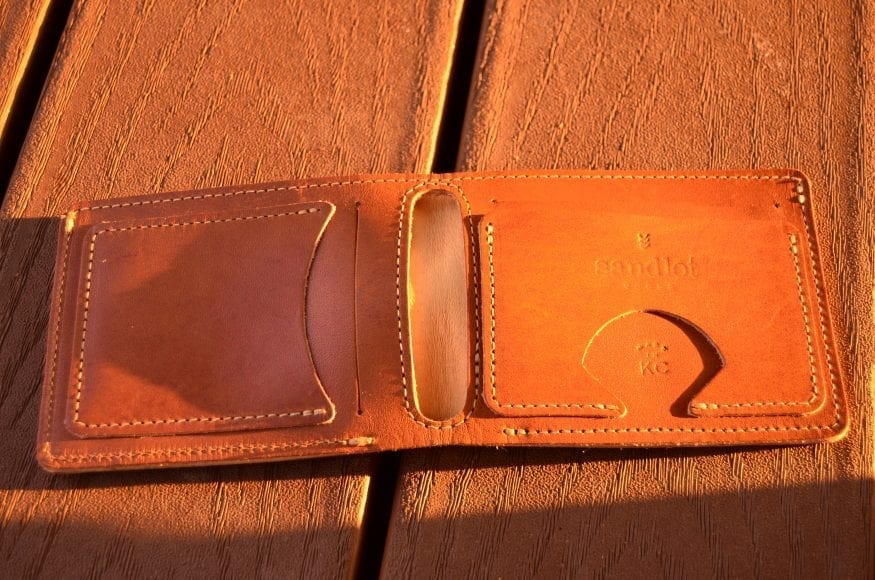
The Craft Behind Latigo: A Brand’s Foundation of Quality
The journey of latigo leather, from raw hide to finished material, is a testament to traditional craftsmanship married with sophisticated tanning techniques. This intensive process is what imbues latigo with its defining characteristics, making it an invaluable asset for brands committed to unparalleled product quality and a distinct market position.
Tanning Process and Its Impact on Brand Promise
The unique properties of latigo leather are forged through a two-stage tanning process, known as combination tanning. This method is critical for developing a material that offers the best of both worlds, directly impacting a brand’s ability to deliver on its promises of durability and aesthetic appeal.
Firstly, the hides undergo chrome tanning. This initial stage imparts remarkable strength, flexibility, and a degree of water resistance, making the leather resilient to stretching and tearing. Chrome tanning also ensures a relatively quick processing time, which, while efficient, doesn’t sacrifice the inherent structural integrity of the hide. For a brand, this initial step signifies a commitment to foundational robustness, ensuring the product can withstand rigorous use without compromising its form or function.
Following chrome tanning, the hides are then vegetable-tanned. This second, often lengthier, process involves soaking the leather in natural tannins derived from tree barks and other plant matter. Vegetable tanning adds density, body, and a rich, deep coloration that penetrates the material thoroughly. Crucially, it contributes to the leather’s unique “pull-up” effect, where lighter tones emerge when the leather is bent or stretched, and its capacity to develop a beautiful patina over time. From a brand perspective, the dual tanning process highlights a dedication to a superior material — a material that is not only strong but also rich in character, promising an evolving beauty that deepens with age and use. This complex process reflects a brand that values enduring quality and authentic craftsmanship, differentiating itself from those using simpler, less robust materials.
Distinctive Characteristics and Their Branding Advantages
The meticulous combination tanning endows latigo leather with a suite of characteristics that are highly advantageous for brands looking to carve out a niche defined by quality and performance.
- Durability and Strength: Latigo’s primary hallmark is its exceptional toughness. It resists abrasion, tearing, and stretching, making it ideal for items subjected to significant stress. For brands, this translates directly into a promise of longevity and reliability, reducing customer complaints and fostering a reputation for products “built to last.” This attribute is particularly compelling in markets where product failure is unacceptable, such as safety gear or high-performance accessories.
- Flexibility and Suppleness: Despite its strength, latigo is remarkably flexible and pliant. It breaks in beautifully, conforming to use without becoming flimsy. This balance between strength and suppleness enhances user comfort and product functionality, a key selling point for items like belts, harnesses, and watch straps. Brands can highlight the ergonomic benefits and the “lived-in” feel that latigo offers, enhancing the overall user experience and fostering greater customer satisfaction.
- Rich Pull-Up Effect and Patina: One of latigo’s most aesthetically pleasing features is its pull-up quality. When flexed, the oils and waxes within the leather shift, creating lighter tones in the stressed areas. This dynamic visual texture, combined with its ability to develop a rich, unique patina over time, allows each latigo product to tell its own story. For a brand, this means offering products that mature gracefully, gaining character and becoming truly unique to the owner. This narrative of individuality and evolving beauty resonates strongly with consumers seeking authenticity and value beyond immediate utility.
- Water and Weather Resistance: The tanning process, especially the oils and waxes incorporated, gives latigo a natural resistance to moisture and adverse weather conditions. While not fully waterproof, it handles splashes and humidity better than many other leathers, drying without excessive stiffness or damage. This characteristic is vital for brands targeting outdoor enthusiasts, equestrians, or anyone needing reliable gear in varied environments, reinforcing the brand’s commitment to practical, resilient design.
- Deep, Lustrous Colors: Latigo often features rich, deeply saturated colors that are an outcome of its vegetable-tanned stage. These vibrant yet earthy tones are not merely surface deep but permeate the leather, ensuring colorfastness and a luxurious aesthetic that speaks to quality and sophistication.
Latigo Leather in Product Design and Brand Storytelling
The selection of latigo leather is a deliberate strategic move for product designers and brand strategists. It’s not just about the material’s inherent qualities, but how those qualities are leveraged to define a product’s purpose, reinforce a brand’s identity, and communicate a compelling narrative to the consumer.
Strategic Applications for Brand Differentiation
Brands choose latigo leather when their core promise revolves around durability, heritage, and a premium tactile experience. The applications are diverse, each capitalizing on specific strengths of the material to meet the demands of a particular market segment.
- Equestrian Gear: Historically, latigo has been a staple in the equestrian world for bridles, reins, and saddles. Brands specializing in tack leverage latigo’s strength, weather resistance, and ability to withstand repeated stress, associating their name with reliability and the safety of both horse and rider. This application embodies a brand’s commitment to tradition, performance, and the welfare of animals.
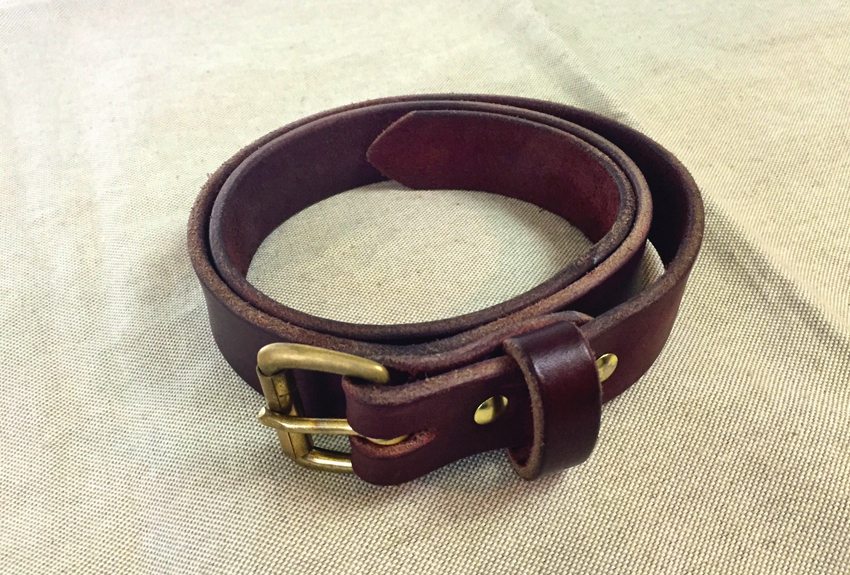
- Heavy-Duty Belts and Straps: For brands manufacturing work belts, guitar straps, or utility straps, latigo’s robust nature and minimal stretch are invaluable. It ensures that the product retains its shape and function over years of heavy use, reinforcing a brand’s image as a provider of foundational, long-lasting accessories.
- Outdoor and Adventure Gear: In the realm of camping, hiking, and outdoor equipment, brands use latigo for robust closures, bag straps, and knife sheaths. Its resistance to moisture and its ability to age gracefully in challenging environments align perfectly with brands that champion ruggedness, adventure, and gear that performs reliably off-grid.
- High-End Bags and Briefcases: While sometimes paired with softer leathers for aesthetics, latigo is used in high-end bags for structural components, handles, and areas requiring extra reinforcement. Brands here are not just selling a bag; they are selling an heirloom, a statement piece that improves with age and use. Latigo’s rich pull-up and patina contribute significantly to this narrative of enduring luxury.
- Pet Accessories: For premium dog collars and leashes, latigo offers unparalleled strength and comfort. Brands in this niche leverage the material to convey care for pets, offering products that are not only stylish but also secure and gentle on animals’ skin, emphasizing both luxury and practicality.
In each application, the choice of latigo reinforces the brand’s niche and values. A brand using latigo for a work belt isn’t just selling a belt; it’s selling “reliability you can depend on.” A brand using it for a luxury bag is selling “a legacy, not just an accessory.” The material itself becomes a silent, powerful spokesperson for the brand’s commitment to its customers and its craft.
Communicating Value: Marketing Latigo’s Attributes
Effectively marketing products made with latigo leather involves more than listing features; it requires storytelling that connects the material’s properties to consumer benefits and brand ethos.
Brands can highlight the “built to last” philosophy by detailing the dual tanning process, emphasizing the investment in quality that ensures longevity. Phrases like “heirloom quality” or “designed for generations” resonate with consumers seeking sustainable, durable goods that defy disposability. The story of latigo’s rigorous creation process becomes a metaphor for the brand’s own dedication to excellence.

Furthermore, leveraging the aesthetic appeal of latigo—its rich colors, pull-up effect, and the development of a unique patina—allows brands to market the product as an evolving personal item. “It gets better with age” or “your unique story etched in leather” transforms a practical purchase into an emotional connection. This narrative speaks to individuality and the desire for products that gain character, becoming cherished possessions rather than mere commodities.
Brands can also showcase the practical benefits, such as its weather resistance, tying it into narratives of adventure, resilience, and preparedness. Highlighting real-world scenarios where latigo-equipped products excel reinforces the brand’s credibility and its understanding of its customers’ needs. Ultimately, marketing latigo is about translating its inherent qualities into a compelling value proposition that aligns with the brand’s overall identity and resonates deeply with its target audience.
Maintaining Brand Integrity: Care and Longevity of Latigo Products
For a brand, the relationship with a customer extends beyond the point of purchase. Providing guidance on product care, especially for a premium material like latigo leather, is a critical aspect of fostering brand loyalty and ensuring the product lives up to its “built to last” promise.
Educating Consumers for Enhanced Brand Loyalty
Brands that commit to using latigo leather implicitly promise durability and longevity. To uphold this promise and manage customer expectations, educating consumers about proper care is essential. Simple, accessible care instructions serve multiple purposes: they extend the life of the product, maintain its aesthetic appeal, and reinforce the brand’s dedication to customer satisfaction.
Providing clear instructions on how to clean latigo leather – typically with a damp cloth and mild soap for stubborn grime – ensures that customers can easily maintain the material’s appearance without inadvertently damaging it. More importantly, advising on regular conditioning (using a high-quality leather conditioner or oil specifically designed for natural leathers) is crucial. Conditioning replenishes the oils and waxes that keep latigo supple, prevent drying and cracking, and maintain its water resistance.
By offering this guidance, a brand empowers its customers to care for their investment. This proactive approach prevents premature wear and tear that could otherwise lead to customer dissatisfaction, even if the material itself is robust. It signifies that the brand values its products and its customers enough to help them preserve the quality they paid for, strengthening the bond and fostering repeat business.
The Patina Effect: A Testament to Enduring Brand Value
One of latigo’s most celebrated characteristics, the development of a rich, unique patina over time, is a powerful testament to enduring brand value. A patina is the soft sheen, texture, or color that develops on the surface of leather through use, exposure to light, and natural oils from the skin. For latigo, this process is particularly pronounced and adds immense character.
Brands should actively promote and celebrate this natural aging process. Instead of framing wear as a flaw, it should be presented as a positive attribute – a visual history of the product’s journey with its owner. The unique markings, darkening in frequently touched areas, and softening of the leather tell a story that cannot be replicated by new, unused items. This narrative elevates the product from a mere commodity to a cherished artifact, a personal legacy.
By highlighting the patina, a brand reinforces the idea that its products are investments, designed not just for immediate utility but for a lifetime of use. It aligns with a growing consumer desire for authenticity and sustainability, where items that improve with age are valued over disposable goods. This concept fosters a deeper emotional connection between the customer and the brand, creating advocates who not only appreciate the initial quality but also the evolving beauty and history embedded in their latigo leather product.
Latigo and Your Brand’s Ethical & Sustainable Narrative
In today’s conscious marketplace, a brand’s material choices are increasingly scrutinized for their ethical and environmental implications. Latigo leather, with its inherent durability and traditional production methods, offers unique opportunities for brands to weave a compelling narrative around responsibility and sustainability.
Sourcing and Manufacturing Transparency
For brands aiming for a strong ethical stance, transparency in the sourcing and manufacturing of latigo leather is paramount. This involves understanding where the hides come from – ideally as a byproduct of the meat industry, ensuring no animals are raised solely for their skin. Furthermore, inquiring about the tannery’s practices, particularly regarding chemical use and wastewater treatment, becomes crucial. While combination tanning uses both chrome and vegetable agents, advancements in tanning technology have led to more environmentally responsible processes for both.
Brands can differentiate themselves by partnering with tanneries that adhere to strict environmental regulations, utilize closed-loop systems for water conservation, or are certified by organizations promoting sustainable leather production. Communicating these efforts to consumers – whether through “made with responsibly sourced leather” labels or detailed explanations on their website – builds trust and aligns the brand with environmentally conscious values. This level of transparency not only enhances corporate identity but also appeals to a growing segment of consumers who prioritize ethical consumption.
Longevity as a Sustainable Brand Choice
Perhaps the most compelling sustainable argument for latigo leather lies in its exceptional longevity. In an era dominated by fast fashion and disposable goods, products crafted from durable materials like latigo inherently reduce waste by lasting significantly longer.
Brands can effectively market this aspect by emphasizing the enduring quality of latigo. A product designed to last decades, or even a lifetime, means fewer replacements, less consumption of new resources, and a smaller carbon footprint over time. This narrative positions the brand as a proponent of mindful consumption and an alternative to the “buy-and-discard” cycle.
By choosing latigo, a brand is not just selecting a material; it’s making a statement about its commitment to craftsmanship, durability, and a more sustainable future. This commitment resonates deeply with consumers looking for products that offer genuine value, stand the test of time, and contribute positively to a circular economy. The longevity of latigo products becomes a powerful symbol of a brand’s broader ethical and sustainable ethos, turning a material choice into a cornerstone of its corporate social responsibility.
aViewFromTheCave is a participant in the Amazon Services LLC Associates Program, an affiliate advertising program designed to provide a means for sites to earn advertising fees by advertising and linking to Amazon.com. Amazon, the Amazon logo, AmazonSupply, and the AmazonSupply logo are trademarks of Amazon.com, Inc. or its affiliates. As an Amazon Associate we earn affiliate commissions from qualifying purchases.