
Understanding the nuanced characteristics of kinky hair is not merely an exercise in trichology; it is a fundamental pillar for effective brand strategy, personal branding, and product innovation within the beauty and lifestyle industries. For both individuals seeking to cultivate a distinct personal image and corporations aiming to capture a specific market segment, a deep appreciation of kinky hair’s unique identity is paramount. This hair type, often characterized by its tight, intricate curl patterns, possesses distinct structural, aesthetic, and care requirements that necessitate a specialized approach in branding and marketing.
The Unique Structural Identity of Kinky Hair in Branding
At its core, kinky hair, typically categorized as Type 4 in the widely used hair typing system, is defined by its exceptionally tight curl pattern, which can range from a very tight S-pattern to a Z-pattern or even a complete absence of a discernible pattern, appearing more like cotton or wool. This structure is not just a superficial trait; it dictates how hair behaves, its natural vulnerabilities, and consequently, the specific needs it presents to consumers and the opportunities it offers to brands.

Defining Kinky Hair: More Than Just a Curl Pattern
While curl pattern is the most visible identifier, the true “kink” lies in the hair strand’s cross-sectional shape and the distribution of disulphide bonds. Kinky hair strands are often oval or flat in cross-section, rather than round, and they exhibit frequent twists and turns along their length. This intricate morphology significantly impacts moisture retention, elasticity, and susceptibility to breakage. For a beauty brand, understanding this means moving beyond generic “curly hair” formulations. It demands a brand strategy that acknowledges the unique molecular and structural challenges of kinky hair, positioning products not just for aesthetics but for inherent hair health and integrity. Brands that genuinely grasp this distinction can build trust and loyalty by speaking directly to the specific experiences of their kinky-haired consumers. This specialized knowledge becomes a cornerstone of their corporate identity, signifying expertise and genuine care.
The Microscopic Marvel: Implications for Product Design
The tightly coiled structure of kinky hair means that natural oils produced by the scalp struggle to travel down the hair shaft effectively. This often leads to increased dryness and makes kinky hair more prone to tangling and breakage, especially during manipulation. From a product design perspective, this translates into a demand for highly emollient, moisturizing, and conditioning formulations. Brands that excel in this niche develop products rich in humectants, emollients, and occlusives, focusing on ingredients that provide slip for detangling, deep hydration, and cuticle protection. Furthermore, the inherent shrinkage of kinky hair—where wet hair appears significantly shorter than dry hair due to the coils contracting—also influences product design, with brands developing formulas to elongate curls or minimize shrinkage for styling versatility. This deep dive into the hair’s microscopic needs allows brands to innovate, differentiate themselves, and establish a strong market presence built on effective solutions rather than superficial promises, thereby strengthening their brand equity.
Kinky Hair and Personal Branding: Cultivating Authentic Image
For individuals, kinky hair is often more than just a genetic trait; it is a powerful component of personal identity and self-expression, particularly within certain cultural contexts. How one styles and presents kinky hair can significantly impact their personal brand, conveying messages about individuality, professionalism, cultural pride, and creativity.
Embracing Natural Texture: A Statement of Identity
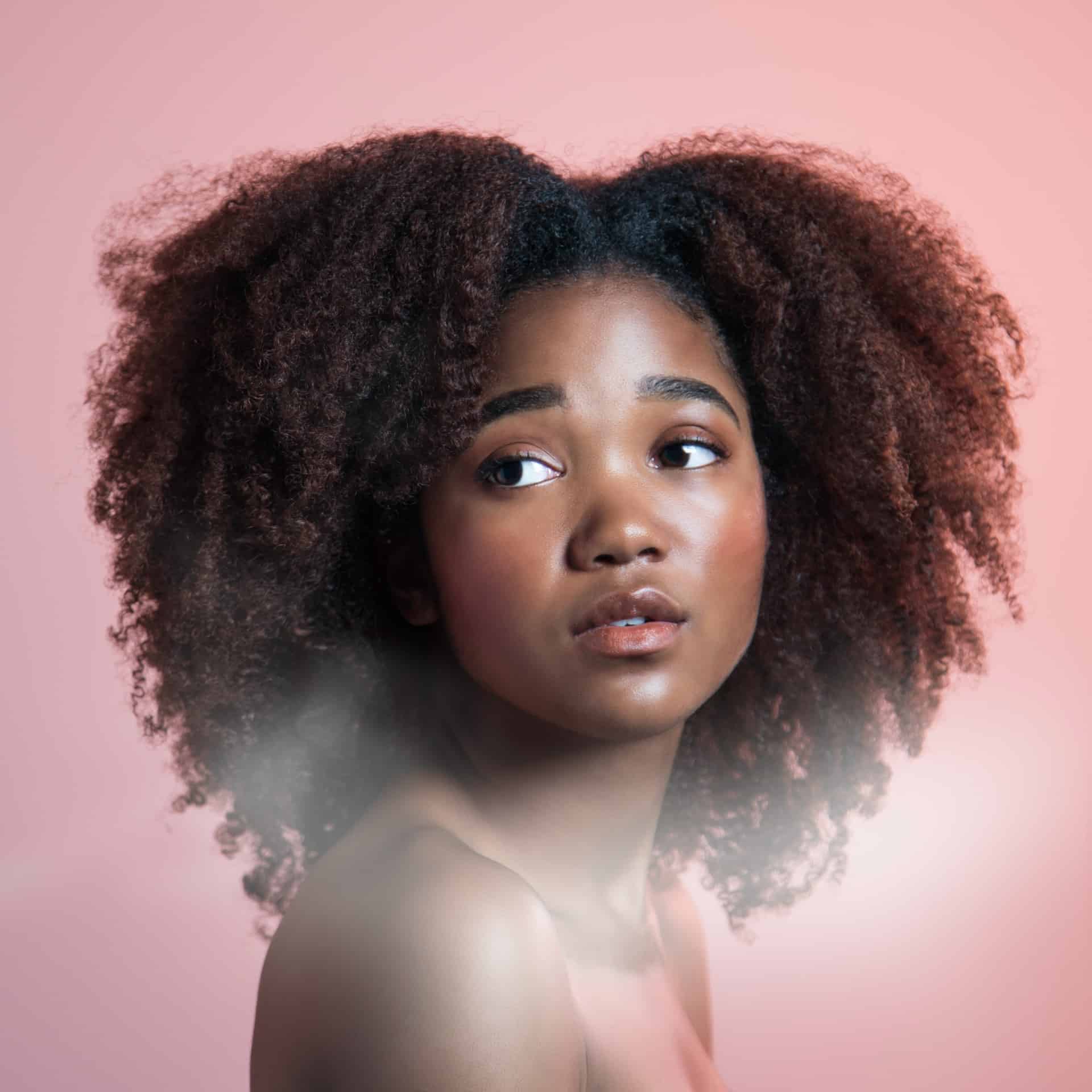
In an increasingly diverse world, embracing one’s natural kinky hair texture has become a potent statement of personal branding. It signifies authenticity, self-acceptance, and often, a connection to cultural heritage. Individuals who confidently wear their natural kinky hair, whether in an afro, braids, twists, or defined curls, project an image of strength, uniqueness, and a rejection of Eurocentric beauty standards. For professionals in creative industries, fashion, or arts, this can be a distinctive advantage, setting them apart and reinforcing a personal brand built on originality and genuine self-expression. This choice contributes to a memorable personal corporate identity, making them recognizable and relatable to specific audiences, and potentially aligning them with brands that celebrate diversity and natural beauty.
Professional Presentation: Navigating Perception and Style

While embracing natural texture is a powerful personal brand statement, individuals with kinky hair often navigate complex perceptions in professional environments. The concept of “professional” hair can sometimes be narrowly defined, creating a challenge for those whose natural texture deviates from conventional norms. Therefore, personal branding for individuals with kinky hair often involves strategic styling choices that balance cultural authenticity with professional expectations. This might include well-defined twists, carefully maintained locs, sleek updos, or artfully shaped afros that demonstrate neatness, attention to detail, and intentionality. The goal is to project competence and confidence while remaining true to one’s identity. This negotiation of style becomes a critical element of one’s personal brand strategy, demonstrating adaptability and sophisticated self-awareness, which are highly valued in any corporate identity.
Corporate Branding & Market Strategy: Engaging the Kinky Hair Consumer
For corporations, the kinky hair market represents a significant and growing demographic that demands specialized products and authentic marketing. Brands that successfully engage this consumer base understand that generic approaches fail; instead, a focused brand strategy built on empathy, understanding, and tailored solutions is required.
Product Development and Niche Market Focus
The specific needs of kinky hair necessitate dedicated research and development. Brands that truly excel in this space invest in creating formulations designed to address issues like extreme dryness, breakage, shrinkage, and styling versatility unique to kinky textures. This isn’t just about adding a “curly hair” label; it involves specialized ingredient selection (e.g., highly emollient butters, non-stripping surfactants, nourishing oils), tailored product formats (e.g., custards, gels, creams with specific consistencies), and rigorous testing on actual kinky hair types. A brand’s commitment to this niche product development demonstrates its understanding and respect for the consumer, building a strong corporate identity as an expert and ally in the kinky hair journey. This strategic focus translates directly into market share gains and brand loyalty within a discerning consumer base.
Marketing Authenticity: Visuals, Messaging, and Representation
Effective marketing for kinky hair products goes far beyond simply showcasing models with this hair type. It requires a profound commitment to authenticity in visual representation, messaging, and overall brand narrative. Brands must feature diverse individuals with kinky hair in its natural, untransformed state, celebrating its beauty and versatility. Messaging must be empowering, inclusive, and genuinely address the concerns and aspirations of the target audience. This means using language that resonates, avoiding cultural appropriation, and actively engaging with the kinky hair community through transparent communication and educational content. A brand that genuinely understands and respects the cultural significance of kinky hair in its marketing builds credibility and an emotional connection with consumers, fostering a powerful corporate identity rooted in genuine representation and advocacy rather than mere commercial exploitation. This approach enhances brand reputation and cultivates a loyal customer base.
The Design and Innovation Ecosystem Around Kinky Hair
The unique characteristics of kinky hair have spurred an entire ecosystem of design and innovation, ranging from specialized hair tools to educational platforms. Brands operating within this space must continually evolve their offerings to meet the dynamic needs of consumers.
Specialized Tools and Accessories: Meeting Unique Needs
The tightly coiled and often delicate nature of kinky hair demands specialized tools that minimize damage and maximize styling efficiency. This has led to the design and market introduction of detangling brushes with flexible bristles, wide-tooth combs, satin-lined bonnets and pillowcases, and hair towels made from microfibre or cotton t-shirts instead of abrasive terry cloth. Each of these innovations addresses a specific pain point for kinky hair care, from reducing friction during detangling to preventing moisture loss and frizz overnight. For accessory brands, meticulous design focused on hair health and user experience is critical for establishing a strong brand presence. These brands aren’t just selling products; they are selling solutions to common hair care challenges, building their corporate identity around practical, effective, and hair-friendly designs that resonate deeply with their target market.
The Role of Education and Community in Brand Building
Beyond physical products and tools, the kinky hair landscape thrives on education and community. Many brands have recognized that providing valuable information on care routines, styling techniques, and ingredient knowledge is as important as selling products. This commitment to consumer education builds authority and trust, transforming a brand from a mere retailer into a trusted resource and community partner. Through blogs, tutorials, social media engagement, and collaborative initiatives, brands can foster a sense of belonging and support among their kinky-haired consumers. This community-centric approach is a powerful brand-building strategy, reinforcing a corporate identity that is seen as supportive, knowledgeable, and genuinely invested in the well-being of its audience, thereby creating deeper, more lasting brand loyalty.
aViewFromTheCave is a participant in the Amazon Services LLC Associates Program, an affiliate advertising program designed to provide a means for sites to earn advertising fees by advertising and linking to Amazon.com. Amazon, the Amazon logo, AmazonSupply, and the AmazonSupply logo are trademarks of Amazon.com, Inc. or its affiliates. As an Amazon Associate we earn affiliate commissions from qualifying purchases.