
The world of television is often a reflection of our own, yet few characters leave as indelible a mark as Detective Elliot Stabler from the critically acclaimed Law & Order: Special Victims Unit. For over a decade, Stabler, portrayed by the formidable Christopher Meloni, was the unwavering moral compass and explosive emotional core of the squad, a counterpoint to Mariska Hargitay’s Olivia Benson. His abrupt departure at the end of Season 12 in 2011 left a void that resonated deeply with fans, sparking a decade of speculation, longing, and fervent hope for his return. “What happened to Elliot?” became a rhetorical question whispered in fan forums, fueling countless discussions across the burgeoning landscape of social media.
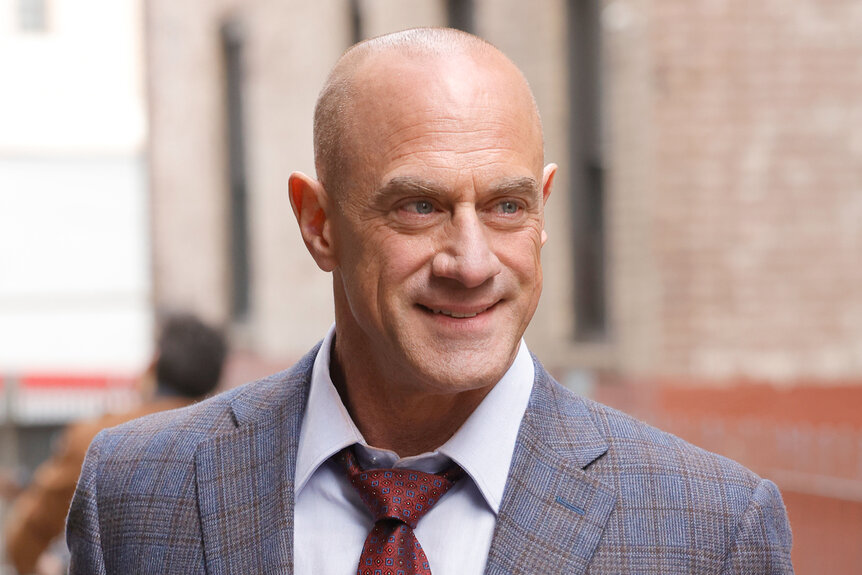
But Stabler’s story isn’t just about a character leaving and returning to a fictional universe. His journey, from his impactful exit to his triumphant comeback in Law & Order: Organized Crime in 2021, is a fascinating case study in the intricate interplay of modern media, technology, brand strategy, and the colossal financial machinery that drives the entertainment industry. It highlights how a beloved character transcends the screen, becoming a valuable asset whose fate is influenced by sophisticated market dynamics, technological advancements, and the powerful voice of a digitally connected fanbase. This isn’t merely a tale of a detective; it’s an exploration of how a narrative decision can ripple through the diverse ecosystems of tech, brand, and money, demonstrating the complex anatomy of a television phenomenon in the 21st century.
The Branding of a Beloved Character: Elliot Stabler’s Enduring Legacy
The concept of “brand” extends far beyond corporate logos and advertising jingles; it encapsulates the essence of what something stands for, its unique identity, and the emotional connection it fosters with its audience. In the realm of television, characters, shows, and even actors become brands, each possessing distinct equity. Elliot Stabler, as a character, amassed an extraordinary level of brand equity over his twelve seasons on SVU, and his enduring appeal offers invaluable insights into personal branding and the strategic management of a media franchise.
Personal Brand and Character Archetype
Elliot Stabler was more than just a detective; he was an archetype. His personal brand was meticulously crafted over years through consistent character traits: fiercely loyal, morally driven, prone to emotional outbursts, and unequivocally committed to justice for victims. This combination created a powerful, albeit sometimes problematic, persona that viewers loved and debated. He wasn’t a flawless hero, but his flaws made him relatable and human, adding layers to his personal brand. Christopher Meloni, the actor, skillfully embodied this brand, intertwining his own public persona with Stabler’s, further solidifying the character’s image in the public consciousness. Meloni’s decision to step away from the role in 2011 was a significant pivot for his own personal brand, allowing him to explore diverse roles and demonstrate his range beyond the detective uniform. Yet, the Stabler brand remained dormant but potent, a testament to its strong foundation. The audience’s sustained engagement with the character, even during his absence, highlights the power of a well-defined personal brand that resonates deeply and withstands the test of time, proving that genuine emotional connection is the bedrock of lasting brand loyalty.
The strength of Stabler’s character brand also lies in his iconic relationships, particularly his partnership with Olivia Benson. Their professional and platonic dynamic became a brand in itself, known affectionately by fans as “Bensler.” This synergistic brand amplified both characters’ individual appeal and created a narrative anchor for SVU. When Stabler departed, it wasn’t just one character leaving; it was the disruption of a powerful brand pairing, leaving fans feeling the loss of a cohesive unit. This highlights how individual brands within a larger franchise can interlock, and how the perception of one can significantly impact the others. The enduring fan discussions, ship names, and elaborate theories that persisted for a decade underscored the depth of this brand connection, demonstrating that a strong character brand can sustain itself, even in absence, purely on the strength of audience memory and emotional investment.
Franchise Brand Management and Fan Loyalty
The Law & Order franchise itself is a colossal brand, known for its “ripped from the headlines” narratives and distinct procedural format. Stabler’s departure presented a significant challenge to this established brand. How do you maintain audience engagement and brand loyalty when a cornerstone character leaves? The immediate strategy involved focusing on existing characters and introducing new ones to fill the void, attempting to diversify the brand’s appeal. However, the consistent clamor for Stabler’s return revealed the limits of such a strategy; some brand assets are simply irreplaceable in the hearts of the fanbase. The decade-long absence fostered a unique kind of fan loyalty – one rooted in hope and persistent advocacy. Fan communities on platforms like Reddit, Tumblr, and Twitter continuously kept the Stabler flame alive, sharing old clips, creating fan art, and speculating on his potential return.
This sustained fan engagement became an invaluable, organic form of brand marketing. It was a clear signal to NBC and Universal Television that the Stabler brand still held immense value and that a return was not just desired but demanded. The decision to bring Stabler back, not just to SVU but to lead his own spin-off, Law & Order: Organized Crime, was a masterstroke in brand revitalization. It capitalized on years of built-up anticipation, transforming longing into palpable excitement. This strategic move demonstrated an acute understanding of audience psychology and the power of nostalgia. It reinforced the Law & Order franchise’s ability to evolve while honoring its legacy, showing that calculated brand management, when responsive to its audience, can not only recover from disruption but also achieve new heights of relevance and profitability. The return cemented the idea that some character brands are so deeply ingrained, their revival can inject new life and vigor into an entire universe.
Technological Tides: How Tech Shaped Stabler’s Absence and Return
In the interconnected world of modern media, technology is not merely a tool but a foundational element that shapes narratives, drives audience engagement, and influences production decisions. Elliot Stabler’s story, from his quiet exit to his explosive return, is deeply intertwined with the technological evolution that transformed how we consume, discuss, and even influence television. From the rise of streaming platforms to the omnipresence of social media, tech played a pivotal role in keeping Stabler’s legacy alive and facilitating his eventual comeback.
Streaming, Social Media, and the Fan Ecosystem
The period between Stabler’s departure and return coincided precisely with the explosion of streaming services and the maturation of social media platforms. When Stabler left in 2011, Netflix was still primarily a DVD-by-mail service with nascent streaming capabilities, and social media, while active, had not yet reached its current level of pervasive influence. Over the next decade, platforms like Twitter, Facebook, Instagram, and Reddit became central hubs for fan engagement. SVU episodes, including all of Stabler’s seasons, became readily available on demand through services like Hulu and Peacock. This accessibility was crucial. Fans could rewatch old episodes, delve into Stabler’s character arc, and actively participate in discussions. This constant re-engagement, facilitated by streaming technology, kept the character relevant and accessible, transforming his absence from a distant memory into a perpetually revisited narrative.
Social media amplified the fan voice to an unprecedented degree. Hashtags like #BringBackStabler and #Bensler became popular trends, creating a collective digital space where fans expressed their desires, shared theories, and rallied for a reunion. Mariska Hargitay and Christopher Meloni themselves became adept at using these platforms, often teasing fans with hints and behind-the-scenes glimpses, further stoking the anticipation. This dynamic illustrated a powerful shift: fans were no longer passive consumers but active participants in shaping the narrative’s future. Networks and production studios, armed with analytics and social listening tools, could gauge public sentiment in real-time. The sustained, high-volume digital chatter surrounding Stabler’s return was an unmistakable signal, demonstrating that the demand for his comeback was not just anecdotal but a quantifiable, technologically-driven phenomenon that could no longer be ignored.
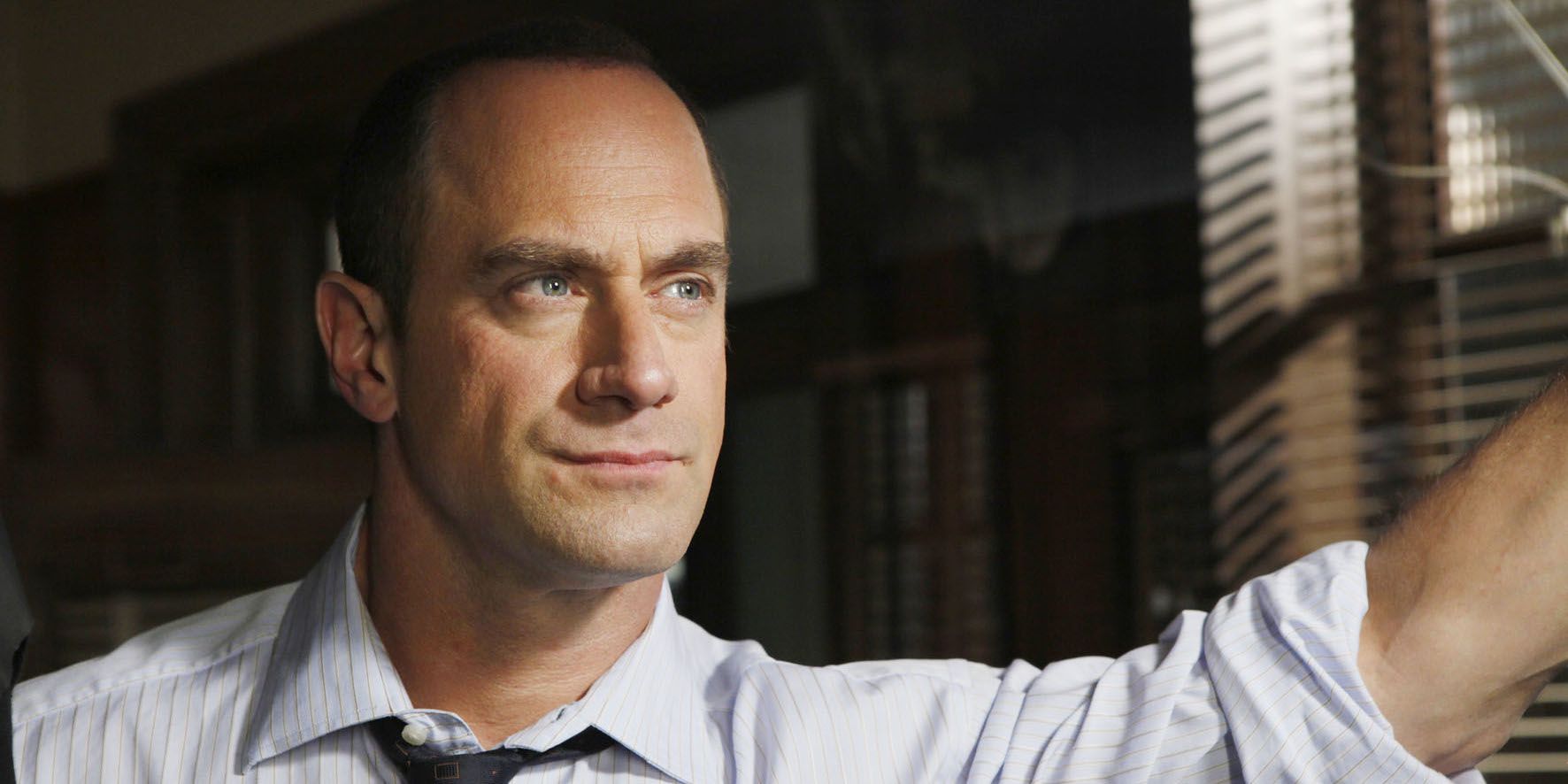
Production Tech and Narrative Evolution
Beyond audience engagement, advancements in production technology also played a subtle but significant role in enabling Stabler’s return and the launch of Organized Crime. Modern television production is increasingly sophisticated, relying on digital cameras, advanced editing software, and CGI for seamless storytelling. While Law & Order is fundamentally a procedural drama, these technological improvements allow for more complex visual narratives and faster, more efficient production schedules. For a show like Organized Crime, which promised a different narrative style focused on serialized arcs rather than standalone episodes, this technological backbone was essential. It allowed for a more cinematic approach to storytelling, with complex action sequences and visual effects that might have been more challenging in previous decades.
Furthermore, the impact of the COVID-19 pandemic, which coincided with the planning and initial production of Organized Crime, underscored the resilience and adaptability brought by modern tech. Remote collaboration tools, virtual production techniques, and stringent digital workflows became standard, allowing shows to continue filming under challenging circumstances. While not directly about Stabler, the overall technological infrastructure of modern television made the ambitious endeavor of launching a new spin-off with a returning star feasible, demonstrating how tech underpins not just what stories are told, but also how they are brought to life, ensuring that beloved characters can return to the screen even amidst global disruptions. The narrative itself also evolved; Organized Crime delves into cybercrime, data privacy, and other tech-related criminal activities, showcasing how the Law & Order universe adapts to modern societal challenges, reflecting a broader technological shift.
The Financial Equation: The Business Behind Stabler’s Comeback
The entertainment industry is, at its core, a business of immense scale, where creative decisions are often inextricably linked to complex financial calculations. The story of Elliot Stabler’s return is a powerful illustration of the significant financial stakes involved in television production, from salary negotiations and production budgets to the lucrative ecosystems of streaming revenue and merchandising. His comeback wasn’t merely a nostalgic reunion; it was a carefully orchestrated financial maneuver designed to maximize return on investment (ROI) across multiple platforms.
Salary Negotiations, Production Budgets, and ROI
The initial reason for Christopher Meloni’s departure in 2011 was reportedly a contract dispute over salary. Bringing back a star of his caliber a decade later would undoubtedly involve substantial financial negotiations. High-profile actors command significant salaries, and studios must weigh these costs against the potential revenue generated by their star power. For NBC and Universal, the decision to greenlight Law & Order: Organized Crime with Meloni at the helm was a multi-million-dollar investment. This investment was justified by the anticipated ROI: a boost in viewership, increased advertising revenue for the network, and a significant draw for Peacock, NBCUniversal’s streaming service. The return of Stabler was designed to not just anchor a new show but to revitalize an entire night of programming, creating a powerful crossover event with SVU that would draw in a massive audience.
The financial modeling for such a venture would consider not only Meloni’s salary and the production budget for Organized Crime but also the halo effect on SVU ratings and the increased subscription potential for Peacock. The calculation is complex: how many new viewers, ad impressions, and streaming subscriptions would Stabler’s return generate? The success of Organized Crime and the sustained high ratings for SVU following the crossovers indicated that this was a financially shrewd move, demonstrating how a well-executed celebrity return can become a powerful economic engine, justifying substantial upfront investment through diversified revenue streams. The value of a strong brand asset like Stabler’s character, even after a decade’s absence, proved to be a considerable leverage point in these financial negotiations and a significant driver of economic viability for the franchise.
Streaming Revenue, Licensing, and Merchandising
In the modern media landscape, streaming services are pivotal revenue generators. The Law & Order franchise, with its extensive back catalog, represents a goldmine for platforms. Stabler’s return created an immediate surge in interest, not just for the new show but for revisiting his previous 12 seasons of SVU. This phenomenon drives engagement and subscriptions on streaming platforms like Peacock, where the entire Law & Order universe is available. Licensing deals for these shows with other platforms also generate significant passive income for the rights holders. Every time an old Stabler episode is streamed, it contributes to the overall financial health of the franchise.
Beyond streaming, the return also opened avenues for new merchandising opportunities. While Law & Order isn’t typically a merchandising juggernaut like superhero franchises, the renewed interest in Stabler allowed for the creation of new promotional materials, collectibles, and fan-oriented products. Moreover, the increased visibility of the Law & Order brand across all its iterations due to Stabler’s comeback reinforced its value in the broader media market, potentially leading to new licensing agreements, international sales, and other synergistic financial opportunities. This demonstrates how a narrative event, especially one involving a beloved character, can trigger a cascade of financial benefits across multiple business units, from direct viewership to long-tail revenue generation through digital rights and ancillary products.

The Gig Economy, Online Income, and Fan-Driven Commerce
The long wait for Stabler’s return also fostered an unofficial, fan-driven economy. For a decade, creative fans generated content related to Stabler – fan fiction, fan art, discussion podcasts, YouTube analyses, and speculative videos. While not directly monetized by the franchise, this content created a vibrant ecosystem around the character, keeping him culturally relevant and generating significant “buzz.” Some creators found ways to monetize their own fan-generated content through platforms like Patreon, YouTube ads, or selling custom merchandise related to Stabler and SVU.
This phenomenon highlights the increasingly blurred lines between official and unofficial content creation and how fervent fan bases, often operating within the gig economy, can contribute to a brand’s overall value proposition. These independent creators, by sustaining interest and conversation, effectively provided free marketing and brand reinforcement for the Law & Order franchise. When Stabler finally returned, these fan communities exploded with renewed activity, driving traffic to official channels and amplifying promotional efforts. This symbiotic relationship, where fan passion translates into digital engagement and, sometimes, direct online income for individual creators, underscores the multifaceted financial tapestry of modern media, showcasing how even indirect economic activities can contribute to the overall momentum and success of a major television brand.
Elliot Stabler’s journey from an iconic detective, through a decade of absence, to a celebrated return leading a new spin-off, is far more than a simple narrative arc. It is a compelling testament to the evolving dynamics of the 21st-century entertainment industry. His story showcases how characters transcend mere fiction, becoming powerful brands whose destinies are intricately woven into the fabric of technology and finance. The unwavering loyalty of a digitally empowered fanbase, fueled by social media and accessible through streaming, proved instrumental in demonstrating the sustained value of the Stabler brand. This, in turn, justified the massive financial investment required for his comeback, strategically designed to revitalize an entire franchise and capture new audiences.
The careful orchestration of Stabler’s return stands as a masterclass in brand management, leveraging nostalgia and anticipation for maximum impact. It highlights the indispensable role of modern technology in connecting creators with their audience, sustaining interest over long periods, and even shaping production methodologies. And at its core, it reveals the sophisticated financial strategies at play, where talent acquisition, streaming revenue, and the pervasive influence of fan-driven economies coalesce to dictate the fate of beloved characters and multi-billion-dollar franchises. As the media landscape continues to transform, the saga of Elliot Stabler will undoubtedly remain a defining case study, illustrating the profound and interconnected power of brand, tech, and money in shaping the stories we watch and the characters we cherish.
aViewFromTheCave is a participant in the Amazon Services LLC Associates Program, an affiliate advertising program designed to provide a means for sites to earn advertising fees by advertising and linking to Amazon.com. Amazon, the Amazon logo, AmazonSupply, and the AmazonSupply logo are trademarks of Amazon.com, Inc. or its affiliates. As an Amazon Associate we earn affiliate commissions from qualifying purchases.