
The Core Technology Behind Forging
Forged steel represents a sophisticated technological process for enhancing the inherent properties of metal. Unlike casting or machining, forging involves the application of compressive forces—either through hammering, pressing, or rolling—to shape and refine steel. This method fundamentally alters the microstructure of the metal, transforming a raw billet or ingot into a component with superior characteristics. The technology hinges on understanding material science, thermodynamics, and mechanical engineering principles.
The Microstructural Transformation
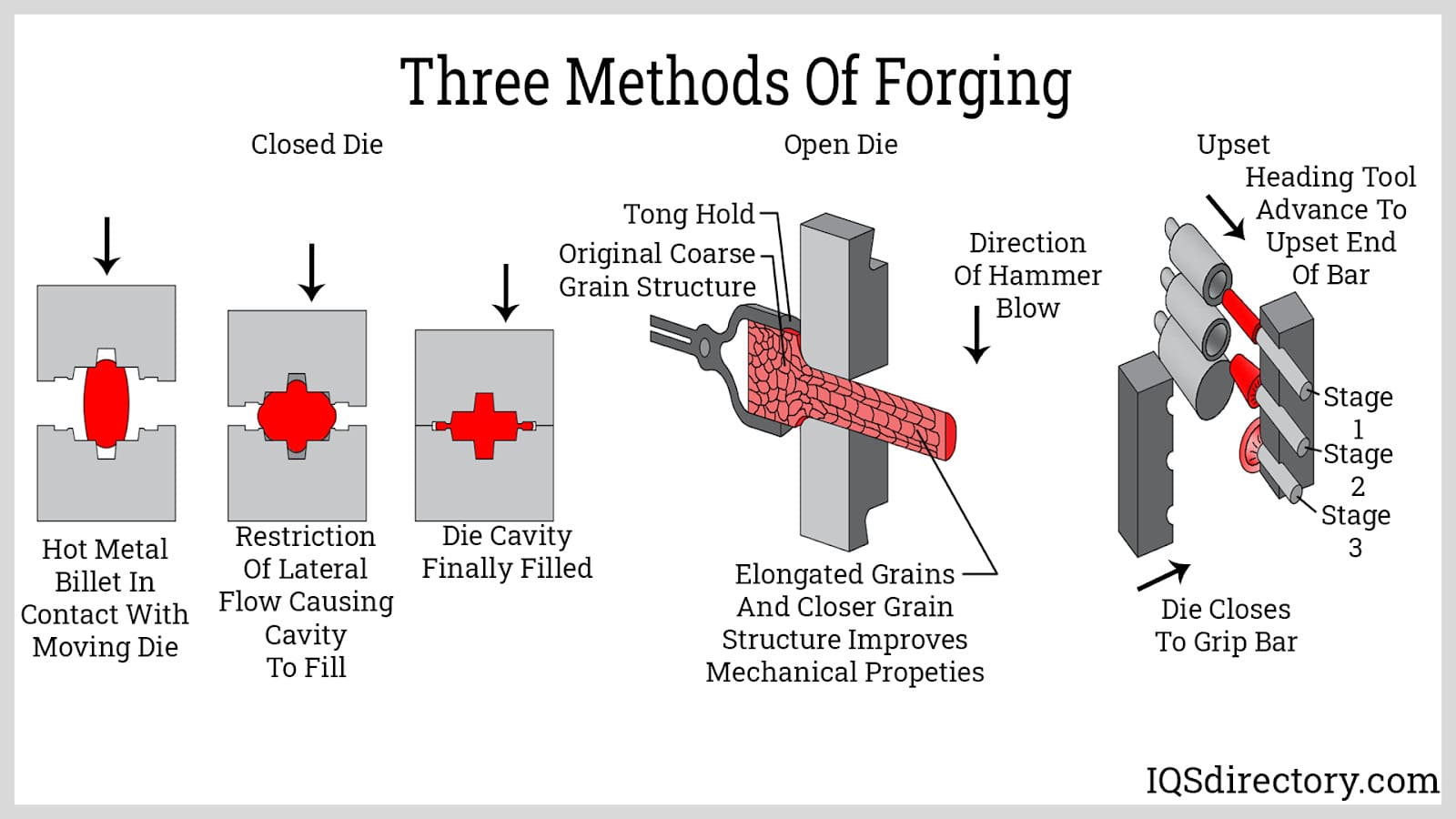
At its heart, forging is about grain refinement. When steel is heated to a plastic state and subjected to compressive stress, its internal grain structure is elongated and reoriented to follow the contours of the component’s shape. This process eliminates internal voids, porosity, and microscopic defects that are often present in cast metals. The result is a homogeneous, directional grain flow that maximizes the material’s strength and toughness. This controlled manipulation of the grain structure is a testament to advanced material processing technology, ensuring that the finished product can withstand extreme stresses and fatigue.

Hot vs. Cold Forging Technologies
The technology of forging encompasses various techniques, primarily categorized into hot forging and cold forging. Hot forging involves heating the steel above its recrystallization temperature (typically above 950°C for carbon steel). This high temperature reduces the material’s yield strength and increases its ductility, making it easier to shape with less force. It’s ideal for complex geometries and large components. Cold forging, performed at or near room temperature, offers superior dimensional accuracy and surface finish, often eliminating the need for subsequent machining. While it requires higher forces and the steel must be more ductile initially, it significantly improves mechanical properties through strain hardening. Each technique represents a distinct technological approach, chosen based on the desired outcome, material type, and application requirements.
Unrivaled Performance: Why Forged Steel Excels
The technological advantages of forged steel translate directly into unparalleled performance characteristics, making it the material of choice for critical applications where reliability and durability are paramount.
Enhanced Strength and Toughness
The primary technological benefit of forging is the dramatic improvement in mechanical properties. The grain refinement and directional grain flow impart significantly higher tensile strength, yield strength, and impact toughness compared to cast or machined parts. This means forged components can endure greater loads and impacts without fracturing or deforming. This strength-to-weight ratio is crucial in advanced engineering, allowing for lighter yet more robust designs, which is a key technological driver in sectors like aerospace and automotive.
Superior Fatigue Resistance
Fatigue failure, often caused by repetitive stress, is a major concern in engineering. Forged steel exhibits superior fatigue resistance due to its refined microstructure and the absence of internal defects. The continuous grain flow minimizes stress concentration points, preventing crack initiation and propagation. This technological advantage is vital for components subjected to cyclical loading, such as crankshafts, connecting rods, and gears, ensuring longer service life and reduced maintenance requirements.
Reliability in Critical Applications
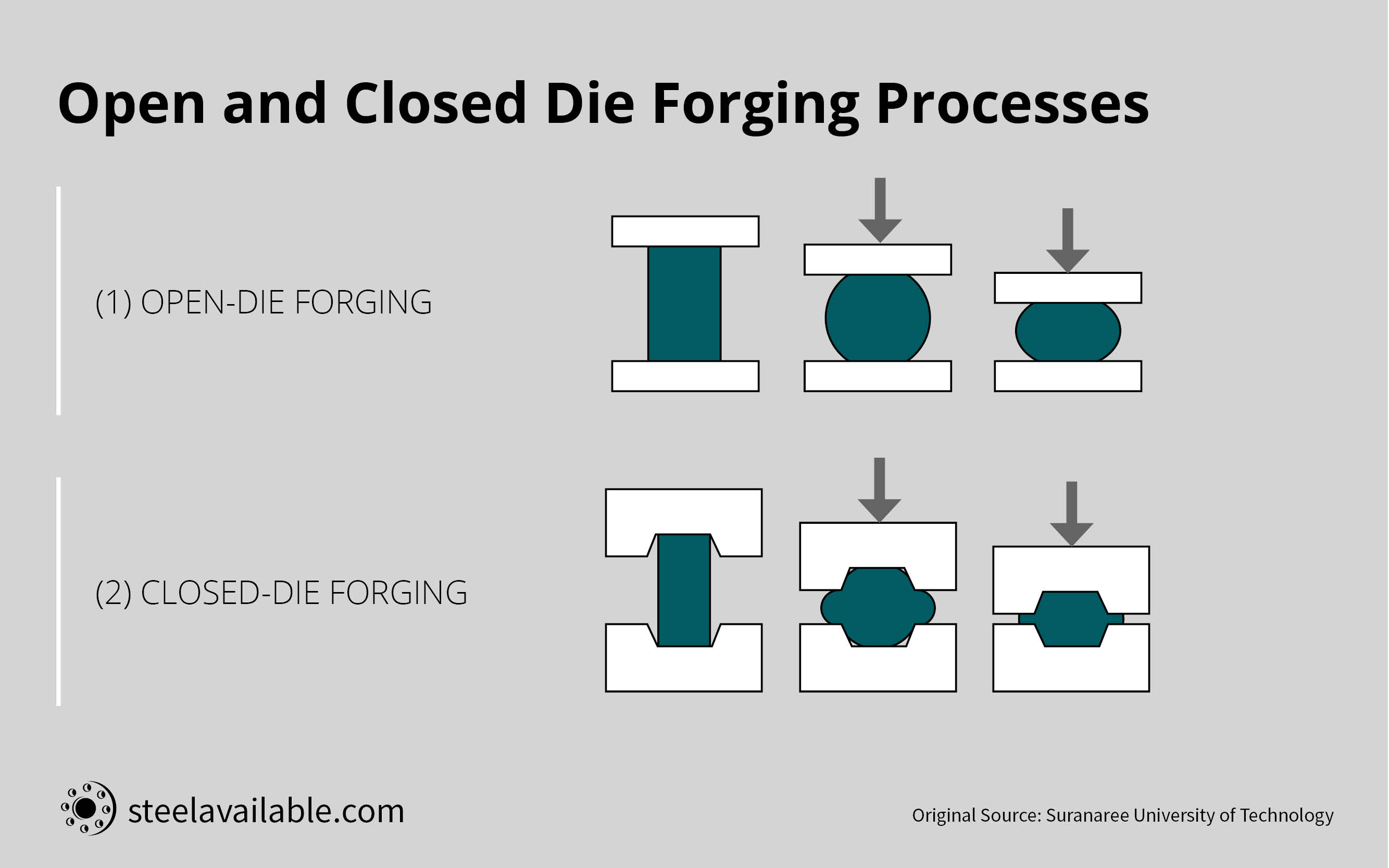
In applications where component failure could lead to catastrophic consequences—from aircraft landing gear to high-pressure valves—the inherent reliability of forged steel is non-negotiable. The meticulous control over the forging process, combined with rigorous quality control and non-destructive testing, ensures that forged components meet the most stringent performance specifications. This reliability is a direct output of the sophisticated technology and engineering principles applied during the forging process.
Technological Applications Across Industries
Forged steel components are indispensable across a vast array of high-tech industries, demonstrating the material’s versatility and critical role in modern engineering.
Automotive and Aerospace Engineering
In the automotive industry, forged steel is fundamental to high-stress components like crankshafts, connecting rods, camshafts, and transmission gears. Its ability to withstand extreme temperatures, high RPMs, and constant stress ensures the reliability and performance of internal combustion engines and drivetrains. In aerospace, where safety and weight are paramount, forged components are used in landing gear, engine mounts, turbine discs, and structural elements. The strength, fatigue resistance, and inherent reliability of forged alloys are crucial for ensuring the structural integrity and operational safety of aircraft and spacecraft. These applications underscore forging as a foundational technology for critical transportation systems.
Energy and Industrial Machinery
The energy sector, particularly in oil and gas, power generation, and nuclear facilities, relies heavily on forged steel for valves, fittings, turbine rotors, and pressure vessel components. These environments often involve high temperatures, extreme pressures, and corrosive media, demanding materials with exceptional strength and integrity. In industrial machinery, from heavy construction equipment to manufacturing presses, forged shafts, gears, and rollers provide the necessary durability and wear resistance for continuous, high-load operations. The robust nature of forged parts reduces downtime and extends the operational life of vital industrial assets.
Tools and Hardware
Even in everyday technological tools, forging plays a critical role. Hand tools like wrenches, hammers, and pliers, as well as high-performance cutting tools, often benefit from the strength and durability imparted by forging. Surgical instruments, which demand precision, strength, and sterility, also frequently incorporate forged components. The technology ensures that these tools maintain their integrity and sharpness under repeated use, providing consistent performance in demanding situations.
The Future of Forging Technology
As industries evolve and demand for even higher performance materials grows, the technology of forging continues to advance, integrating new methodologies and smart manufacturing principles.
Smart Forging and Automation
The advent of Industry 4.0 is transforming forging operations. Smart forging involves integrating sensors, real-time data analysis, and artificial intelligence to monitor and optimize every stage of the forging process—from billet heating to die wear. Automated robotic systems are increasingly used for material handling, die lubrication, and part removal, enhancing precision, consistency, and worker safety. These technological innovations are leading to higher production efficiencies, reduced material waste, and superior product quality, pushing the boundaries of what forged steel can achieve.
Advanced Materials and Additive Forging
Research and development are focused on forging new advanced alloys with tailored properties, such as lighter, stronger aluminum alloys and specialized superalloys for extreme environments. Furthermore, the convergence of additive manufacturing (3D printing) with forging is an emerging technological frontier. “Additive forging” or “hybrid forging” involves using additive techniques to create near-net-shape preforms, which are then hot forged. This approach combines the design freedom of additive manufacturing with the superior mechanical properties of forging, offering unprecedented possibilities for complex geometries and optimized material performance in high-tech applications. These advancements promise to unlock new levels of material performance, extending the utility of forged steel into future technological ecosystems.
aViewFromTheCave is a participant in the Amazon Services LLC Associates Program, an affiliate advertising program designed to provide a means for sites to earn advertising fees by advertising and linking to Amazon.com. Amazon, the Amazon logo, AmazonSupply, and the AmazonSupply logo are trademarks of Amazon.com, Inc. or its affiliates. As an Amazon Associate we earn affiliate commissions from qualifying purchases.