
The concept of a “flagship university” transcends mere academic designation; it represents a powerful and often meticulously cultivated brand identity within the complex ecosystem of higher education. At its core, a flagship institution is the leading, most prominent, and historically significant university within a state or regional public university system. This isn’t just an administrative title; it’s a branding statement, asserting a position of preeminence, leadership, and often, a distinct set of values and aspirations. Understanding a flagship university requires a deep dive into its brand strategy, its corporate identity, and the marketing efforts that sustain its unique standing.
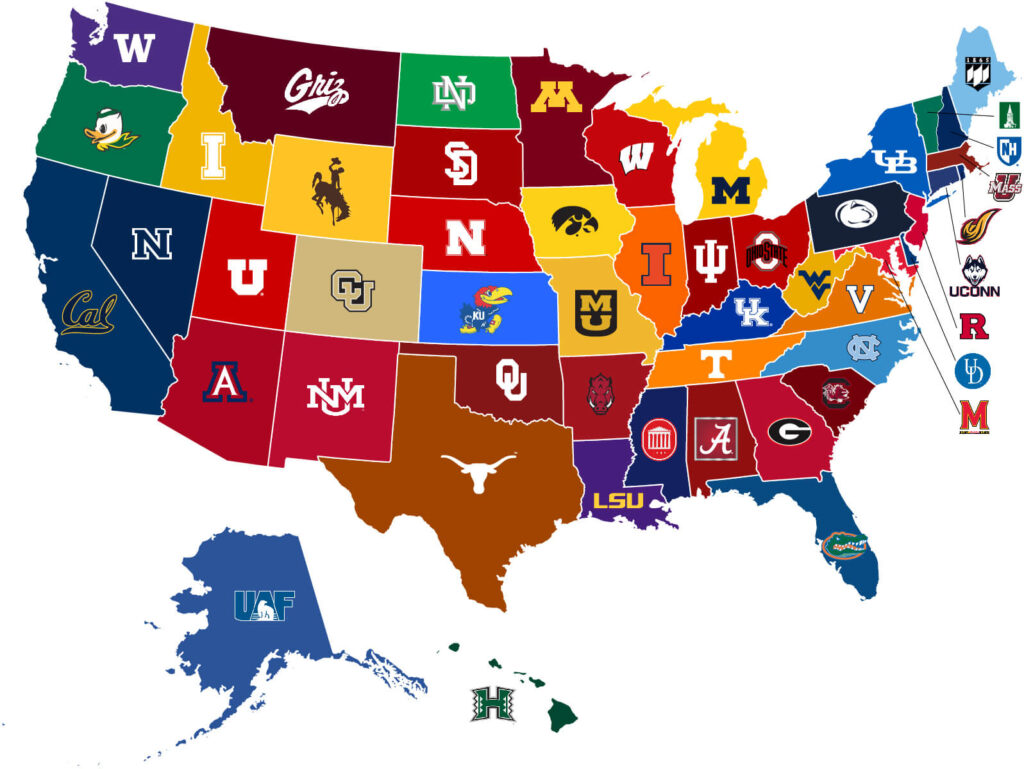
Defining the “Flagship” Brand Identity
The term “flagship” itself evokes imagery of the lead vessel in a fleet, symbolizing leadership, visibility, and a standard-bearer role. Applied to universities, this branding signifies an institution that is expected to lead in research, academic excellence, public service, and societal contribution. This isn’t a self-proclaimed title but rather a brand identity forged over decades, often centuries, through consistent performance and strategic positioning.
Historical Roots and Public Mandate
Many flagship universities trace their origins to the Morrill Land-Grant Acts of the 19th century, which established public institutions with a broad mandate for education and public service. This historical foundation is a cornerstone of their brand. Unlike private universities, which may have specialized niches, flagships often carry a public trust, a broader mission to serve the state’s populace, economy, and intellectual advancement. This public mandate becomes a foundational element of their corporate identity, shaping their academic offerings, research priorities, and community engagement. Their brand narrative frequently emphasizes accessibility (relative to their prestige), public impact, and a commitment to civic duty, differentiating them from institutions solely focused on elite academic training. The brand promise is often tied to the prosperity and progress of the state itself, creating a deep emotional connection with alumni and citizens alike.
The Core Pillars of a Flagship’s Brand
A flagship university’s brand identity is built upon several interconnected pillars:
- Academic Excellence and Research Prowess: This is non-negotiable. The brand of a flagship demands top-tier faculty, cutting-edge research, and high academic standards. It’s about being recognized for producing groundbreaking discoveries and shaping intellectual discourse. This forms the “product quality” aspect of their brand.
- Selectivity and Prestige: While public, flagships are typically among the most selective institutions in their respective states, attracting the brightest students. This selectivity is a key brand differentiator, signaling quality and fostering a sense of accomplishment for those admitted. The resulting prestige contributes significantly to the institution’s perceived value and desirability.
- Comprehensive Offerings: Unlike specialized institutions, flagships often boast a wide array of disciplines, from arts and humanities to sciences, engineering, and professional schools. This breadth signifies intellectual robustness and caters to diverse student interests and societal needs, reinforcing their central role in higher education.
- Physical Campus and Traditions: The physical campus often embodies the brand’s history and aspirations. Iconic architecture, green spaces, and deeply ingrained traditions (e.g., fight songs, rivalries, ceremonies) create a strong sense of place and belonging, fostering emotional attachment and loyalty—crucial for brand advocacy.
- Alumni Network and Influence: A vast, influential, and engaged alumni network is perhaps one of the most potent brand assets. Alumni serve as ambassadors, donors, mentors, and employers, perpetuating the brand’s reach and enhancing its reputation across various industries and communities. Their success directly reflects on the institution’s brand equity.
Branding in the Competitive Higher Education Landscape
In an increasingly crowded and competitive higher education market, a strong flagship brand is not merely an advantage but a necessity. Universities are vying for top students, faculty, research grants, and philanthropic support, making strategic branding a critical component of institutional survival and growth.
Differentiation and Market Positioning
For a flagship university, differentiation isn’t just about being “good”; it’s about articulating how it is uniquely good and why it matters most within its sphere. This involves carefully crafting a market position that highlights its distinct strengths. Is it known for innovation in STEM, leadership in public policy, or excellence in the arts? Effective brand positioning ensures that prospective students, parents, and funding bodies understand the specific value proposition of the flagship over other public or private alternatives. This involves segmenting the market and tailoring messaging to emphasize the unique blend of academic rigor, research opportunities, and the vibrant campus life that defines the flagship experience. Messaging often contrasts the flagship’s comprehensive nature and public impact with more specialized institutions, or its value proposition against higher-cost private universities.

The Role of Reputation and Prestige
Reputation is the cornerstone of a flagship university’s brand equity. It is built not only on academic metrics but also on perception—how the institution is viewed by various stakeholders. National rankings, media coverage, and word-of-mouth all contribute to this reputation. Flagship universities leverage their historical prestige, often cultivated over centuries, as a powerful marketing tool. This prestige signals quality, enhances graduates’ employment prospects, and attracts top-tier faculty and research funding. Maintaining and enhancing this reputation requires constant vigilance, strategic communications, and a commitment to upholding the highest standards in all facets of university life. A strong reputation minimizes perceived risk for prospective students and investors, making the flagship brand a trusted choice. Crisis management also plays a crucial role; how a flagship responds to challenges can either reinforce or erode its hard-won prestige.
Managing and Evolving the Flagship Brand
A university brand, particularly a flagship one, is not static. It must be actively managed, nurtured, and strategically evolved to remain relevant and compelling in a changing world. This involves deliberate efforts in marketing, communications, stakeholder engagement, and continuous adaptation.
Strategic Marketing and Communications
Marketing for a flagship university goes beyond mere advertising; it encompasses a comprehensive communications strategy aimed at shaping narratives and reinforcing brand values. This includes a multi-channel approach:
- Digital Presence: A sophisticated website, active social media engagement, and compelling multimedia content are essential for reaching modern audiences. These platforms tell the university’s story, showcase its achievements, and engage with prospective students, alumni, and the broader public.
- Public Relations: Proactive media outreach highlights research breakthroughs, faculty expertise, student successes, and community impact, bolstering the university’s public image and reinforcing its leadership position.
- Enrollment Marketing: Targeted campaigns aim to attract and convert top students, emphasizing the unique academic programs, career opportunities, and campus experience that differentiate the flagship.
- Development and Fundraising: Communications geared towards donors articulate the university’s vision, impact, and needs, inspiring philanthropic support that sustains and enhances its brand.
Effective marketing ensures consistent messaging that aligns with the core brand identity while adapting to new communication channels and audience preferences.
Alumni Engagement and Legacy Building
Alumni are critical brand ambassadors and a vital part of a flagship university’s ongoing narrative. Sustained engagement with alumni is not just about fundraising; it’s about leveraging a powerful network to perpetuate the brand’s influence and ensure its legacy. Alumni associations, regular communications, networking events, and career services foster a lifelong connection, ensuring that graduates continue to identify with and advocate for their alma mater. Their professional successes reflect directly on the university’s brand, demonstrating the value of its education and further enhancing its prestige. Building a strong legacy involves documenting and celebrating achievements, maintaining traditions, and ensuring that the university’s contributions to society are recognized and remembered. This intergenerational connection forms a robust foundation for enduring brand equity.
Adapting to Modern Challenges
The higher education landscape is dynamic, facing challenges from technological disruption, changing student demographics, evolving economic pressures, and shifts in public perception. A flagship brand must demonstrate agility and foresight to remain relevant. This means:
- Innovation in Curriculum: Adapting academic programs to meet future workforce needs and societal demands.
- Diversity and Inclusion: Ensuring the university reflects and serves a diverse population, broadening its appeal and fulfilling its public mandate.
- Financial Stewardship: Demonstrating responsible management of resources to maintain affordability and invest in future growth, reinforcing trust.
- Online Learning Integration: Strategically incorporating digital learning to expand reach and enhance educational delivery without diluting brand quality.
Successfully navigating these challenges requires a clear understanding of the flagship’s core brand values and a willingness to innovate within that framework, ensuring the brand remains both timeless and timely.
The Tangible Value of a Strong Flagship Brand
The robust brand identity of a flagship university translates into significant tangible benefits, underpinning its ability to fulfill its mission and impact society positively. This isn’t just about prestige; it’s about practical advantages that drive institutional success and societal progress.
Attracting Talent and Resources
A powerful flagship brand acts as a magnet. For students, the prestige and perceived value of a degree from a flagship institution make it a highly desirable choice, often leading to better career prospects and higher earning potential. This attracts a diverse pool of high-achieving applicants, allowing the university to maintain its academic standards. For faculty, the brand signifies a supportive environment for research, access to top students, and opportunities for national and international recognition, attracting leading scholars and innovators. For funding bodies and philanthropists, the brand represents a trusted investment, promising a significant return in terms of groundbreaking research, community impact, and the development of future leaders. This ability to consistently attract top talent and secure critical resources is a direct testament to the strength and equity of the flagship brand.

Societal Impact and Brand Equity
Ultimately, the brand of a flagship university extends beyond its campus gates to influence regional and national development. Its research drives innovation and economic growth; its graduates populate leadership roles across various sectors; and its public service initiatives address pressing societal needs. This deep integration into the fabric of society enhances its brand equity—the perceived value that stems from its reputation and impact. This equity isn’t just about rankings; it’s about the trust, respect, and loyalty it commands from the public, policymakers, and its extended community. A strong flagship brand serves as a beacon of intellectual inquiry, a catalyst for progress, and a symbol of educational excellence, ensuring its continued relevance and profound impact for generations to come. The “flagship” designation is thus not just a label but a dynamic, living brand that actively shapes its future and the future of those it serves.
aViewFromTheCave is a participant in the Amazon Services LLC Associates Program, an affiliate advertising program designed to provide a means for sites to earn advertising fees by advertising and linking to Amazon.com. Amazon, the Amazon logo, AmazonSupply, and the AmazonSupply logo are trademarks of Amazon.com, Inc. or its affiliates. As an Amazon Associate we earn affiliate commissions from qualifying purchases.