
Beyond Determinism: Technology as the Catalyst for Choice
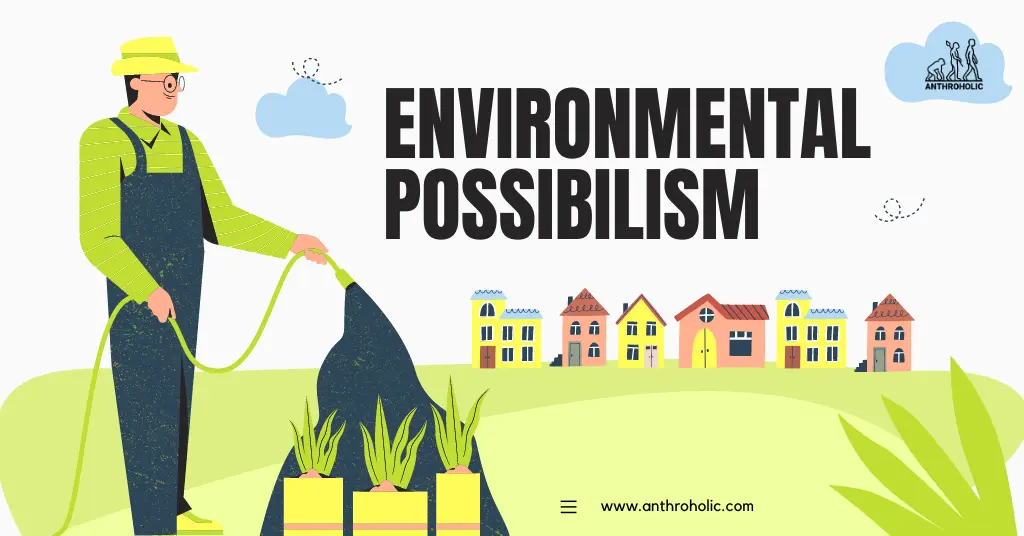
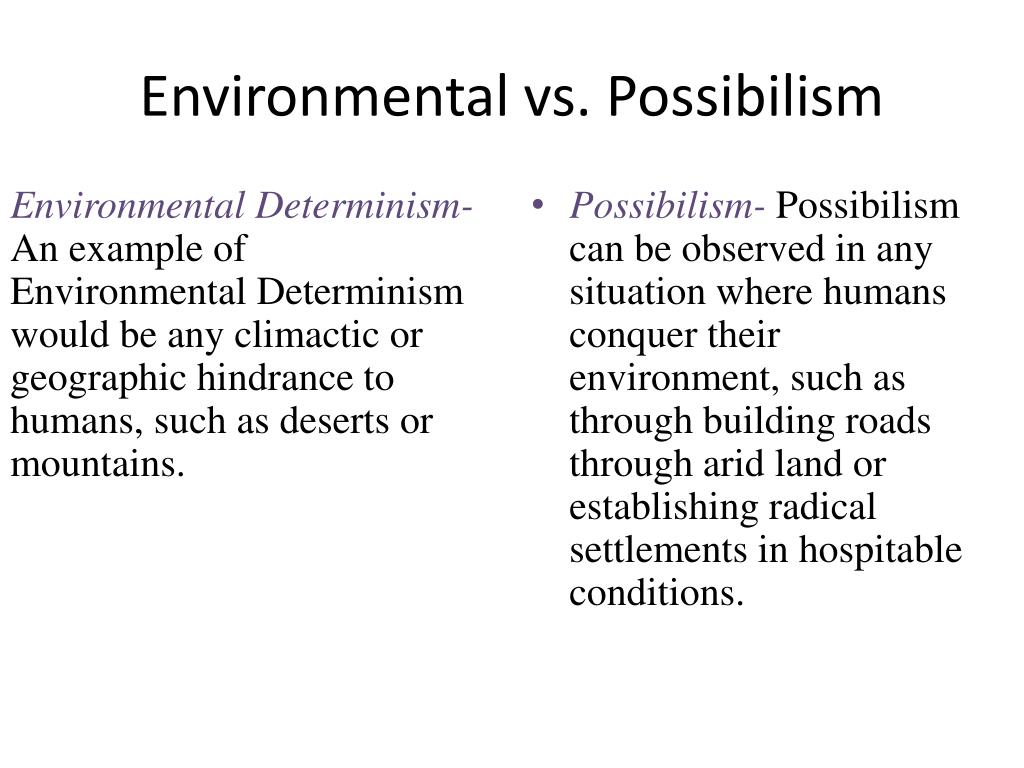
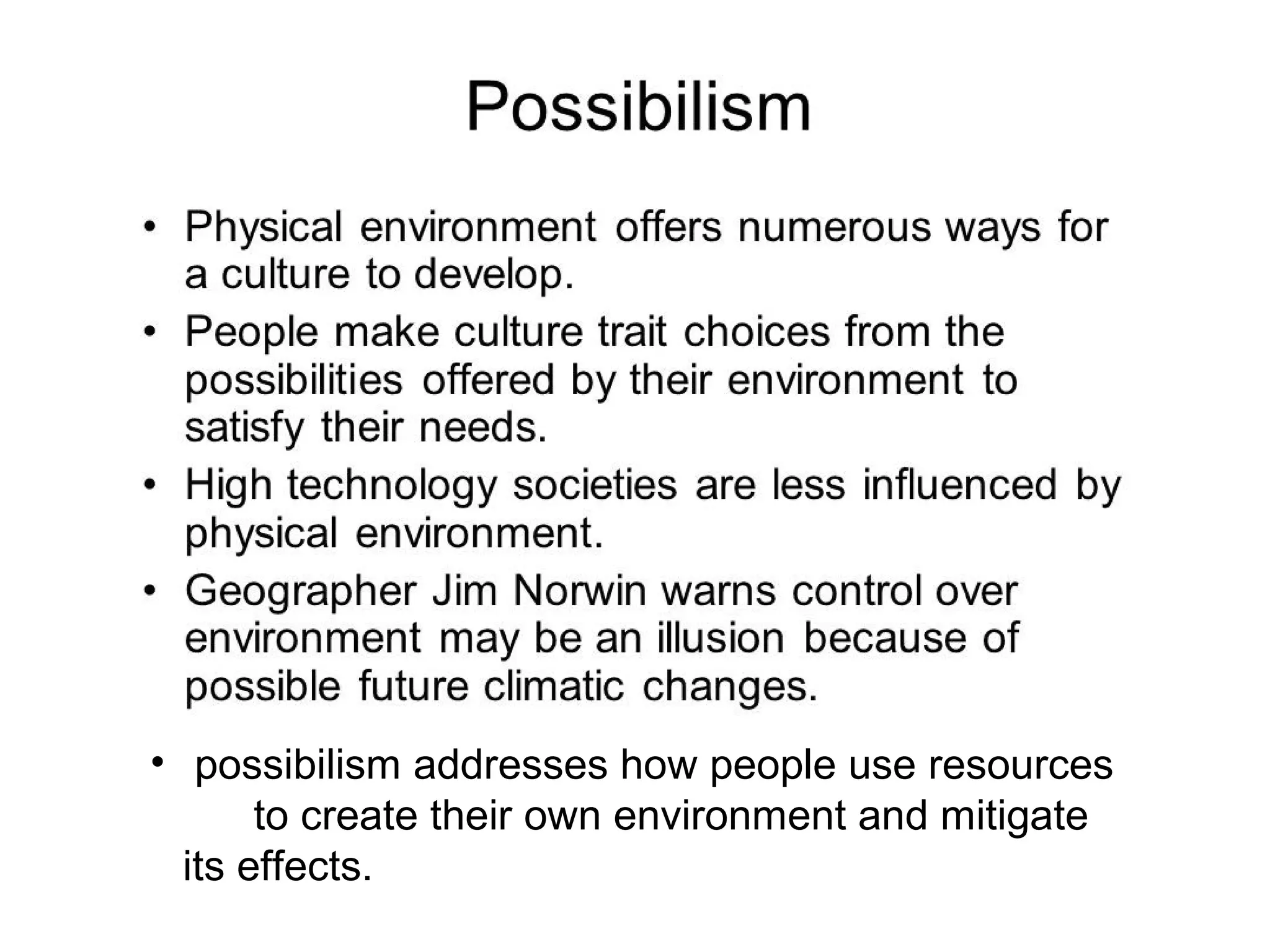
Environmental possibilism stands as a powerful counter-narrative to the long-held concept of environmental determinism. While determinism posited that the physical environment — climate, geography, resources — solely dictated human societies, cultures, and development, possibilism argues for a more nuanced interaction. It asserts that while the environment indeed presents certain constraints and influences, human ingenuity, technology, and cultural choices open up a vast array of possibilities for adaptation, modification, and thriving within that environment. In essence, it’s a philosophical stance that champions human agency, particularly when augmented by technological advancements, in shaping our relationship with the natural world.
Redefining Environmental Interaction
Historically, early civilizations were undoubtedly shaped by their immediate environments. River valleys facilitated agriculture, mountain ranges created natural barriers, and resource availability drove trade and conflict. Environmental determinism would suggest that these conditions irrevocably set the course for these societies. However, environmental possibilism offers a dynamic perspective: humans are not passive recipients of environmental dictates but active agents continually finding innovative ways to overcome limitations and leverage opportunities.
This redefinition is particularly pertinent in the modern age, where technological progress has dramatically expanded our capabilities. We are no longer solely bound by the immediate fertility of the land or the whims of local weather patterns. Technology allows us to irrigate deserts, construct cities in challenging terrains, generate energy from diverse sources, and mitigate the impacts of natural disasters. This shift from mere adaptation to active modification and strategic planning is central to understanding contemporary environmental possibilism.
The Role of Innovation
Innovation is the engine of environmental possibilism. From the earliest tools that allowed humans to hunt more effectively or build shelters, to complex modern technologies like climate-controlled agriculture or advanced renewable energy systems, innovation has consistently expanded the scope of what is possible within environmental constraints. Each technological leap redefines the boundaries of human-environment interaction, converting what were once immutable limitations into solvable challenges or even new opportunities.
Consider the evolution of transportation. Early societies were limited by rivers, mountains, and dense forests. The invention of the wheel, then ships, then trains, and ultimately aircraft, progressively diminished the ‘deterministic’ impact of geography on human movement and connectivity. Today, digital communication further transcends physical space, creating global communities and economic systems largely independent of immediate geographic proximity. This progression underscores how technology doesn’t just help us cope with the environment, but fundamentally changes our relationship with it, enabling choices and possibilities that were once unimaginable.
Technological Pillars of Environmental Possibilism
The contemporary manifestation of environmental possibilism is deeply intertwined with cutting-edge technology. Various sectors are leveraging advanced tools to redefine human capability in the face of environmental challenges, enabling societies to flourish in diverse conditions and manage resources more effectively.
Smart Agriculture and Food Security
One of the most profound areas where technology embodies environmental possibilism is in agriculture. For millennia, farming was heavily dependent on favorable climate, fertile soil, and abundant water – classic deterministic factors. Today, smart agriculture technologies are breaking these bonds:
- Precision Farming: Utilizing GPS, IoT sensors, drones, and AI, farmers can monitor soil conditions, crop health, and irrigation needs with unprecedented accuracy. This minimizes waste of water and fertilizers, optimizes yields, and makes agriculture viable in areas previously deemed unsuitable.
- Vertical Farms and Controlled Environment Agriculture (CEA): These indoor farming systems use LED lighting, hydroponics, and aeroponics to grow crops in stacked layers, often in urban areas. They require significantly less land and water, are unaffected by external weather conditions, and can provide fresh produce year-round, drastically altering the environmental ‘possibilities’ for food production.
- Genetically Modified Organisms (GMOs) and Gene Editing: Biotechnology allows for the development of crops resistant to pests, diseases, droughts, or extreme temperatures, expanding the geographical range where certain crops can thrive and ensuring greater food security against adverse environmental conditions.
Renewable Energy and Infrastructure
The shift from fossil fuels to renewable energy sources is a monumental testament to environmental possibilism. Historically, energy generation was tied to the availability of coal, oil, or gas deposits. Now, technology allows us to harness ubiquitous natural forces:
- Solar Photovoltaics and Wind Turbines: Dramatic advancements in efficiency and cost reduction have made solar and wind power economically viable on a large scale. These technologies allow communities to generate power irrespective of local fossil fuel reserves, turning abundant sunlight and wind into reliable energy.
- Grid Modernization and Energy Storage: Smart grids utilize AI and IoT to optimize energy distribution, integrating diverse renewable sources. Battery storage technologies (e.g., lithium-ion, flow batteries) address the intermittency of renewables, ensuring a stable power supply and increasing energy independence.
- Advanced Geothermal and Hydropower: Innovative drilling techniques and turbine designs are making geothermal energy more accessible, while new hydropower solutions (including run-of-river and tidal systems) offer sustainable alternatives beyond traditional large-scale dams.
AI, Data, and Predictive Environmental Management
Artificial Intelligence and big data analytics are transforming how we understand, predict, and respond to environmental phenomena, moving from reactive measures to proactive management.
- Climate Modeling and Prediction: Advanced AI algorithms process vast datasets from satellites, sensors, and historical records to create more accurate climate models, predict weather patterns, and forecast extreme events like hurricanes, droughts, and floods. This foresight allows for better preparedness and mitigation strategies.
- Resource Optimization: AI-driven systems can optimize water management in agricultural or urban settings, predict resource demand, and identify inefficiencies in supply chains, leading to more sustainable resource utilization.
- Biodiversity Monitoring and Conservation: AI-powered cameras, acoustic sensors, and drone technology assist in monitoring wildlife populations, detecting poaching, and tracking ecosystem health, enabling targeted conservation efforts.
Sustainable Urban Development and Resource Efficiency
Technology is reshaping how we build and manage human settlements, making them more resilient, resource-efficient, and less environmentally impactful.
- Smart City Technologies: Integrated IoT networks manage everything from waste collection and traffic flow to public safety and energy consumption. Smart buildings incorporate automated systems for lighting, heating, and cooling, significantly reducing energy footprints.
- Green Building Materials and Techniques: Innovations in construction materials (e.g., self-healing concrete, advanced insulation, recycled materials) and modular construction techniques reduce waste, energy consumption, and the environmental impact of infrastructure development.
- Water Recycling and Desalination: Advanced filtration and purification technologies enable the recycling of wastewater for various uses, while more energy-efficient desalination plants provide fresh water in arid coastal regions, fundamentally altering water security possibilities.
Navigating the New Possibilities: Challenges and Ethical Considerations
While technology vastly expands environmental possibilism, it also introduces complexities and ethical dilemmas that demand careful consideration. The mere existence of technological solutions does not guarantee their equitable or beneficial application.
Responsible Innovation
The power to significantly alter our environment through technology carries immense responsibility. Innovations must be developed and deployed with a deep understanding of their potential long-term ecological, social, and economic impacts. For example, geoengineering proposals to combat climate change, while technically possible, raise concerns about unintended consequences and global governance. Similarly, the widespread use of AI in environmental management must contend with data privacy, algorithmic bias, and the potential for technological misuse. Responsible innovation necessitates robust ethical frameworks, transparent development processes, and a commitment to sustainability that extends beyond mere technical feasibility.
Bridging the Digital Divide
The benefits of environmental possibilism, largely powered by technology, are not uniformly distributed. A significant digital divide exists between developed and developing nations, as well as within countries. Access to smart farming tools, renewable energy infrastructure, or sophisticated environmental monitoring systems often depends on economic capacity and technological literacy. If these technological solutions are not accessible to all, the ‘possibilities’ they unlock will only exacerbate existing inequalities, leaving vulnerable communities more susceptible to environmental degradation and climate change impacts. Efforts to promote technological equity, build capacity, and ensure inclusive innovation are crucial to realizing the full, just potential of environmental possibilism.
The Future of Human-Environment Coexistence
Environmental possibilism, viewed through a technological lens, paints a future where humanity increasingly defines its own relationship with the planet. It’s a future where challenges like climate change, resource scarcity, and biodiversity loss are not seen as insurmountable deterministic forces, but as complex problems amenable to innovative, technology-driven solutions. However, this future is not guaranteed. It hinges on our collective ability to not only innovate but also to govern, distribute, and apply these technologies wisely and ethically. The ongoing evolution of environmental possibilism will be a testament to humanity’s capacity for adaptation, foresight, and responsible stewardship, leveraging technology not to conquer nature, but to forge a more sustainable and equitable coexistence with it.
aViewFromTheCave is a participant in the Amazon Services LLC Associates Program, an affiliate advertising program designed to provide a means for sites to earn advertising fees by advertising and linking to Amazon.com. Amazon, the Amazon logo, AmazonSupply, and the AmazonSupply logo are trademarks of Amazon.com, Inc. or its affiliates. As an Amazon Associate we earn affiliate commissions from qualifying purchases.