
Dysport treatment represents a significant brand in the rapidly evolving aesthetic market, offering a distinct solution for individuals seeking to reduce the appearance of facial wrinkles. Far more than just a medical procedure, Dysport has cultivated a specific brand identity, marketing strategy, and consumer perception that distinguishes it within a competitive landscape. Understanding “what is Dysport treatment” is therefore intrinsically linked to comprehending its brand positioning, unique selling propositions, and the overall narrative it constructs in the minds of both practitioners and patients.
Dysport’s Brand Identity and Market Positioning
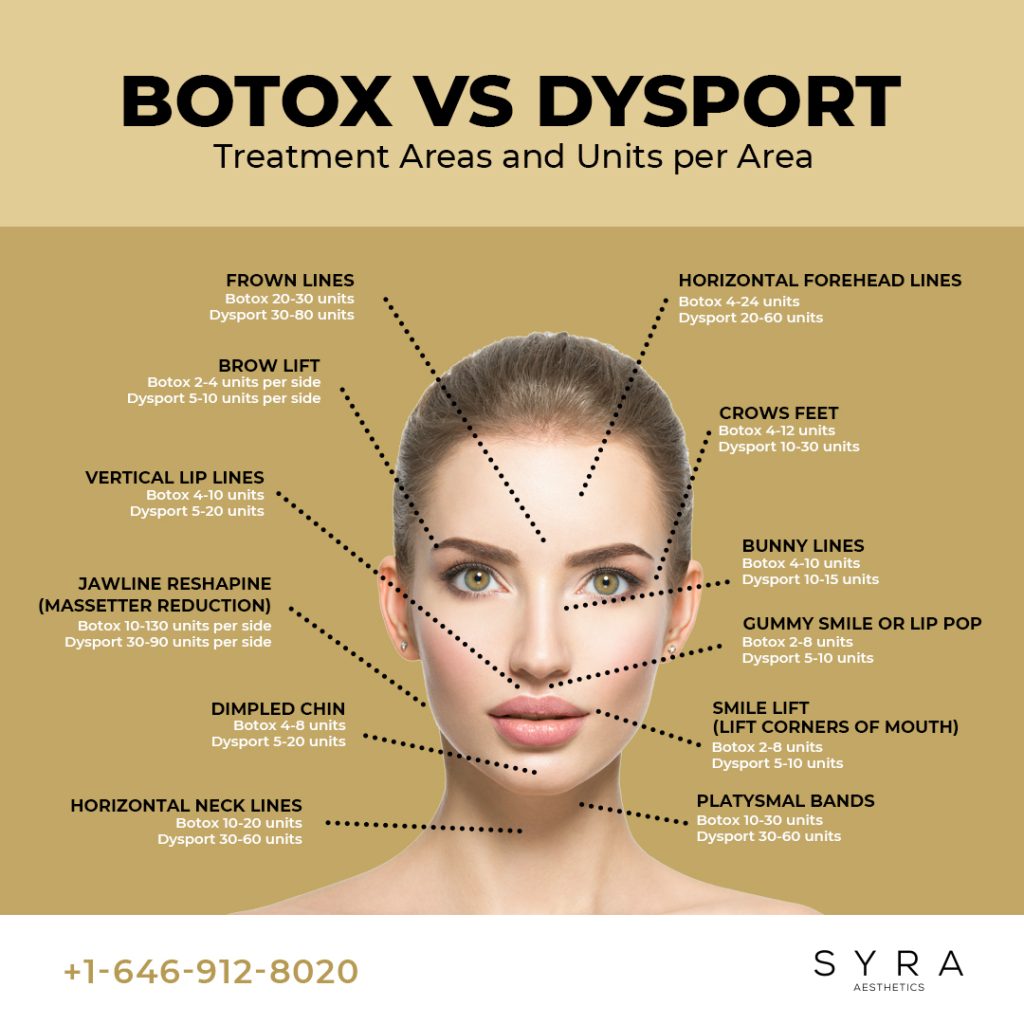
At its core, Dysport is a brand of abobotulinumtoxinA, a neurotoxin protein that, when injected in small, controlled doses, temporarily relaxes specific facial muscles responsible for dynamic wrinkles. These are the lines that appear with expression, such as frown lines between the eyebrows (glabellar lines). The brand promise of Dysport centers on delivering a smoother, more youthful appearance without sacrificing natural facial expressions, aiming for a refreshed rather than frozen look.
The Brand’s Core Promise and Mechanism
The science behind Dysport underpins its brand promise. Like other neurotoxin brands, it works by blocking acetylcholine, a neurotransmitter that signals muscles to contract. By precisely targeting these muscles, Dysport effectively diminishes the lines and wrinkles they create. The brand differentiates itself through several perceived attributes, often highlighted in its marketing:
- Onset of Action: Dysport is frequently marketed on its relatively quicker onset of action compared to some competitors, with results often visible within 2-3 days, though full effects typically manifest in about a week. This speed contributes to a brand experience focused on efficiency and timely satisfaction.
- Diffusion Profile: The diffusion profile of Dysport is another key brand differentiator. It is often described as having a slightly wider spread than some other neurotoxins, which can be advantageous for treating larger areas effectively and achieving a soft, natural result across muscle groups. This characteristic is crucial for practitioners who align with the brand’s promise of subtle enhancement.
- Dosage Equivalency: While a medical detail, the brand manages expectations around dosage. Generally, more Dysport units are needed to achieve an effect equivalent to other neurotoxins, a fact communicated to ensure transparency and proper treatment planning, reinforcing trust in the brand’s application protocols.
These characteristics collectively form the technical foundation upon which Dysport builds its brand story: a story of efficacy, natural-looking results, and a tailored approach to facial aesthetics.
Differentiating Dysport: A Brand’s Unique Selling Proposition
In a market saturated with various aesthetic treatments, Dysport has diligently carved out its unique selling proposition (USP). Its brand strategy is not merely about presenting an alternative but about offering a distinct value proposition that resonates with specific segments of the market. This differentiation is articulated through:
- Targeted Efficacy: Dysport’s brand message often emphasizes its particular effectiveness for moderate to severe glabellar lines. While it can be used for other areas off-label, its primary branding focuses on this core application, establishing expertise and reliability in a specific area of concern for many consumers.
- The “Natural Look” Narrative: A dominant theme in Dysport’s branding is the pursuit of natural-looking results. In an era where over-treated aesthetics are often scrutinized, Dysport positions itself as a choice for individuals who want to look like a better version of themselves, not an entirely different person. This brand narrative appeals to a sophisticated consumer base seeking subtle, yet impactful, enhancements.
- Brand Experience and Loyalty: The brand aims to foster loyalty not just through the product’s performance but also through the entire patient experience. From the initial consultation where Dysport is discussed as a suitable option, through the injection process, to the post-treatment satisfaction, every touchpoint is designed to reinforce the brand’s promise of quality and care. Repeat treatments, typically required every 3-4 months, are opportunities to deepen brand affinity and consolidate patient trust.
Marketing and Perception: Building the Dysport Brand
The success of Dysport as a brand is not solely reliant on its scientific efficacy but significantly on its strategic marketing and the perceptions it cultivates among consumers and practitioners alike. Effective brand building involves consistent messaging, targeted campaigns, and fostering strong relationships within the aesthetic community.
Consumer Education and Brand Trust
A critical aspect of Dysport’s brand strategy is consumer education. Given that many individuals may not fully understand neurotoxin treatments or the distinctions between various brands, Dysport invests in clear, accessible information. This includes:
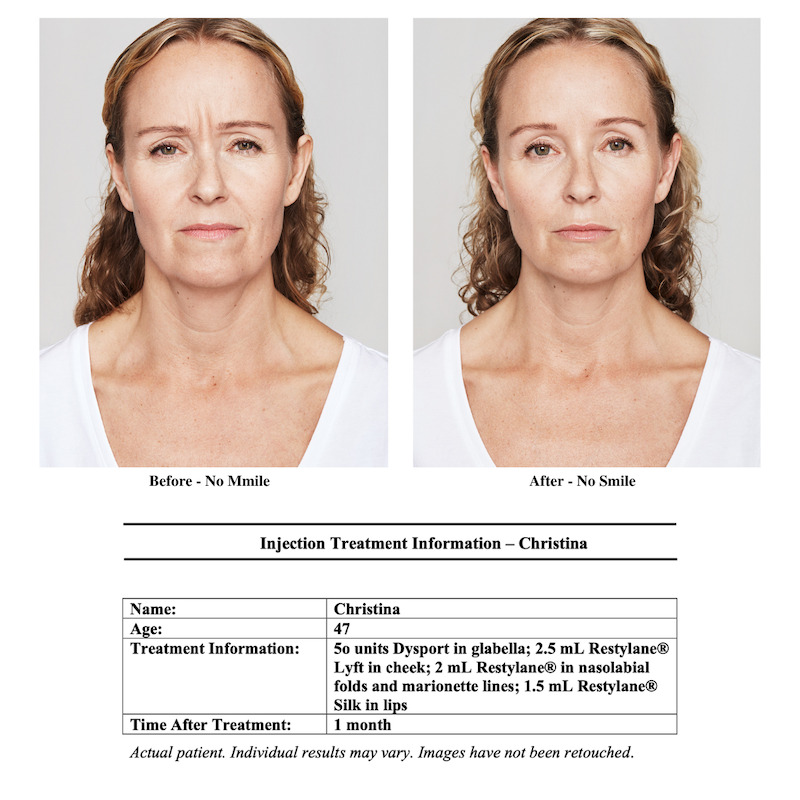
- Digital Content: Comprehensive websites, social media campaigns, and influencer collaborations explain what Dysport is, how it works, its benefits, and what to expect. This content often features testimonials and before-and-after images, illustrating the brand’s commitment to tangible results and managing expectations.
- Patient Guides and FAQs: Providing detailed guides that address common concerns, potential side effects, and aftercare instructions helps build trust. A well-informed consumer is more likely to feel confident in their choice of treatment and, by extension, in the Dysport brand.
- Partnerships with Medical Professionals: The brand heavily relies on the endorsement and expertise of dermatologists, plastic surgeons, and aesthetic nurses. These professionals act as key opinion leaders, educating patients and recommending Dysport based on their clinical experience, thereby lending credibility and authority to the brand.
Strategic Positioning Against Competitors

The aesthetic injectables market is highly competitive, dominated by well-established brands like Botox. Dysport’s marketing strategy is therefore often about differentiating itself while acknowledging the overall category.
- Highlighting Unique Strengths: Instead of directly denigrating competitors, Dysport’s branding focuses on its specific advantages, such as its potential for quicker onset and broader diffusion. This positive positioning allows the brand to stand on its own merits.
- Targeting Niche Segments: While broadly appealing, Dysport’s marketing might subtly target consumers who prioritize a slightly faster turnaround time for results or those seeking a particularly natural-looking outcome, aligning with its diffusion characteristics.
- Value Proposition: Beyond just price, the brand communicates value through the quality of results, the duration of effects, and the overall patient experience. This holistic view of value helps position Dysport as a premium yet accessible option.
Partnering with Practitioners: Extending the Brand Reach
Practitioners are vital brand ambassadors for Dysport. The company engages with medical aesthetic professionals through various channels:
- Training and Education: Comprehensive training programs ensure that injectors are highly skilled in administering Dysport, understanding its nuances, and achieving optimal patient outcomes. This commitment to professional development ensures the brand’s reputation for safety and efficacy is maintained at the point of care.
- Practice Support: Dysport provides marketing materials, patient education resources, and business support to clinics. This collaborative approach helps practices integrate Dysport seamlessly into their service offerings, effectively extending the brand’s reach and visibility.
- Community Building: Events, conferences, and professional forums foster a sense of community among Dysport users and prescribers, promoting shared best practices and strengthening loyalty to the brand.
The Treatment Experience as a Brand Touchpoint
For any aesthetic treatment, the actual experience of receiving the treatment is a critical brand touchpoint. From the initial consultation to the post-treatment follow-up, every step contributes to the patient’s perception of the Dysport brand.
Brand Experience: From Consultation to Results
The brand experience begins long before the needle. It starts with the perception built through marketing, peer recommendations, and clinic endorsements.
- Consultation: During the consultation, practitioners, acting as extensions of the brand, discuss the patient’s aesthetic goals, explain how Dysport works, and manage expectations regarding results, potential side effects, and duration. This personalized interaction is crucial for establishing trust in both the practitioner and the Dysport brand.
- Injection Process: The injection itself is typically quick, involving small, fine needles. The brand experience here is about precision, minimal discomfort, and the efficiency of the procedure, reinforcing the brand’s promise of a convenient and effective solution.
- Post-Treatment Care: Clear aftercare instructions are provided to optimize results and minimize complications. This attention to post-treatment support reflects the brand’s commitment to patient well-being and satisfaction, ensuring a positive overall experience.
- Result Revelation: The gradual onset of results, culminating in a smoother, more relaxed appearance, is the ultimate validation of the Dysport brand promise. When patients see the desired outcome, it reinforces their positive association with the treatment.
Managing Brand Expectations and Outcomes
A key aspect of brand management in aesthetics is setting realistic expectations. While Dysport is highly effective for dynamic wrinkles, it’s not a solution for static lines or significant volume loss. The brand, through its educational materials and practitioner training, ensures that these limitations are communicated transparently. This honesty fosters long-term trust and prevents patient dissatisfaction, which could otherwise damage the brand’s reputation. Managing outcomes also involves addressing rare side effects or suboptimal results with professionalism, further cementing trust in the brand’s ethical conduct.
The Evolving Brand Narrative and Market Impact
The aesthetic industry is dynamic, with continuous advancements and shifting consumer preferences. For Dysport, maintaining brand relevance requires ongoing innovation, adaptive marketing strategies, and a keen understanding of market trends.
Sustaining Brand Relevance in a Dynamic Market
Dysport sustains its brand relevance by investing in research and development, exploring new applications, and continually refining its product profile. This commitment to innovation ensures the brand remains at the forefront of neurotoxin treatments. Furthermore, its marketing evolves to reflect contemporary beauty standards and consumer values, such as naturalness, self-care, and personalized aesthetics. By staying attuned to cultural shifts, Dysport ensures its brand narrative remains fresh and resonant with new generations of consumers.
Measuring Brand Success: Market Share and Loyalty
The ultimate measure of Dysport’s brand success lies in its market share, growth trajectory, and patient loyalty. A strong brand presence, positive practitioner endorsement, and high rates of repeat treatments are indicators of a successful brand strategy. The enduring preference for Dysport among a significant segment of both practitioners and patients underscores its robust brand equity, demonstrating its capacity to deliver on its promise and maintain a distinguished position in the competitive aesthetic landscape. Understanding “what is Dysport treatment” is thus to understand a meticulously crafted brand that integrates scientific efficacy with strategic marketing and a patient-centric experience.
aViewFromTheCave is a participant in the Amazon Services LLC Associates Program, an affiliate advertising program designed to provide a means for sites to earn advertising fees by advertising and linking to Amazon.com. Amazon, the Amazon logo, AmazonSupply, and the AmazonSupply logo are trademarks of Amazon.com, Inc. or its affiliates. As an Amazon Associate we earn affiliate commissions from qualifying purchases.