
Discovering unfamiliar acronyms on your credit report can be a source of immediate confusion and, for many, a touch of anxiety. Among the myriad codes and entries that populate these vital financial documents, “CBNA” is one that frequently prompts questions. Far from being a mysterious code indicating a problem, CBNA typically represents a well-known financial institution: Citibank, N.A. Understanding its presence, implications, and how to manage entries related to it is crucial for maintaining a healthy financial profile. This deep dive will demystify CBNA, explaining its role in your financial life and empowering you to interpret your credit report with confidence.
Decoding CBNA: Unmasking the Acronym on Your Credit Report
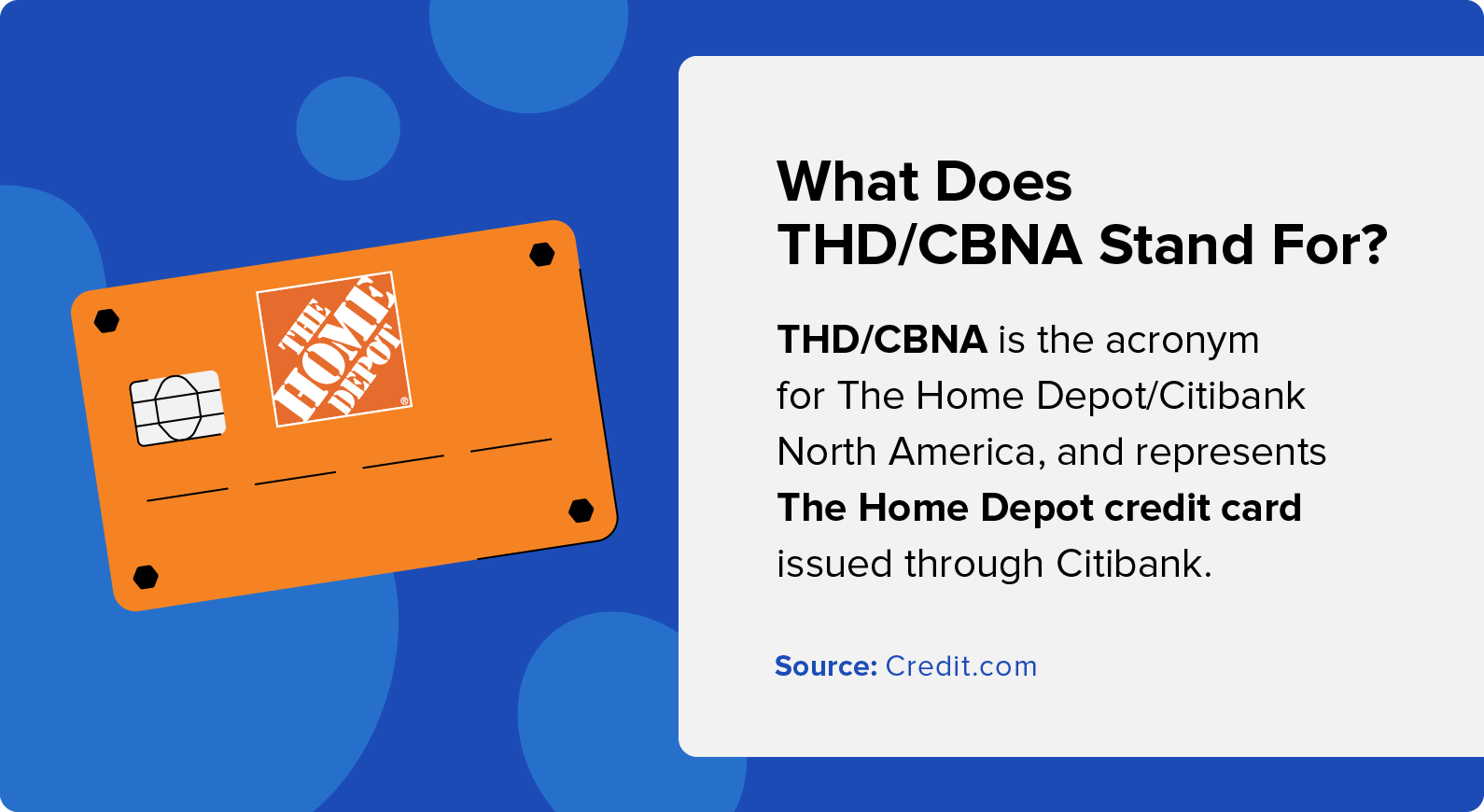
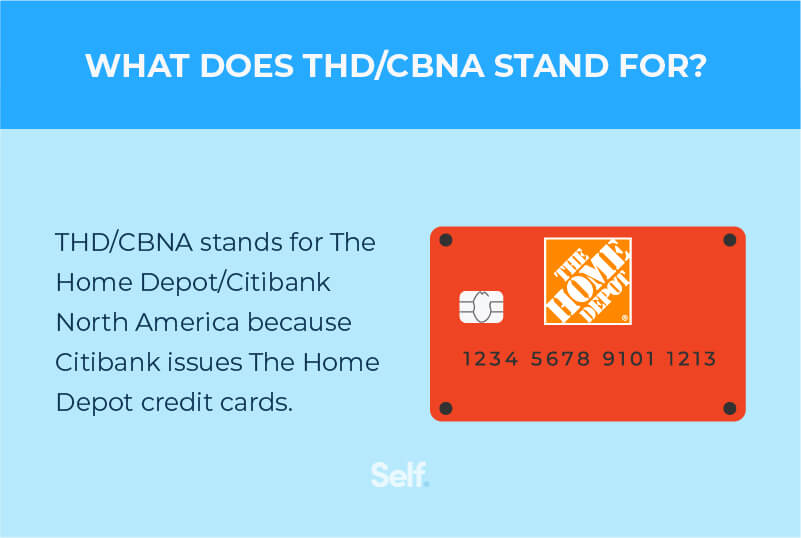
The primary step in addressing any unfamiliar entry on your credit report is to understand what it stands for. CBNA is an abbreviation for Citibank, N.A. (National Association). Citibank, a subsidiary of Citigroup, is one of the largest and oldest banking institutions in the United States, with a global presence. When you see CBNA on your credit report, it indicates a credit relationship or inquiry associated with Citibank. This could stem from a variety of financial products and services offered by the institution.
Understanding Citibank’s Presence
Citibank, N.A., reports account activity to the major credit bureaus (Experian, Equifax, and TransUnion) for many of its customers. This reporting is a standard practice for most lenders and is how your financial interactions—from making payments on time to carrying balances—are recorded and contribute to your credit history. The appearance of CBNA is therefore not inherently negative; it merely signifies a connection to Citibank. The specific context surrounding the CBNA entry is what determines its impact on your credit profile.
Common CBNA Products and Services
Citibank offers a wide array of financial products, and any of these could lead to a CBNA entry on your report. The most common include:
- Credit Cards: Citibank issues numerous credit cards, ranging from travel rewards cards to cashback cards and co-branded options. If you hold any Citibank-issued credit card, you will see CBNA reporting on your credit report, detailing your payment history, credit limit, and current balance.
- Personal Loans: Citibank provides various personal loan options for debt consolidation, home improvements, or other financial needs. These loan accounts will also be reported under CBNA.
- Lines of Credit: Similar to personal loans, unsecured lines of credit offered by Citibank will appear as CBNA entries.
- Mortgages and Home Equity Products: While often reported under specific mortgage divisions, some home loan products might also trace back to Citibank, N.A.
- Banking Accounts (Inquiries): While checking and savings accounts typically don’t appear on credit reports, an application for one might result in a “soft inquiry” from Citibank, N.A., which could be logged by some credit bureaus. However, these soft inquiries do not affect your credit score.
Identifying the specific product linked to the CBNA entry is crucial for understanding its origin and ensuring its accuracy.
Why CBNA Appears: A Citibank Footprint in Your Financial History
The presence of CBNA on your credit report is a direct consequence of your interactions with Citibank. Every time you apply for credit, open an account, or manage an existing credit product with Citibank, that activity is recorded. These records form the foundation of your credit report, demonstrating your creditworthiness to future lenders.
Tracing the Origin of CBNA Entries
There are several scenarios that explain a CBNA entry:
- Active Accounts: If you currently have an open credit card, personal loan, or line of credit with Citibank, the CBNA entry will reflect the ongoing status of that account. This includes your credit limit, current balance, payment history, and the date the account was opened.
- Closed Accounts: Even if an account with Citibank has been closed, it will remain on your credit report for a certain period (typically up to 7 or 10 years, depending on the account type and its history) and will still be listed under CBNA. It will indicate a “closed” status.
- Credit Inquiries: An application for a Citibank credit card, loan, or other credit product results in a “hard inquiry” on your credit report. This inquiry indicates that a lender (Citibank, N.A.) accessed your credit file to make a lending decision. Hard inquiries can slightly and temporarily lower your credit score and typically remain on your report for two years.
- Collection Accounts: In the unfortunate event that a Citibank account becomes severely delinquent and is charged off or sent to collections, it might appear as a collection account under CBNA, or potentially under a third-party collection agency, with Citibank being the original creditor. This has a significantly negative impact on your credit score.
Types of CBNA Reporting
Credit bureaus categorize entries based on their nature and impact. For CBNA, you might see:
- Trade Lines: These are accounts that report your ongoing payment history and account status. A Citibank credit card or loan would appear as a tradeline.
- Inquiries: As mentioned, these record instances where a lender pulled your credit report.
- Public Records/Collections: While less common directly under CBNA unless it’s a charged-off account, these entries reflect more severe financial distress.
Each type of entry provides different information and carries different weight in the calculation of your credit score. Understanding these distinctions is key to interpreting your credit report accurately.
The Impact of CBNA on Your Credit Score: Navigating the Ups and Downs
The presence of CBNA on your credit report is neutral in itself; its impact—positive or negative—is entirely dependent on your behavior with the associated Citibank account. Your actions, such as timely payments, credit utilization, and the length of your credit history, are the true determinants of how these entries affect your credit score.
Positive Contributions to Your Score
When managed responsibly, a Citibank account reported under CBNA can significantly bolster your credit score:
- Consistent On-Time Payments: Payment history is the most crucial factor in credit scoring. Making all your Citibank payments on or before the due date consistently demonstrates reliability and can positively impact your score.
- Low Credit Utilization: For credit cards, keeping your balances low relative to your credit limits (ideally below 30%) signals responsible credit management. A Citibank credit card showing low utilization will contribute positively.
- Length of Credit History: The longer you maintain a Citibank account in good standing, the more it contributes to the “length of credit history” factor, which is beneficial for your score.
- Credit Mix: Having a diverse mix of credit, such as a Citibank credit card and perhaps another type of loan, can be seen favorably by credit scoring models, as long as all accounts are managed well.
Potential Negative Ramifications
Conversely, mismanagement of a Citibank account can lead to negative impacts:
- Missed or Late Payments: Even a single late payment (typically 30 days or more past due) can significantly drop your credit score and remain on your report for up to seven years. Multiple late payments are even more damaging.
- High Credit Utilization: Maxing out a Citibank credit card or consistently carrying high balances against your credit limit can lower your score, indicating a higher risk.
- Default or Charge-Off: If an account becomes severely delinquent and Citibank closes it due to non-payment, it becomes a “charge-off.” This is a major derogatory mark that severely damages your credit score.
- Hard Inquiries: While minor, too many hard inquiries in a short period (e.g., applying for multiple Citibank credit products within a few months) can slightly lower your score, as it may suggest a desperate need for credit.
Key Data Points to Monitor
When reviewing a CBNA entry, pay close attention to:
- Account Status: Is it “Open,” “Closed,” or “Collection/Charge-Off”?
- Payment History: Look for any reported late payments.
- Balance: For revolving accounts, check the current balance.
- Credit Limit: Compare your balance to the limit to gauge utilization.
- Date Opened/Closed: These dates impact the age of your credit history.
- High Balance: For loans, this indicates the original loan amount.
Scrutinizing these details will help you understand the full story behind the CBNA entry.
Managing CBNA Entries: Strategies for Accuracy and Improvement
The key to managing CBNA entries, and indeed your entire credit report, lies in vigilance and proactive action. Ensuring accuracy and striving for improvement are essential steps toward robust financial health.
Identifying and Disputing Errors
Finding an unfamiliar or incorrect CBNA entry can be alarming. It might indicate an administrative error, identity theft, or a misunderstanding of your accounts. If you encounter such an entry:
- Verify Your Accounts: First, cross-reference the CBNA entry with your own records. Do you recall applying for or holding a Citibank account that matches the details? Check old statements, email confirmations, or banking apps.
- Contact Citibank Directly: If you believe the entry is erroneous or unfamiliar, contact Citibank’s customer service. They can help clarify the account in question. Be prepared to provide account numbers or personal identification.
- Dispute with Credit Bureaus: If Citibank cannot resolve the issue or confirms an error, or if you suspect identity theft, formally dispute the entry with all three major credit bureaus (Experian, Equifax, TransUnion). Each bureau has a clear online or mail-in dispute process. Provide all supporting documentation. The credit bureau has a legal obligation to investigate your dispute within 30 days.
- Monitor Your Report Post-Dispute: After submitting a dispute, regularly check your credit report to ensure the correction has been made. If the error persists, you may need to follow up with the bureaus and potentially the Consumer Financial Protection Bureau (CFPB).
Proactive Management and Communication
Beyond correcting errors, proactive management of your Citibank accounts is vital:
- Set Up Payment Reminders: Utilize Citibank’s online banking features to set up automatic payments or payment reminders to ensure you never miss a due date.
- Monitor Credit Utilization: For Citibank credit cards, keep an eye on your spending to maintain low credit utilization ratios. Pay down balances multiple times a month if necessary.
- Understand Account Terms: Be familiar with the terms and conditions of your Citibank accounts, including interest rates, fees, and payment schedules.
- Communicate with Citibank: If you anticipate difficulty making a payment, reach out to Citibank before you miss a payment. They may be able to offer hardship programs or alternative arrangements.
Strategies for Score Improvement
For legitimate CBNA entries that are negatively impacting your score, focus on these strategies:
- Prioritize Payments: If you have past-due accounts, prioritize bringing them current. Negotiate with Citibank if you need a payment plan.
- Reduce Balances: Systematically pay down high balances on Citibank credit cards to lower your utilization ratio.
- Maintain Good Standing: Continue to make all future payments on time. Over time, positive payment history will overshadow older negative marks.
- Avoid New Debt: While working to improve your score, avoid opening new Citibank or other credit accounts, as new hard inquiries can slightly impede progress.
Beyond CBNA: The Broader Imperative of Credit Report Monitoring
While understanding CBNA is important, it serves as a gateway to the broader, essential practice of regular credit report monitoring. Your credit report is a dynamic document, a living history of your financial responsibility, and a critical component of your overall financial health.
The Holistic View of Your Credit
An accurate and healthy credit report, free from errors and reflecting responsible financial behavior, is indispensable for numerous financial endeavors:
- Access to Loans and Credit Cards: Lenders rely heavily on your credit report to assess risk when you apply for mortgages, auto loans, personal loans, or new credit cards.
- Interest Rates: A strong credit score, built upon a positive credit history, can qualify you for lower interest rates, saving you thousands of dollars over the life of a loan.
- Renting and Insurance: Landlords often check credit reports before approving tenants, and insurance companies may use credit-based insurance scores to determine premiums.
- Employment Opportunities: Some employers, particularly for positions involving financial responsibility, may review credit reports as part of their background checks.
Regular Monitoring as a Financial Pillar
The Fair Credit Reporting Act (FCRA) entitles you to a free copy of your credit report from each of the three major credit bureaus once every 12 months via AnnualCreditReport.com. However, due to the pandemic, access to free weekly reports has been extended, making it easier than ever to stay on top of your credit.
Regularly reviewing your credit report allows you to:
- Catch Errors Early: Identify and dispute inaccuracies before they negatively impact your score.
- Detect Identity Theft: Unfamiliar accounts or inquiries could be red flags for fraudulent activity, allowing you to act quickly to protect your finances.
- Track Progress: See how your financial decisions are positively or negatively affecting your credit health over time.
- Plan for Future Financial Goals: Understand your credit standing before applying for significant credit, giving you time to make improvements if needed.
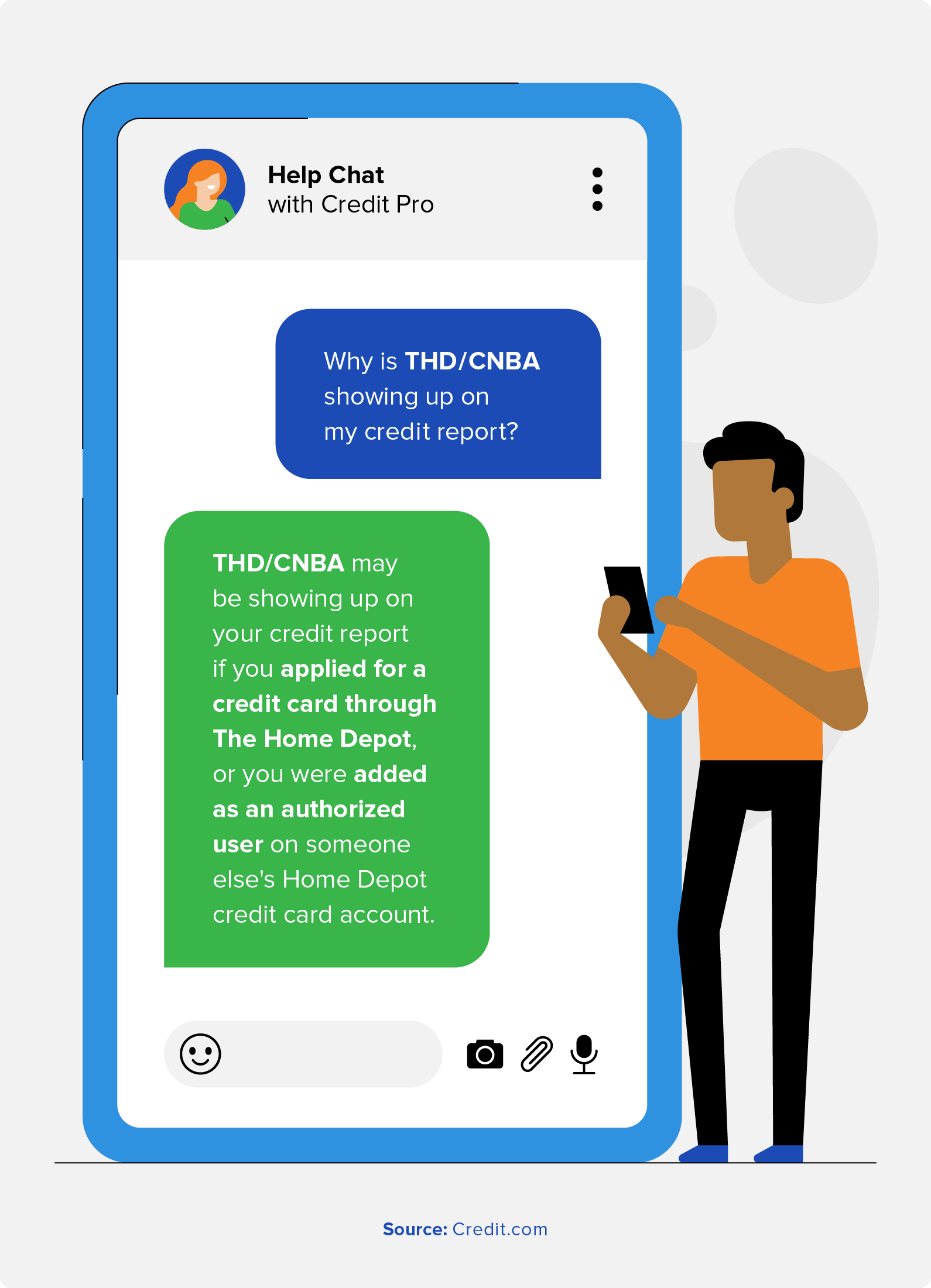
In conclusion, encountering “CBNA” on your credit report should prompt investigation, not panic. It’s almost certainly an acronym for Citibank, N.A., reflecting a real-world financial relationship. By understanding its meaning, discerning its origin, interpreting its impact, and taking proactive steps to manage your associated accounts, you can ensure your credit report accurately reflects your financial integrity and supports your financial aspirations.
aViewFromTheCave is a participant in the Amazon Services LLC Associates Program, an affiliate advertising program designed to provide a means for sites to earn advertising fees by advertising and linking to Amazon.com. Amazon, the Amazon logo, AmazonSupply, and the AmazonSupply logo are trademarks of Amazon.com, Inc. or its affiliates. As an Amazon Associate we earn affiliate commissions from qualifying purchases.