
The Financial Foundation of a Professional Pilot Career
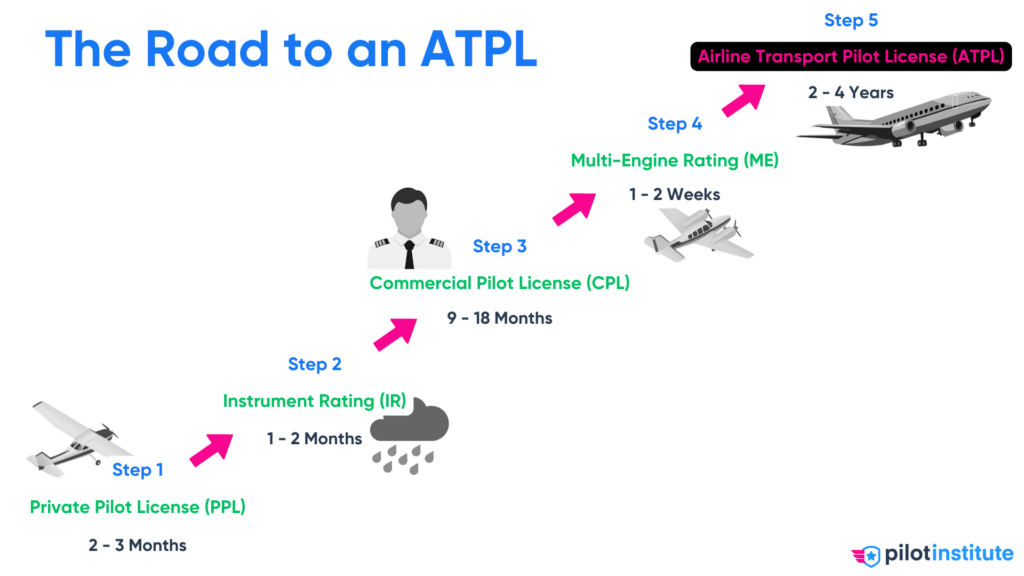
The Airline Transport Pilot License (ATPL) stands as the pinnacle of pilot certification, representing the highest level of aviation qualification. It is the mandatory credential for any pilot wishing to command multi-crew, multi-engine aircraft in commercial air transport operations, such as those flown by major airlines. Far more than just a permit to fly, an ATPL is a significant financial commitment and, critically, an investment in a high-skill, high-demand, and potentially high-earning professional career.
Understanding the ATPL Credential Through a Financial Lens
From a financial perspective, acquiring an ATPL is akin to investing in a specialized master’s degree or a demanding professional certification in fields like medicine or law. It signifies that the holder has met rigorous standards of knowledge, skill, and experience, enabling them to safely and efficiently operate complex aircraft carrying hundreds of passengers or significant cargo. This high barrier to entry, combined with the critical responsibility involved, translates directly into a premium compensation structure, making the ATPL a strategic financial move for those with the aptitude and dedication to pursue it. It’s not merely a license; it’s a passport to a distinct economic stratum within the global workforce.
Why the ATPL is a Smart Financial Investment
Choosing to pursue an ATPL is a decision rooted in long-term financial planning and career stability. Unlike many traditional university degrees that may lead to uncertain job markets, the aviation industry, particularly for qualified commercial pilots, often presents robust demand and clear career progression paths. The substantial initial outlay for training is offset by the potential for a stable, well-compensated career that typically offers excellent benefits, including generous retirement plans, comprehensive health coverage, and valuable travel perks.
Compared to other career paths requiring similar levels of investment in education and training, the ATPL often offers a relatively quicker path to significant earning potential. While the upfront costs are considerable, the return on investment can be realized within a few years of employment, with earnings that grow substantially with experience and seniority. This makes the ATPL a compelling financial investment for individuals seeking a secure and rewarding professional future, provided they approach the training and subsequent career with diligence and strategic financial management.
Navigating the Costs: A Comprehensive Financial Breakdown
Embarking on the ATPL journey requires a clear understanding of the financial landscape. The investment is substantial, often running into six figures, and varies significantly based on the training path chosen, geographical location, and individual progress.
Initial Training Expenses
The bulk of the financial investment goes into the core training program. These costs typically include:
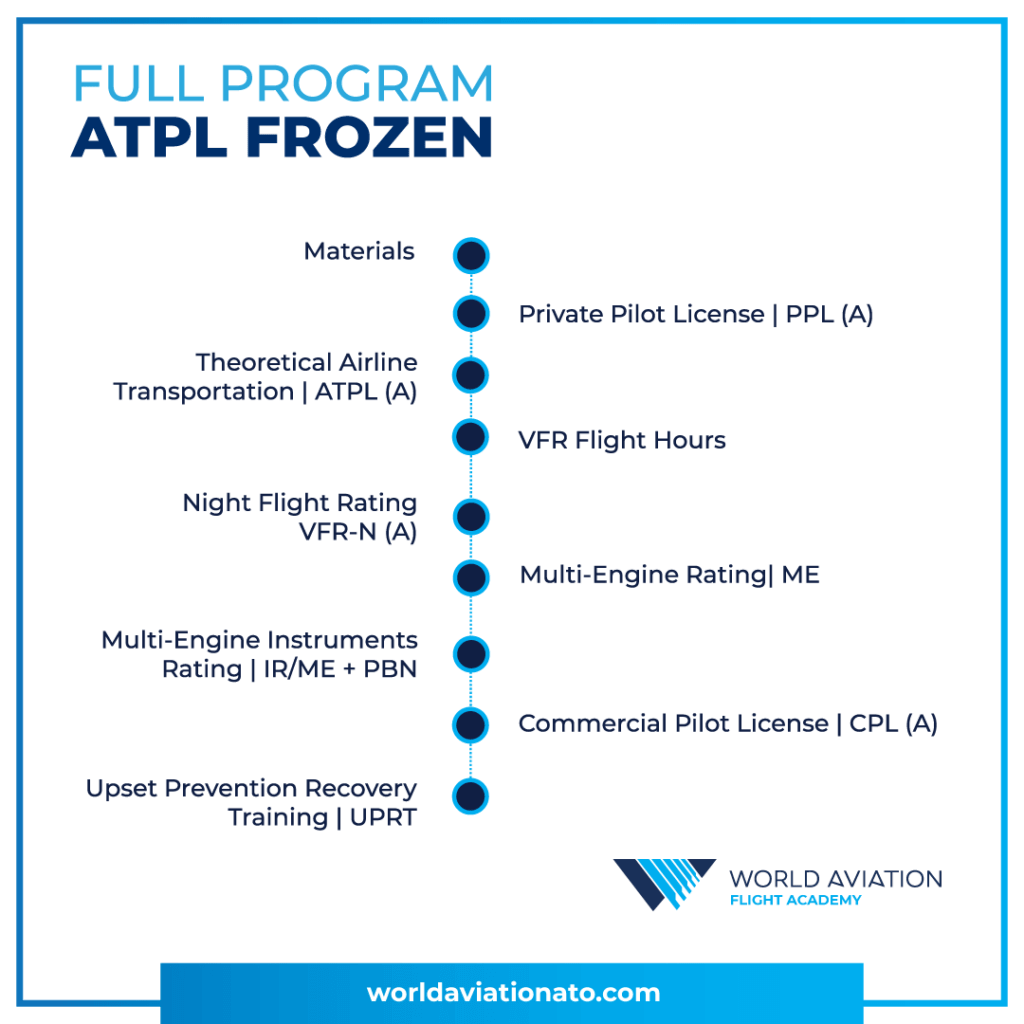
- Flight School Fees: This is often the largest component. Integrated programs, where a student progresses from zero flight experience to ATPL holder in a continuous course, tend to be more expensive but quicker, often ranging from $80,000 to $150,000 USD or more. Modular programs, which allow students to complete each license and rating separately at their own pace, can sometimes be less expensive overall but take longer. The cost per module (e.g., Private Pilot License, Instrument Rating, Commercial Pilot License, Multi-Engine Rating, ATPL theory exams) adds up.
- Aircraft Rental and Fuel: A significant portion of flight school fees covers the cost of renting aircraft for flight hours and the associated fuel expenses. More advanced aircraft (multi-engine, complex avionics) command higher rental rates.
- Instructor Fees: Expert flight instructors guide students through ground school and flight training. Their hourly rates are a direct component of the overall cost.
- Ground School Materials: This includes textbooks, study guides, charts, flight planning tools, and access to online learning platforms or exam preparation software. These can range from a few hundred to a few thousand dollars.
- Exam Fees: Each license, rating, and ATPL theoretical exam (which can number 14 individual subjects in systems like EASA) incurs a fee from the respective aviation authority (e.g., FAA, EASA, CASA). Flight test examiner fees also apply for practical exams.
- Medical Certificates: Pilots must hold a valid Class 1 medical certificate, which requires regular examinations by an authorized aviation medical examiner. Initial and renewal examination fees are ongoing costs.
- Accommodation and Living Expenses: For students undertaking full-time, integrated programs, especially away from home, accommodation, food, transport, and personal expenses for 12-24 months can add tens of thousands of dollars to the total investment.
Hidden and Indirect Costs
Beyond the direct tuition, several less obvious costs can impact the total financial outlay:
- Opportunity Cost: For individuals pursuing full-time training, the inability to earn a full-time income during the training period represents a significant financial sacrifice. This lost income can be a substantial hidden cost.
- Insurance: While flight schools typically have insurance for their aircraft, students may consider personal insurance to cover potential risks, including accident and liability coverage.
- Resit Fees: Failing an exam or practical test necessitates retaking it, incurring additional fees for the re-examination and potentially extra training hours with an instructor.
- Travel: Travel to the flight school, examination centers, and potentially for specific training modules can accumulate significant costs, especially for international students.
- Equipment: Essential pilot gear such as headsets, flight bags, navigation computers, and professional uniforms are necessary purchases.
Total Investment Range
Considering all these factors, the total financial investment for obtaining an ATPL typically ranges from $70,000 to $150,000+ USD. This range accounts for variations in flight school choice, program type (integrated vs. modular), and geographic location. Carefully budgeting for each component is crucial for successful financial planning.
Funding Your Flight Path: Financial Strategies and Options
Given the substantial investment required for an ATPL, strategic financial planning is paramount. Fortunately, several avenues exist to help prospective pilots fund their training.
Personal Savings and Family Support
For many, the initial capital comes from personal savings accumulated over years, or significant financial support from family members. This approach offers the advantage of minimizing debt and avoiding interest payments, making it the most cost-effective funding method if feasible. Establishing a dedicated savings plan well in advance of training can significantly alleviate future financial burdens.
Student Loans and Specialized Aviation Financing
When personal funds are insufficient, loans become a primary option:
- Government-Backed Loans: In some countries, government student loan programs may extend to vocational training, including aviation. These often come with lower interest rates and more flexible repayment terms than private loans.
- Private Student Loans: Banks and private lending institutions offer education loans. It’s crucial to compare interest rates, repayment schedules, and any collateral requirements.
- Aviation-Specific Lenders: A growing number of financial institutions specialize in aviation training loans. These lenders often have a better understanding of the industry and may offer tailored products, though their terms can vary widely. Researching and understanding the total cost of the loan (principal + interest) is essential.
Scholarships and Grants
While less common than for traditional university degrees, aviation scholarships and grants do exist and can significantly reduce the financial burden:
- Aviation Organizations: Many professional pilot associations, women in aviation groups, and minority pilot organizations offer scholarships to deserving candidates. Examples include the Aircraft Owners and Pilots Association (AOPA), Experimental Aircraft Association (EAA), and various regional pilot groups.
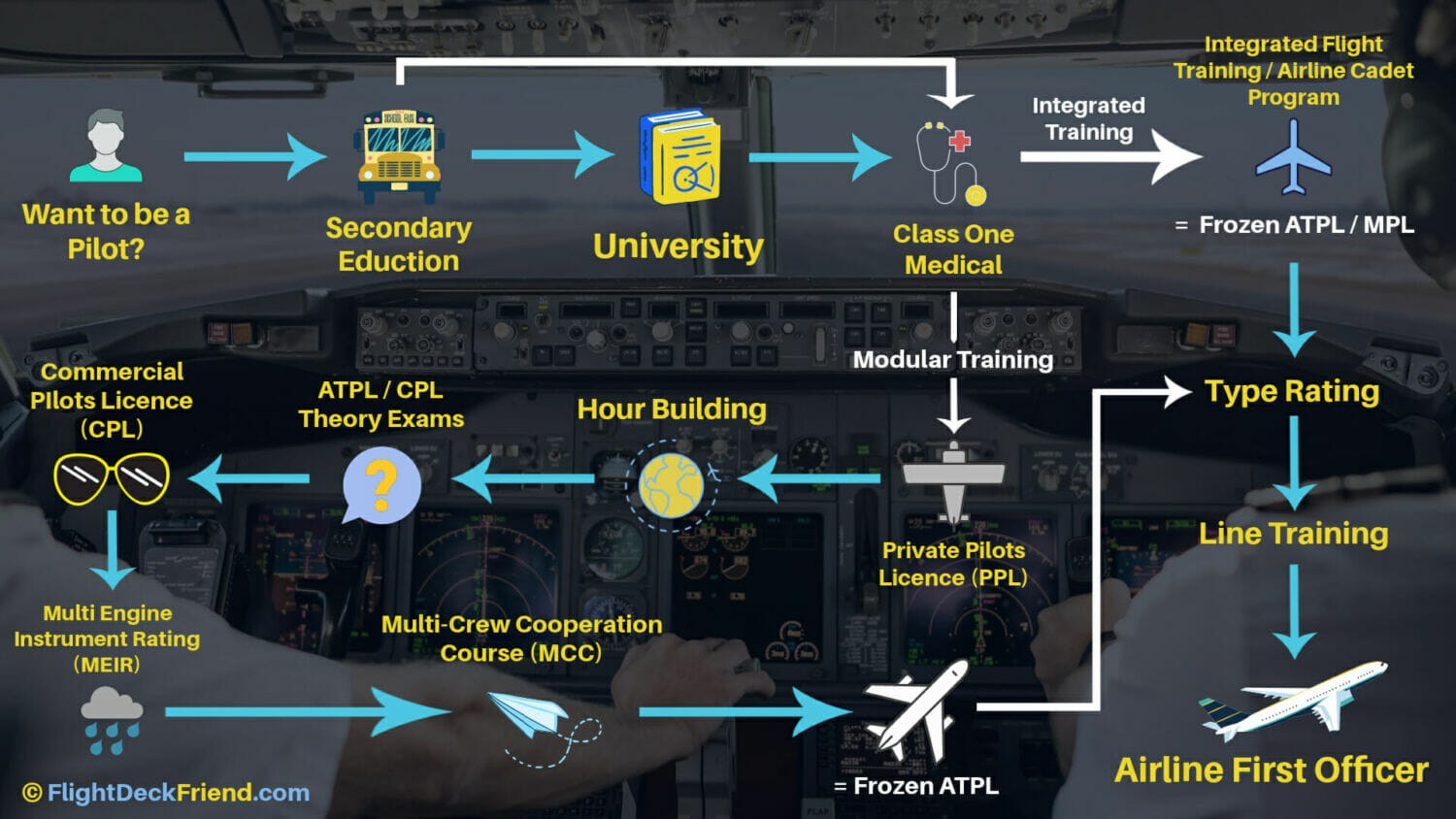
- Airline Cadet Programs: Some major airlines sponsor cadet programs where they cover a significant portion, or even all, of the training costs in exchange for a commitment to fly for the airline upon successful completion. These programs are highly competitive but represent one of the most financially attractive routes to becoming a professional pilot.
- Government and Corporate Sponsorships: Occasionally, government initiatives or corporate foundations may offer grants aimed at addressing pilot shortages or promoting STEM education.
Part-Time Work and Modular Training
For those who cannot commit to a full-time integrated program, the modular training approach, combined with part-time work, offers a viable financial strategy. By completing licenses and ratings incrementally, students can space out tuition payments and maintain an income source, even if reduced. This extends the training timeline but can make the financial burden more manageable.
The Financial Returns: Income Potential and Career Growth
The substantial investment in an ATPL is justified by the significant earning potential and robust career progression available to qualified airline pilots.
Entry-Level Pilot Salaries
Upon obtaining an ATPL and gaining initial experience (often as a First Officer with a regional airline or a smaller commercial operator), entry-level salaries can vary widely based on the airline, aircraft type, and geographical location. In regions like North America, entry-level First Officers might start with annual salaries ranging from $40,000 to $70,000 USD, sometimes lower in specific regional contracts. While this may seem modest compared to the training cost, it represents the initial phase of a steep earning curve.
Mid-Career and Senior Captain Earnings
As pilots accumulate flight hours, gain experience, and advance in seniority, their earning potential rises dramatically. Moving from regional carriers to major national or international airlines, and progressing from First Officer to Captain, unlocks substantially higher compensation. Experienced Captains at major airlines, especially those flying wide-body international routes, can command annual salaries ranging from $150,000 to over $300,000 USD. Top-tier captains with decades of experience at legacy carriers can even exceed this, often reaching $400,000 USD or more annually, depending on their flight hours, aircraft type, and contract terms.
Benefits and Perks
Beyond base salary, the comprehensive benefits package for airline pilots significantly enhances their overall financial compensation:
- Retirement Plans: Robust 401(k) or pension plans are standard, with generous employer contributions, allowing for substantial retirement savings.
- Health and Life Insurance: Comprehensive health, dental, vision, and life insurance policies are typically provided for pilots and their families.
- Travel Benefits: One of the most coveted perks is discounted or free travel for pilots and their immediate families, offering immense financial value for leisure or visiting loved ones.
- Profit-Sharing: Many airlines offer profit-sharing programs, providing additional income based on the company’s financial performance.
- Per Diem: Pilots receive a daily allowance (per diem) to cover food and incidental expenses while away from their home base, which adds to their take-home pay.
Long-Term Financial Planning for Pilots
With a high and stable income, pilots are well-positioned for aggressive long-term financial planning. This includes:
- Debt Management: Efficiently paying down student loans is often a top priority in the early years.
- Investing Strategies: High earners can maximize contributions to retirement accounts, explore diversified investment portfolios, and consider real estate or other wealth-building assets.
- Financial Independence: The robust earning potential of a pilot career provides a strong foundation for achieving financial independence and even early retirement, especially when combined with disciplined saving and investing.
Mitigating Financial Risks and Maximizing ROI
While the ATPL offers significant financial promise, it’s crucial to approach the investment with prudence, actively seeking to mitigate risks and maximize the return on investment.
Choosing the Right Flight School
The choice of flight school is a critical financial decision. Prioritize schools with:
- Accreditation and Reputation: Ensure the school is accredited by relevant aviation authorities, indicating adherence to high standards. A strong reputation often correlates with quality training and better job prospects.
- Transparent Pricing: Demand a clear, itemized breakdown of all costs to avoid hidden fees.
- Job Placement Assistance: Investigate the school’s track record for helping graduates secure employment. Schools with strong airline partnerships or a robust alumni network can provide a significant advantage in the job market, directly impacting your financial return timeline.
- Fleet Modernity and Maintenance: Reliable, well-maintained aircraft minimize training delays, which can save time and money.
Career Progression and Job Market Outlook
The global demand for airline pilots significantly strengthens the ATPL investment case. Forecasts from organizations like Boeing and Airbus consistently project a need for hundreds of thousands of new pilots over the next two decades to meet air travel growth and replace retiring pilots. This robust demand mitigates the risk of unemployment and ensures competitive compensation and benefits, thereby solidifying the long-term financial viability of an ATPL career. Staying current with industry trends and adapting to new technologies further enhances marketability.
Financial Discipline During Training and Beyond
Success in an ATPL career, both in the cockpit and financially, hinges on discipline. During training, meticulous budgeting and cost control are essential to avoid overspending and minimize debt. Post-licensing, disciplined debt repayment, consistent savings, and strategic investing are crucial to capitalize on the high earning potential. Continuous professional development, including advanced ratings and type ratings for new aircraft, ensures continued marketability and opens doors to even higher-paying opportunities, further maximizing the return on your significant initial investment.
aViewFromTheCave is a participant in the Amazon Services LLC Associates Program, an affiliate advertising program designed to provide a means for sites to earn advertising fees by advertising and linking to Amazon.com. Amazon, the Amazon logo, AmazonSupply, and the AmazonSupply logo are trademarks of Amazon.com, Inc. or its affiliates. As an Amazon Associate we earn affiliate commissions from qualifying purchases.