
An employment letter is more than just a formal piece of correspondence; it’s a foundational document within the realm of personal and business finance. In its essence, it is an official document issued by an employer to verify a person’s employment status, job role, and often, their income. From securing a mortgage to establishing creditworthiness, the financial implications of an employment letter are profound and far-reaching, directly impacting an individual’s financial stability and access to various financial products and services. Understanding its purpose and components is crucial for anyone navigating their financial journey.
The Financial Significance of an Employment Letter
At its core, an employment letter serves as a verifiable testament to an individual’s financial capacity and stability. It provides concrete, third-party confirmation of an income stream, which is the bedrock of virtually all personal financial planning and transactions. Without this proof, accessing credit, leasing property, or even initiating major investments can become significantly challenging, if not impossible. It bridges the gap between an individual’s stated financial position and a lender’s or institution’s requirement for verified proof, thereby facilitating critical financial processes that underpin modern economic life.
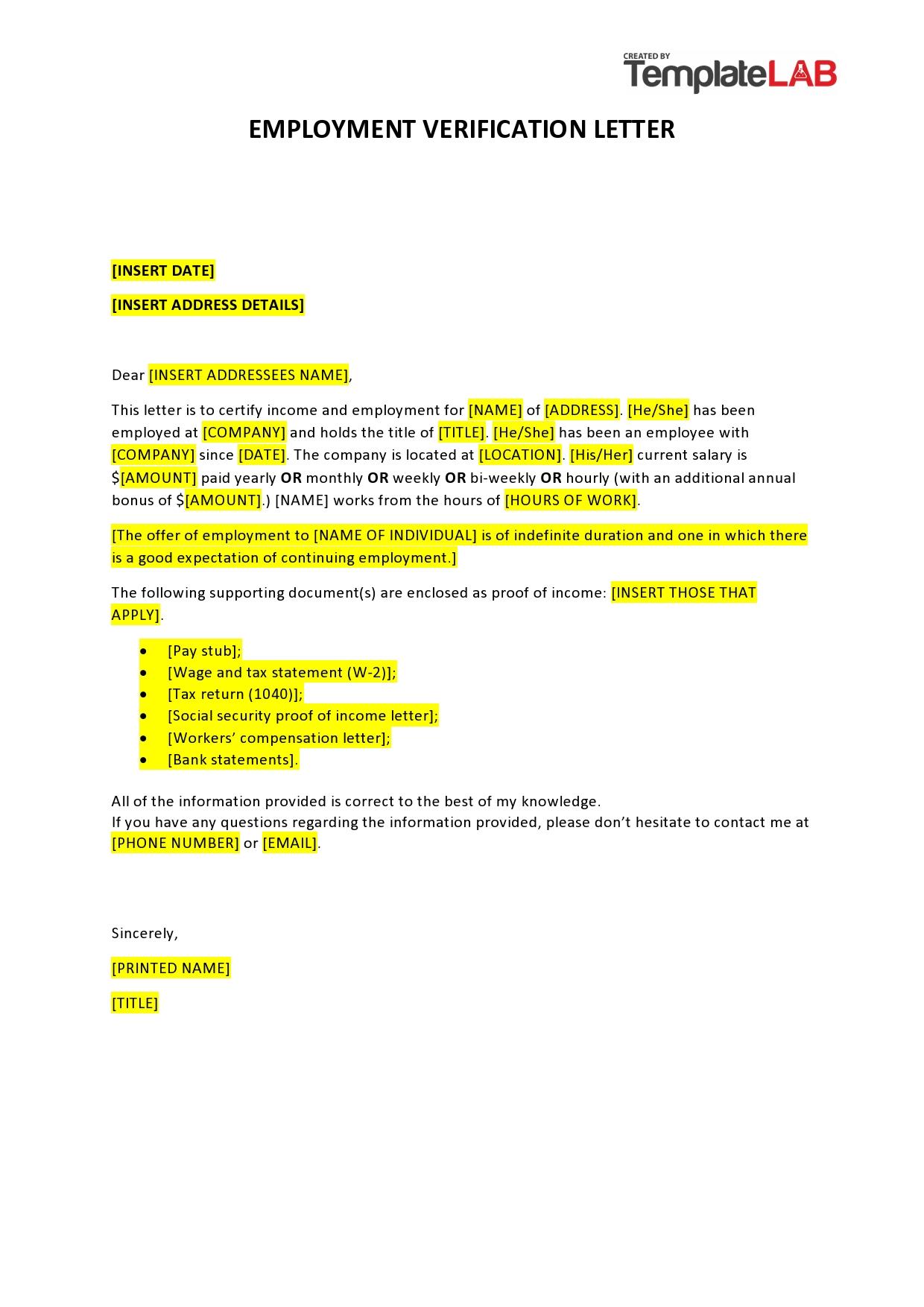
Proof of Income and Employment for Major Financial Transactions
The utility of an employment letter becomes most apparent when engaging in significant financial transactions where demonstrating a reliable income source is paramount.
Mortgages and Home Loans
One of the most common and impactful uses of an employment letter is in the application for a mortgage or home loan. Lenders require concrete evidence that a borrower has a stable and sufficient income to meet monthly mortgage payments. An employment letter typically outlines the applicant’s job title, start date, current salary, and often, the expectation of continued employment. This information allows lenders to assess the borrower’s debt-to-income ratio, verify consistent earnings, and ultimately determine their eligibility for a loan and the maximum amount they can afford to borrow. It acts as a primary assurance for the lender, mitigating the risk associated with lending substantial sums over long periods.
Auto Loans
Similar to home loans, purchasing a vehicle, especially a new one, often involves securing an auto loan. Financial institutions offering these loans also need to confirm the applicant’s ability to repay. An employment letter provides the necessary proof of steady income, enabling them to confidently approve the loan. This ensures that the borrower can manage the monthly car payments without undue financial strain, safeguarding both the borrower and the lender from potential default.
Personal Loans
Whether it’s for debt consolidation, home improvements, or unexpected expenses, personal loans are a common financial tool. Banks and credit unions almost invariably request an employment letter to verify income and employment stability before approving a personal loan. This verification is a critical component of their risk assessment, directly influencing the loan amount, interest rate, and terms offered to the borrower.
Rentals and Lease Agreements
Beyond traditional lending, an employment letter plays a vital role in the rental market. Landlords and property management companies frequently request proof of employment and income to ensure prospective tenants can consistently meet rent payments. This document offers peace of mind to landlords, confirming the tenant’s financial reliability and minimizing the risk of rent arrears. It often works in conjunction with credit checks to provide a holistic view of a tenant’s financial standing.
Credit Card Applications
While not always explicitly required for every credit card application, an employment letter can be a significant asset, particularly for those seeking higher credit limits or premium cards. It helps credit card issuers verify the applicant’s stated income, which directly impacts the credit limit they are willing to extend. For individuals with limited credit history or those transitioning between jobs, an employment letter can bolster their application, signaling financial stability and a reduced risk profile.
Impact on Personal Finance Management
Beyond transactional uses, the information contained within an employment letter forms a fundamental pillar for effective personal finance management.
Budgeting
An accurate understanding of one’s stable income is the cornerstone of effective budgeting. An employment letter provides precise details of salary, and sometimes even benefits, allowing individuals to create realistic budgets. Knowing the exact net income helps in allocating funds for essential expenses, savings, investments, and discretionary spending, thereby fostering greater financial control and preventing overspending.
Debt-to-Income Ratio
The debt-to-income (DTI) ratio is a crucial metric that lenders use to evaluate an individual’s ability to manage monthly payments and repay debts. An employment letter, by confirming gross monthly income, is indispensable in accurately calculating this ratio. A favorable DTI ratio, often supported by verifiable income, significantly improves an individual’s eligibility for various financial products and services, allowing them to access better terms and rates.
Financial Planning for the Future
Long-term financial planning, encompassing retirement savings, investment strategies, and significant life purchases, is intrinsically linked to verifiable income. An employment letter, particularly one detailing a stable employment history and future prospects, provides the assurance needed to project future earnings. This projection is vital for setting achievable financial goals, contributing consistently to retirement accounts, and planning for wealth accumulation over time.
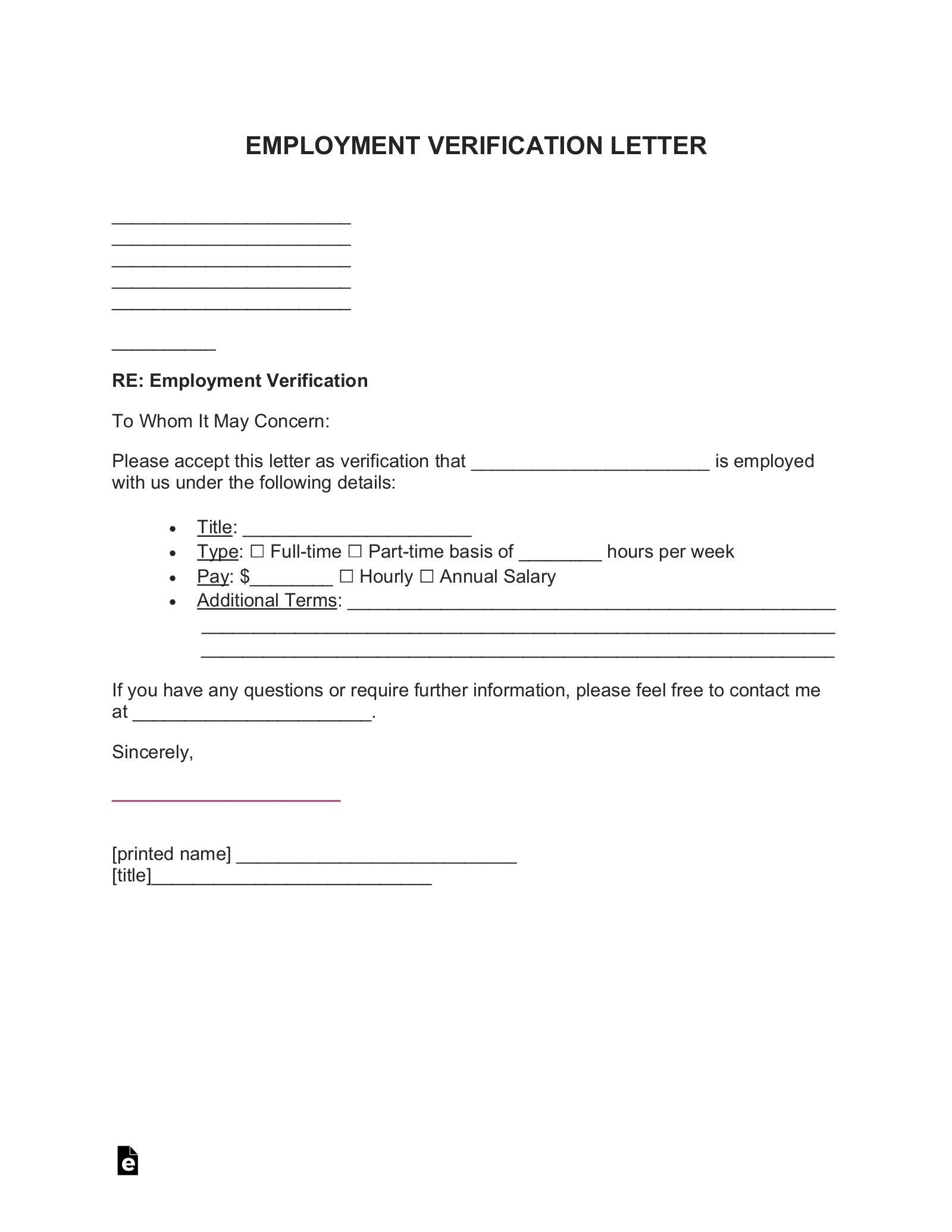
Types of Employment Letters and Their Financial Applications
Different types of employment letters serve distinct financial purposes, each providing specific pieces of information critical for various financial evaluations.
Offer of Employment Letter
An offer letter is often the first formal financial document an individual receives from a new employer. It outlines the proposed salary, typically on an annual or hourly basis, along with details regarding bonuses, commission structures, health insurance benefits, retirement plan contributions (e.g., 401(k) matching), and other perks.
- Financial Implications: This letter is the initial blueprint for an individual’s projected income and total compensation package. It enables new hires to budget for relocation expenses, plan for a new standard of living, and understand the full financial value of their employment beyond just the base salary. It’s critical for comparing job offers and making informed financial decisions about career transitions.
Proof of Employment Letter (Verification of Employment – VOE)
This is perhaps the most commonly requested type of employment letter for financial purposes. A VOE letter confirms an individual’s current or past employment, including their job title, start date, and often their current salary or wage. It is typically a concise document, often prepared to fulfill a specific request from a third party like a bank or landlord.
- Financial Applications: The VOE is indispensable for almost any financial application requiring income verification. It serves as direct evidence for mortgage applications, auto loans, personal loans, rental agreements, and sometimes even for visa applications where financial self-sufficiency needs to be proven. Its primary role is to provide a reliable, third-party endorsement of an individual’s employment and earnings.
Salary Verification Letter
A salary verification letter is a specific type of employment letter that explicitly details an individual’s current gross annual salary, and sometimes includes information about bonuses, commissions, or other forms of compensation. It might also specify the frequency of pay (e.g., bi-weekly, monthly).
- Financial Applications: This letter is critical for any financial institution that needs precise and up-to-date income figures. It’s often requested when an individual is applying for a loan where the repayment capacity is directly tied to their current earnings, such as refinancing existing debts or applying for higher credit limits. It provides an unequivocal statement of current earnings, making it easier for financial bodies to assess risk and affordability.
Termination or Layoff Letter
While often associated with negative circumstances, a termination or layoff letter carries significant financial implications. It details the effective date of employment cessation, information about final paychecks, accrued vacation pay, severance packages, eligibility for unemployment benefits, and options for continuing health insurance benefits (e.g., COBRA).
- Financial Implications: This letter is crucial for immediate financial planning during a period of unemployment. It allows individuals to understand their immediate financial resources (severance, final pay) and plan for bridging the income gap. It’s also often a prerequisite for applying for unemployment benefits, which are a vital financial safety net, and for evaluating the costs and benefits of continuing health coverage.
How to Obtain and Safeguard Your Employment Letter (Financial Perspective)
Given its critical role in financial matters, knowing how to appropriately request, verify, and secure your employment letter is a vital aspect of prudent financial management.
Requesting from HR/Employer
When you need an employment letter for financial purposes, typically your company’s Human Resources (HR) department is the first point of contact. Clearly state the purpose of the letter (e.g., “for a mortgage application”) and specify what information needs to be included, such as your full name, job title, start date, current salary (annual gross), and the company’s official letterhead and signature. Being precise reduces back-and-forth and ensures the letter meets the recipient’s requirements.
Verifying Accuracy
Before submitting any employment letter to a financial institution, meticulously review all details for accuracy. Ensure your name, job title, employment dates, and especially all financial figures (salary, bonuses, etc.) are correct. Any discrepancies, however minor, can cause significant delays in loan approvals, credit applications, or other financial processes, potentially costing you time and even financial opportunities.
Storage and Security
Employment letters contain sensitive personal and financial data. Once obtained, treat them as you would any other important financial document. Keep physical copies in a secure location, like a locked filing cabinet. For digital copies, ensure they are stored on a secure, password-protected device or cloud service with robust encryption. Sharing these documents should only be done with trusted financial institutions and professionals.
Frequency of Updates
Your financial situation can change with promotions, salary increases, or job changes. It’s advisable to request an updated employment letter whenever there’s a significant shift in your compensation or role. Having an up-to-date document on hand can expedite future financial applications and accurately reflect your current financial standing. Proactive management of these documents is a hallmark of sound personal finance.
The Broader Economic and Financial Context
The employment letter is more than just an administrative formality; it’s a key instrument in an individual’s financial ecosystem, contributing to overall economic participation and stability.
Building Financial Credibility
Consistently demonstrating stable employment through official letters builds an individual’s financial credibility. This track record of verifiable income signals reliability to lenders and financial institutions, translating into better interest rates on loans, higher credit limits, and easier access to a wider range of financial products. It reinforces the perception of you as a trustworthy borrower and a financially responsible individual.
Understanding Total Compensation
An employment letter, particularly an offer letter, helps individuals understand their total compensation beyond just the base salary. Components like health insurance contributions, retirement plan matching, and performance bonuses represent significant financial value. Recognizing these elements allows for more comprehensive financial planning and a better assessment of one’s true earning power and financial security. This holistic view is essential for long-term wealth building and risk management.

Navigating Economic Transitions
In times of career change, economic uncertainty, or personal financial crises, employment letters become particularly vital. They can serve as a bridge, verifying past employment for unemployment benefits, severance packages, or even as supporting documentation for new job applications. For individuals re-entering the workforce or transitioning between industries, a well-documented employment history, supported by official letters, can be instrumental in demonstrating their earning potential and securing future financial stability.
aViewFromTheCave is a participant in the Amazon Services LLC Associates Program, an affiliate advertising program designed to provide a means for sites to earn advertising fees by advertising and linking to Amazon.com. Amazon, the Amazon logo, AmazonSupply, and the AmazonSupply logo are trademarks of Amazon.com, Inc. or its affiliates. As an Amazon Associate we earn affiliate commissions from qualifying purchases.