
In the complex ecosystem of construction projects, precise communication and clear instruction are paramount, especially when it comes to financial health and contractual obligations. Amidst the myriad of documents that govern a project, the Architect’s Supplemental Instruction (ASI) stands out as a critical, yet often misunderstood, instrument. While seemingly a minor administrative detail, an ASI carries significant weight, directly impacting project finances, contractor profitability, and the overall budget integrity for all stakeholders. Understanding its definition, application, and financial implications is not just an administrative necessity, but a core component of sound business finance in construction.
Understanding the Core Purpose of an ASI
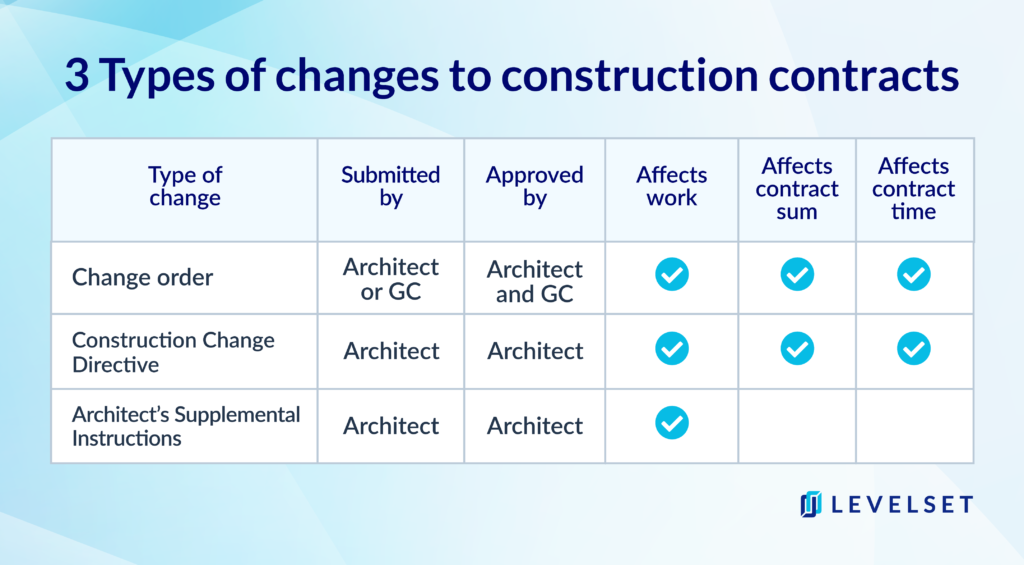
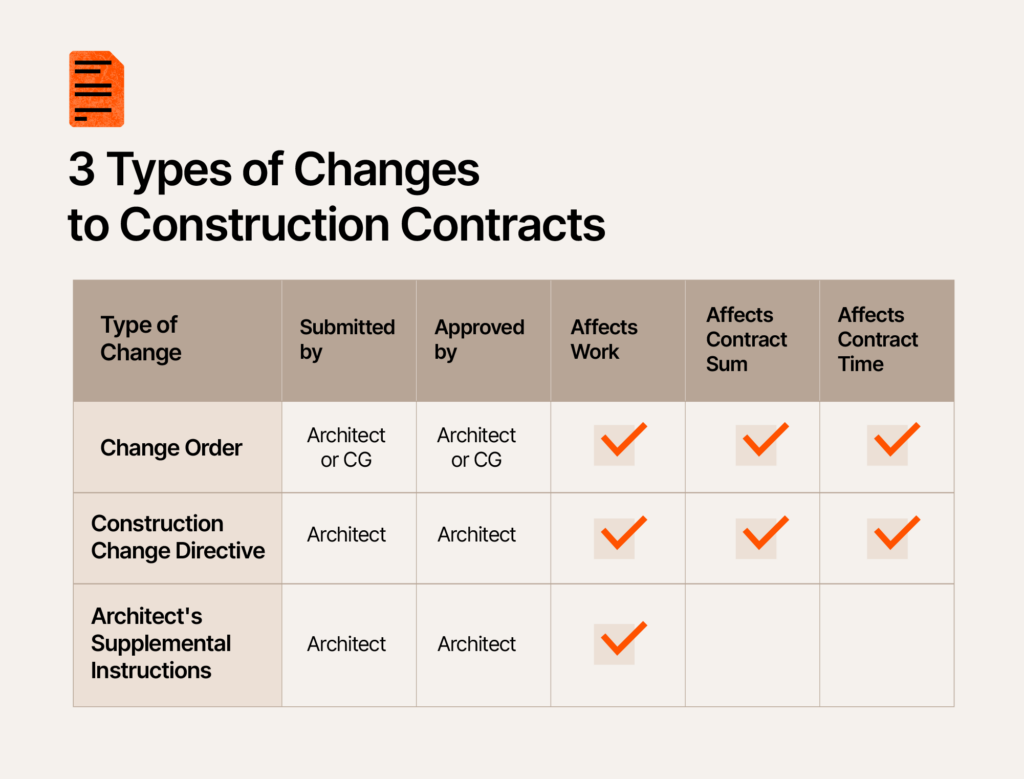
An Architect’s Supplemental Instruction (ASI) is a formal directive issued by the architect to the contractor, typically used to provide clarifications, minor changes, or additional details to the contract documents without affecting the contract sum or contract time. It serves as an essential tool for maintaining the flow of information and resolving ambiguities during the construction phase, ensuring that the project progresses according to the design intent. From a financial perspective, the ideal scenario for an ASI is to resolve a query or provide clarification that does not lead to additional costs or delays. However, the reality on many projects is far more nuanced.
Differentiating ASIs from Change Orders
A crucial distinction in managing project finances lies in understanding the difference between an ASI and a change order. A Change Order (CO) is a formal amendment to the construction contract that modifies the contract sum, contract time, or both. It acknowledges a fundamental alteration to the scope of work initially agreed upon. In contrast, an ASI is intended for minor modifications, clarifications, or additional details that fall within the general scope of the contract. The key phrase here is “without affecting the contract sum or contract time.” If an ASI does lead to a change in cost or schedule, it typically triggers a request from the contractor for a change order, transforming its administrative nature into a direct financial negotiation. This gray area is where financial disputes often arise, emphasizing the need for meticulous documentation and clear communication from the outset. For project owners and general contractors, correctly identifying whether an instruction warrants a change order or can be absorbed by an ASI is a significant factor in managing budget contingency and avoiding unexpected expenses.
When and Why ASIs Are Issued
ASIs are typically issued for a variety of reasons during a project’s lifecycle. Common scenarios include:
- Clarification of Contract Documents: Resolving discrepancies, ambiguities, or omissions found in the drawings or specifications. For instance, clarifying a specific material finish or installation detail not fully elaborated.
- Minor Changes in Scope: Directing a minor alteration to a design element that does not impact the overall structure or cost significantly. An example might be adjusting the location of a non-structural partition by a few inches or specifying a different, but equivalent, fixture.
- Additional Details or Instructions: Providing further architectural details that were not fully developed in the initial plans but are necessary for construction. This could involve specific trim profiles or custom joinery details.
- Responding to RFI (Request for Information): Often, contractors issue RFIs when they encounter an unclear aspect of the plans or specifications. An ASI can be the architect’s formal response, providing the necessary instruction.
From a business finance perspective, the proactive and timely issuance of ASIs can prevent costly delays stemming from contractor confusion or work stoppages. However, an influx of ASIs, or ASIs that consistently evolve into change orders, signals potential issues in the initial design completeness or project planning, leading to greater financial risk.
The Financial Ripple Effect of ASIs
While an ASI is fundamentally an administrative tool, its potential to impact a project’s financial bottom line cannot be overstated. Each ASI carries with it a potential ripple effect that can extend beyond direct costs, influencing schedules, overheads, and the overall financial health of the project for all parties involved.
Direct Cost Implications
The most immediate financial impact of an ASI comes when it inadvertently, or explicitly, requires the contractor to perform work that goes beyond the original contract scope or necessitates additional resources. This can include:
- Labor Costs: If the instruction requires additional man-hours to execute, beyond what was originally estimated for the task. This could be due to more complex detailing, rework, or extended time on site.
- Material Costs: Specifying a different, more expensive material than initially budgeted, or requiring additional quantities of materials.
- Equipment Costs: Needing specialized equipment not planned for, or extended use of existing equipment, to comply with the instruction.
- Subcontractor Costs: If the ASI affects a specific trade, the general contractor will incur additional costs from their subcontractors.
For the contractor, meticulously tracking these direct costs is vital. Failure to document and quantify them adequately can result in absorbed losses, eroding profit margins. For the owner, understanding these potential direct costs early allows for better budget management and contingency planning.
Indirect Costs and Schedule Impacts
Beyond the direct costs, ASIs can also lead to significant indirect financial consequences, primarily through schedule delays.
- Extended Overhead: Project delays mean longer periods for general conditions, such as site supervision, temporary facilities, insurance, utilities, and office administration. These daily overhead costs can accumulate rapidly.
- Demobilization/Remobilization: If an ASI causes a stop-work or significant re-sequencing, trades may need to demobilize and then remobilize later, incurring additional costs for travel, setup, and lost productivity.
- Liquidated Damages: For owners, if an ASI (or subsequent change order) leads to delays that push the project beyond its contractual completion date, there’s a risk of incurring liquidated damages if time extensions are not formally granted.
- Productivity Loss: Confusion or multiple revisions via ASIs can lead to a dip in worker productivity as they await clarification or rework previously completed tasks. This directly impacts the efficiency and profitability of the contractor.
These indirect costs, though harder to pinpoint directly to a single ASI, can cumulatively lead to substantial budget overruns. Effective financial management requires anticipating and modeling these potential impacts.
Risk Allocation and Mitigation

ASIs play a critical role in risk allocation. If an ASI is truly a minor clarification within the existing scope and cost, the financial risk remains as initially contractually allocated. However, if an ASI forces the contractor to incur additional costs or delays, and these are not properly recognized and compensated via a change order, the financial risk disproportionately shifts to the contractor.
To mitigate this financial risk:
- For Contractors: Every ASI must be reviewed immediately for potential cost and schedule impacts. If an impact is identified, prompt notice must be given to the owner and architect, followed by a detailed cost proposal for a change order.
- For Owners: A robust change management process is essential. Scrutinize ASIs for potential scope creep or cost implications. Ensure that architects are issuing ASIs within the spirit of the contract — as clarifications, not covert change orders. Budget contingencies should account for potential changes, even those initiated by ASIs.
Best Practices for Managing ASIs to Protect Project Finances
Effective management of ASIs is a cornerstone of prudent financial control in construction. It minimizes disputes, prevents cost overruns, and ensures projects stay on track financially.
Documentation and Communication Protocols
Rigorous documentation is non-negotiable. Every ASI must be formally issued, numbered, and dated. Contractors should maintain a detailed log of all ASIs received, noting the date, description, and any associated financial or schedule impacts.
- Clear Language: ASIs themselves should be written with utmost clarity, leaving no room for misinterpretation. Ambiguity almost always leads to costly rework or delays.
- Record of Impacts: For each ASI, the contractor should document any resources expended, additional labor hours, materials ordered, and any resulting schedule delays. This forms the basis for potential change order requests.
- Meeting Minutes: Discussions around ASIs and their potential impacts should be recorded in meeting minutes, providing a paper trail for all decisions made.
Open and proactive communication between the owner, architect, and contractor is also vital. Timely discussion of potential ASI impacts can often resolve issues before they escalate into costly claims.
Timely Cost Analysis and Negotiation
Upon receipt of an ASI, the contractor must conduct an immediate and thorough cost and schedule analysis. This involves:
- Detailed Cost Breakdown: Quantifying labor, materials, equipment, and subcontractor costs affected by the ASI.
- Schedule Impact Assessment: Determining how the ASI affects critical path activities and overall project duration.
- Prompt Notification: If an ASI is deemed to have a cost or schedule impact, the contractor must formally notify the owner and architect in accordance with contract terms, typically within a specified timeframe. This preserves the contractor’s right to claim additional compensation or time.
- Negotiation: Armed with a detailed proposal, the contractor can then negotiate with the owner/architect for a change order. This process requires transparency, a clear breakdown of costs, and an understanding of the contract’s change order provisions.
For owners, timely review of contractor claims related to ASIs and proactive negotiation can prevent claims from ballooning due to prolonged dispute resolution processes.
Proactive Financial Forecasting
Owners and contractors alike should integrate ASI management into their broader financial forecasting.
- Contingency Allocation: Owners should maintain a contingency budget specifically for unforeseen conditions and changes, including those that might originate from ASIs. This acts as a financial buffer.
- Earned Value Management: Regularly compare planned value, actual cost, and earned value, factoring in the impact of ASIs on progress and expenditures. This provides real-time insights into financial performance.
- Cash Flow Projections: Adjust cash flow projections based on approved change orders stemming from ASIs, ensuring adequate funding is available when needed.
ASIs as a Financial Management Tool
When managed effectively, ASIs are not just administrative nuisances but can be powerful tools for maintaining project budget integrity and ensuring equitable financial outcomes for all parties.
Maintaining Project Budget Integrity
For the project owner, correctly processing ASIs helps to:
- Control Costs: By ensuring that minor clarifications don’t silently accumulate into significant cost overruns.
- Transparency: Providing a clear record of design changes and their financial implications, fostering accountability.
- Predictability: Better managing budget contingencies by formalizing changes that impact cost or schedule.
For the contractor, diligent ASI management is crucial for:
- Protecting Profit Margins: Ensuring fair compensation for additional work or delays not included in the original bid.
- Accurate Project Costing: Reflecting the true cost of performing the work, avoiding absorbed losses.
- Cash Flow: Securing timely payments for additional work, supporting operational cash flow.
Avoiding Disputes and Cost Overruns
A primary objective of effective ASI management is to prevent misunderstandings from escalating into formal disputes, which are inherently costly and time-consuming for all parties. When ASIs are clear, their impacts are promptly assessed, and any resulting changes are formally processed as change orders, the risk of litigation or arbitration significantly diminishes. This leads to a more collaborative project environment, where financial issues are addressed transparently and constructively. Ultimately, a well-managed ASI process supports the financial health of the project, ensuring that it is delivered on time, within budget, and to the expected quality, benefiting every stakeholder.
aViewFromTheCave is a participant in the Amazon Services LLC Associates Program, an affiliate advertising program designed to provide a means for sites to earn advertising fees by advertising and linking to Amazon.com. Amazon, the Amazon logo, AmazonSupply, and the AmazonSupply logo are trademarks of Amazon.com, Inc. or its affiliates. As an Amazon Associate we earn affiliate commissions from qualifying purchases.