
The universe of Cobra Kai thrives on nostalgia, re-imagination, and the intricate dance between past grievances and present-day challenges. Few characters embody this complex tapestry more profoundly than Chozen Toguchi. Originally introduced as Daniel LaRusso’s menacing antagonist in The Karate Kid Part II, Chozen’s return to the modern Miyagi-verse was not merely a fan-service cameo but a pivotal strategic move that fundamentally reshaped the narrative landscape. His journey from vengeful adversary to wise, albeit still formidable, ally offers a rich case study in personal brand transformation, the strategic application of ancient principles, and the invaluable return on investment garnered from a lifetime of experience.
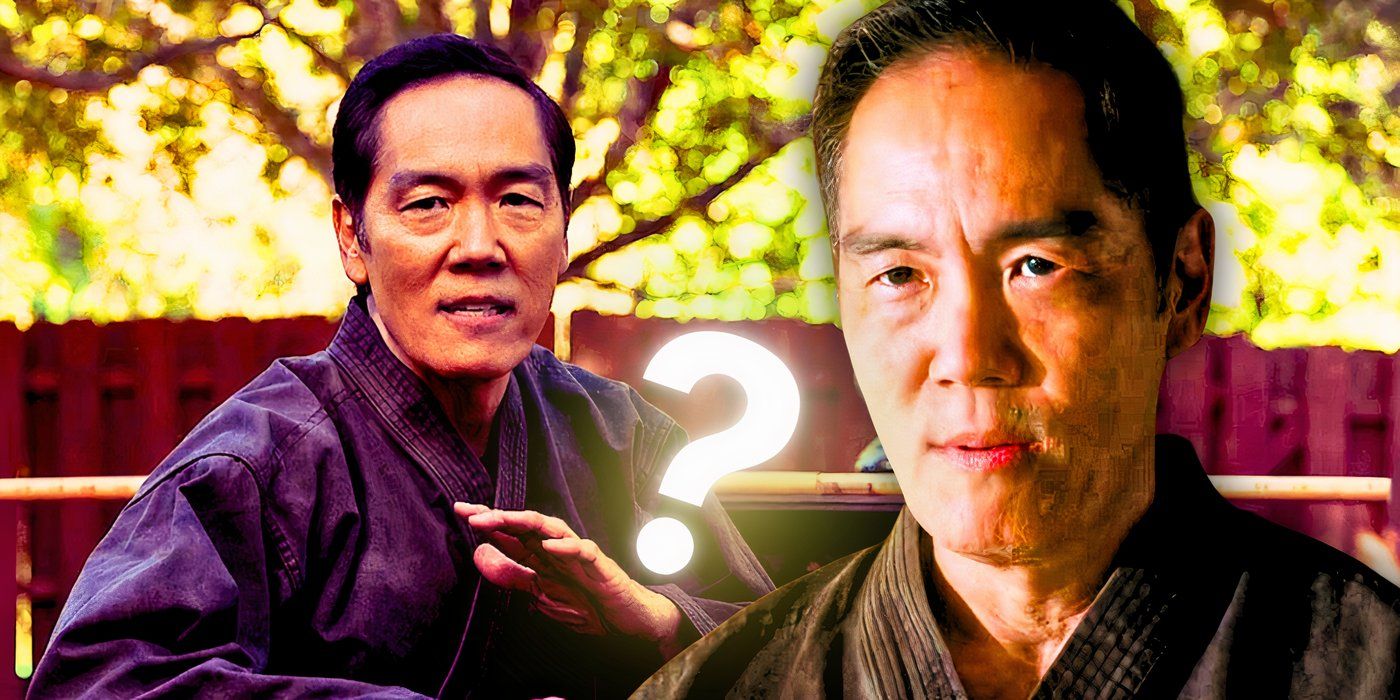
In a world increasingly driven by technological innovation, brand identity, and financial acumen, Chozen’s arc paradoxically underscores the timeless human elements that underpin success and redemption. His story serves as a powerful metaphor for how even deeply entrenched “legacy software” (his past self) can undergo a dramatic “system update,” leading to a more robust and effective “personal operating system.” Through his actions, Chozen doesn’t just teach karate; he demonstrates a sophisticated understanding of reputation management, the financial wisdom of long-term investment in self-improvement, and the strategic deployment of highly specialized skills—all resonating with the core tenets of a modern website focused on Tech, Brand, and Money.
The Redemption Arc: From Antagonist to Ally – A Masterclass in Brand Repositioning
Chozen Toguchi’s initial appearance in The Karate Kid Part II etched him into the collective consciousness as a figure of unyielding malevolence. His brand was defined by aggression, dishonor, and a willingness to fight dirty, culminating in a dramatic showdown with Daniel LaRusso that nearly ended in tragedy. For decades, this was his corporate identity in the franchise’s canon. However, Cobra Kai‘s brilliance lies in its ability to revisit and re-evaluate these established narratives, offering characters like Chozen a chance at profound brand repositioning. His eventual return isn’t just about a character coming back; it’s about a complete overhaul of his public and personal identity, a testament to the power of deliberate transformation.
Revisiting the Past: Okinawa and the Seeds of Change
Chozen’s initial reintroduction in Season 3 of Cobra Kai provides crucial context for his transformation. Daniel’s return to Okinawa prompts a reunion with Chozen, revealing a man who has not only survived his past but has actively worked to atone for it. This isn’t a superficial change; it’s a deep dive into his personal “source code,” debugging years of inherited prejudice and misplaced aggression. We learn that Chozen has taken up his uncle’s mantle, teaching Miyagi-Do karate with a newfound humility and a profound understanding of its defensive philosophy. This period in Okinawa functions as a strategic “reset” for his personal brand.
From a “Tech” perspective, Chozen’s early life was riddled with critical “bugs” – unchecked ego, a sense of entitlement, and a rigid, destructive “programming” inherited from his sensei, Sato. His time away, particularly his reconciliation with Daniel and his dedication to teaching Miyagi-Do, represents a significant “software update.” He embraced “new features” like compassion, mentorship, and self-awareness, effectively patching the vulnerabilities that once led to his downfall. This transformation wasn’t instant; it was the result of persistent “debugging” and a commitment to integrating new ethical “algorithms” into his core being.
From a “Brand” standpoint, Chozen successfully executed a monumental shift from a villainous, destructive brand image to one of wisdom, integrity, and formidable strength harnessed for good. He didn’t just apologize; he demonstrated consistent, positive action, rebuilding his reputation brick by brick. His willingness to guide Daniel, teach him advanced Miyagi-Do techniques like the pressure points, and offer counsel showcased a deliberate effort to pivot from an aggressor to a valuable asset. This brand repositioning wasn’t about erasing his past but rather integrating it into a narrative of growth, showing that even a deeply flawed “product” can be refined and relaunched with renewed purpose and enhanced value.
A New Purpose: Mentorship and Miyagi-Do’s Evolution
Chozen’s full integration into the main storyline in Season 5 cemented his role as a crucial ally against Terry Silver and the encroaching threat of Cobra Kai. Here, his character arc pivots entirely towards mentorship and strategic partnership. He is no longer defined by his antagonism towards Daniel but by his shared commitment to preserving Miyagi-Do’s legacy. This shift represents a significant “investment” in the future of the dojo and its students.
In terms of “Money,” Chozen’s return signifies an invaluable “return on investment” for Daniel and the Miyagi-Do dojo. His knowledge, honed over decades, is a priceless asset. He brings not only superior combat skills but also a deeper philosophical understanding of Miyagi-Do that Daniel, despite his own training, had not fully grasped. This “wealth” of experience and tactical insight pays dividends, providing a crucial advantage against Cobra Kai’s aggressive expansion. Chozen doesn’t demand financial compensation; his “investment” is personal, driven by honor and a desire to right past wrongs. This demonstrates that true value often transcends monetary metrics, found instead in wisdom, loyalty, and shared purpose.
Furthermore, Chozen’s mentorship demonstrates a key aspect of “productivity” in learning environments. He doesn’t just show up; he actively coaches, evaluates, and pushes the students, much like a highly effective productivity tool streamlines complex tasks. He identifies weaknesses, offers precise solutions, and empowers others, enhancing the “output” of the Miyagi-Do trainees significantly. His presence elevates the entire dojo’s capabilities, demonstrating how a seasoned expert can significantly boost collective performance.
The Strategic Mind: Chozen’s Impact on the Cobra Kai Universe
Chozen is not merely a skilled fighter; he is a profound strategist and tactician. His calm demeanor belies a razor-sharp intellect, capable of analyzing situations, anticipating opponents’ moves, and devising countermeasures with remarkable precision. In the escalating dojo wars, Chozen emerges not just as a martial arts master but as a strategic consultant, leveraging his unique experiences and deep understanding of martial principles to navigate complex challenges.
Martial Arts as a System: The Precision of Miyagi-Do
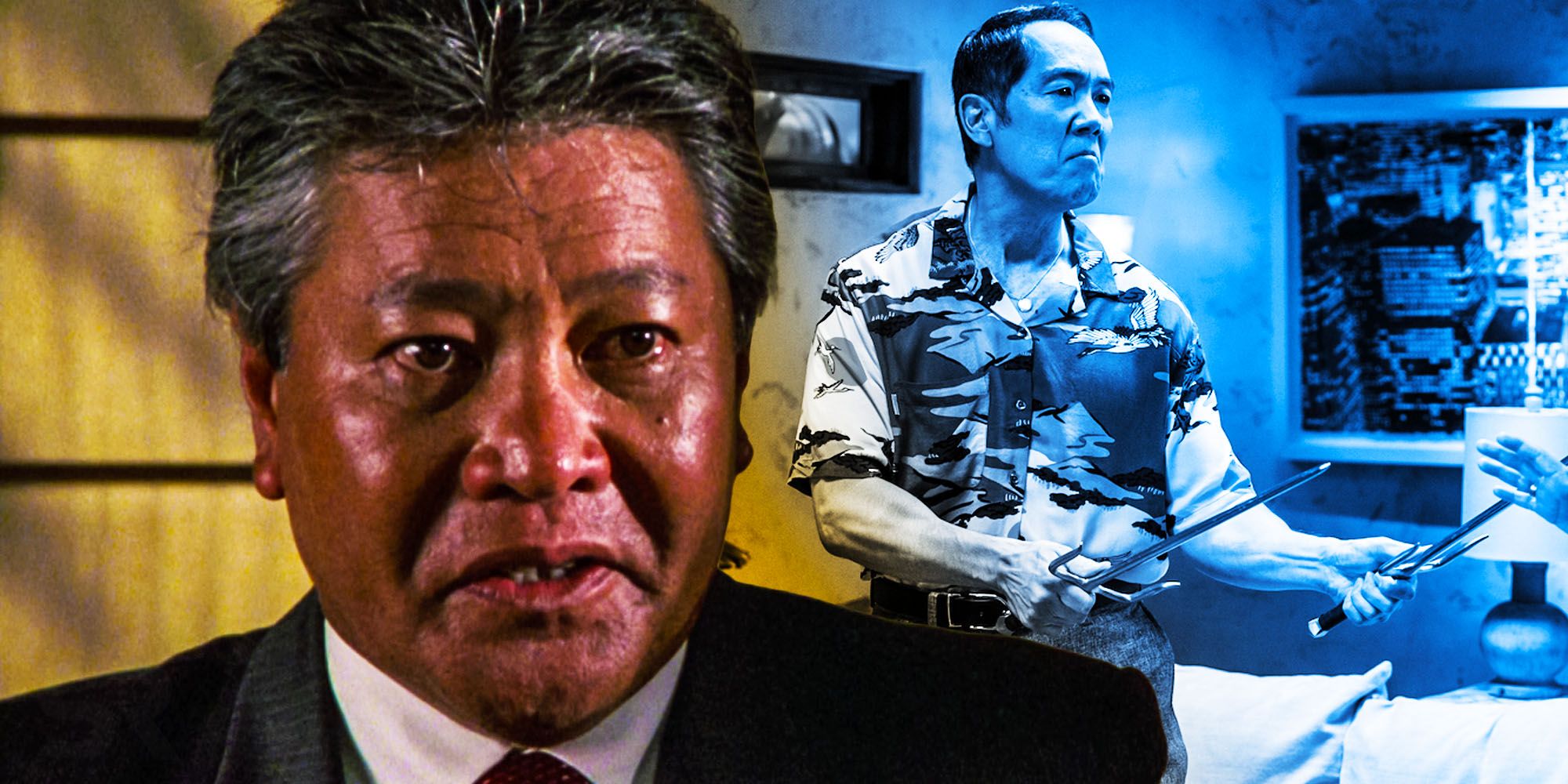
Chozen’s mastery of Miyagi-Do karate isn’t just about physical prowess; it’s about understanding martial arts as a comprehensive “system.” He teaches Daniel techniques like the pressure points, which are akin to exploiting “vulnerabilities” or “backdoors” in an opponent’s physical “operating system.” This level of precision and strategic targeting reflects a “Tech” mindset. Just as a cybersecurity expert understands the intricate code of a system to identify and neutralize threats, Chozen understands the human body’s “code” to disable an opponent non-lethally.
He approaches combat as a series of sophisticated “algorithms” – sequences of moves, counters, and tactical shifts designed for maximum efficiency and minimum waste. His fighting style, while powerful, is also deeply analytical. He observes, processes data (opponent’s movements, weaknesses), and executes precise “solutions.” This strategic approach contrasts sharply with the often-brute-force methods of Cobra Kai, highlighting the difference between a finely tuned, adaptable “software” (Miyagi-Do under Chozen) and a more rigid, aggressive “program” (Cobra Kai).
The Miyagi-Do philosophy, as taught by Chozen, represents an advanced form of “digital security” for the individual. It’s not just about offense; it’s about defense, understanding threats, and having the tools to protect oneself. Chozen’s teachings emphasize not just physical techniques but also mental fortitude and ethical guidelines, forming a comprehensive “security protocol” that extends beyond the dojo mat into daily life. This holistic approach to self-defense mirrors the multifaceted nature of modern digital security, which requires both technological safeguards and mindful user practices.
Navigating the Modern Dojo Wars: A Branding and Reputation Challenge
The ongoing conflict between Miyagi-Do/Eagle Fang and Cobra Kai is fundamentally a “Brand War.” Each dojo represents a distinct corporate identity, philosophy, and marketing strategy. Cobra Kai, under Terry Silver, expands aggressively, utilizing classic “marketing” tactics like high-profile advertisements, celebrity endorsements (Chozen himself, briefly, as part of a ploy), and a clear, albeit morally dubious, brand message of “No Mercy.” Their goal is market dominance, to become the only “product” in the martial arts space.
Chozen’s presence directly counters this “corporate takeover.” He advises Daniel on how to protect their brand—Miyagi-Do’s legacy of balance, honor, and defense—from being overshadowed or corrupted. This involves “reputation management” on a grand scale, combating Cobra Kai’s manipulative tactics and preserving the integrity of their own brand identity. His strategic moves, such as infiltrating Cobra Kai and gathering intelligence, are akin to corporate espionage, designed to disrupt the competitor’s operations and protect their own “market share” of students and influence.
From a “Money” perspective, the dojo wars have real financial implications. A successful dojo attracts students, which translates into income. Cobra Kai’s rapid expansion is a direct investment in market saturation, aiming for profitability. Chozen helps Daniel understand the “cost” of losing their dojo – not just financially, but in terms of losing a legacy and a positive community influence. His actions are an “investment” in the future “financial health” of Miyagi-Do, ensuring it remains a viable and valuable entity. He understands that the “value” of what they teach extends far beyond tuition fees; it’s an investment in character, discipline, and community, all of which have long-term societal “returns.”
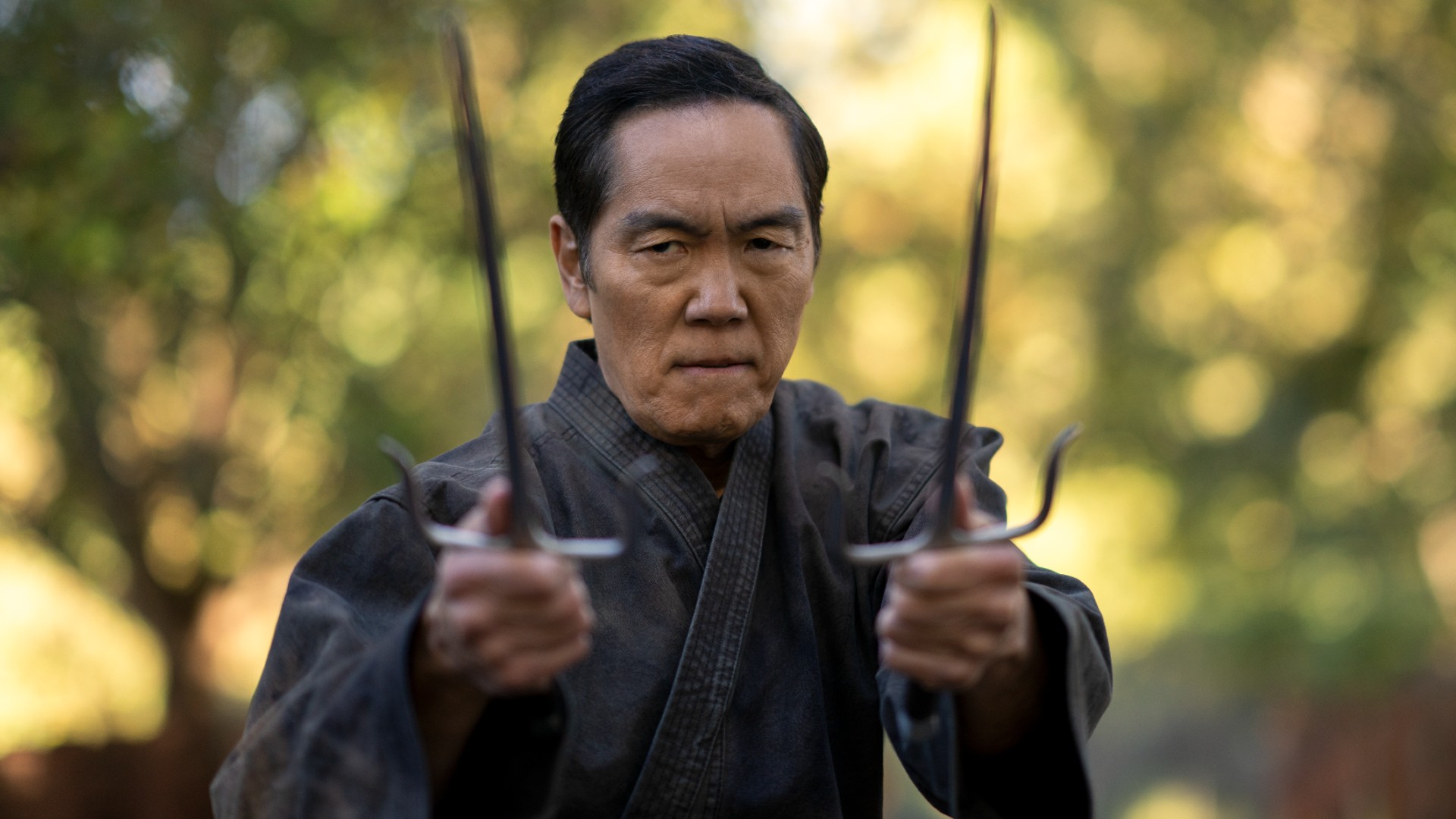
Beyond the Mat: Chozen’s Enduring Legacy and Future Implications
Chozen’s journey in Cobra Kai is more than just a plot device; it’s a testament to the enduring power of personal evolution, the strategic advantage of wisdom, and the long-term value of investing in oneself and others. His character provides a bridge between the past and present, ensuring the legacy of Miyagi-Do karate continues to thrive in an ever-changing world.
The “Return on Investment” of Experience: Wisdom and Mentorship
Chozen’s greatest contribution is perhaps his wisdom, born from a lifetime of both mistakes and triumphs. This accumulated experience is his most valuable “asset.” He has paid the “cost” of arrogance and learned the “value” of humility. This “personal finance” of experience allows him to offer insights and guidance that no amount of pure talent or youthful energy can replicate. His mentorship is a direct “return on investment” from his past struggles, converting negative experiences into positive, actionable knowledge for the next generation.
His approach to teaching is nuanced. He understands that while the “hardware” (physical techniques) is important, the “software” (mindset, discipline, philosophy) is equally critical. He guides his students to not just mimic moves but to understand the principles behind them, fostering independent thought and adaptable skill sets. This mirrors effective “productivity” strategies, where understanding the “why” behind tasks leads to greater efficiency and long-term skill retention. His influence ensures that the students don’t just learn to fight, but learn to think strategically, act honorably, and continuously improve – a sustainable model for personal and martial growth.
Adapting to Change: The Digital Age of Fandom and Franchise Growth
Chozen’s successful integration into Cobra Kai also highlights the broader “Tech” trends in media and entertainment. The show itself is a masterclass in leveraging digital platforms (Netflix) to revitalize a beloved “Brand.” The Karate Kid franchise, once a theatrical phenomenon, found new life in the streaming era, reaching a global audience and generating immense “Money” through subscriptions and merchandise. Characters like Chozen, who resonate deeply with the fanbase, contribute significantly to this success.
The show’s ability to evolve characters like Chozen, offering them rich, complex arcs, keeps the “app” of the franchise feeling fresh and engaging. It demonstrates an understanding of “user engagement” and “content strategy” in the digital age. Fan theories, social media discussions, and viral clips featuring Chozen contribute to the show’s continuous “marketing” and “brand awareness.” This dynamic interaction between content and audience is a hallmark of modern entertainment, where “apps” and “gadgets” (streaming platforms, social media) facilitate unprecedented levels of viewer participation and connection. Chozen’s popularity and meaningful character development are a direct “investment” in the long-term viability and growth of the entire Cobra Kai “brand.”
In conclusion, Chozen Toguchi’s trajectory in Cobra Kai is far more than a simple redemption story. It’s a compelling narrative that, when viewed through the lenses of Tech, Brand, and Money, reveals layers of strategic brilliance, personal evolution, and enduring value. From his dramatic “software update” to his pivotal role in protecting the Miyagi-Do “brand,” Chozen embodies the power of purposeful change. His unwavering commitment to honor, his strategic prowess, and the invaluable wisdom he imparts represent a significant “return on investment” for the entire Cobra Kai universe. As the series continues, Chozen stands as a testament to the idea that even the most complex “legacy systems” can be refined, adapted, and ultimately thrive, proving that true power lies not just in strength, but in the intelligent application of experience, strategy, and an unwavering commitment to one’s renewed brand identity.
aViewFromTheCave is a participant in the Amazon Services LLC Associates Program, an affiliate advertising program designed to provide a means for sites to earn advertising fees by advertising and linking to Amazon.com. Amazon, the Amazon logo, AmazonSupply, and the AmazonSupply logo are trademarks of Amazon.com, Inc. or its affiliates. As an Amazon Associate we earn affiliate commissions from qualifying purchases.