
An ambassador program represents a sophisticated and increasingly vital component of modern brand strategy, moving beyond traditional marketing to cultivate genuine advocacy. At its core, an ambassador program enlists loyal individuals—customers, employees, or passionate community members—to authentically promote a brand, its products, or services. These ambassadors act as trusted extensions of the brand, sharing their positive experiences, insights, and recommendations within their networks, thereby amplifying reach and building credibility in a way that conventional advertising often struggles to achieve. It is a strategic investment in human connection, leveraging the power of word-of-mouth marketing and social proof to foster deeper engagement and loyalty. For brands navigating a crowded marketplace, an ambassador program isn’t merely a tactic; it’s a foundational approach to fortifying identity, enhancing reputation, and driving sustainable growth through authentic endorsement.

The Strategic Imperative of Brand Advocacy
In an era saturated with commercial messaging, consumers have grown increasingly discerning and skeptical of direct advertising. This shift has elevated the importance of brand advocacy, positioning it as a cornerstone of effective brand strategy. An ambassador program capitalizes on this paradigm by formalizing and empowering a brand’s most fervent supporters, transforming passive customers or employees into active proponents. The strategic imperative here lies in recognizing that genuine advocacy cuts through the noise, resonating more powerfully than any paid campaign could.
Beyond Traditional Marketing
Traditional marketing often relies on one-way communication, broadcasting messages to a broad audience. While still relevant, its efficacy in building deep trust has waned. Ambassador programs, by contrast, facilitate a multi-directional dialogue. Ambassadors engage with their peers, answering questions, sharing personal anecdotes, and providing relatable context that static advertisements cannot. This interaction fosters a sense of community and personal connection around the brand, creating an echo chamber of positive sentiment that extends far beyond direct marketing efforts. It shifts the focus from brand-to-consumer messaging to consumer-to-consumer influence, a more potent force in today’s social landscape. Furthermore, it offers a distinct competitive advantage by building a formidable social proof army, making the brand appear more human, accessible, and relatable.
Building Authenticity and Trust
The bedrock of any successful brand ambassador program is authenticity. Consumers are more likely to trust recommendations from people they know or relate to, rather than from brand-controlled advertisements. Ambassadors, by virtue of their independent status and genuine affinity for the brand, lend an unparalleled layer of credibility. When an ambassador shares their personal experience, it is perceived as an honest endorsement, not a sales pitch. This authenticity translates directly into enhanced brand trust, a critical asset in cultivating long-term customer relationships and fostering brand loyalty. In a digital age where misinformation can spread rapidly, having a network of trusted advocates can also serve as a crucial defense, helping to correct narratives and reinforce positive brand perceptions organically. This genuine advocacy builds a powerful and resilient brand image that withstands market fluctuations and competitive pressures.
Anatomy of an Effective Ambassador Program
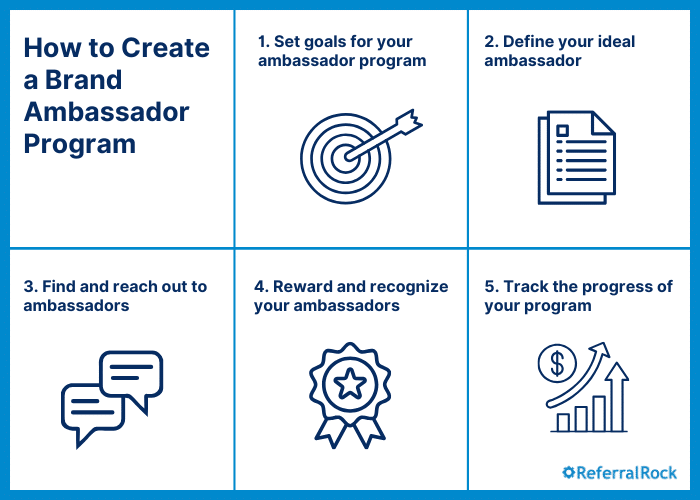
Designing an ambassador program requires meticulous planning and a clear understanding of its strategic role within the broader brand ecosystem. It’s not enough to simply identify enthusiastic individuals; a robust framework is essential to ensure that their efforts align with brand objectives and yield measurable results.
Defining Objectives and KPIs
Before recruiting a single ambassador, a brand must clearly articulate its goals for the program. Is the primary aim to increase brand awareness, drive sales, generate user-generated content, improve customer retention, or gather market insights? Specific, measurable, achievable, relevant, and time-bound (SMART) objectives are paramount. These objectives will inform the selection of Key Performance Indicators (KPIs), which might include metrics such as social media reach and engagement, website traffic referrals, conversion rates, leads generated, brand mentions, sentiment analysis, or the volume and quality of content produced by ambassadors. Without clearly defined objectives and KPIs, measuring the program’s ROI and its contribution to brand equity becomes an impossible task. This initial strategic alignment ensures the program remains focused and valuable.
Identifying and Recruiting the Right Ambassadors
The success of an ambassador program hinges on the quality and authenticity of its participants. The ideal ambassador embodies the brand’s values, uses its products/services genuinely, and possesses an authentic enthusiasm to share their experiences. Recruitment often begins internally with existing loyal customers, engaged social media followers, or passionate employees who already demonstrate natural advocacy. Brands might look for individuals with a strong online presence, a relevant audience, or an established reputation within a niche community. The selection process should go beyond follower counts, prioritizing genuine engagement, content quality, and alignment with the brand’s voice and ethos. Vetting potential ambassadors to ensure their values mirror the brand’s is crucial to maintaining brand integrity and preventing potential reputational risks.
Structuring Incentives and Rewards
While authenticity is key, structured incentives motivate ambassadors and acknowledge their valuable contributions. These incentives needn’t be purely financial; a blend of intrinsic and extrinsic rewards often works best. Financial incentives might include commission on sales, product discounts, gift cards, or exclusive access to new products. Non-monetary rewards can be equally, if not more, powerful: early access to new features or products, exclusive events, recognition on the brand’s social channels, direct access to brand leadership, opportunities for co-creation, or simply the prestige of being associated with a respected brand. The incentive structure should be transparent, fair, and scalable, reflecting the level of effort and impact expected from ambassadors. It should also align with the brand’s overall value proposition and avoid creating an environment where advocacy feels transactional rather than genuine.
Providing Resources and Support
To effectively represent a brand, ambassadors require ongoing support and resources. This includes providing clear guidelines on messaging, brand voice, and legal compliance (e.g., disclosure of sponsored content). Brands should equip ambassadors with content toolkits—high-quality images, videos, product information, and pre-approved messaging examples—to ensure consistency and ease of content creation. Regular communication channels, such as dedicated Slack groups, email newsletters, or online portals, facilitate information sharing and foster a sense of community among ambassadors. Training, whether through webinars or workshops, can empower ambassadors with product knowledge and best practices for content creation and engagement. This sustained support ensures ambassadors feel valued, informed, and equipped to perform their roles effectively, leading to higher quality advocacy and a more cohesive brand message.
Types of Ambassador Programs and Their Impact
Ambassador programs are not monolithic; they can be tailored to specific brand needs and target audiences. Understanding the different models helps brands strategize which approach will yield the most impactful results for their unique objectives.
Customer Ambassador Programs
Perhaps the most common type, customer ambassador programs leverage a brand’s most satisfied customers. These individuals have firsthand experience with the product or service, making their endorsements inherently authentic and trustworthy. They can share testimonials, product reviews, unboxing videos, or participate in case studies, often influencing their personal networks and broader online communities. The impact of customer ambassadors is significant because their advocacy stems from genuine use and satisfaction, directly addressing potential customers’ concerns with real-world proof. This drives organic word-of-mouth, enhances brand credibility, and often leads to higher conversion rates due to the strong social proof. For brands, this program cultivates loyalty and turns customer satisfaction into a powerful marketing asset.
Employee Ambassador Programs
Employees are often a brand’s most underutilized asset. An employee ambassador program empowers staff members to share their insights, company culture, and product knowledge within their professional and personal networks. This can include sharing company news, job openings, or industry expertise on platforms like LinkedIn, or even personal anecdotes about their work experience. The impact is multifaceted: it humanizes the brand, showcasing its values and culture, which aids in recruitment and talent attraction. It also enhances internal morale and cohesion, as employees feel valued as representatives of the brand. Furthermore, employee advocacy significantly boosts brand reach and credibility, as messages from employees are often perceived as more credible than those from corporate accounts, particularly in B2B contexts where professional networks are paramount.
Influencer & Niche Community Programs
While often overlapping with general influencer marketing, an ambassador program focused on influencers or niche communities involves a deeper, more long-term relationship. Instead of one-off sponsored posts, these ambassadors forge an ongoing partnership with the brand, becoming consistent voices within their specialized communities. This can range from micro-influencers with highly engaged niche audiences to thought leaders in a specific industry. The impact lies in targeted reach and deep penetration into specific demographics or interest groups. These ambassadors are often seen as experts by their followers, and their consistent endorsement carries substantial weight. For brands, this means access to highly relevant audiences, increased brand visibility within specific verticals, and the cultivation of a loyal following drawn from the ambassador’s trusted community, often leading to strong brand affinity and conversion among a highly qualified audience.
Measuring Success and Evolving Your Program
An ambassador program is not a set-it-and-forget-it initiative; continuous monitoring, evaluation, and adaptation are critical for its sustained success and maximum impact on brand strategy. Measuring success extends beyond simple metrics to encompass qualitative insights and long-term relationship building.
Quantifying Brand Reach and Engagement
Key to assessing an ambassador program’s effectiveness is quantifying its impact on brand reach and engagement. This involves tracking metrics such as the total audience size of ambassadors’ networks, impressions generated by their content, likes, shares, comments, and mentions across social platforms. Tools for social listening and analytics can help monitor brand sentiment associated with ambassador-generated content. Analyzing website traffic referrals from ambassador links provides insight into their ability to drive interest. High levels of engagement and positive sentiment indicate that ambassadors are effectively resonating with their audiences and amplifying the brand message in a meaningful way, contributing directly to increased brand awareness and perception.
Impact on Sales and Conversions
Ultimately, for many brands, the program’s success is tied to its contribution to the bottom line. Tracking unique discount code redemptions, affiliate link clicks, and direct sales attributed to ambassador efforts provides concrete data on ROI. Monitoring conversion rates from ambassador-driven traffic helps evaluate the quality of the leads and the effectiveness of the advocacy in prompting purchasing decisions. It’s crucial to implement robust attribution models to accurately credit ambassadors for sales, recognizing that their influence may sometimes be indirect, contributing to earlier stages of the customer journey. Demonstrating a clear correlation between ambassador activities and sales validates the program’s commercial value within the broader marketing mix.
Fostering Long-Term Relationships
Beyond immediate metrics, the true long-term value of an ambassador program lies in cultivating enduring relationships. Regular communication, providing exclusive opportunities, and genuinely listening to ambassador feedback are vital. A program that fosters a strong sense of community and loyalty among its ambassadors ensures continued advocacy. Happy, engaged ambassadors are more likely to remain committed to the brand, becoming lifelong advocates who not only promote products but also serve as valuable sources of market insights and constructive feedback. This symbiotic relationship strengthens the brand’s identity and resilience over time.

Iteration and Optimization
No program is perfect from its inception. Consistent evaluation of objectives, ambassador performance, incentive structures, and support resources is necessary for optimization. Analyzing what content performs best, identifying top-performing ambassadors, and understanding which channels yield the greatest impact allows brands to refine their strategies. Gathering feedback from ambassadors themselves can provide invaluable insights for improvement. Iterating on the program—adjusting incentives, refining recruitment criteria, enhancing support, or experimenting with new content formats—ensures it remains dynamic, relevant, and continually aligned with evolving brand objectives and market conditions, maximizing its strategic contribution to the brand’s enduring success.
aViewFromTheCave is a participant in the Amazon Services LLC Associates Program, an affiliate advertising program designed to provide a means for sites to earn advertising fees by advertising and linking to Amazon.com. Amazon, the Amazon logo, AmazonSupply, and the AmazonSupply logo are trademarks of Amazon.com, Inc. or its affiliates. As an Amazon Associate we earn affiliate commissions from qualifying purchases.