
Ambulatory referral, in the simplest terms, is the process by which a patient is directed from one healthcare provider to another for outpatient services. This typically involves a primary care physician (PCP) recommending a specialist, diagnostic service, or therapy that does not require an overnight hospital stay. While seemingly a straightforward administrative process, the robust management and understanding of ambulatory referrals are profoundly intertwined with the financial health and operational efficiency of healthcare organizations, making it a critical area within business finance in the healthcare sector.
The Financial Imperative of Ambulatory Care
The shift towards ambulatory care is not merely a clinical preference but a significant financial strategy driven by both payers and providers. As healthcare costs continue to escalate, outpatient settings offer a more cost-effective alternative to inpatient hospitalization for a vast array of medical needs. Understanding and optimizing the ambulatory referral process is therefore central to a sustainable financial model for any healthcare entity.

Cost Efficiency and Resource Allocation
One of the primary financial drivers behind the emphasis on ambulatory care and its referral pathways is cost efficiency. Outpatient procedures and consultations inherently carry lower overheads compared to inpatient services, which necessitate beds, round-the-clock nursing, and extensive facility support. An effective ambulatory referral system ensures that patients receive care in the most appropriate, least restrictive, and most economical setting. For health systems, this translates directly into reduced operational expenses and optimized resource allocation. For instance, referring a patient to an outpatient imaging center for an MRI instead of performing it within an expensive inpatient facility can save thousands. Moreover, managing referrals proactively can prevent unnecessary emergency room visits or hospital admissions, which are notoriously costly. Financial planners in healthcare constantly analyze referral patterns to identify bottlenecks or inefficiencies that might be leading to suboptimal care settings and, consequently, higher costs.
Patient Experience and Retention as Financial Assets
While often viewed through a clinical lens, patient experience and retention are undeniable financial assets. A seamless and efficient ambulatory referral process significantly enhances patient satisfaction. When patients experience minimal delays, clear communication, and feel confident in the referral choices made by their providers, it fosters trust and loyalty. From a business finance perspective, patient loyalty translates into repeat business, positive word-of-mouth referrals (distinct from medical referrals but equally valuable), and a reduced likelihood of patients seeking care elsewhere. High patient retention rates contribute directly to a stable revenue stream and reduce marketing costs associated with acquiring new patients. Conversely, a poor referral experience—such as long wait times, confusing administrative hurdles, or inadequate follow-up—can lead to patient churn, directly impacting the bottom line. Financial modeling for healthcare providers often incorporates patient satisfaction metrics as key performance indicators (KPIs) influencing long-term profitability.
Navigating the Revenue Cycle with Referrals
The ambulatory referral process is a critical juncture in the healthcare revenue cycle. From the initial referral generation to claims submission and reimbursement, each step has significant financial implications. Effective management of this cycle is paramount to ensuring that services rendered translate into timely and accurate payments.
Payer Relations and Reimbursement Models
Ambulatory referrals are intricately linked to payer relations and the complex landscape of reimbursement models. Many insurance plans, particularly managed care organizations, require a primary care physician’s referral for specialist visits or specific diagnostic tests to be covered. Failure to secure the necessary referral authorization can result in claim denials, leading to uncompensated care or costly appeals processes. Healthcare organizations must invest in robust administrative processes and “financial tools”—often integrated into electronic health records (EHR) or practice management systems—to track referral statuses, verify insurance eligibility, and obtain prior authorizations efficiently. Furthermore, with the ongoing shift towards value-based care models, reimbursement is increasingly tied to quality outcomes and cost-effectiveness. Efficient ambulatory referrals, which guide patients to high-performing specialists and appropriate care settings, can directly impact a provider’s ability to meet quality metrics and secure performance-based payments, thereby enhancing financial viability.
Preventing Revenue Leakage
Revenue leakage, the loss of potential income due to inefficient processes or errors, is a pervasive challenge in healthcare. The ambulatory referral pathway is a common area where significant leakage can occur. This includes:
- Uncaptured referrals: Referrals made but not tracked, leading to lost follow-up opportunities and potentially lost revenue for the health system if the patient seeks care elsewhere.
- Authorization failures: Services provided without proper pre-authorization, resulting in denied claims.
- Coding errors: Incorrect coding for referred services, leading to underpayment or rejections.
- Patient leakage: Patients referred to an outside specialist when an equally qualified specialist is available within the referring health system, diverting revenue.

Implementing robust referral management software, staff training on authorization protocols, and continuous auditing of referral processes are critical financial tools to plug these leaks. For integrated health systems, ensuring “in-network” referrals to affiliated specialists is a key strategy to retain revenue within the system and maximize financial returns on their physician networks and facilities.
Strategic Financial Planning Through Referral Management
Beyond day-to-day operations, the strategic management of ambulatory referrals offers profound opportunities for long-term financial planning and market positioning. Healthcare executives leverage referral data to make informed decisions about resource allocation, service expansion, and competitive strategy.
Data Analytics for Financial Optimization
Advanced data analytics is transforming how healthcare organizations approach referral management from a financial perspective. By analyzing referral patterns, sources, destinations, conversion rates, and associated costs/revenues, finance teams can gain invaluable insights. This includes identifying high-volume referral sources, understanding which specialties are in highest demand, and pinpointing areas where referral leakage is most prevalent. For example, if data reveals a significant outbound referral trend for a specific service that could be profitably offered internally, it signals an opportunity for strategic investment in new equipment or physician recruitment. Financial tools like predictive analytics can even forecast future referral volumes, aiding in staffing, capacity planning, and capital expenditure decisions. This data-driven approach to referral management is crucial for optimizing financial performance and ensuring that investments align with patient needs and market demand.
Investing in Referral Infrastructure
Recognizing the financial impact of ambulatory referrals, many organizations are making strategic investments in their referral infrastructure. This includes implementing specialized referral management software that integrates with EHRs, automating authorization processes, and developing centralized referral centers. While these investments represent upfront costs, they are considered essential financial tools for enhancing efficiency, reducing administrative burden, minimizing errors, and ultimately improving the revenue cycle. A well-designed referral infrastructure not only streamlines the patient journey but also provides real-time data for financial monitoring and strategic adjustments. Furthermore, investing in strong relationships with referring providers, through dedicated liaison programs, is an indirect but powerful financial strategy, fostering loyalty and driving valuable inbound referrals.
Future Trends: Financial Innovations in Referral Pathways
The landscape of healthcare finance is constantly evolving, and ambulatory referral pathways are no exception. Emerging trends point towards greater integration, value-based models, and technology-driven solutions, all with significant financial implications.
Value-Based Care and Risk-Sharing
The ongoing transition from fee-for-service to value-based care models fundamentally alters the financial incentives surrounding ambulatory referrals. In these models, providers are rewarded for achieving positive patient outcomes and managing costs effectively. This means referrals are no longer just about volume but about directing patients to the right specialist at the right time to achieve the best outcome with the most efficient use of resources. Healthcare organizations entering into risk-sharing agreements with payers must meticulously manage referral networks to ensure patients receive high-quality, cost-effective care. Poor referral choices can directly impact shared savings or even lead to financial penalties, underscoring the critical financial role of strategic referral management in this evolving paradigm.
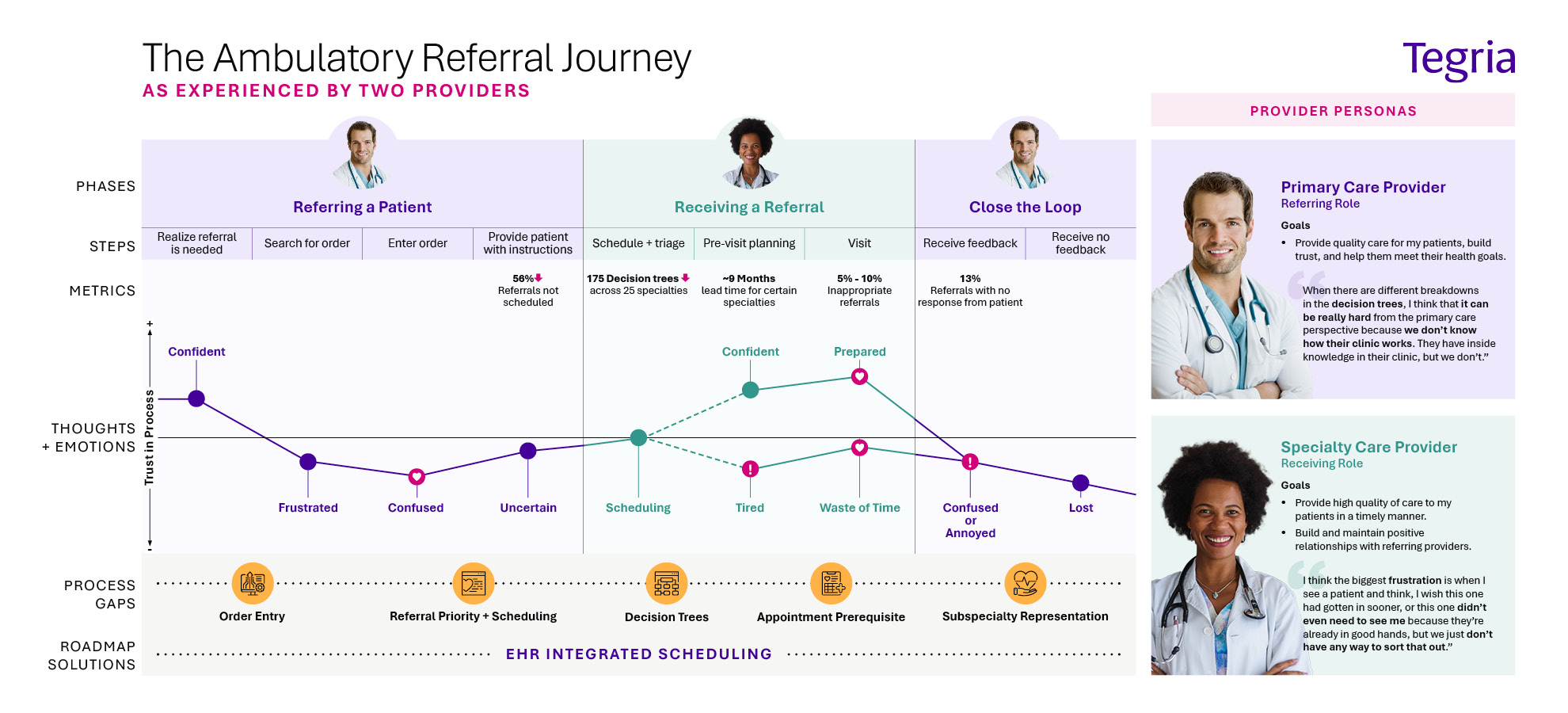
Technology’s Role in Financial Streamlining
While not a “tech” article per se, the financial category recognizes technology as a powerful tool for financial streamlining. Future innovations in ambulatory referral management will heavily rely on digital solutions. This includes AI-powered referral platforms that match patients to specialists based on clinical need, insurance coverage, and provider availability, optimizing both patient experience and revenue. Blockchain technology could offer secure, transparent, and immutable records of referrals and authorizations, reducing administrative overhead and disputes. Telehealth platforms are already expanding the reach of ambulatory care, allowing for virtual consultations that bypass geographical barriers and reduce facility costs, thereby optimizing resource utilization and enhancing financial accessibility for patients. These technological advancements, when strategically implemented, serve as crucial financial tools for healthcare organizations aiming to reduce costs, increase revenue, and thrive in a competitive market.
In conclusion, “what is ambulatory referral” extends far beyond a simple medical definition. It represents a cornerstone of healthcare business finance, impacting everything from daily operational costs and revenue cycle integrity to long-term strategic planning and market competitiveness. Effective management of these referral pathways is not merely good practice; it is an indispensable financial imperative for sustainable success in the modern healthcare economy.
aViewFromTheCave is a participant in the Amazon Services LLC Associates Program, an affiliate advertising program designed to provide a means for sites to earn advertising fees by advertising and linking to Amazon.com. Amazon, the Amazon logo, AmazonSupply, and the AmazonSupply logo are trademarks of Amazon.com, Inc. or its affiliates. As an Amazon Associate we earn affiliate commissions from qualifying purchases.