
The Core of Modern Construction: Defining the Universal Beam
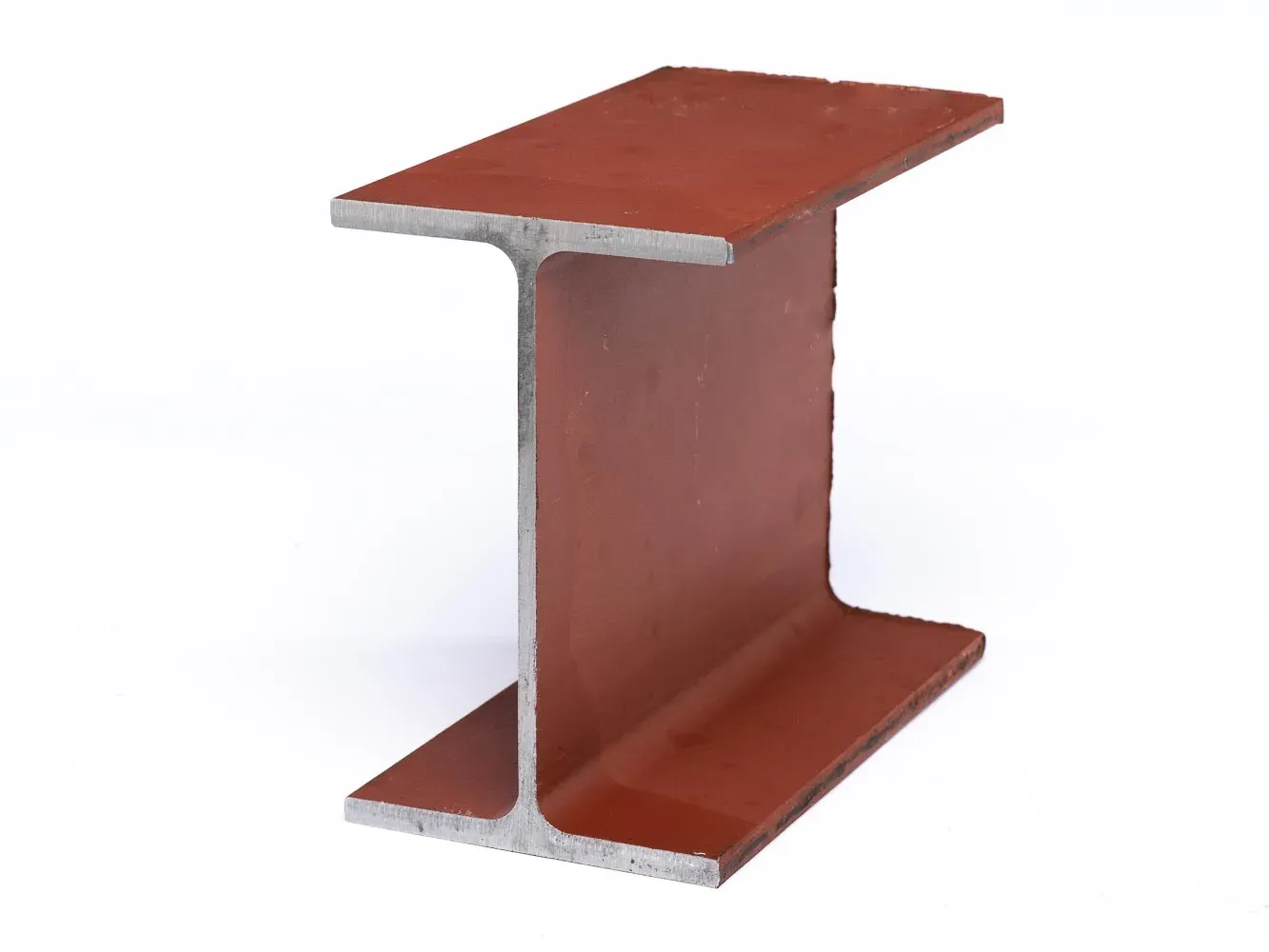
A universal beam, often abbreviated as UB, is a ubiquitous structural steel section critical to a vast array of modern construction projects, from towering skyscrapers and expansive bridges to industrial facilities and residential frameworks. At its essence, a universal beam is characterized by its distinctive “I” or “H” shaped cross-section, featuring a central web connecting two parallel flanges. This profile is engineered to provide an optimal strength-to-weight ratio, making it incredibly efficient in resisting bending moments and shear forces.
The unique geometry of a UB allows for significant structural performance with a relatively modest material volume. The wide flanges are particularly effective at resisting bending, while the web primarily resists shear stress. This distribution of material minimizes deformation under load, ensuring the stability and integrity of structures. Universal beams are typically manufactured from hot-rolled structural steel, a material renowned for its high tensile strength, ductility, and weldability, making it ideal for robust and adaptable construction. Their standardized dimensions and properties facilitate ease of design and construction, enabling engineers to precisely calculate their load-bearing capabilities and integrate them into complex structural systems with confidence.

Anatomy and Nomenclature: The “I” Profile Unpacked
Understanding the anatomy of a universal beam is key to appreciating its structural efficiency. The “I” or “H” shape comprises three primary components:
- Flanges: These are the two horizontal plates that form the top and bottom of the beam. They are the primary elements that resist bending moments. In UBs, the flanges are typically parallel and have a constant thickness across their width, a characteristic that differentiates them from some older “I-beam” types with tapered flanges.
- Web: This is the vertical plate connecting the two flanges. The web’s primary function is to resist shear forces and to maintain the separation of the flanges, thus enabling them to effectively resist bending.
- Fillet/Radius: The curved transition zone where the web meets the flanges. This radius helps to distribute stress concentrations and improve the overall structural integrity of the section.
The naming convention for universal beams often follows a pattern like “406 x 178 x 60 UB,” where 406 indicates the nominal depth (in millimeters), 178 the flange width, and 60 the mass per meter (in kilograms). This standardized nomenclature, often governed by national and international standards (e.g., Eurocode, AISC), is crucial for precise specification and digital inventory management.
Key Characteristics and Structural Role
The effectiveness of universal beams stems from several key characteristics:
- High Strength-to-Weight Ratio: The optimized I-section minimizes the amount of material required to achieve a given strength, leading to lighter structures and reduced foundation costs.
- Versatility: UBs can be used as beams, columns, or even in composite construction with concrete slabs, offering significant flexibility in structural design.
- Durability and Resilience: Made from high-grade structural steel, UBs exhibit excellent resistance to corrosion (when properly treated), fire (with protective coatings), and seismic activity.
- Predictable Performance: The consistent mechanical properties and standardized dimensions of steel UBs allow for highly accurate engineering calculations and performance predictions.
Material Science: High-Strength Steel and Metallurgy
The performance of a universal beam is intrinsically linked to the material science of its steel. Modern universal beams are typically produced from high-strength low-alloy (HSLA) steels. These steels are engineered through precise alloying and controlled rolling processes to achieve superior mechanical properties. Key metallurgical advancements include:
- Micro-alloying: Incorporating small amounts of elements like niobium, vanadium, or titanium enhances grain refinement and precipitation strengthening, significantly increasing yield strength and toughness without compromising ductility.
- Thermomechanical Controlled Processing (TMCP): This advanced hot rolling technique precisely controls temperature and deformation during rolling. TMCP refines the microstructure, leading to a finer grain structure and improved strength, toughness, and weldability compared to conventional hot rolling. This technology ensures uniform properties throughout the beam section.
- Enhanced Weldability: Advances in steel chemistry have resulted in steels with lower carbon equivalents, which improve weldability, reducing the need for extensive preheating and post-weld heat treatment, thus streamlining fabrication processes and enhancing structural integrity at joints.
These material science innovations are fundamental to the “universal” nature of these beams, allowing them to be lighter, stronger, and more reliable, extending their application across increasingly demanding structural challenges.
Technological Revolution in Universal Beam Design and Analysis
The design and analysis of universal beams have been profoundly transformed by digital technologies, moving from laborious manual calculations to sophisticated computational methods. These advancements enhance precision, optimize material usage, accelerate design cycles, and improve the safety and efficiency of construction projects.
Computer-Aided Design (CAD) for Precision
Computer-Aided Design (CAD) software is foundational to modern structural engineering. For universal beams, CAD systems allow engineers to create highly detailed 2D drawings and 3D models with unparalleled precision.
- Accurate Modeling: CAD platforms enable the exact representation of beam geometry, connections, and placement within a larger structural framework. This precision is critical for ensuring proper fit-up during fabrication and erection.
- Parametric Design: Many CAD systems offer parametric capabilities, allowing engineers to easily modify beam dimensions and instantly update related drawings and analyses. This flexibility is invaluable during design iteration and optimization.
- Clash Detection: By integrating universal beam models with other building components (e.g., MEP systems, architectural elements), CAD can perform automated clash detection, identifying potential interferences before construction begins. This reduces costly on-site rework.
- Data Exchange: CAD models serve as a central repository for geometric and material data, facilitating seamless exchange with other software tools for analysis, manufacturing, and project management.
Finite Element Analysis (FEA) and Structural Simulation
Finite Element Analysis (FEA) is a powerful computational method that allows engineers to predict the behavior of universal beams under various loading conditions with high accuracy.
- Detailed Stress Analysis: FEA software divides the beam into a multitude of small elements (finite elements) and applies mathematical equations to each, solving for stress, strain, and displacement. This provides a granular understanding of how forces are distributed throughout the beam’s cross-section, identifying critical stress points.
- Load Case Simulation: Engineers can simulate a wide range of load scenarios, including dead loads, live loads, wind loads, seismic loads, and thermal expansion. This enables comprehensive assessment of a beam’s performance under extreme or unusual conditions.
- Optimization of Profiles: By simulating different beam profiles and material thicknesses, FEA helps engineers optimize designs to minimize material usage while meeting strength and stiffness requirements, contributing to both cost-efficiency and sustainability.
- Non-linear Analysis: Advanced FEA can model non-linear material behavior (e.g., plasticity of steel under extreme load) and geometric non-linearity (e.g., large deformations), providing a more realistic prediction of a beam’s ultimate load capacity and failure modes.

Building Information Modeling (BIM) Integration
Building Information Modeling (BIM) represents a paradigm shift in construction project management, integrating universal beams into a comprehensive digital model that encompasses all aspects of a building’s lifecycle.
- Digital Twin: BIM creates an intelligent 3D model that acts as a digital twin of the physical structure. Each universal beam in the model carries rich data, including its specific dimensions, material properties, manufacturer, cost, and even installation schedule.
- Collaboration and Coordination: BIM platforms facilitate real-time collaboration among architects, structural engineers, fabricators, and contractors. Changes made to a beam in the model are instantly visible to all stakeholders, ensuring coordinated decision-making.
- Lifecycle Management: Beyond design and construction, BIM models can be used for facilities management, tracking the performance, maintenance schedules, and eventual decommissioning or recycling of universal beams, contributing to a circular economy approach.
- Automated Scheduling and Costing: The data-rich nature of BIM allows for automated generation of material take-offs, fabrication schedules, and cost estimates for all universal beams required in a project, significantly improving project planning and financial control.
Advanced Manufacturing and Fabrication Technologies
The journey of a universal beam from raw steel to installed structural element involves highly advanced manufacturing and fabrication technologies that prioritize precision, efficiency, and quality.
Automated Rolling Mills and Production Efficiency
The initial creation of universal beams takes place in large, sophisticated rolling mills.
- Continuous Casting and Hot Rolling: Molten steel is continuously cast into large slabs or blooms, which are then heated and passed through a series of massive rolling stands. These stands progressively reduce the cross-section and shape the steel into the desired UB profile.
- Precision Control Systems: Modern rolling mills utilize advanced sensor technology and automated control systems to monitor and adjust critical parameters like temperature, rolling speed, and pressure. This ensures extremely tight tolerances on dimensions, straightness, and surface finish, leading to higher quality and more consistent beams.
- Energy Efficiency: Technological improvements in reheating furnaces, heat recovery systems, and rolling processes have significantly reduced the energy consumption per ton of steel produced, contributing to greener manufacturing.
- Material Tracking: Digital tracking systems monitor each beam throughout the production process, capturing data on its specific melt, rolling parameters, and quality checks. This provides end-to-end traceability for quality assurance.
Robotic Fabrication and Welding
Once universal beams arrive at the fabrication shop, robotic technologies play a crucial role in preparing them for assembly.
- Automated Cutting and Drilling: CNC (Computer Numerical Control) machines, often equipped with plasma, laser, or oxy-fuel cutting systems, precisely cut beams to length and drill holes for connections. These machines interpret data directly from CAD models, eliminating manual errors and significantly speeding up the process.
- Robotic Welding: For complex connections, such as splicing beams or adding stiffeners, robotic welding systems offer superior accuracy, consistency, and speed compared to manual welding. Robots can execute multi-pass welds with precise control over parameters like travel speed, wire feed rate, and arc voltage, ensuring high-quality, defect-free welds.
- Automated Material Handling: Robotic arms and automated gantry systems handle and position heavy universal beams, improving worker safety, reducing physical strain, and optimizing workflow efficiency within the fabrication plant.
Non-Destructive Testing (NDT) for Quality Assurance
Ensuring the integrity of universal beams and their connections is paramount. Non-destructive testing (NDT) technologies play a critical role in quality assurance.
- Ultrasonic Testing (UT): UT uses high-frequency sound waves to detect internal flaws, such as cracks, voids, or laminations within the steel or welds, without damaging the material. Automated UT systems can rapidly scan large sections of beams.
- Magnetic Particle Testing (MPT): MPT is used to detect surface and near-surface discontinuities in ferromagnetic materials. A magnetic field is applied, and fine iron particles are sprinkled on the surface; any flaws distort the magnetic field, causing the particles to gather and reveal the defect.
- Radiographic Testing (RT): RT employs X-rays or gamma rays to image the internal structure of welds or critical sections of beams, revealing flaws like porosity, slag inclusions, or lack of fusion. Digital radiography has replaced film, offering faster results and easier data management.
- Phased Array Ultrasonic Testing (PAUT): An advanced form of UT, PAUT uses multiple ultrasonic elements that can be pulsed independently. This allows for dynamic beam steering and focusing, providing more detailed imaging and defect characterization, especially in complex geometries or thick sections.
Digital Tools and Future Trends in Beam Application
The integration of digital tools continues to evolve, enhancing the entire lifecycle of universal beams, from initial selection to long-term performance monitoring and sustainable reuse.
Software for Beam Selection and Optimization
Beyond CAD and FEA, a range of specialized software tools assists engineers in the practical application and optimization of universal beams.
- Structural Design Software: Programs like STAAD.Pro, ETABS, and SAP2000 allow engineers to model entire structures, apply loads, and analyze the performance of individual universal beams and their interactions within the system. These tools often include databases of standard beam sections, simplifying selection.
- Beam Calculator Apps and Online Tools: Numerous applications and web-based platforms offer quick calculations for deflection, bending moments, and shear forces for simply supported or cantilevered beams, serving as invaluable aids for preliminary design and verification.
- Material Selection and Cost Optimization Tools: Software that integrates material properties with cost data enables engineers to select the most economical universal beam section that meets all structural requirements, taking into account factors like steel grade, section size, and fabrication complexity.
AI and Machine Learning in Structural Engineering
Artificial intelligence (AI) and machine learning (ML) are emerging as transformative technologies in the design and application of universal beams.
- Generative Design: AI algorithms can explore thousands of design permutations for structural elements, including beam profiles and arrangements, to identify optimal solutions that might not be intuitively obvious to human engineers. This can lead to unprecedented material efficiency and novel structural forms.
- Predictive Maintenance: By analyzing data from sensors embedded in structures, AI models can predict the onset of fatigue or damage in universal beams, allowing for proactive maintenance and extending the lifespan of infrastructure.
- Automated Code Compliance Checks: ML models can be trained on extensive building codes and standards to automatically verify that beam designs comply with regulatory requirements, significantly reducing design review times and errors.
- Optimized Construction Scheduling: AI can analyze project constraints, resource availability, and the sequence of beam installation to generate highly optimized construction schedules, minimizing delays and costs.
Sustainable Technology and Universal Beams
Sustainability is a growing imperative in construction, and technology is playing a pivotal role in making universal beams more environmentally friendly.
- Recycled Content Tracking: Digital platforms are used to track the percentage of recycled content in steel universal beams, supporting green building certifications and promoting the circular economy. Steel is one of the most recycled materials globally.
- Low-Carbon Manufacturing Processes: Technological advancements in steelmaking, such as electric arc furnaces (EAFs) powered by renewable energy and carbon capture technologies, are significantly reducing the carbon footprint of universal beam production.
- Smart Sensors for Performance Monitoring: Integrating sensors into universal beams can provide real-time data on stress, strain, temperature, and corrosion levels. This data helps optimize structural performance, identify areas for improvement, and inform decisions about reuse or recycling at the end of a structure’s life.
- Digital Material Passports: These digital records provide comprehensive information about a beam’s origin, composition, performance history, and potential for reuse or recycling, facilitating its reincorporation into future construction projects.
The universal beam, while a seemingly simple structural element, is a testament to continuous innovation in material science, design tools, manufacturing processes, and digital management. Its continued evolution, driven by technological advancements, ensures its enduring role as a cornerstone of resilient, efficient, and sustainable construction worldwide.
aViewFromTheCave is a participant in the Amazon Services LLC Associates Program, an affiliate advertising program designed to provide a means for sites to earn advertising fees by advertising and linking to Amazon.com. Amazon, the Amazon logo, AmazonSupply, and the AmazonSupply logo are trademarks of Amazon.com, Inc. or its affiliates. As an Amazon Associate we earn affiliate commissions from qualifying purchases.