
In the intricate world of Japanese cuisine, precision, artistry, and tradition converge to create experiences that transcend mere sustenance. At the heart of this delicate ecosystem is the sushi chef, a figure whose role is defined not just by skill but by a profound commitment to mastery. Understanding what a sushi chef is called goes beyond simple nomenclature; it delves into the very essence of professional identity, personal branding, and the profound cultural equity embedded in a specialized craft. The title a sushi chef holds is a powerful component of their personal brand, shaping perception, signaling expertise, and communicating a legacy of dedication.
The Esteemed Title: Itamae and Beyond
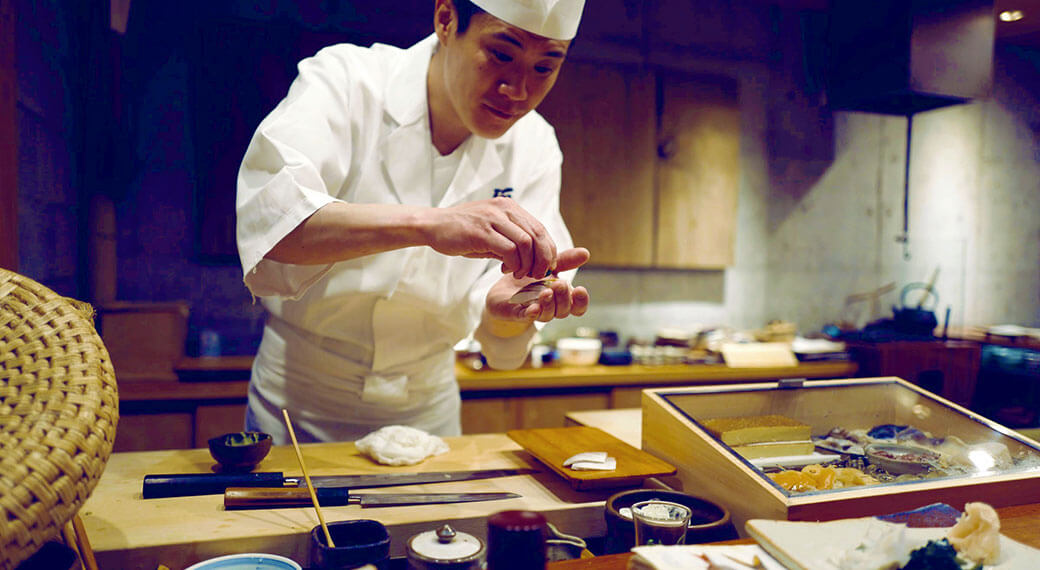
The most recognized and respected title for a master sushi chef in Japan is Itamae (板前). This term is far more than a job title; it is an honorific that signifies extensive training, profound skill, and a deep understanding of the art of sushi. Breaking down the kanji, “ita” (板) means “board,” referring to the cutting board, and “mae” (前) means “in front.” Thus, “Itamae” literally translates to “in front of the board,” symbolizing the chef’s prominent position and mastery over their workspace.
The term Itamae carries immense weight, reflecting years of arduous apprenticeship and an unwavering dedication to the craft. It’s a title that is earned, not simply given, and it serves as a powerful cornerstone of a chef’s professional identity and personal brand. For customers, encountering an Itamae signifies an expectation of authenticity, quality, and an elevated dining experience. This perception is a critical aspect of how a restaurant can brand itself through its culinary talent. Beyond Itamae, other terms might be used in a broader context:
- Shokunin (職人): This term broadly refers to an artisan or craftsman, someone who has dedicated their life to mastering a specific craft, often implying a spiritual dimension to their work. While not exclusively for sushi chefs, a true Itamae is undeniably a shokunin, embodying the spirit of continuous improvement and pursuit of perfection.
- Sushi-ko (寿司子): A more general term for someone who makes sushi, often used for those still in training or without the full mastery of an Itamae. This distinction highlights the hierarchical nature of the culinary world and the journey one must undertake to earn the more prestigious titles.
- Wakiita (脇板): Meaning “next to the board,” this refers to an apprentice or assistant chef, often tasked with preparing ingredients or learning through observation. Their position, both literally and figuratively, underscores the path they must traverse to achieve the brand recognition and respect associated with an Itamae.
The nuanced usage of these titles within Japanese culinary culture provides a robust framework for professional branding, clearly delineating levels of expertise and experience, and setting clear expectations for both peers and patrons.
The Brand Narrative of Mastery: Apprenticeship and Dedication
The journey to becoming an Itamae is a powerful brand narrative in itself, a testament to discipline, patience, and an unwavering pursuit of perfection. Unlike many other culinary paths, the training for a sushi chef is traditionally a multi-year apprenticeship, often spanning a decade or more. This long and rigorous process is fundamental to the chef’s personal brand, imbuing their eventual title with authenticity and deep respect.
The Stages of Earning the Title
A typical apprenticeship unfolds in distinct phases, each contributing to the chef’s developing brand equity:

- Mizuhanare (水放れ – Separation from Water): The initial stages often involve menial tasks, such as cleaning the kitchen, washing dishes, and preparing rice. While seemingly disconnected from sushi-making, these tasks instill humility, discipline, and an understanding of the kitchen’s foundational elements. It’s about earning the right to be in the space, establishing a baseline level of commitment.
- Rice Preparation and Fish Handling: As apprentices progress, they learn the crucial art of perfecting sushi rice—its texture, temperature, and seasoning—and the delicate techniques of handling and cutting fish. This phase is critical, as the quality of these core ingredients directly impacts the final product and, by extension, the chef’s emerging reputation. Mastering these skills is akin to building the core competencies that define a brand’s promise.
- Customer Interaction and The Itamae’s Bench: Only after years of meticulous practice and demonstrating exceptional skill are apprentices granted the privilege of working in front of customers. This pivotal moment signifies their ascension to the rank of Itamae. It’s a public validation of their expertise, a critical step in solidifying their personal brand and professional standing. The Itamae’s bench becomes their stage, where their performance, artistry, and direct interaction with customers further cement their unique identity.
Each step in this journey contributes to the Itamae’s story, forming a compelling brand narrative that speaks volumes about their commitment and the depth of their expertise. For a restaurant, promoting the lineage and training of its Itamae becomes a powerful marketing tool, a way to assure customers of an unparalleled dining experience.
Building a Personal Brand: Beyond the Title
While “Itamae” is a powerful foundational title, a sushi chef’s personal brand extends far beyond this designation. In an increasingly global and competitive culinary landscape, a chef’s unique style, philosophy, and reputation become distinguishing factors.
Signature Style and Craftsmanship
Every accomplished Itamae develops a signature style, a unique touch that makes their sushi recognizable. This might manifest in:
- Nigiri shaping: The subtle pressure applied, the precise amount of rice, the balance of fish to rice.
- Ingredient sourcing: A commitment to specific local purveyors or exotic, seasonal ingredients.
- Flavor profiles: Unique marinades, innovative pairings, or a purist approach that highlights natural flavors.
- Presentation: The aesthetic arrangement, the choice of plateware, and the overall visual appeal.
These individual elements collectively form the chef’s distinctive brand identity, differentiating them in a market saturated with culinary options. This individuality is what draws discerning customers who seek not just sushi, but that chef’s sushi.
Reputation and Word-of-Mouth
In the world of fine dining, reputation is paramount, and for a sushi chef, it is meticulously built through consistent performance, unwavering quality, and exceptional customer experience. Word-of-mouth recommendations, online reviews, and critical acclaim all contribute to a chef’s brand equity. An Itamae’s name becomes synonymous with trust, reliability, and excellence, forming a powerful intangible asset. This reputation is the ultimate validation of their personal brand, a testament to the fact that they consistently deliver on the promise inherent in their title.
Cultural Authenticity and Global Appeal
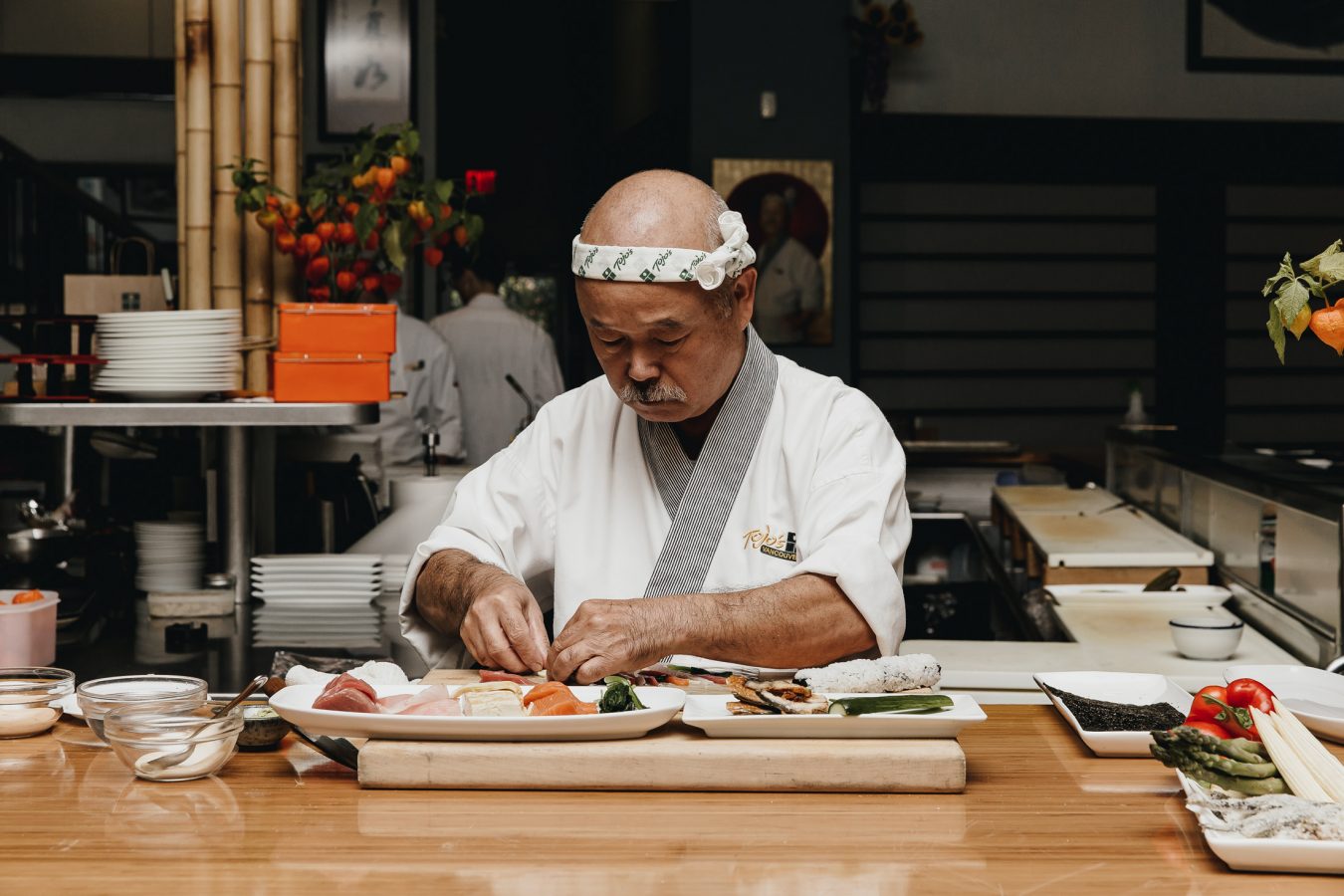
The title Itamae also serves as a beacon of cultural authenticity. In a globalized world, where sushi has been adapted and reinterpreted in countless ways, the presence of a genuine Itamae signals adherence to traditional Japanese techniques and principles. This appeals to customers seeking an authentic experience, providing a clear brand differentiator. For restaurants outside Japan, having an Itamae on staff can be a significant marketing advantage, conferring credibility and attracting a clientele that values tradition and mastery. The title, therefore, acts as a brand ambassador for Japanese culinary heritage, reinforcing trust and perceived value across diverse markets.
In conclusion, understanding what a sushi chef is called provides a fascinating glimpse into the world of professional branding. The title Itamae is not merely a label; it is a meticulously earned honorific that embodies a legacy of dedication, skill, and cultural reverence. It shapes a chef’s professional identity, anchors their personal brand narrative, and powerfully influences customer perception, proving that in the delicate art of sushi, the name behind the knife is as crucial as the craft itself.
aViewFromTheCave is a participant in the Amazon Services LLC Associates Program, an affiliate advertising program designed to provide a means for sites to earn advertising fees by advertising and linking to Amazon.com. Amazon, the Amazon logo, AmazonSupply, and the AmazonSupply logo are trademarks of Amazon.com, Inc. or its affiliates. As an Amazon Associate we earn affiliate commissions from qualifying purchases.