
In the complex ecosystem of modern agriculture, efficient waste management is not merely an environmental obligation but a critical component of a farm’s financial health and operational sustainability. Among the various infrastructure elements on a livestock farm, the slurry pit stands out as a fundamental, albeit often underestimated, asset. Understanding “what is a slurry pit” goes beyond a simple definition; it delves into its indispensable role in business finance, regulatory compliance, and the broader economic landscape of agricultural operations.
The Agricultural Necessity: Understanding Slurry Pits
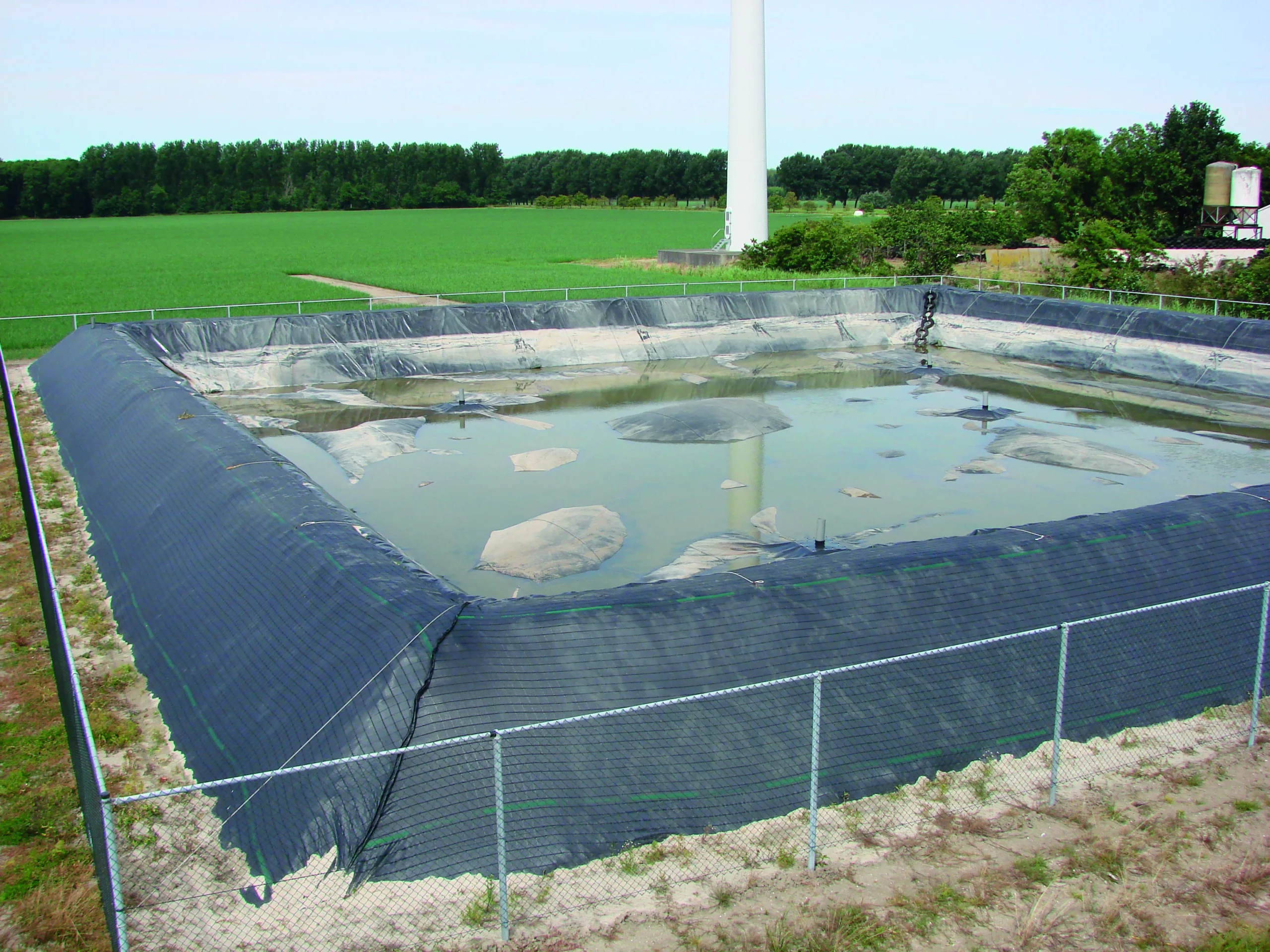
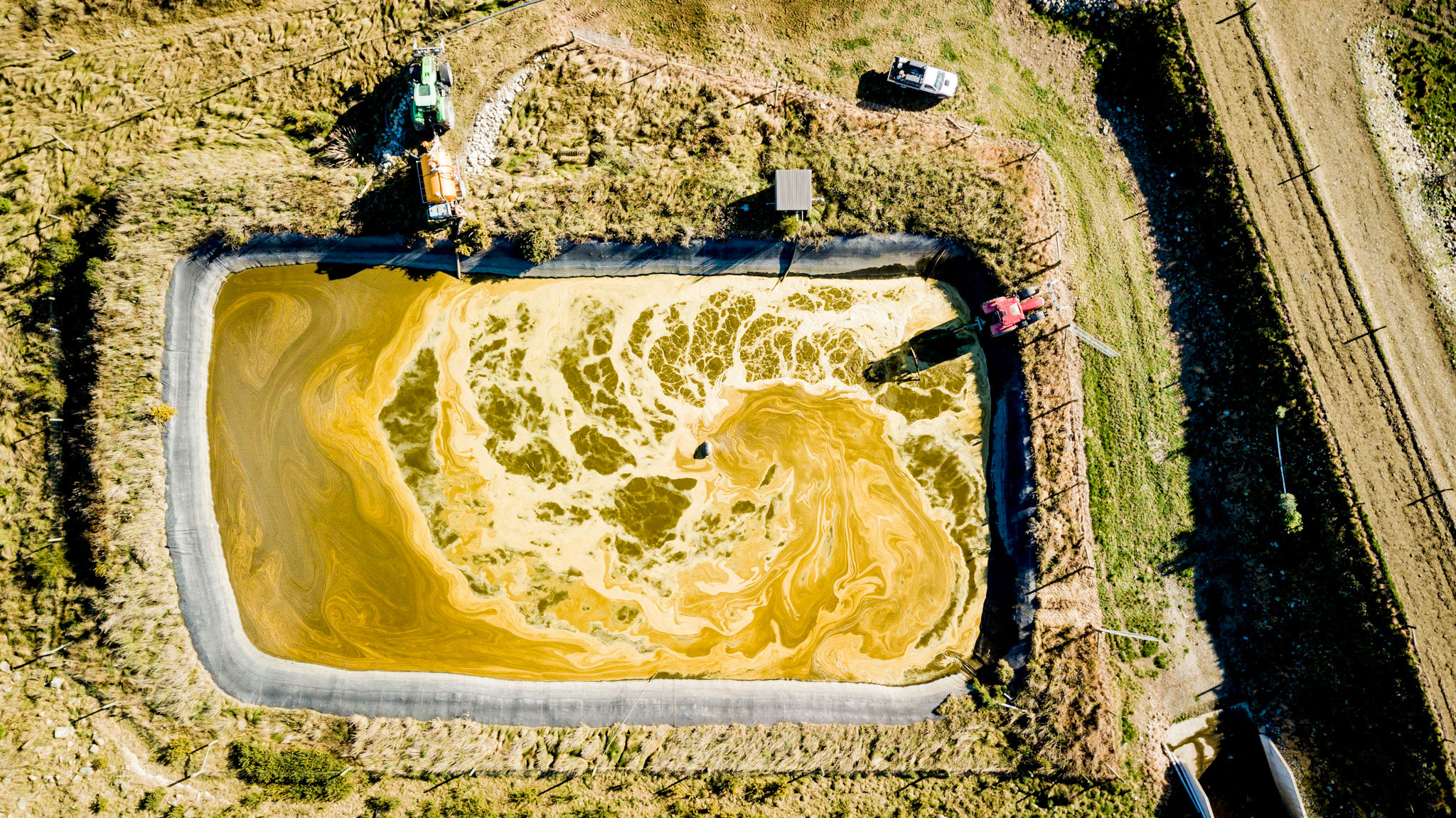
At its core, a slurry pit is a containment structure designed to store animal manure in a semi-liquid form. This mixture, often comprising feces, urine, bedding materials, and wash water from barns, is known as slurry. While seemingly a mundane aspect of farming, its management carries significant financial weight for any agricultural enterprise.

Defining Slurry and its Origins
Slurry is a byproduct of concentrated animal feeding operations (CAFOs), which are prevalent in dairy, beef, and swine farming. In these systems, livestock are housed in confined spaces, leading to the accumulation of substantial volumes of manure. Unlike solid manure, which can be stacked, slurry’s high water content necessitates a different approach to collection and storage. The efficiency of slurry collection directly impacts labor costs, hygiene, and the overall health of the livestock, all of which have clear financial implications for the farm business. The composition of slurry varies, influencing its nutrient content and, consequently, its economic value as a fertilizer.
Purpose and Function
The primary purpose of a slurry pit is to provide safe and secure storage for manure until it can be strategically applied to land as fertilizer. This temporal separation between waste generation and nutrient application is crucial for several business reasons. Firstly, it allows farmers to spread nutrients when crops can best utilize them, maximizing fertilizer value and reducing the need for costly synthetic alternatives. Secondly, it prevents direct discharge of untreated waste into waterways, a practice that can lead to severe environmental penalties and significant cleanup costs. Finally, proper storage helps manage odors and reduce greenhouse gas emissions, factors that can impact community relations and regulatory scrutiny, indirectly affecting the farm’s social license to operate and its financial stability. The pit acts as a crucial buffer, managing nutrient flow and environmental risk, both of which are central to a farm’s business finance strategy.
Financial Considerations in Slurry Pit Construction and Maintenance
The decision to construct or upgrade a slurry pit is a major capital expenditure for an agricultural business, demanding careful financial planning and cost-benefit analysis.
Capital Expenditure: Initial Investment Costs
The upfront cost of a slurry pit can range from tens of thousands to several hundred thousand dollars, making it one of the most significant infrastructure investments on a livestock farm. Several factors influence this cost:
- Capacity: The size of the pit, determined by herd size, storage duration requirements, and local regulations, directly correlates with material and construction costs. Larger operations require larger pits, incurring higher initial outlays.
- Materials and Construction Type: Options range from lined earthen lagoons (generally less expensive but require more land) to steel tanks or reinforced concrete pits (more costly but offer durability and smaller footprints). Each material comes with different longevity and maintenance profiles, impacting long-term financial projections.
- Ancillary Equipment: Pumps, agitators (for consistent slurry mixture), safety fencing, covers (to reduce emissions and evaporation), and transfer systems add to the initial investment. These components are essential for efficient operation and compliance, meaning they cannot be forgone without risking operational inefficiencies or regulatory fines.
- Location and Site Preparation: Geological surveys, excavation, foundation work, and ensuring appropriate drainage can significantly inflate costs, especially on challenging terrains.
This substantial initial outlay requires robust business finance strategies, often involving loans, grants, or a significant portion of a farm’s capital budget. The return on investment, though indirect, comes from regulatory compliance, nutrient utilization, and environmental risk mitigation.
Operational Expenses: Ongoing Costs
Beyond the initial build, slurry pits incur ongoing operational expenses that must be factored into the farm’s annual budget:
- Maintenance and Inspection: Regular checks for leaks, structural integrity, and equipment functionality are crucial. Repairs to liners, concrete, or steel can be costly if neglected. Preventative maintenance is an investment that avoids more expensive emergency repairs.
- Energy Consumption: Pumps and agitators require electricity or fuel, contributing to the farm’s utility bills. The efficiency of these systems directly impacts energy costs.
- Labor: Time spent on monitoring, operating equipment, and performing routine maintenance translates into labor costs.
- Environmental Remediation: In the unfortunate event of a leak or overflow, cleanup and environmental restoration costs can be astronomical, potentially bankrupting a farm. This underscores the financial wisdom of investing in high-quality construction and diligent maintenance.
- Depreciation: As an asset, a slurry pit depreciates over time. This non-cash expense impacts tax liabilities and the farm’s balance sheet, requiring careful accounting.
Economic Lifespan and Replacement Planning
A slurry pit is a long-term asset, but it has a finite economic lifespan. Concrete pits might last 20-30 years, while earthen lagoons with specific liners might have different longevity profiles. Farms must financially plan for eventual upgrades, repairs, or complete replacement. This involves setting aside capital over time, considering inflation, and anticipating future regulatory changes that might necessitate more advanced systems. Failing to plan for this can lead to sudden, unexpected financial burdens that disrupt the farm’s long-term viability.
Regulatory Compliance and Its Economic Impact
For agricultural businesses, slurry pits are subject to a dense web of environmental regulations, the adherence to which carries significant financial implications. Non-compliance is not merely a legal issue; it’s a severe financial risk.
Environmental Regulations and Penalties
Governmental bodies at local, state, and national levels (e.g., the Environmental Protection Agency in the U.S., Environment Agency in the UK) impose stringent rules on manure storage and management. These regulations often dictate:
- Capacity requirements: Pits must hold a specified minimum number of months’ worth of manure to ensure sufficient storage buffer, especially during periods when land application is not feasible.
- Construction standards: Specific engineering designs, materials (e.g., impermeable liners), and safety features are often mandated to prevent leaks and spills.
- Setback distances: Slurry pits must be located a certain distance from waterways, wells, and residential areas to minimize pollution risks and nuisance.
- Monitoring and reporting: Regular inspections, nutrient testing of stored slurry, and detailed record-keeping are often required.
Failure to comply with these regulations can lead to substantial financial penalties, including fines that can range from thousands to millions of dollars depending on the severity and duration of the violation. Beyond direct fines, farms can face costly legal fees, court-mandated environmental cleanup expenses, and even operational restrictions or closure orders.
Compliance Costs vs. Risk Mitigation
From a business finance perspective, investing in regulatory compliance is a necessary cost of doing business that acts as a powerful form of risk mitigation. The expenses associated with designing, constructing, and maintaining a compliant slurry pit (e.g., specialized engineering, high-quality materials, ongoing monitoring) are often dwarfed by the potential financial liabilities of non-compliance. These liabilities include not only direct fines and cleanup costs but also indirect costs such as reputational damage, loss of market access (if buyers demand high environmental standards), and increased insurance premiums. Proactive investment in robust, compliant slurry management systems is an essential strategy for protecting a farm’s assets and ensuring its long-term financial stability.
Insurance Implications
The presence and management of a slurry pit can also affect a farm’s insurance profile. Environmental liability insurance, while an added expense, can provide a crucial financial safety net against unforeseen spills or environmental contamination incidents. Insurers often assess the risk associated with manure storage facilities, and farms with well-maintained, compliant pits may qualify for better terms or lower premiums compared to those with substandard facilities. This is another area where sound management translates directly into financial benefits.
Beyond Waste: The Value Proposition of Slurry Management Systems
While often viewed as a cost center, an effectively managed slurry pit can transform into a valuable asset, contributing positively to a farm’s bottom line.
Nutrient Management and Fertilizer Replacement Value
Slurry is a rich source of essential plant nutrients, including nitrogen, phosphorus, and potassium, along with valuable micronutrients and organic matter. When applied correctly, it can significantly reduce the need for purchased synthetic fertilizers.
- Cost Savings: By knowing the nutrient content of their slurry (through regular testing), farmers can precisely calculate application rates, optimizing nutrient delivery to crops and minimizing expenditure on commercial fertilizers. This direct substitution represents a substantial annual saving.
- Soil Health Benefits: The organic matter in slurry improves soil structure, water retention capacity, and microbial activity. These long-term benefits contribute to healthier, more productive soils, leading to better crop yields and reduced erosion, which in turn offers sustained financial benefits.
Treating slurry as a valuable resource rather than merely waste shifts its financial perception from a liability to an asset, directly impacting input costs and overall farm profitability.
Biogas Production and Renewable Energy Revenue
One of the most innovative and financially rewarding aspects of advanced slurry management is its potential for biogas production through anaerobic digestion.
- Energy Generation: In an anaerobic digester, microorganisms break down organic matter in the slurry in the absence of oxygen, producing methane-rich biogas. This biogas can be used to generate electricity and heat for farm operations, significantly reducing energy bills.
- Revenue Streams: Excess electricity can often be sold back to the national grid, creating a new revenue stream for the farm. Furthermore, in some regions, farms can qualify for “feed-in tariffs” or “renewable energy credits,” providing additional financial incentives for generating green energy.
- Byproducts: The digestate (the material remaining after digestion) is a more stable, less odorous, and often more readily available form of fertilizer, potentially enhancing its value.
While anaerobic digesters represent a significant capital investment, the long-term financial benefits through energy savings, revenue generation, and improved fertilizer quality can offer a compelling return on investment for larger operations.
Improved Soil Health and Long-term Productivity
The consistent application of nutrient-rich organic matter from slurry contributes to the sustained health and fertility of farmland. Over time, this improves soil resilience, reduces dependency on chemical inputs, and supports higher, more stable crop yields. These benefits, while not always immediately quantifiable in a cash flow statement, underpin the long-term productivity and financial viability of the farm, ensuring its ability to generate income for generations.
Future Trends and Sustainable Financial Strategies
The landscape of slurry management is continuously evolving, driven by environmental concerns, technological advancements, and the pursuit of greater economic efficiency. Farms must adapt their financial strategies to leverage these changes.
Advanced Slurry Treatment Technologies
Beyond basic storage, new technologies are emerging that further enhance the value and reduce the liabilities associated with slurry:
- Solid-Liquid Separation: Technologies that separate slurry into solid and liquid fractions can reduce the volume requiring storage, making it easier to transport and manage. The solid fraction can be composted or used as bedding, while the liquid can be precisely applied as a nutrient-rich irrigation source.
- Nutrient Recovery: Sophisticated systems can recover specific nutrients like phosphorus and nitrogen from slurry, concentrating them into marketable products. This turns a waste product into a valuable commodity, opening new revenue streams.
- Composting and Pelletizing: Transforming slurry into dry, marketable compost or fertilizer pellets can create a stable, valuable product with extended shelf life and easier transport, fetching higher prices than raw slurry.
While these technologies require upfront investment, they offer pathways to increased revenue, reduced waste volume, and enhanced environmental compliance, all contributing to a stronger financial position.
Grants, Subsidies, and Green Financing
Recognizing the environmental and economic benefits of sustainable manure management, many governments and non-governmental organizations offer financial incentives for farmers. These can include:
- Environmental Grants: Funding programs designed to support investments in environmentally friendly practices, such as anaerobic digestion or advanced nutrient recovery systems.
- Subsidies: Direct payments or tax credits for adopting specific sustainable technologies or management practices.
- Green Financing: Loans and financial products specifically tailored for environmentally sustainable projects, often with favorable interest rates or repayment terms.
Agricultural businesses should actively research and pursue these opportunities to offset the capital costs of upgrading their slurry management systems, making these crucial investments more financially feasible.
Integrating Slurry Management into Comprehensive Business Planning
Ultimately, effective slurry management must be integrated into the overarching business plan of an agricultural enterprise. It is not an isolated environmental task but a multifaceted component influencing:
- Capital budgeting: Long-term planning for infrastructure investments.
- Operational costs: Managing energy, labor, and maintenance expenses.
- Revenue generation: Exploring opportunities from biogas, nutrient sales, and reduced fertilizer costs.
- Risk management: Mitigating financial liabilities from environmental non-compliance.
- Sustainability reporting: Meeting market demands for environmentally responsible production.
By viewing the slurry pit and its associated management as a strategic financial component, farmers can unlock significant economic benefits, enhance their environmental stewardship, and ensure the long-term resilience and profitability of their operations.
aViewFromTheCave is a participant in the Amazon Services LLC Associates Program, an affiliate advertising program designed to provide a means for sites to earn advertising fees by advertising and linking to Amazon.com. Amazon, the Amazon logo, AmazonSupply, and the AmazonSupply logo are trademarks of Amazon.com, Inc. or its affiliates. As an Amazon Associate we earn affiliate commissions from qualifying purchases.