
In the intricate world of home textiles, where comfort meets aesthetics, few items are as misunderstood or as strategically significant as the bedding sham. Often confused with a standard pillowcase, the sham serves a distinct and vital role, particularly within the realm of brand identity, design, and marketing. From a branding perspective, a sham is not merely a covering for a pillow; it is a meticulously designed component that elevates the entire bedding ensemble, communicating a brand’s ethos, quality, and style to the discerning consumer. Understanding its function and design nuances is crucial for any brand aiming to carve out a distinctive presence in the competitive home decor market.
Beyond the Pillowcase: Understanding the Sham’s Brand Role
While both pillowcases and shams cover pillows, their purposes diverge significantly, especially when viewed through a branding lens. A standard pillowcase prioritizes function: protecting the pillow and providing a soft surface for sleep. Its design is typically minimalist, intended for daily use and frequent laundering. The sham, by contrast, is a decorative statement, a key element in the visual branding of a bedding collection. It is designed to be seen, to adorn, and to complete a stylistic narrative.
A Strategic Design Element
For bedding brands, the sham is a critical piece of the overall design puzzle. It’s an opportunity to inject personality, luxury, and artistic flair into a product line. Unlike the utilitarian pillowcase, shams are crafted with a strong emphasis on visual appeal. They often feature flanges, ruffles, embroidery, quilting, or other decorative trims that demand attention. These design elements are not arbitrary; they are carefully chosen to reflect the brand’s aesthetic direction, whether it’s classic elegance, modern minimalism, bohemian chic, or rustic charm. A brand’s commitment to intricate detailing on a sham speaks volumes about its dedication to quality and design integrity across its entire product range. This attention to detail contributes directly to the brand’s perceived value and differentiation in the marketplace.
Elevating Perceived Value and Luxury
The inclusion of shams in a bedding set inherently elevates its perceived value and luxury status. A bed dressed with a full complement of decorative shams looks more finished, more inviting, and more professionally styled than one without. This visual enhancement is a powerful marketing tool. Brands leverage the sham to transform a functional item into an aspirational one, turning a simple bedroom into a sanctuary. The added layers of texture, pattern, and dimension provided by shams suggest a higher-end product, justifying premium pricing and reinforcing a brand’s position as a provider of sophisticated home goods. Consumers often associate this level of curated design with quality, comfort, and a touch of indulgence, fostering a deeper emotional connection with the brand.
The Anatomy of a Brand Statement: Design Features of a Sham
The distinctive features of a sham are precisely what make it such an effective branding vehicle. Each design choice, from the fabric to the finish, contributes to a cohesive brand message and visual identity. Brands meticulously select these attributes to ensure they resonate with their target audience and reinforce their market positioning.
Flanges, Embellishments, and Fabric Choices
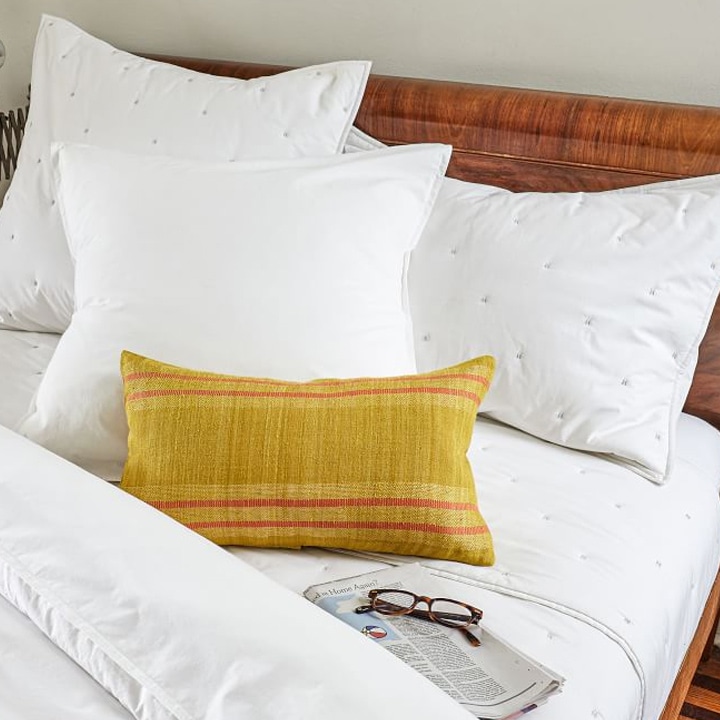
One of the most defining characteristics of a sham is the flange – a decorative border of fabric that extends beyond the seam, framing the pillow. This simple design element instantly distinguishes a sham from a pillowcase and adds a layer of sophistication. Beyond flanges, brands use a myriad of embellishments to enhance shams, including intricate embroidery, piping, cording, ruffles, pleats, or even appliques. Each of these details requires additional craftsmanship and material, signaling a higher quality product and a brand’s commitment to artisanal excellence.
Fabric choice is equally critical. While a pillowcase might be a simple cotton sateen, a sham could be crafted from more luxurious materials like silk, linen, velvet, jacquard, or elaborate brocades. The texture and drape of these fabrics convey different messages – silk speaks of indulgence, linen of natural elegance, velvet of opulence. Brands carefully select fabrics that align with their overall identity, ensuring consistency across their collections and reinforcing the desired aesthetic. A brand known for sustainable practices, for instance, might emphasize organic cotton or recycled fabric shams, aligning product design with its core values.
The Role of Texture and Pattern in Brand Identity
Texture and pattern are potent non-verbal communicators in branding. Shams provide a prime canvas for brands to explore these elements, creating depth and visual interest that standard bedding often lacks. A brand specializing in minimalist design might utilize shams with subtle textural variations – a finely woven jacquard or a delicate matelassé – in monochromatic palettes to convey understated sophistication. Conversely, a brand targeting a more eclectic or bohemian audience might feature shams with bold, vibrant patterns, intricate ethnic motifs, or rich, tactile finishes like chenille or faux fur.

The strategic use of pattern on shams allows brands to tell a story or evoke a specific mood. A brand might use a classic floral print to suggest timeless romance, a geometric pattern for modern chic, or an abstract design for artistic flair. These patterns are often coordinated with other elements of the bedding set, but the sham typically serves as a focal point, drawing the eye and anchoring the design. By carefully curating the textures and patterns on their shams, brands solidify their aesthetic signature, making their products instantly recognizable and reinforcing their unique place in the market.
Shaming the Competition: How Brands Utilize Shams for Differentiation
In a crowded market, differentiation is paramount. Shams, as highly visible and customizable elements, offer brands a powerful tool to stand out, communicate unique value propositions, and capture specific segments of the consumer base.
Creating Cohesive Collections
One of the most effective ways brands leverage shams is by integrating them into cohesive, multi-piece bedding collections. Instead of selling individual components, brands often offer “bedding in a bag” or coordinated sets that include a duvet cover or comforter, sheets, and matching shams. The shams act as the perfect finishing touch, tying together the various elements through shared colors, patterns, and design details. This approach simplifies the purchasing decision for consumers, offering them a complete, professionally styled look, while simultaneously reinforcing the brand’s design philosophy. By presenting a unified aesthetic, brands can position themselves as authorities in home styling, building trust and encouraging repeat purchases within their distinct design language.
Storytelling Through Design
Every successful brand tells a story, and bedding shams are a canvas for narrative. A brand might develop a collection inspired by a specific travel destination, a historical period, or a natural landscape. The design of the shams — their patterns, colors, textures, and embellishments — then becomes instrumental in conveying this story. For example, a sham featuring intricate block prints and earthy tones could evoke a journey through India, while one with crisp white linen and navy piping might conjure images of coastal living. This narrative approach allows consumers to connect with the product on an emotional level, buying into an experience or a lifestyle rather than just a commodity. Brands that effectively weave their stories into the physical design of their shams create a deeper bond with their audience, fostering loyalty that transcends mere product features.
Marketing the “Lifestyle”
Beyond just storytelling, shams are instrumental in marketing a complete lifestyle. High-end bedding brands frequently showcase their products in aspirational settings – beautifully appointed bedrooms in editorial spreads, online lookbooks, or social media campaigns. In these visuals, shams are almost always present, impeccably arranged to create an image of comfort, sophistication, and desirable living. The message is clear: owning these shams (and the complete bedding set) is not just about having a place to sleep; it’s about embracing a certain quality of life, a curated aesthetic, and a sense of personal style. Brands use shams to tap into consumers’ desires for self-expression and aspiration, positioning their products as essential components of an ideal home environment. This “lifestyle branding” strategy is incredibly powerful in establishing a strong brand identity and connecting with consumers on a deeper, more personal level.
Consumer Perception and Brand Loyalty: The Impact of Sham Design
Ultimately, the careful design and strategic deployment of bedding shams have a direct impact on consumer perception and the cultivation of brand loyalty. A well-designed sham contributes to a positive brand experience, influencing purchasing decisions and fostering long-term relationships.
The Emotional Connection
The bedroom is a deeply personal space, often seen as a sanctuary. Brands that understand this emotional connection can leverage sham design to reinforce positive feelings. A luxurious, beautifully designed sham doesn’t just look good; it makes a bed feel more inviting, more comfortable, and more like a retreat. This emotional resonance is powerful. When consumers feel good about the aesthetic and quality of their bedding, they project those positive feelings onto the brand itself. This creates a strong emotional bond, where the brand is associated with comfort, beauty, and well-being. This bond is far more enduring than loyalty based solely on price or basic utility.
Driving Repeat Purchases and Brand Advocacy
When a brand consistently delivers high-quality, aesthetically pleasing shams as part of its collections, it builds trust and satisfaction. A positive experience with one bedding set often leads to repeat purchases, as consumers seek to replicate that feeling of comfort and style. Furthermore, satisfied customers become brand advocates. They are more likely to recommend the brand to friends and family, share their beautifully styled beds on social media, and become loyal patrons. The sham, as a tangible representation of a brand’s commitment to design and quality, plays a critical role in initiating and sustaining this cycle of positive engagement, transforming casual buyers into fervent brand champions. It underscores that, in bedding, a sham is far more than just a pillow cover; it is a cornerstone of brand identity, a testament to design excellence, and a powerful driver of consumer connection.
aViewFromTheCave is a participant in the Amazon Services LLC Associates Program, an affiliate advertising program designed to provide a means for sites to earn advertising fees by advertising and linking to Amazon.com. Amazon, the Amazon logo, AmazonSupply, and the AmazonSupply logo are trademarks of Amazon.com, Inc. or its affiliates. As an Amazon Associate we earn affiliate commissions from qualifying purchases.