
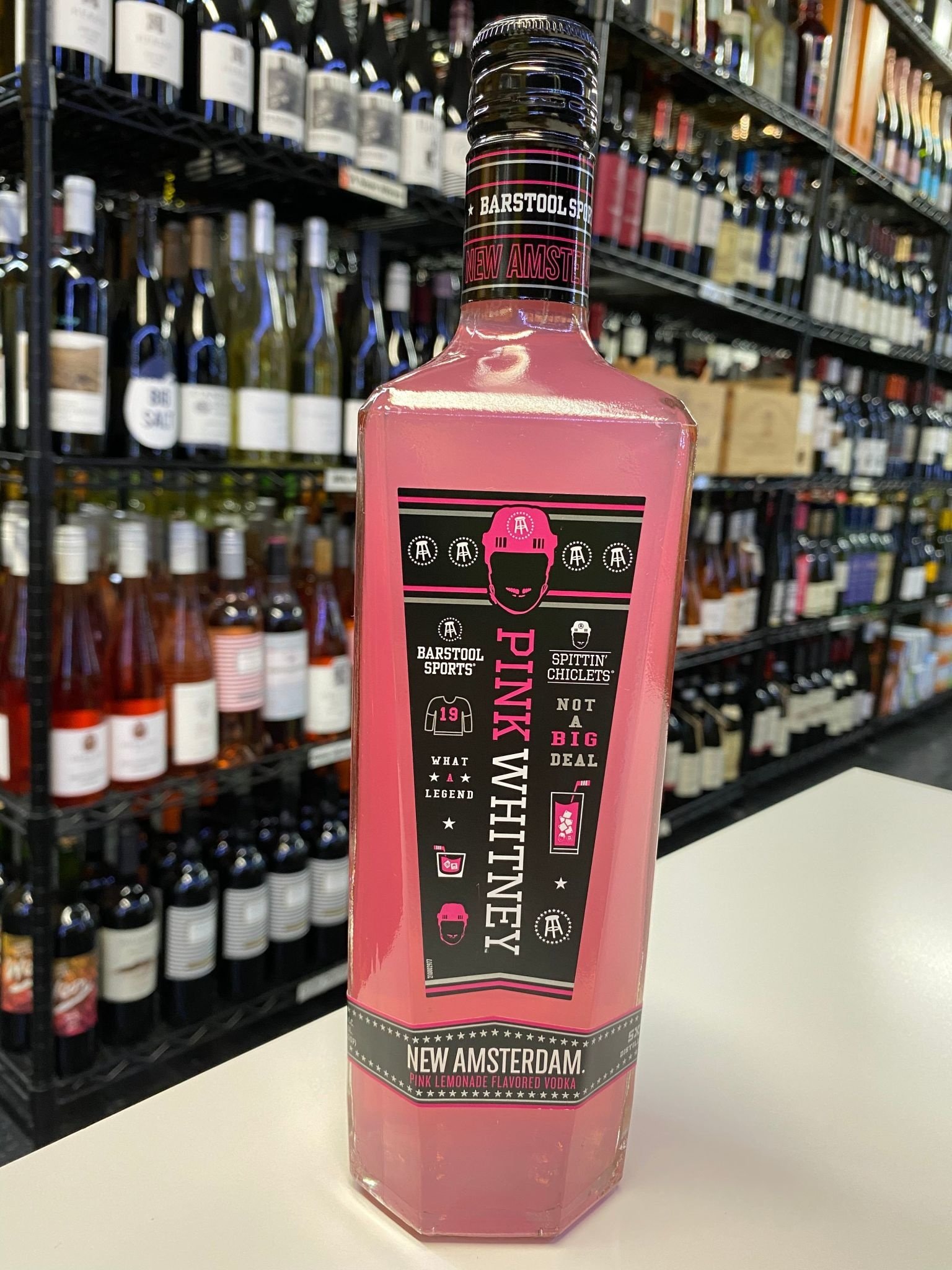
The “Pink Whitney” is more than just a flavored alcoholic beverage; it represents a fascinating case study in modern brand development, strategic partnerships, and the power of authentic influencer marketing. At its core, Pink Whitney is a pink lemonade flavored vodka, a distinctive product born from a collaboration between New Amsterdam Vodka and the popular hockey podcast, Spittin’ Chiclets. Its emergence in the market and subsequent rapid ascent to cultural phenomenon status offers rich insights into how contemporary brands can establish a unique identity, cultivate a loyal following, and translate niche appeal into widespread commercial success. For brand strategists, marketers, and entrepreneurs, understanding the trajectory of Pink Whitney reveals key principles behind effective brand positioning, target audience engagement, and the leverage of digital platforms for unparalleled market penetration.

The Genesis of a Modern Beverage Brand
The origin story of Pink Whitney is a prime example of how unexpected collaborations can forge powerful brand identities. Unlike traditional product launches that often involve extensive market research and top-down development, Pink Whitney’s inception was organic and audience-driven, emerging directly from the culture it aimed to capture. The Spittin’ Chiclets podcast, renowned for its irreverent takes on hockey culture and lifestyle, cultivated a dedicated and passionate fan base. One of its hosts, former NHL player Ryan Whitney, gained a particular notoriety for his preference for mixing New Amsterdam Vodka with pink lemonade, a simple concoction he affectionately termed “Pink Whitney.” This became an inside joke, a shared cultural reference within the podcast’s community.
From Niche Idea to Mainstream Appeal
The transition from a podcast running gag to a commercially successful product illustrates a masterclass in recognizing and capitalizing on emergent consumer trends. New Amsterdam Vodka, already a significant player in the spirits market, demonstrated astute brand agility by identifying the immense potential within this grassroots phenomenon. Instead of dismissing it as merely a fan-generated nickname, they saw an opportunity to co-create a product that resonated deeply with an existing, highly engaged audience. This approach bypassed the often-costly and time-consuming efforts of building brand awareness from scratch, instead leveraging a pre-existing community and its inherent trust in the Spittin’ Chiclets brand. The product essentially arrived with an integrated narrative and a ready-made fan base, a testament to the power of authentic storytelling in brand building.
The Role of Collaboration and Authenticity
The collaboration between a large spirits brand and a digital media entity was groundbreaking. It wasn’t merely an endorsement deal; it was a genuine co-creation that allowed the personalities and ethos of Spittin’ Chiclets to infuse the product’s very essence. This authenticity was paramount. Consumers could genuinely believe that Pink Whitney was “Ryan Whitney’s drink,” a concept far more powerful than a celebrity simply lending their name to a product. This authenticity extended to the flavor profile itself – a straightforward pink lemonade vodka – which mirrored the simple, approachable nature of its origin. This brand strategy underscored a critical lesson: genuine connections and shared values between a brand and its collaborators can yield exponential returns in consumer trust and loyalty.
Decoding the Pink Whitney Brand Identity
A successful brand is more than just a product; it’s a cohesive identity that communicates values, appeals to specific desires, and evokes certain emotions. Pink Whitney’s brand identity is meticulously crafted, yet feels effortless, speaking directly to its target demographic through its name, visual aesthetics, and marketing execution.
Visual Aesthetics and Product Naming
The name “Pink Whitney” is brilliantly simple and effective. “Pink” is a direct descriptor of its color and flavor profile (pink lemonade), making it instantly recognizable and indicative of its taste. “Whitney” provides a strong, personal connection to its origins, grounding the product in a relatable, human story. This combination creates a name that is both functional and evocative. The visual branding further reinforces this. The bottle typically features a clear glass that proudly displays the vibrant pink liquid within, often accompanied by a simple, clean label that highlights the name and its association with New Amsterdam Vodka and Spittin’ Chiclets. The aesthetic is approachable, modern, and unpretentious, reflecting the casual, fun-loving nature of its primary audience. This visual and naming synergy ensures high recall and immediate understanding of what the product offers.
Target Audience and Lifestyle Association
Pink Whitney’s brand strategy is keenly focused on a specific target audience: young adults, particularly those engaged in sports culture, social gatherings, and casual enjoyment. The association with Spittin’ Chiclets naturally drew in hockey fans and those who appreciate the podcast’s camaraderie and lighthearted perspective. The drink itself, with its sweet, approachable pink lemonade flavor, is designed for easy mixing and casual consumption, fitting perfectly into social events, pre-games, and relaxed get-togethers. The brand successfully positions itself as the ideal companion for these lifestyle moments, fostering a sense of community and shared experience. It isn’t marketed as a sophisticated, premium spirit, but rather as a fun, accessible, and reliably enjoyable option, aligning with the unpretentious desires of its core demographic.
Marketing Channels and Messaging
Pink Whitney’s marketing strategy is heavily reliant on digital and social media platforms, leveraging the same channels that gave birth to its initial popularity. The Spittin’ Chiclets podcast itself served as a primary marketing channel, with organic mentions and authentic endorsements built directly into its content. Beyond this, social media campaigns focused on user-generated content, encouraging fans to share their “Pink Whitney” moments, creating a virtuous cycle of engagement and organic reach. The messaging consistently emphasizes themes of fun, camaraderie, and approachability. There’s a strong emphasis on sharing experiences, making the drink synonymous with good times among friends. This digital-first, community-driven marketing approach proved incredibly effective in building rapid brand recognition and fostering deep consumer loyalty, demonstrating how modern brands can effectively bypass traditional advertising heavyweights through targeted, authentic engagement.
The Impact and Evolution of Brand Perception
The rapid ascent of Pink Whitney is a testament to the power of a well-executed brand strategy, illustrating how a product can transcend its functional utility to become a cultural touchstone. Its impact on the beverage market and on brand perception highlights several crucial dynamics.
Cultivating Community and Loyalty
One of Pink Whitney’s most significant achievements has been its ability to cultivate a robust and passionate community. By originating from a beloved podcast, the brand inherited a loyal fan base that felt a personal connection to its story. This initial bond was then nurtured through consistent messaging, interactive social media presence, and the brand’s continued association with the Spittin’ Chiclets universe. Consumers don’t just buy a bottle of Pink Whitney; they buy into an experience, a shared identity, and a sense of belonging. This fosters powerful brand loyalty, turning casual drinkers into advocates who actively promote the product within their social circles. The brand successfully leveraged authenticity to build a tribe, demonstrating that strong emotional connections are invaluable assets for sustained market presence.
Challenges in Maintaining Brand Freshness
While Pink Whitney’s rise was meteoric, the spirits industry is fiercely competitive and constantly evolving. A key challenge for the brand, like many others that experience rapid success, is maintaining its freshness and relevance beyond the initial hype. The initial novelty of its origin story and unique flavor profile can eventually fade. Brand strategists must continuously innovate, explore new flavor extensions, packaging designs, or marketing activations to keep the brand engaging without diluting its core identity. Expanding into new markets or demographic segments also presents a challenge, requiring careful consideration to ensure the brand’s core values resonate with broader audiences while retaining its authentic appeal to the initial fan base. The brand’s ongoing evolution will depend on its ability to strike a balance between staying true to its roots and adapting to changing consumer preferences and market dynamics.
Lessons from the Pink Whitney Phenomenon
The story of Pink Whitney offers invaluable lessons for brand builders across various industries, showcasing how strategic thinking, authentic partnerships, and a deep understanding of consumer behavior can lead to extraordinary success.
The Power of Simplicity and Differentiation
One of the clearest takeaways from Pink Whitney is the power of simplicity in product and messaging combined with clear differentiation. In a crowded market saturated with complex flavor profiles and elaborate branding, Pink Whitney stood out by being straightforward: a pink lemonade flavored vodka. This simplicity made it accessible, easy to understand, and easy to mix. Its differentiation came not just from its unique flavor, but crucially from its authentic origin story and direct connection to a beloved media personality. Brands often overcomplicate their offerings, but Pink Whitney proved that sometimes, a clear, simple product with a compelling, differentiated narrative can capture attention more effectively than intricate designs or convoluted marketing campaigns. It underscores the importance of a clear value proposition that is easy for consumers to grasp and recall.

Strategic Partnerships in Brand Building
The collaboration between New Amsterdam Vodka and Spittin’ Chiclets epitomizes the potential of strategic partnerships, particularly with digital influencers and media entities. This wasn’t a one-off endorsement but a genuine product co-creation that leveraged the podcast’s existing audience, trust, and cultural cachet. For brands looking to expand their reach or enter new markets, identifying partners whose values align and whose audience deeply trusts them can unlock unparalleled opportunities. Such partnerships must be authentic, providing mutual benefit and contributing meaningfully to the partner’s platform. Pink Whitney’s success demonstrates that investing in relationships that are more than transactional can build a brand narrative that resonates deeply, turning influencer marketing from a mere promotional tool into a foundational element of brand identity and market entry strategy. The brand’s journey from a podcast joke to a market success is a blueprint for innovative, audience-centric brand development.
aViewFromTheCave is a participant in the Amazon Services LLC Associates Program, an affiliate advertising program designed to provide a means for sites to earn advertising fees by advertising and linking to Amazon.com. Amazon, the Amazon logo, AmazonSupply, and the AmazonSupply logo are trademarks of Amazon.com, Inc. or its affiliates. As an Amazon Associate we earn affiliate commissions from qualifying purchases.