
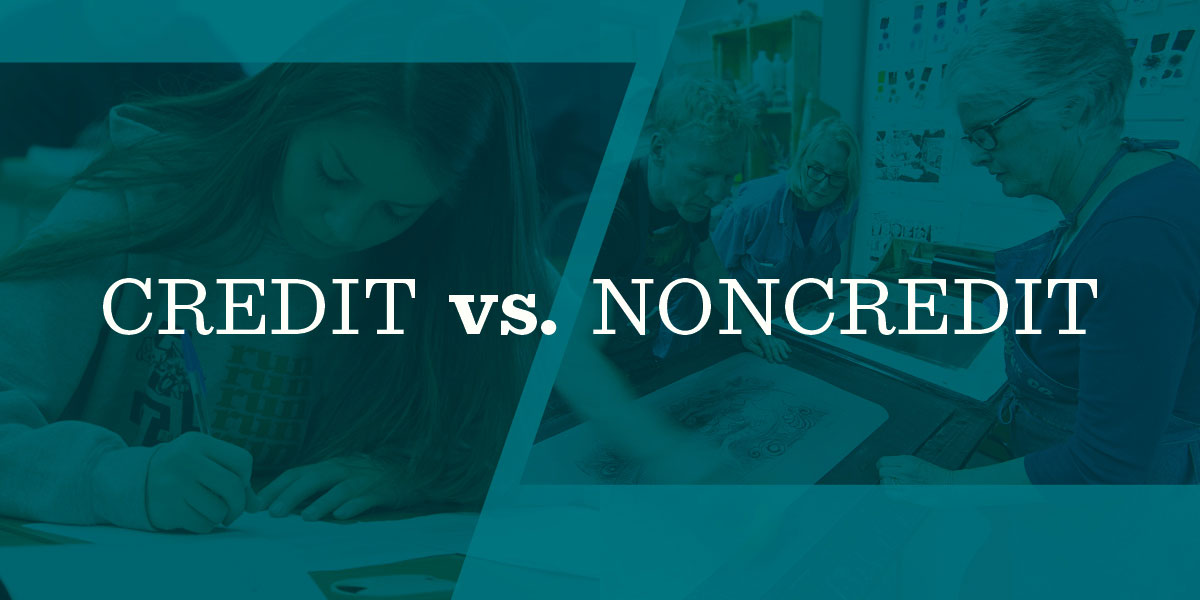
In the dynamic landscape of modern finance and career development, the concept of a non-credit course holds significant, often underestimated, financial weight. Unlike their credit-bearing counterparts, which typically contribute towards a degree or formal academic credential, non-credit courses are designed for professional development, skill acquisition, personal enrichment, or career transition, without carrying academic credits. From a financial perspective, these courses represent a strategic investment in human capital, offering a flexible and often cost-effective pathway to enhanced earning potential, new income streams, and robust financial literacy. They are distinct from traditional higher education in their focus, duration, and assessment methods, making them particularly relevant for individuals and businesses navigating the evolving demands of the job market and the intricacies of personal and corporate finance.
The Financial Value Proposition of Non-Credit Courses
The decision to pursue further education or skill development is often rooted in a financial calculation: what is the return on investment? Non-credit courses present a compelling argument in this regard, offering distinct advantages that directly impact an individual’s financial trajectory and a business’s bottom line.
Skill Acquisition for Enhanced Earning Potential
One of the most direct financial benefits of non-credit courses is their ability to rapidly equip individuals with high-demand skills. In today’s rapidly evolving economy, specific, marketable skills frequently command higher salaries and open doors to more lucrative opportunities. A non-credit certificate in data analytics, digital marketing, project management, or a specific programming language, for instance, can significantly enhance a professional’s resume, making them more competitive for promotions, new roles, or higher compensation packages.
Unlike lengthy degree programs, non-credit courses are often hyper-focused on practical application, meaning learners can quickly apply newly acquired knowledge in the workplace or to develop new ventures. This swift transition from learning to earning potential minimizes the opportunity cost associated with prolonged education and accelerates the timeline for financial returns. For businesses, sponsoring employees in such courses can translate into a more skilled workforce, increased productivity, and a competitive edge, ultimately impacting profitability.
Cost-Effectiveness vs. Traditional Degrees
From a purely financial standpoint, non-credit courses generally represent a significantly lower investment compared to traditional undergraduate or graduate degree programs. Tuition fees are typically a fraction of credit-bearing courses, and the shorter duration means less time away from work or reduced living expenses if pursuing full-time study. This cost-effectiveness makes skill development accessible to a broader demographic, including those who cannot afford or commit to a multi-year degree but are eager to invest in their professional growth.
Furthermore, many non-credit programs are offered by community colleges, universities, or specialized training centers, providing quality instruction without the premium price tag often associated with academic credits. This affordability allows individuals to experiment with new fields, test career waters, or upskill in specific areas without incurring substantial educational debt, thereby safeguarding their long-term financial health. The ability to gain valuable, market-ready skills without a prohibitive financial outlay is a cornerstone of their appeal in a money-conscious world.
Fueling Online Income and Side Hustles
The rise of the gig economy and remote work has amplified the importance of flexible skill acquisition. Non-credit courses are perfectly positioned to serve as catalysts for generating online income and nurturing lucrative side hustles, directly impacting an individual’s financial autonomy and diversification of income streams.
Rapid Skill Development for Digital Opportunities
The internet has democratized access to markets, allowing individuals to monetize niche skills from anywhere in the world. Non-credit courses often focus on digital competencies highly sought after in the online sphere, such as web design, content creation, social media management, e-commerce strategies, cybersecurity essentials, or even specialized software proficiency. These programs are often designed with practical, project-based learning, enabling participants to build portfolios that demonstrate their capabilities to potential clients or employers in the online marketplace.
The speed at which these skills can be acquired means individuals can transition from novice to competent practitioner in a matter of weeks or months, rather than years. This rapid turnaround is crucial for seizing fleeting digital opportunities and responding to market demands quickly. For someone looking to start a freelance career, offer consulting services, or launch an online business, these courses provide the foundational knowledge and practical tools necessary to begin earning money online without significant delay.
Entrepreneurial Foundations
Beyond just acquiring skills, many non-credit courses delve into the practicalities of entrepreneurship. Programs on small business management, marketing for startups, financial planning for entrepreneurs, or legal considerations for small businesses equip aspiring business owners with the essential knowledge to launch and sustain their ventures. These courses offer a low-risk environment to learn the fundamentals of building a business, managing finances, and understanding market dynamics, all critical for financial success.
For individuals keen on turning a passion into a profitable side hustle – be it crafting, tutoring, digital art, or specialized consulting – non-credit courses can provide the business acumen needed to transition from a hobby to a revenue-generating enterprise. They empower individuals to understand market sizing, pricing strategies, cash flow management, and customer acquisition, turning creative ideas into viable income streams. This foundational knowledge mitigates common risks associated with new business ventures, fostering a higher likelihood of financial success.
Strategic Investment in Financial Literacy and Business Acumen

Beyond direct skill acquisition for income generation, non-credit courses play a pivotal role in enhancing an individual’s or a business’s financial intelligence. Investing in these programs is an investment in better decision-making, risk management, and overall financial stability.
Navigating Personal Finance with Confidence
Understanding personal finance is fundamental to long-term financial well-being. Non-credit courses offer invaluable education in areas such as budgeting, debt management, investment basics, retirement planning, tax planning, and understanding credit scores. For many, these courses fill gaps left by traditional education, providing practical, actionable knowledge to manage their money more effectively.
Learning how to create a robust personal budget, strategize debt repayment, or make informed investment choices can lead to significant savings, wealth accumulation, and a reduction in financial stress over time. These courses empower individuals to take control of their financial future, make smarter spending and saving decisions, and protect their assets, ultimately leading to a more secure and prosperous life. The long-term financial benefits of improved financial literacy gained through such courses far outweigh their initial cost.
Sharpening Business Finance Skills
For current or aspiring business owners, and even employees in management roles, non-credit courses in business finance are an indispensable tool. Topics covered might include financial statement analysis, understanding profit and loss, cash flow management, fundraising, valuation, and strategic financial planning. These skills are crucial for making sound operational decisions, attracting investors, ensuring compliance, and ultimately driving the financial health and growth of an organization.
A strong grasp of business finance allows leaders to identify inefficiencies, optimize resource allocation, and navigate economic challenges with greater resilience. For small business owners, where personal and business finances often intertwine, a solid understanding of business finance learned through non-credit courses can prevent costly mistakes and ensure the venture’s sustainability and profitability.
Mastering Financial Tools and Technologies
The modern financial landscape is increasingly reliant on sophisticated software, platforms, and digital tools. Non-credit courses frequently offer training in specific financial technologies, such as accounting software (e.g., QuickBooks, Xero), investment platforms, data visualization tools (e.g., Tableau, Power BI for financial reporting), or even specialized blockchain and cryptocurrency applications.
Proficiency in these tools is a highly marketable skill and a critical component of efficient financial management, both personally and professionally. Mastering these technologies can streamline financial processes, improve accuracy, facilitate better analysis, and open up new avenues for online income or career advancement. For investors, understanding how to use specific trading platforms or analytical software can lead to more informed and potentially more profitable investment decisions. For businesses, leveraging these tools effectively can translate into cost savings, improved financial forecasting, and enhanced regulatory compliance.
When a Non-Credit Course Becomes a Smart Financial Move
Deciding to enroll in a non-credit course is often a strategic financial maneuver, undertaken with specific monetary goals in mind. Recognizing the circumstances under which these courses offer the greatest financial return is key.
Career Transitions and Upskilling
When facing a career transition, either by choice or necessity, non-credit courses provide a rapid and targeted way to acquire the skills needed for a new industry or role. Instead of committing to an expensive and time-consuming degree, an individual can invest in a focused non-credit program that directly addresses the skill gap. This can significantly reduce the financial burden and time investment associated with a career change, accelerating the path to re-employment and income generation in a new field.
Similarly, for professionals looking to upskill within their current industry to qualify for promotions, raises, or more specialized (and often higher-paying) positions, non-credit courses offer a precise and efficient solution. They allow for the acquisition of relevant, cutting-edge skills without disrupting one’s current employment or incurring substantial student loan debt.
Exploring New Ventures Without High Risk
The financial risk associated with launching a new business or investing heavily in an unfamiliar market can be daunting. Non-credit courses offer an excellent, low-risk environment to explore new ventures or gain foundational knowledge before making significant financial commitments. An aspiring entrepreneur can take a non-credit course on market research or business plan development to validate an idea before quitting their job or securing substantial funding. An individual interested in real estate investing can take a non-credit course on property analysis to understand the basics without immediately buying property. This exploratory phase, supported by focused education, minimizes financial exposure and increases the likelihood of informed, successful ventures.
Continuous Professional Development for Financial Growth
In an economy characterized by constant change, continuous learning is not just beneficial but essential for sustained financial growth. Non-credit courses facilitate this ongoing development, allowing professionals to stay current with industry trends, adopt new technologies, and adapt to evolving regulatory environments. Regularly updating skills through these programs ensures an individual remains valuable and marketable, protecting against job obsolescence and positioning them for ongoing income growth. For businesses, investing in the continuous non-credit education of their workforce ensures they remain agile, innovative, and competitive, directly impacting their long-term financial viability and profitability.
aViewFromTheCave is a participant in the Amazon Services LLC Associates Program, an affiliate advertising program designed to provide a means for sites to earn advertising fees by advertising and linking to Amazon.com. Amazon, the Amazon logo, AmazonSupply, and the AmazonSupply logo are trademarks of Amazon.com, Inc. or its affiliates. As an Amazon Associate we earn affiliate commissions from qualifying purchases.