
A “nail pop” might sound innocuous, a minor blemish on a wall, but for homeowners and property investors, it often signifies more than just a cosmetic flaw. These small, often circular protrusions or cracks in drywall surfaces are a common occurrence, revealing the presence of fasteners (nails or screws) beneath the surface. While frequently perceived as a minor aesthetic nuisance, understanding the underlying causes, financial implications, and proper management of nail pops is crucial for maintaining property value, controlling repair costs, and ensuring the long-term integrity of a real estate investment.
Understanding the Phenomenon of Nail Pops
Before delving into the financial aspects, it’s essential to grasp what a nail pop is and why it appears. This foundational knowledge empowers homeowners to make informed decisions regarding repair strategies and budgeting.
What Exactly is a Nail Pop?
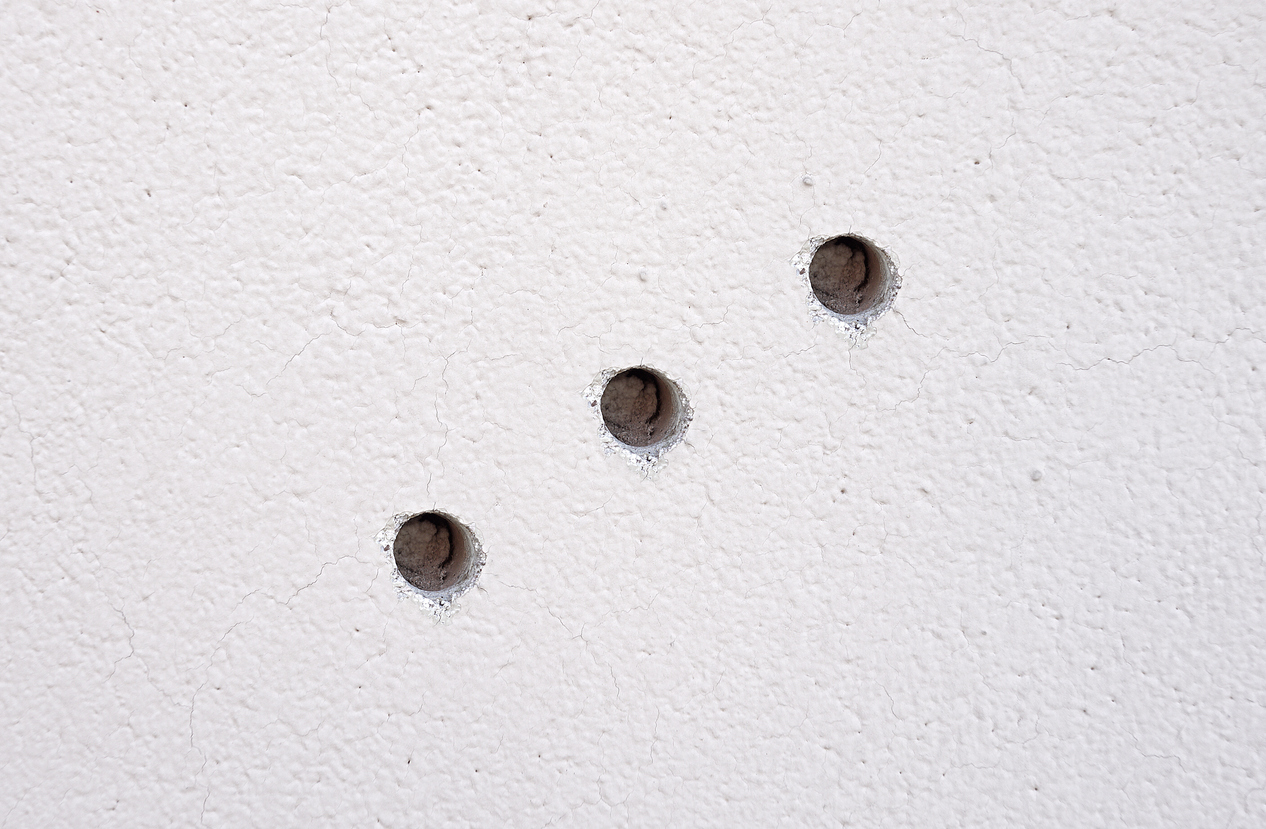
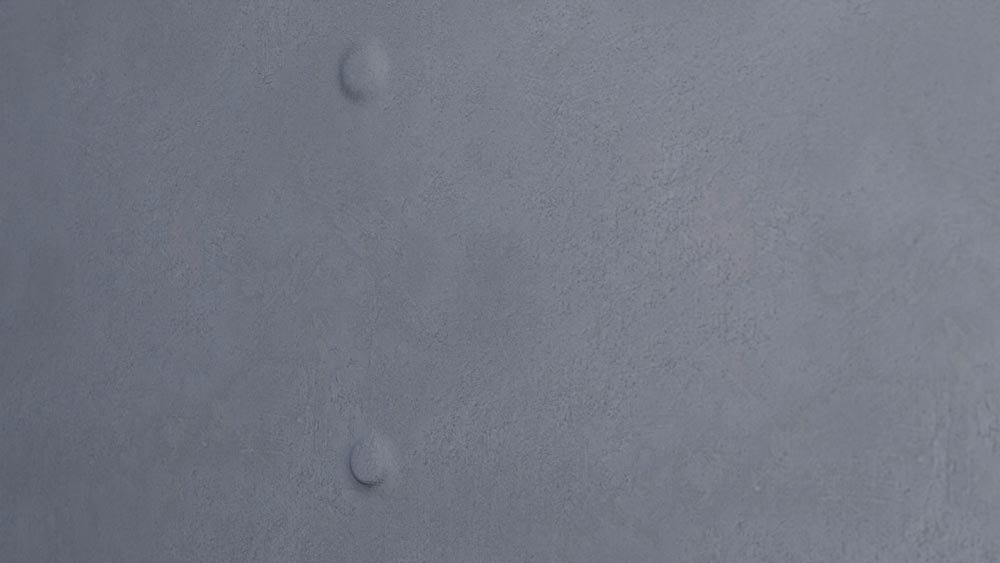
At its core, a nail pop occurs when a nail or screw, used to secure drywall to wall studs, loses its grip or pushes through the drywall compound and paint. Visually, it manifests as a small bump, a circular crack around the fastener head, or even the fastener head breaking through the surface. While more common in older homes using nails, properties constructed with screws can also experience “screw pops,” particularly if the screws weren’t driven to the correct depth or if structural movement occurs.
The Root Causes: Why Nail Pops Occur
The emergence of a nail pop is rarely due to a single factor, but rather a confluence of environmental conditions, structural dynamics, and installation practices. From a financial perspective, understanding these causes is critical because recurring nail pops can signal deeper, more expensive issues than a simple cosmetic fix.
One primary culprit is lumber shrinkage and expansion. Wood framing studs naturally expand and contract with changes in humidity and temperature. As the wood dries out over time, it shrinks, pulling away from the drywall. This movement can cause the fasteners to either push outwards against the drywall surface or pull the drywall slightly, causing the compound over the fastener to crack and lift.
Improper fastening techniques during construction also contribute significantly. If nails or screws are not driven deep enough, or if the drywall compound isn’t adequately applied and feathered over the fasteners, they are more susceptible to becoming visible. Over-driving fasteners, conversely, can tear the paper facing of the drywall, creating a weak point that eventually succumbs to movement.
Lastly, structural movement of the house itself, due to foundation shifts, settling, or even severe weather, can exert pressure on the walls, leading to fastener displacement. While individual nail pops are rarely indicative of severe structural issues, a widespread and sudden appearance of them might warrant a more thorough inspection, potentially uncovering significant financial liabilities.
Identifying Nail Pops in Your Home
Nail pops are typically found in common areas where drywall is used, such as walls and ceilings. They are often most visible on walls that bear heavier loads or experience greater temperature fluctuations, like exterior walls. Look for small, raised bumps or circular cracks, often appearing in lines where studs are located. Early identification is key to mitigating potential financial repercussions, allowing for more affordable, targeted repairs rather than extensive remediation.
The Financial Implications of Ignoring Nail Pops
While small, nail pops are not just an eyesore; they carry tangible financial implications that can impact a property’s value and a homeowner’s budget if left unaddressed. Procrastination in addressing these minor repairs can lead to greater expenses down the line.
Aesthetic Depreciation and Property Value
For any real estate asset, aesthetics play a significant role in market perception and value. A home riddled with visible nail pops can immediately detract from its appeal, signaling neglect or underlying issues to potential buyers or tenants. This can lead to a lower asking price when selling, longer time on the market, or difficulty attracting quality tenants for rental properties. From an investment standpoint, maintaining the visual integrity of a property directly contributes to its market competitiveness and perceived value. The cost of a few minor repairs is almost always dwarfed by the potential loss in valuation.
Potential for Worsening Damage
Ignoring a single nail pop might seem trivial, but a house experiences constant micro-movements. A small crack around a fastener head can expand, potentially leading to larger sections of paint or drywall compound flaking off. In extreme cases, if the underlying cause is persistent structural movement, what starts as a few nail pops could be an early warning sign of more extensive drywall damage or even issues with the framing itself. While rare for nail pops alone to cause structural failure, they can certainly be indicators that warrant closer inspection, potentially uncovering more significant, and thus more expensive, problems that require professional intervention.
Repair Costs Escalation
Delaying repairs almost invariably leads to increased costs. A single nail pop can be fixed relatively cheaply with minimal materials and labor. However, if multiple pops develop, or if they contribute to larger sections of damaged drywall, the scope of work expands. What could have been a DIY fix for under $50 might transform into a multi-hundred-dollar professional job involving extensive patching, sanding, and repainting of entire wall sections or rooms. For rental property owners, unattended cosmetic issues can lead to tenant complaints and higher turnover rates, both of which have direct financial consequences through lost rent and re-leasing costs.
Budgeting for Nail Pop Repairs: DIY vs. Professional
When faced with nail pops, homeowners and investors are typically presented with two financial pathways: undertaking the repairs themselves or hiring a professional. Each option has distinct cost implications, benefits, and drawbacks that should be carefully weighed against one’s budget, skill level, and time availability.
DIY Approach: Cost Savings and Considerations
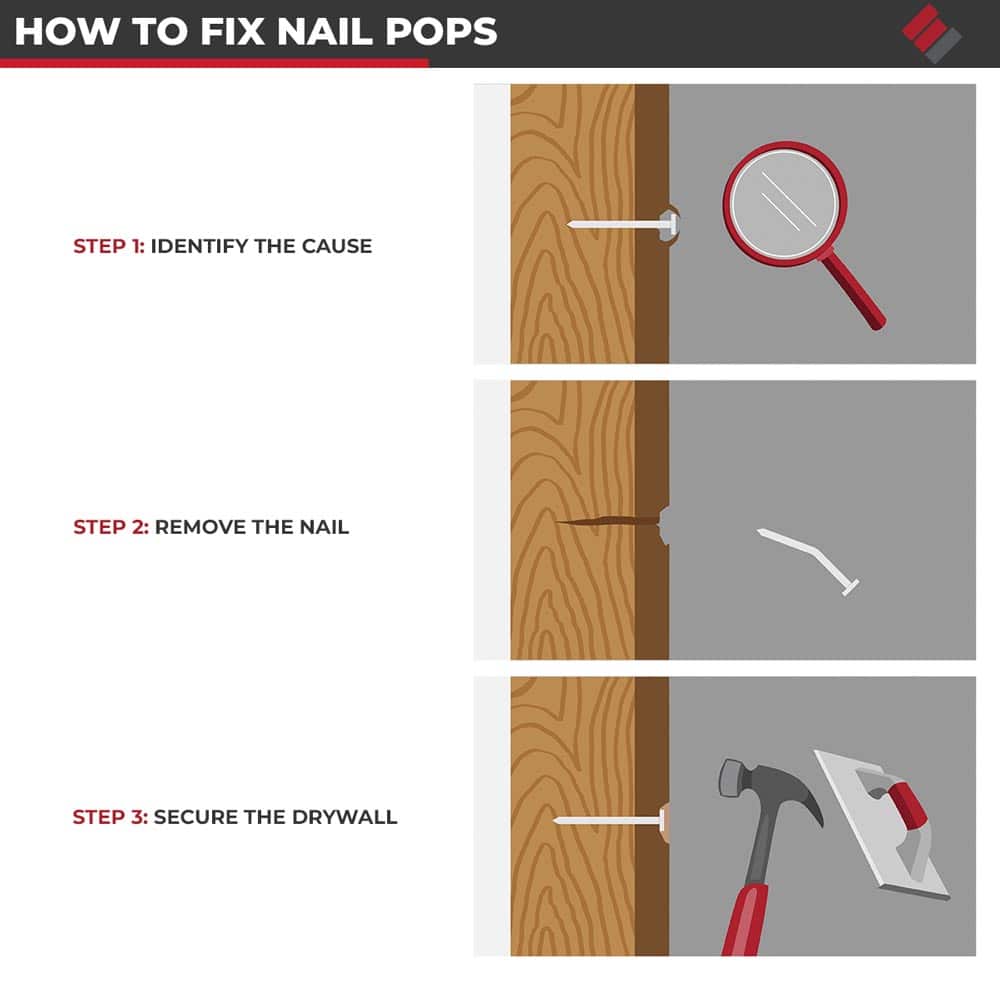
The do-it-yourself (DIY) route is often the most appealing from an immediate cost-saving perspective. Materials for a typical nail pop repair – including spackle or drywall compound, sandpaper, and touch-up paint – can often be purchased for under $50. The primary “cost” here is your time and effort. For individuals with basic home repair skills, patience, and the necessary tools (putty knife, sander, paintbrushes), DIY can represent significant savings, avoiding professional labor charges which can range from $50 to $100+ per hour.
However, consider the opportunity cost of your time. Is the time spent patching walls more valuable than time spent on income-generating activities or other personal investments? Furthermore, a novice repair might not be as durable or aesthetically pleasing as a professional job. Poorly executed repairs can lead to visible patches, mismatched paint, or even recurrence of the nail pop, ultimately requiring a professional fix later and costing more in the long run. Assess your skill level honestly; a botched DIY job can depreciate rather than enhance your home’s appeal.
Hiring a Professional: When and Why
Engaging a professional painter, handyman, or drywall specialist offers several advantages, especially when the financial stakes are higher. Professionals bring expertise, experience, and the right tools, ensuring a durable and aesthetically seamless repair. This is particularly valuable for properties being prepared for sale, where perfection in finish can significantly impact buyer perception and offers.
The cost of professional repair will vary based on geographic location, the number of nail pops, and the extent of other related damage. A handyman might charge a flat rate per pop or an hourly rate for minor repairs, typically ranging from $100 to $300 for a handful of pops, including materials and labor. For more widespread issues, a drywall contractor might charge per square foot or provide a comprehensive project bid. While the upfront cost is higher than DIY, the peace of mind, quality of work, and time saved can be a worthy investment, especially if your time is better spent elsewhere or if you lack the necessary skills. Additionally, professional repairs often come with a warranty, providing financial security against future issues.
Estimating Repair Costs
To budget effectively, gather estimates from multiple professionals if opting for outside help. Be transparent about the extent of the problem, and ask for a breakdown of labor and material costs. For DIY, research material prices at local hardware stores. Remember to factor in potential additional costs, such as painting supplies (brushes, rollers, drop cloths) if you don’t already own them, and possibly higher-quality paint for a better finish match. Always build a small contingency into your budget for unexpected discoveries.
Proactive Measures and Long-Term Financial Health
Addressing existing nail pops is one thing, but adopting proactive strategies can significantly mitigate their recurrence and contribute to the long-term financial health of your home investment. Prevention is often far cheaper than cure.
Preventing Future Nail Pops
The best financial strategy is to prevent nail pops from occurring in the first place. During new construction or renovations, ensuring proper installation techniques is paramount. This includes using screws rather than nails for drywall (screws provide a much stronger hold), driving fasteners to the correct depth (not tearing the paper, not leaving proud heads), and using an adequate number of fasteners. Allowing new lumber to properly acclimate and dry before drywall installation can also reduce post-construction shrinkage.
For existing homes, humidity control is key. Maintaining stable indoor humidity levels through proper ventilation, humidifiers, or dehumidifiers can minimize the expansion and contraction of wood framing, thereby reducing stress on fasteners. Investing in a good HVAC system or smart home climate control solutions can have a cascading positive effect on the structural stability of your home and its longevity.
Home Maintenance Budgeting
Successful homeownership, from a financial perspective, involves foresight. Incorporate a line item for home maintenance and repairs into your annual budget. This doesn’t just cover nail pops but also includes roofing, plumbing, electrical, and other wear-and-tear items. A common guideline is to set aside 1-3% of your home’s purchase price annually for maintenance. Having a dedicated fund prevents unexpected repairs, like a sudden appearance of numerous nail pops, from derailing your personal finances or requiring recourse to higher-interest credit. This proactive approach protects your equity and ensures your home remains a valuable asset.
Impact on Home Insurance
It’s important to understand how home insurance typically views nail pops. Generally, standard home insurance policies do not cover cosmetic issues or damage resulting from normal wear and tear, house settling, or poor construction. Therefore, the cost of repairing nail pops usually falls squarely on the homeowner. However, if nail pops are directly linked to a covered peril, such as significant structural damage from a storm, earthquake, or other insurable event, the associated repair costs might be covered. Always review your policy and consult with your insurance provider to understand specific coverages. Relying on insurance for routine maintenance issues is a misstep that can lead to unexpected out-of-pocket expenses.
Maximizing Your Investment: Addressing Home Imperfections
For homeowners and real estate investors, every detail contributes to the overall value and marketability of a property. Addressing imperfections like nail pops is not merely about aesthetics; it’s a strategic financial decision that can yield significant returns.
Pre-Sale Preparations
When preparing a home for sale, every effort should be made to present it in the best possible light. A clean, well-maintained appearance signals to potential buyers that the property has been cared for, justifying a higher asking price. Visible nail pops, along with other minor defects, can create an impression of neglect, prompting buyers to either demand a lower price or wonder about larger, hidden issues. The relatively small investment in repairing nail pops before listing can translate into a faster sale at a better price, demonstrating a strong return on investment. It also eliminates potential negotiation points during the inspection phase, streamlining the sales process.
Rental Property Management
For landlords and real estate investors, the condition of a rental property directly impacts tenant satisfaction, retention, and ultimately, rental income. Properties with fewer visible flaws attract higher-quality tenants who are more likely to pay on time and take care of the unit. Nail pops, while minor, can be perceived as a lack of attention to detail, leading to tenant complaints or a general decrease in the perceived value of the rental unit. Regularly addressing these issues as part of routine maintenance cycles minimizes vacancies, reduces tenant turnover costs, and supports consistent rental income streams, directly enhancing the profitability of the investment. A well-maintained property also commands higher rent and depreciates slower.
Financial Tools for Homeowners
To effectively manage home repairs and maintain property value, homeowners should leverage various financial tools. An emergency fund specifically allocated for home repairs is invaluable. This acts as a buffer against unexpected costs like a sudden increase in nail pops or more significant issues. For larger renovation projects that might include extensive drywall work (where nail pops could be addressed concurrently), a home equity line of credit (HELOC) or a home equity loan can provide access to funds at competitive interest rates, leveraging the equity already built in the property. However, these tools should be used judiciously, ensuring that the borrowed funds contribute to increasing the home’s value or protecting existing equity, rather than simply covering routine, preventable expenses. Investing in home maintenance is an investment in your financial future and the value of your most significant asset.
aViewFromTheCave is a participant in the Amazon Services LLC Associates Program, an affiliate advertising program designed to provide a means for sites to earn advertising fees by advertising and linking to Amazon.com. Amazon, the Amazon logo, AmazonSupply, and the AmazonSupply logo are trademarks of Amazon.com, Inc. or its affiliates. As an Amazon Associate we earn affiliate commissions from qualifying purchases.