
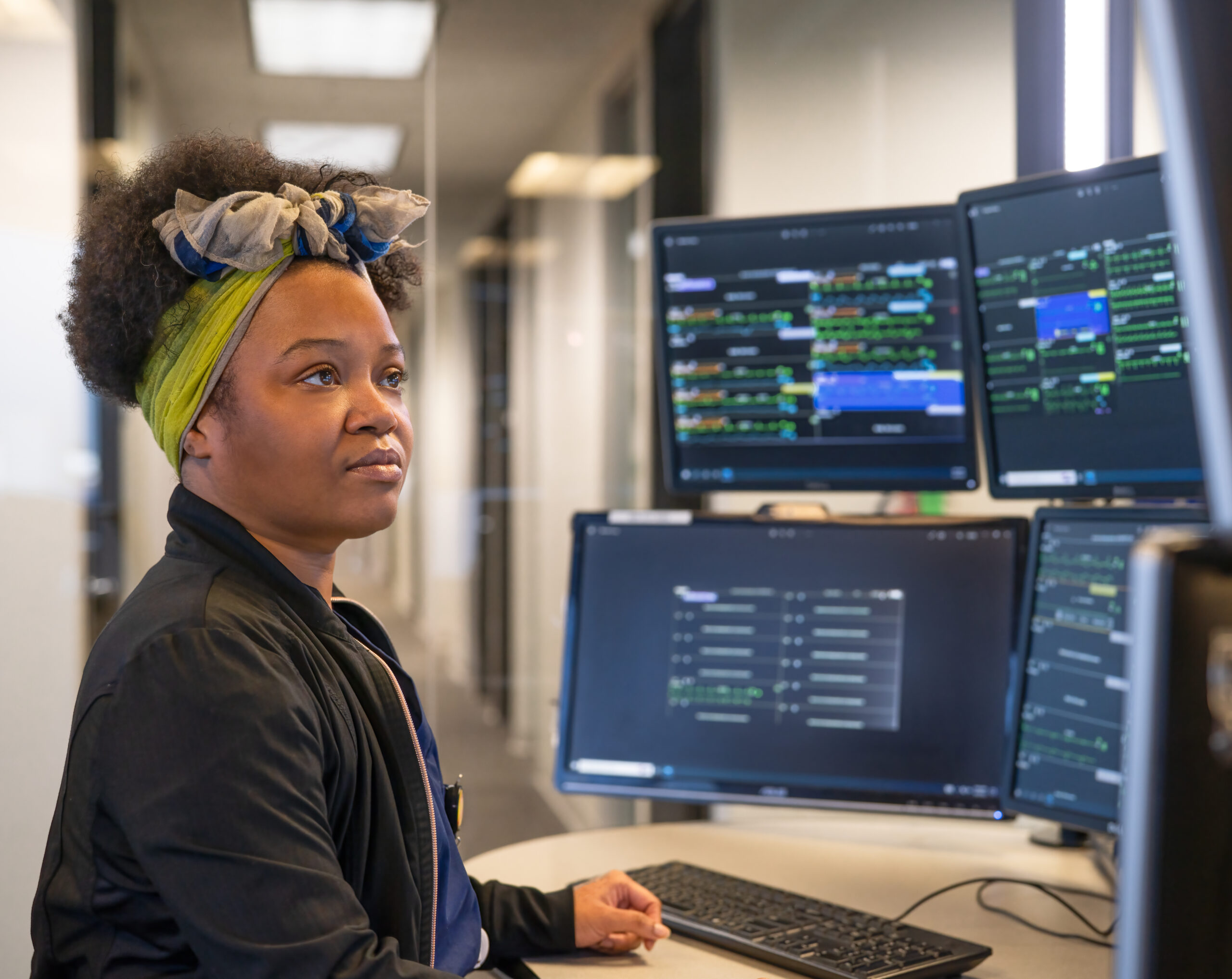
In an increasingly complex digital world, where systems operate 24/7 and the smallest glitch can have significant repercussions, the role of a monitor technician, often simply referred to as a “monitor tech,” has become indispensable. Far from merely watching screens, a monitor tech is a frontline guardian of operational integrity, responsible for the continuous observation, analysis, and initial response to the health and performance of critical technological systems. This role is pivotal across diverse sectors, including IT operations, data centers, cybersecurity, network management, and industrial control systems, ensuring that essential infrastructure remains stable, secure, and performant.
The Core Role of a Monitor Tech
The primary responsibility of a monitor tech is to maintain constant vigilance over a vast array of technical systems. This involves not just observing data streams, but actively interpreting them to identify anomalies, potential issues, and confirmed incidents. Their day-to-day work is a blend of proactive monitoring and reactive problem-solving, acting as the first line of defense against system failures and performance degradations.
Vigilance and Proactive Problem Solving
A monitor tech’s role is inherently proactive. They are trained to anticipate potential issues before they escalate into major outages. This involves understanding baseline system behavior and recognizing deviations that could signal an impending problem. For instance, a gradual increase in server load, an unusual spike in network traffic, or a series of minor error messages could all be indicators that require immediate attention. By catching these subtle cues early, monitor techs enable organizations to address vulnerabilities and perform preventative maintenance, averting costly downtime and service disruptions. Their deep familiarity with various monitoring dashboards allows them to connect disparate data points, forming a comprehensive picture of system health.
System Health and Performance Monitoring
At the heart of a monitor tech’s duties is the meticulous oversight of system health and performance. This encompasses a broad spectrum of metrics, including CPU utilization, memory consumption, disk I/O, network latency, application response times, database query performance, and environmental factors like temperature and power supply in data centers. They utilize specialized monitoring software to collect, visualize, and analyze this data in real-time. Their expertise lies in understanding what constitutes “normal” operation versus what indicates a problem. They track trends, identify bottlenecks, and ensure that systems are operating within defined service level agreements (SLAs). This continuous assessment is critical for maintaining optimal operational efficiency and user experience.
Incident Response and Escalation
When an issue is detected, the monitor tech transitions into a critical incident response role. Their first step is often to verify the alert, ruling out false positives and confirming the scope and severity of the problem. Following this, they initiate predefined protocols for incident handling. This typically involves documenting the incident, performing initial diagnostic steps, and attempting basic troubleshooting procedures if within their purview. Crucially, they are responsible for accurate and timely escalation to the appropriate specialist teams, such as network engineers, system administrators, or cybersecurity analysts. Their clear and concise communication of the incident details, including symptoms, observed data, and any actions taken, is vital for rapid resolution. They often act as the central point of contact during an incident, providing updates and coordinating communication.
Key Technologies and Tools Utilized
To effectively perform their duties, monitor techs rely on a sophisticated suite of technological tools and platforms. Proficiency with these systems is a cornerstone of the role, allowing them to gather data, detect anomalies, communicate findings, and support resolution efforts.
Network and System Monitoring Software
These are the primary dashboards and data aggregators for a monitor tech. Tools like Nagios, Zabbix, Prometheus, Grafana, SolarWinds, Datadog, and PRTG Network Monitor provide real-time insights into the performance and availability of servers, networks, applications, and services. Monitor techs learn to navigate complex interfaces, customize dashboards, interpret graphs and charts, and configure alerts based on predefined thresholds. They use these systems to visualize everything from CPU load on a specific server to the health of an entire application stack.
Alerting and Notification Systems
Beyond just displaying data, effective monitoring requires robust alerting mechanisms. Monitor techs configure and manage these systems (often integrated within the monitoring software or standalone platforms like PagerDuty or Opsgenie) to ensure that the right personnel are notified of issues at the right time through various channels—email, SMS, push notifications, or automated calls. They are responsible for understanding alert hierarchies, managing on-call rotations, and ensuring that critical alerts are never missed, even outside of business hours.
Diagnostic and Troubleshooting Utilities
While not always performing deep-dive troubleshooting, monitor techs frequently use basic diagnostic tools to verify alerts and gather initial data. This might include command-line utilities like ping, traceroute, netstat, top, or iostat on Linux/Unix systems, or Task Manager and Event Viewer on Windows. They may also interact with log management systems (e.g., Splunk, ELK stack) to search for specific error messages or patterns that corroborate a detected issue. Their ability to quickly extract relevant information from these tools significantly aids the escalation process.
Communication and Collaboration Platforms
Effective communication is paramount. Monitor techs regularly use internal communication platforms such such as Slack, Microsoft Teams, or dedicated incident management tools to coordinate with other teams. They must be adept at clearly articulating technical problems, sharing relevant data, and providing timely updates to stakeholders. These platforms facilitate rapid information exchange during high-pressure incidents, ensuring everyone is on the same page.
Essential Skills and Qualifications
Beyond technical knowledge, a monitor tech requires a specific set of soft skills and intellectual aptitudes to excel in this demanding environment. The combination of technical prowess and keen analytical ability is what defines success in this role.
Technical Aptitude and Knowledge
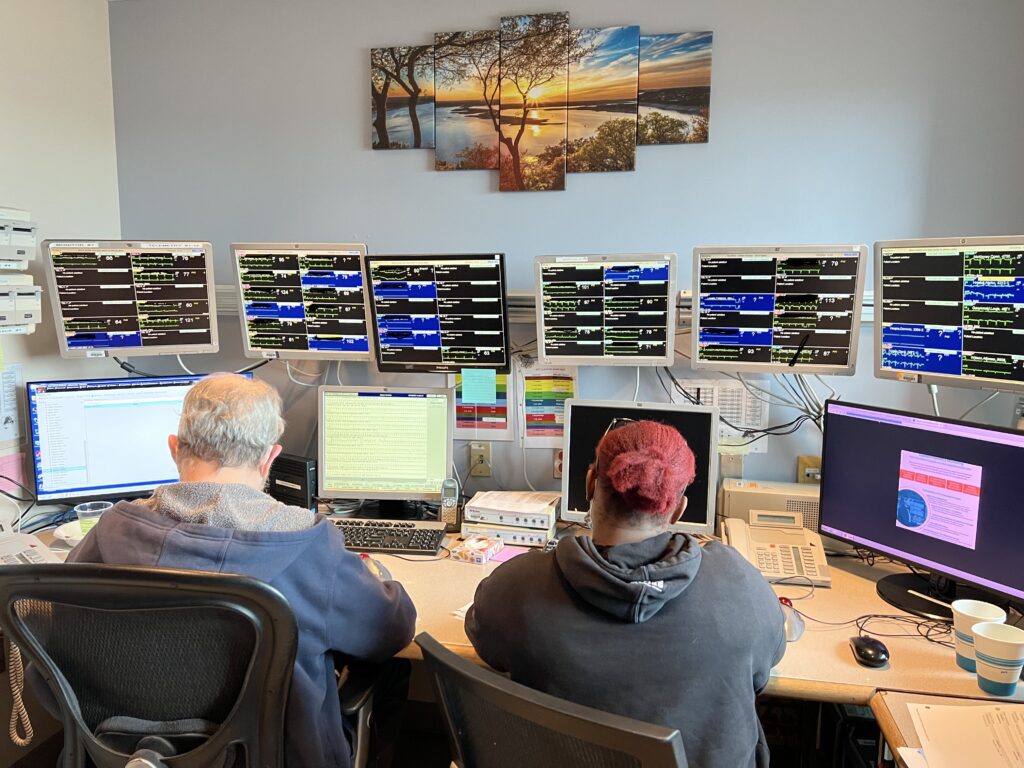
A solid foundation in IT fundamentals is non-negotiable. This includes understanding networking concepts (TCP/IP, DNS, routing), operating systems (Linux, Windows Server), basic scripting (e.g., shell scripting, Python for automation tasks), and general server hardware. While not necessarily engineers, they must grasp how various system components interact and how problems in one area can impact another. Certifications like CompTIA A+, Network+, or Security+ can be beneficial, demonstrating a foundational understanding of critical technologies.
Analytical Thinking and Problem-Solving
The ability to analyze complex data streams, identify patterns, and deduce potential causes of issues is central to the role. Monitor techs must be critical thinkers, capable of distinguishing between symptoms and root causes, even under pressure. They don’t just see an alert; they analyze why the alert was triggered and what immediate steps might be necessary. Their problem-solving skills begin with rapid assessment and categorization of issues.
Attention to Detail and Communication
Overlooking a small detail in a log file or a subtle change in a performance graph can have serious consequences. Meticulous attention to detail is crucial for identifying nascent problems. Equally important is the ability to communicate clearly, concisely, and accurately, both verbally and in writing. They must be able to translate technical observations into understandable terms for various audiences, from fellow techs to management. Clear documentation of incidents and actions taken is also a key responsibility.
Continuous Learning and Adaptability
Technology evolves rapidly, and so do the threats and complexities associated with it. A successful monitor tech is committed to continuous learning, staying abreast of new monitoring tools, emerging technologies, and evolving security landscapes. They must be adaptable, capable of quickly learning new systems and adjusting to changing operational procedures.
Impact and Importance in Modern Infrastructure
The monitor tech plays a silent but profound role in the stability and security of digital operations. Their contributions are fundamental to maintaining business continuity and ensuring a reliable user experience across nearly all industries that rely on technology.
Ensuring Business Continuity
In an always-on world, downtime translates directly to lost revenue, reputational damage, and decreased productivity. Monitor techs are the first line of defense against outages. By catching and escalating issues before they disrupt services, they directly contribute to minimizing downtime and ensuring that businesses can continue to operate seamlessly. Their vigilance protects against service interruptions that could paralyze operations or alienate customers.
Protecting Data and Security
Beyond performance, monitor techs are increasingly crucial in cybersecurity operations. They monitor for suspicious activities, unauthorized access attempts, unusual traffic patterns, and other indicators of compromise (IoCs). Working closely with Security Operations Centers (SOCs), they help to identify and flag potential security breaches, enabling rapid containment and mitigation efforts. Their role in detecting early warning signs of cyber threats is invaluable in a landscape rife with sophisticated attacks.
Optimizing Performance and Efficiency
By constantly observing system metrics, monitor techs also contribute to the ongoing optimization of IT infrastructure. Their aggregated data and observations can highlight underperforming systems, resource bottlenecks, or inefficient configurations. This information is critical for engineers and architects to make informed decisions about system upgrades, scaling, and architectural improvements, ultimately leading to more efficient and cost-effective operations.
Career Path and Future Outlook
The role of a monitor tech serves as an excellent entry point into the broader IT and technology sectors, offering a clear pathway for professional growth and specialization.
Entry Points and Growth Opportunities
Many monitor techs start with foundational IT knowledge, often directly from vocational training or entry-level certifications. The hands-on experience gained in system monitoring, incident response, and using enterprise-grade tools provides a robust foundation for advancement. Career progression can lead to specialized roles such as Network Administrator, System Administrator, SOC Analyst, DevOps Engineer, Site Reliability Engineer (SRE), or even management positions within IT operations. The skills learned are highly transferable across various technical disciplines.

Evolving Landscape of Monitoring
The future of monitoring is increasingly leaning towards automation, artificial intelligence, and machine learning. AI operations (AIOps) platforms are designed to automate anomaly detection, root cause analysis, and even some aspects of incident response. While this might seem to diminish the human role, it actually elevates it. Monitor techs will increasingly focus on managing and training these intelligent systems, interpreting more complex insights, handling higher-level escalations, and focusing on strategic problem-solving rather than just reactive observation. Their role will evolve to be more analytical, proactive, and integral to architecting resilient, self-healing systems. The demand for skilled individuals who can bridge the gap between automated insights and human intervention will only grow.
aViewFromTheCave is a participant in the Amazon Services LLC Associates Program, an affiliate advertising program designed to provide a means for sites to earn advertising fees by advertising and linking to Amazon.com. Amazon, the Amazon logo, AmazonSupply, and the AmazonSupply logo are trademarks of Amazon.com, Inc. or its affiliates. As an Amazon Associate we earn affiliate commissions from qualifying purchases.