
In the intricate landscape of modern travel and hospitality, the concept of a “kosher booking” represents far more than a simple reservation. It signifies a specialized service offering, deeply rooted in cultural and religious adherence, meticulously crafted and strategically branded to meet the unique requirements of a discerning demographic. For brands operating in the travel, event, or hospitality sectors, understanding and effectively communicating what constitutes a kosher booking is a critical exercise in brand strategy, market segmentation, and delivering on a specific brand promise.
A kosher booking, at its core, refers to a reservation for services – be it accommodation, flights, cruises, tours, or event spaces – that strictly adheres to the principles of kashrut (Jewish dietary laws) and broader Jewish religious observance. However, from a brand perspective, it extends beyond mere compliance; it encompasses the entire customer journey, reflecting a brand’s commitment to cultural sensitivity, operational excellence, and an authentic understanding of its target audience’s needs. It’s about building trust and establishing a reputation as a reliable provider for a segment that prioritizes specific religious and ethical standards in their choices.
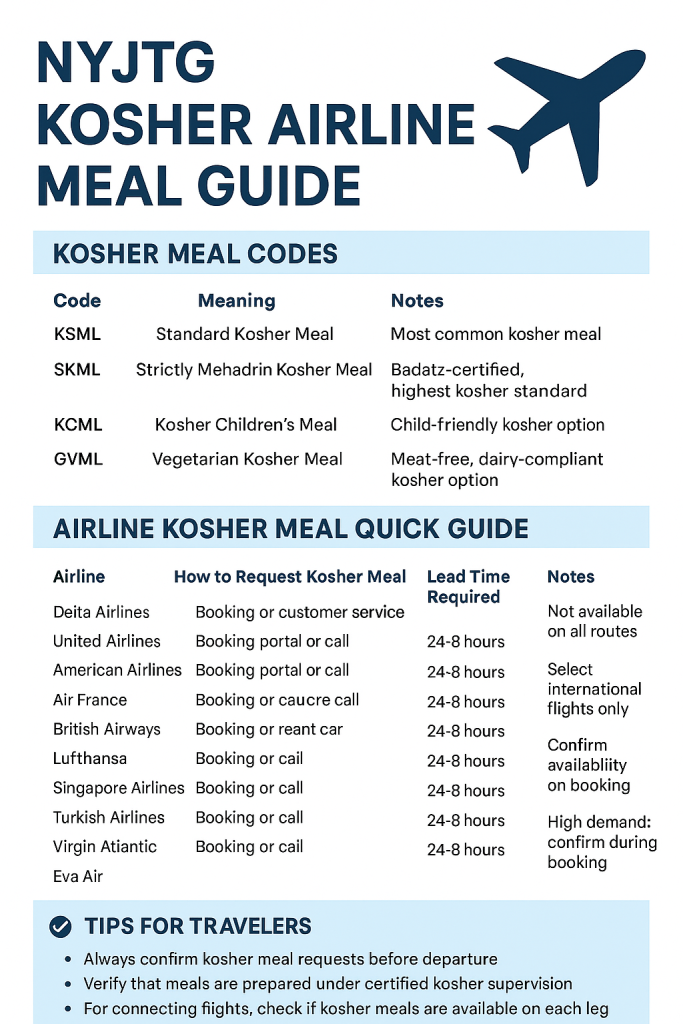
Defining the “Kosher” in Booking: Beyond the Plate
While the term “kosher” is most commonly associated with food preparation, its application to a “booking” implies a holistic approach to service provision. For a brand to credibly offer a kosher booking, it must integrate these principles throughout its entire offering, ensuring consistency and authenticity.
Adherence to Religious Observance
The primary facet of a kosher booking is, of course, adherence to kashrut. This means providing food and beverage services that meet strict dietary laws, which includes:
- Kosher Certification: All food products, ingredients, and preparation methods must be supervised and certified by a recognized rabbinical authority. This requires dedicated kosher kitchens, separate utensils, and adherence to specific handling protocols to prevent cross-contamination.
- Shabbat Observance: For bookings that span the Sabbath (Friday sundown to Saturday sundown), provisions must be made to accommodate restrictions on electrical use, travel, and other activities. This might include pre-programmed elevator operation, room keys that don’t require electricity, designated Shabbat-friendly meal services, and the absence of check-in/check-out requirements during this period.
- Holiday Observance: Similarly, major Jewish holidays (e.g., Passover, Rosh Hashanah, Yom Kippur) come with their own distinct requirements, from specific dietary laws (like avoiding leavened bread on Passover) to prayer services and community gatherings. A brand offering kosher bookings must be equipped to cater to these seasonal demands.
- Modesty and Privacy: In some contexts, particularly for family travel or group bookings, considerations for modesty and privacy in facilities (e.g., separate swimming hours, specific seating arrangements) may also be part of a comprehensive kosher offering.
Trust, Transparency, and Ethical Practices
Beyond the explicit religious requirements, the concept of “kosher” also carries a broader connotation of purity, legitimacy, and ethical conduct. For a brand, this translates into building profound trust and ensuring transparency in all aspects of the booking process and service delivery.
- Clear Communication: Brands must clearly articulate what their “kosher booking” entails, detailing the specific certifications, services, and limitations. Ambiguity erodes trust.
- Ethical Sourcing: While not always a direct halachic requirement, many consumers seeking kosher options also prioritize ethical sourcing and sustainable practices, aligning with the broader values often associated with religious observance. A brand that demonstrates commitment in these areas reinforces its overall “kosher” appeal.
- Reliability: The promise of a kosher booking is significant. Any failure to meet the promised standards can severely damage a brand’s reputation within this tightly-knit community. Reliability becomes a cornerstone of the brand’s identity.
The Strategic Imperative: Why Brands Offer Kosher Bookings
For businesses, offering kosher bookings is not merely an act of accommodation; it is a strategic decision rooted in market opportunity and brand differentiation.
Tapping into Niche Markets and Demographics
The Jewish travel market, particularly segments that strictly adhere to kashrut and religious observance, represents a significant and often underserved niche. This demographic often travels for religious holidays, family events (weddings, Bar/Bat Mitzvahs), and community-focused tours, often in groups and with specific requirements that conventional travel providers struggle to meet.
- High Loyalty: When a brand successfully caters to these specific needs, it often fosters strong customer loyalty. Consumers in this niche are highly discerning and, once they find a trusted provider, tend to return repeatedly and spread positive word-of-mouth within their communities.
- Steady Demand: Religious holidays and life cycle events create predictable peaks in demand, allowing brands to plan and allocate resources effectively.
- Premium Segment: Providing highly specialized services often allows for premium pricing, reflecting the additional operational complexities, certifications, and expertise required. This can contribute to healthy profit margins.
Brand Differentiation and Value Proposition
In a competitive market, a distinct value proposition is essential. Offering kosher bookings allows a brand to carve out a unique identity and stand apart from competitors.

- Specialized Expertise: A brand that consistently delivers authentic kosher experiences positions itself as an expert in niche travel, appealing not only to Jewish travelers but also to event planners and organizations catering to this group.
- Enhanced Reputation: Associating a brand with religious observance, cultural sensitivity, and meticulous adherence to standards can enhance its overall reputation as a responsible and inclusive service provider. This extends beyond the specific niche, contributing to a broader positive brand image.
- Expanded Reach: Partnering with rabbinical organizations, community leaders, and specialized travel agencies can significantly expand a brand’s marketing reach within the target demographic, leveraging trusted community networks.
Building a Credible Kosher Booking Brand Identity
Establishing a credible brand for kosher bookings requires a deliberate and authentic approach to corporate identity, messaging, and service delivery.
Authenticity and Expertise in Service Delivery
The foundation of a successful kosher booking brand is genuine authenticity. This cannot be faked; it requires deep understanding and operational commitment.
- Dedicated Resources: Investing in dedicated kosher kitchens, trained staff, and partnerships with reputable kosher certifiers (e.g., Orthodox Union, Star-K, etc.) demonstrates a serious commitment.
- Cultural Fluency: Staff, especially those in customer-facing roles, must possess cultural fluency and sensitivity regarding Jewish customs, holidays, and expectations. This can be achieved through specialized training programs.
- Consistent Quality: The brand promise of “kosher” must be consistently delivered across all touchpoints, from the initial inquiry to the post-stay follow-up. Inconsistencies can quickly erode trust.
Messaging, Marketing, and Community Engagement
Effective brand communication is vital to reach and resonate with the target market.
- Targeted Messaging: Marketing materials must clearly articulate the specific kosher services offered, highlighting certifications, amenities, and unique features. Language should be respectful and informed.
- Community Partnerships: Engaging with Jewish community organizations, synagogues, and specialized travel agencies is crucial. These partnerships provide authentic channels for reaching the target audience and building credibility through trusted endorsements.
- Digital Presence: A strong online presence that showcases kosher offerings through dedicated web pages, social media, and testimonials from satisfied customers is essential. Visuals should reflect the quality and authenticity of the experience.
- Testimonials and Reviews: Positive reviews and testimonials from individuals and groups who have experienced the brand’s kosher offerings serve as powerful social proof, reinforcing credibility within the community.
Operationalizing the Brand Promise: From Concept to Customer Experience
Translating the brand promise of a kosher booking into a seamless customer experience requires meticulous operational planning and execution.
Partner Selection and Supply Chain Integrity
The integrity of a kosher booking hinges on the reliability of the entire supply chain.
- Certified Suppliers: Brands must work exclusively with suppliers who are themselves kosher certified for food products, ingredients, and even cleaning supplies, if applicable.
- Vetting Partners: For tour operators or event planners, vetting partner hotels, caterers, and transportation services for their ability to meet kosher standards is paramount. This often involves site visits and direct communication with their rabbinical supervisors.
- Logistical Precision: Managing the logistics of kosher food preparation, delivery, and service requires precise coordination to maintain strict separation and adherence to kashrut.
Staff Training and Cultural Sensitivity
The human element is critical in delivering a truly kosher experience.
- Specialized Training: All staff involved in kosher operations – from chefs and servers to front desk personnel and housekeepers – must receive specialized training on kashrut laws, Shabbat observance, holiday protocols, and general cultural sensitivities.
- Empowerment: Staff should be empowered to address specific customer needs and questions related to kosher observance, providing accurate information and solutions.
- Dedicated Liaison: For larger operations, appointing a dedicated kosher liaison or manager can ensure consistent oversight and serve as a single point of contact for clients and rabbinical supervisors.

The Future of Niche Bookings: Expanding the Brand Horizon
The concept of a kosher booking serves as a compelling case study for the broader trend of highly specialized and culturally sensitive service offerings. As global demographics shift and consumer preferences become more nuanced, brands that invest in understanding and authentically serving niche markets will be best positioned for sustained growth. A kosher booking is not just a niche product; it is a manifestation of a brand’s ability to listen, adapt, and deliver a deeply meaningful and trustworthy experience to a specific community, ultimately strengthening its overall market position and reputation for excellence. It underscores the power of brand strategy in transforming religious and cultural requirements into a compelling and profitable value proposition.
aViewFromTheCave is a participant in the Amazon Services LLC Associates Program, an affiliate advertising program designed to provide a means for sites to earn advertising fees by advertising and linking to Amazon.com. Amazon, the Amazon logo, AmazonSupply, and the AmazonSupply logo are trademarks of Amazon.com, Inc. or its affiliates. As an Amazon Associate we earn affiliate commissions from qualifying purchases.