
The Technological Lens on Performance Metrics
In an era dominated by data and digital innovation, the concept of a “good” 3-mile time is increasingly less about arbitrary benchmarks and more about personalized, data-driven optimization. Technology has fundamentally reshaped how we define, track, and improve athletic performance, transforming what was once a subjective goal into an objective, measurable journey. Rather than simply clocking a time, modern runners leverage sophisticated tools to understand the myriad factors contributing to their speed, endurance, and efficiency over a 3-mile distance.
Wearable Tech and Data Collection
The cornerstone of this transformation is wearable technology. GPS-enabled smartwatches, heart rate monitors, and even smart clothing have become indispensable tools for runners. These devices do far more than just record elapsed time and distance; they capture a rich tapestry of physiological and environmental data points. Heart rate variability, cadence, stride length, ground contact time, vertical oscillation, elevation changes, and even oxygen saturation are now routinely measured. This granular data provides an unprecedented level of insight into a runner’s unique biomechanics and physiological responses.
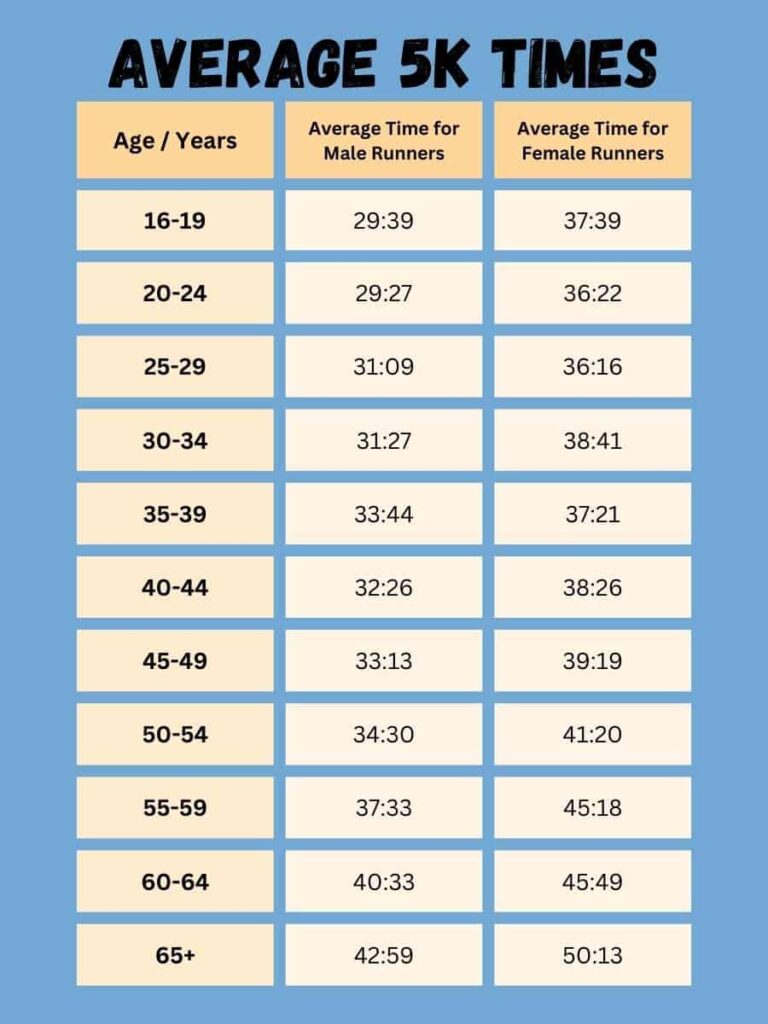
For example, a GPS watch can precisely map a runner’s route, calculating pace per mile, splits, and overall speed. Integrated heart rate monitors offer zones to guide training intensity, ensuring a runner is working within aerobic or anaerobic thresholds to maximize fitness gains without overtraining. Advanced running pods or smart shoes can measure foot strike patterns and ground contact time, offering actionable feedback to improve running form and reduce injury risk. The aggregation of this data across multiple runs allows for trends to be identified, providing a comprehensive historical record that can be used for performance analysis. This shift moves beyond simple stopwatch timing to a holistic understanding of performance, where “good” is contextualized by individual effort, efficiency, and progress over time, all quantifiable through precise technological measurement.
AI-Driven Performance Analysis
Beyond raw data collection, Artificial Intelligence (AI) and machine learning algorithms are revolutionizing how this information is interpreted and acted upon. Raw data from wearables is valuable, but AI transforms it into intelligent, actionable insights. AI-powered platforms can analyze vast datasets from individual runs, comparing them against historical performance, population averages, and even professional athlete metrics (anonymously, of course). This analysis goes beyond simple averages to identify subtle patterns, correlations, and potential areas for improvement that would be invisible to the human eye.
For a 3-mile run, AI can pinpoint specific segments where pace dropped due to fatigue, or where heart rate spiked disproportionately to effort, indicating potential inefficiencies or hydration issues. It can correlate training load with recovery metrics, suggesting optimal rest periods to prevent overtraining and maximize adaptation. Predictive analytics, a key feature of many AI fitness tools, can even forecast a runner’s potential performance based on current fitness levels and training consistency, providing a realistic target for an upcoming 3-mile race. Furthermore, AI can generate personalized training plans that dynamically adjust based on real-time performance, recovery status, and individual goals. This level of personalized coaching, once reserved for elite athletes with dedicated human coaches, is now accessible to the everyday runner through AI, making the pursuit of a “good” 3-mile time a highly individualized and scientifically informed endeavor.
Software Ecosystems for Optimal Training
The data gathered by wearable tech and analyzed by AI is made accessible and actionable through sophisticated software ecosystems. These platforms, often available as mobile apps or web interfaces, serve as the central hub for a runner’s training journey. They consolidate information, provide intuitive visualizations, and offer a suite of features designed to enhance performance and engagement.
Training Plan Generation and Adaptation
The traditional, static training plan is rapidly being replaced by dynamic, adaptive programs powered by software. Many fitness apps now incorporate AI algorithms to generate highly personalized training schedules that consider a runner’s current fitness level, historical performance data, target 3-mile time, and available training days. These plans are not rigid; they continuously adapt based on real-time feedback. If a runner has a particularly challenging day, experiences higher-than-usual heart rates for a given effort, or logs a sub-optimal sleep score, the software can suggest modifications to upcoming workouts – perhaps recommending an easier run, a cross-training session, or an extra rest day.
Conversely, if a runner consistently exceeds expectations, the plan might subtly increase intensity or volume to push further progress. This adaptive capability is crucial for optimizing performance over 3 miles, ensuring that training is always challenging but sustainable, minimizing the risk of injury and burnout while maximizing gains. The software can also integrate with other health metrics, such as sleep patterns and nutrition logs (often manually entered or synced from other apps), to provide a more holistic view of recovery and readiness, further refining the training plan’s effectiveness.
Community and Gamification Features
Beyond individual training, software platforms foster a sense of community and leverage gamification to keep runners motivated and engaged. Most major running apps include social features that allow users to connect with friends, join groups, share runs, and offer encouragement. This social aspect can be a powerful motivator, providing accountability and a sense of shared purpose. Leaderboards, virtual challenges, and segment comparisons (e.g., Strava Segments) introduce a competitive element, transforming regular runs into opportunities to test oneself against personal bests or other runners.

Virtual races, where participants run a set distance (like 3 miles) independently but log their times into a shared platform, have become increasingly popular. These events often include digital badges, completion certificates, and virtual camaraderie, replicating some of the excitement of physical races without the need for large gatherings. The ability to publicly share achievements, receive kudos, and comment on friends’ activities adds a significant layer of enjoyment and commitment. For many, knowing that their “good” 3-mile time will be seen and acknowledged by their network provides an extra impetus to train consistently and push their limits.
Digital Security and Data Privacy in Fitness
As technology becomes more deeply embedded in our personal fitness journeys, the considerations around digital security and data privacy become paramount. The intimate nature of the data collected – including precise location, biometric readings, and health metrics – necessitates robust protection measures to ensure user trust and prevent misuse.
Protecting Personal Health Information
Fitness apps and wearables collect what is essentially personal health information (PHI), albeit often outside traditional healthcare systems. This includes highly sensitive data like heart rate, sleep patterns, body composition, and historical performance trends. Companies developing these technologies have a significant responsibility to implement stringent security protocols to protect this data from breaches, unauthorized access, and malicious attacks. This typically involves end-to-end encryption for data in transit and at rest, multi-factor authentication for user accounts, and regular security audits.
Users also play a role by using strong, unique passwords and being mindful of the permissions they grant to apps. The consequence of a data breach could be severe, ranging from identity theft to the sale of sensitive health profiles to third-party advertisers or insurance companies. Therefore, understanding the privacy policies of fitness platforms and choosing services that prioritize data security is critical for anyone leveraging tech to improve their 3-mile time. A “good” time should never come at the cost of personal data compromise.
The Ethical Use of Performance Data
Beyond security, the ethical implications of how performance data is used are increasingly under scrutiny. While many apps aggregate anonymized data for research and feature improvement, the line between beneficial analysis and intrusive profiling can be thin. Questions arise about whether fitness data could influence insurance premiums, employment opportunities, or other aspects of personal life if not properly secured and ethically managed.
Platforms must be transparent about their data collection practices, clearly stating how data is stored, processed, and potentially shared. Users should have clear control over their data, including the ability to export, delete, or limit its sharing. For instance, allowing users to opt-in or opt-out of aggregated data research is a crucial ethical consideration. The ongoing dialogue between users, developers, and regulators will shape the future of ethical data handling in fitness tech, ensuring that individuals can pursue their 3-mile running goals with confidence in both their performance and their privacy.
Emerging Tech for Future Mile Times
The evolution of fitness technology is relentless, promising even more sophisticated tools to help runners achieve their ideal 3-mile times. Future innovations will further refine personalization, provide deeper physiological insights, and create more immersive training experiences.
Biometric Feedback and Advanced Sensors
The next generation of wearables and embedded sensors will go beyond current metrics to offer real-time, actionable biometric feedback on running form and efficiency. Imagine smart insoles that not only measure ground contact time but also provide instant haptic feedback to correct pronation or supination mid-stride. Or intelligent apparel with embedded electromyography (EMG) sensors that monitor muscle activation, indicating fatigue onset or imbalances before they lead to injury.
Continuous glucose monitoring (CGM) and advanced hydration sensors, currently emerging in some sectors, could become standard for endurance athletes, allowing for precise fueling and rehydration strategies during a 3-mile effort. The integration of blood oxygen saturation, body temperature regulation, and even non-invasive lactate threshold monitoring directly into sportswear or compact wearables would provide an unparalleled window into a runner’s physiological state, enabling micro-adjustments in pace and effort to maintain optimal performance throughout the 3-mile distance. These advancements will move beyond merely tracking to actively coaching the runner in real-time.

Virtual Reality and Augmented Reality Training
VR and AR are poised to transform the running experience, making training more engaging and accessible, regardless of location or weather. Imagine lacing up your running shoes and stepping onto a treadmill, only to be immersed in a virtual simulation of your favorite trail, complete with dynamic resistance changes matching the virtual terrain. VR-powered running could allow athletes to ‘scout’ a 3-mile race course virtually, familiarizing themselves with elevation changes and strategic points before race day.
Augmented Reality (AR) could overlay real-time performance data directly onto a runner’s vision via smart glasses, providing pace, heart rate, and split times without glancing at a watch. AR could also project virtual pacers or coaches onto the path ahead, guiding form or challenging the runner to maintain a specific speed. These immersive technologies offer novel ways to maintain motivation, simulate race conditions, and experience diverse running environments, making the pursuit of a “good” 3-mile time not just an exercise in physical exertion but also an engaging digital adventure.
aViewFromTheCave is a participant in the Amazon Services LLC Associates Program, an affiliate advertising program designed to provide a means for sites to earn advertising fees by advertising and linking to Amazon.com. Amazon, the Amazon logo, AmazonSupply, and the AmazonSupply logo are trademarks of Amazon.com, Inc. or its affiliates. As an Amazon Associate we earn affiliate commissions from qualifying purchases.